Australia’s construction sector stands at a pivotal juncture. With infrastructure spending projected to exceed $230 billion over the next decade and urban populations continuing to swell, the equipment that builds the nation’s cities has never been more consequential. At the centre of this transformation lies an often-overlooked strategic asset: the crane.
From the soaring towers of Sydney’s central business district to the expanding residential corridors of regional New South Wales, crane operations have evolved from simple lifting mechanisms into sophisticated logistical systems that determine project timelines, safety outcomes, and economic viability. Understanding how tower crane hire and mobile crane hire function within the broader construction ecosystem reveals much about where the industry is heading and the challenges it must navigate along the way.
A Strategic Asset in Modern Development
The decision to deploy cranes on a construction site is no longer a straightforward mechanical consideration. Project managers, engineers, and developers now treat crane selection as a strategic calculation involving site geometry, neighbourhood density, project duration, and regulatory compliance.
Tower cranes, with their distinctive vertical profiles and horizontal jibs, have become synonymous with high-rise construction. These fixed installations can reach heights exceeding 80 metres and lift loads of 20 tonnes or more to precise locations across expansive work zones. For multi-storey residential towers and commercial developments in metropolitan cores, tower crane hire represents a fundamental operational requirement rather than an optional enhancement.
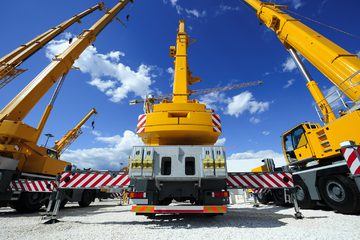
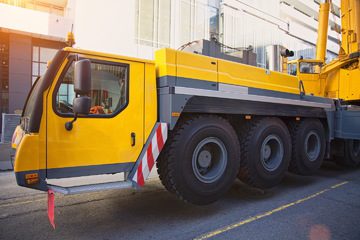
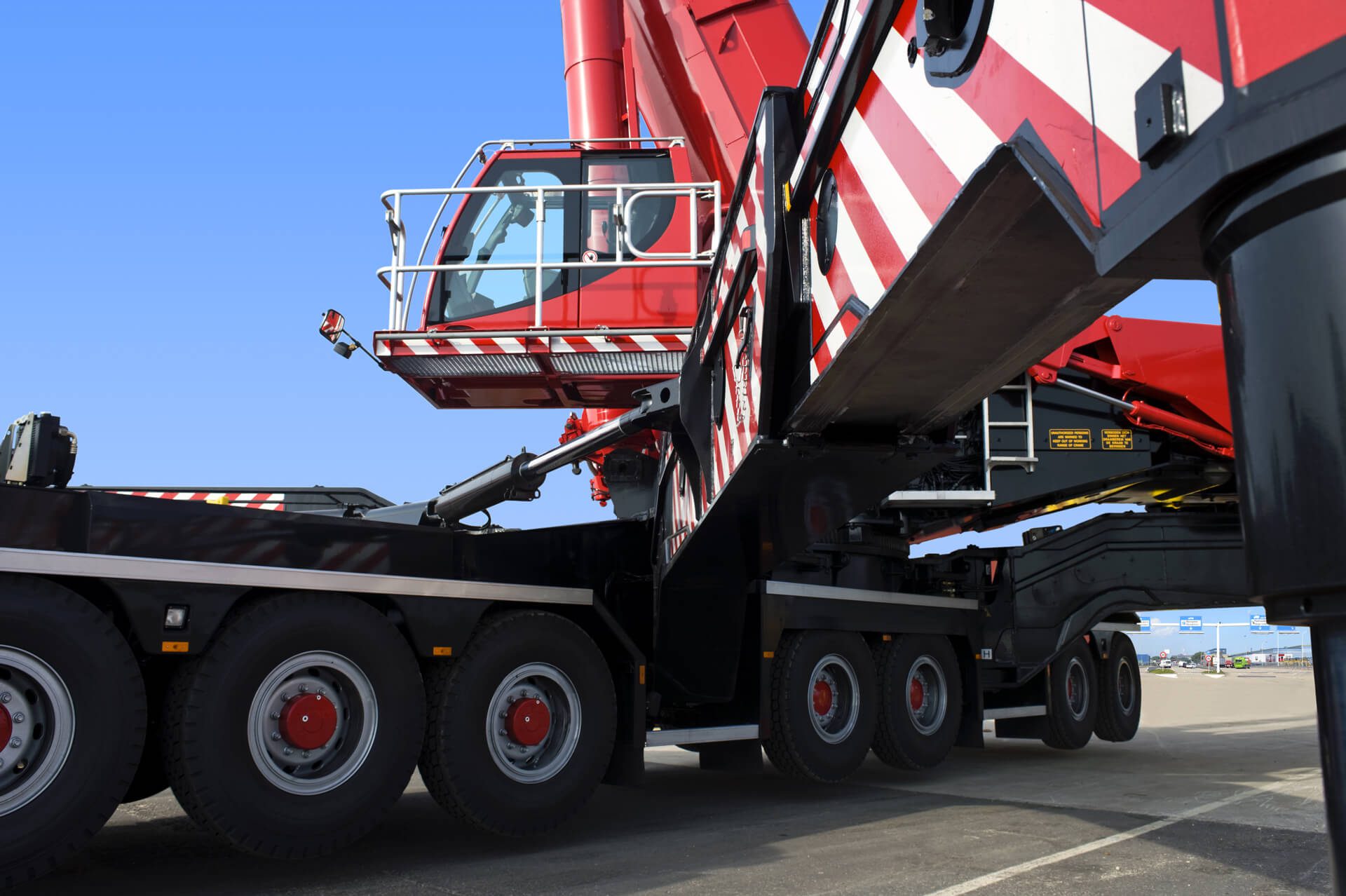
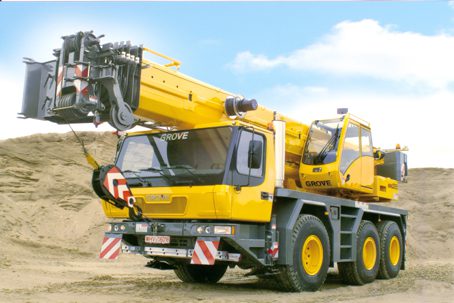
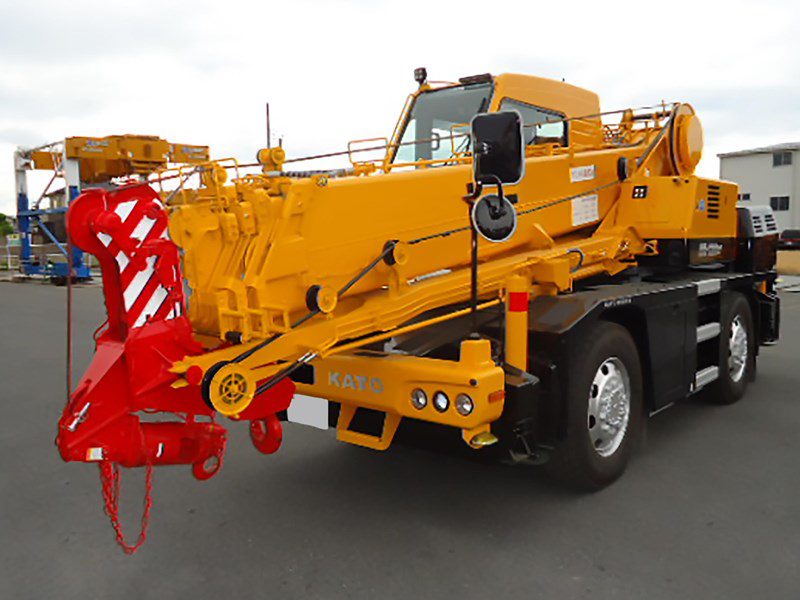
Mobile cranes offer a different value proposition. Mounted on wheeled or tracked vehicles, these units provide flexibility that fixed installations cannot match. They can arrive on site, complete lifting operations, and relocate within days or even hours. For bridge construction, industrial maintenance, and projects requiring intermittent heavy lifting, mobile crane hire delivers capability without the infrastructure investment of permanent installations.
The distinction matters enormously for project economics. A misaligned crane strategy can add weeks to construction schedules and hundreds of thousands of dollars to project budgets.
Matching Equipment to Project Requirements
The Australian construction industry encompasses remarkable diversity, from inner-city apartment complexes to remote mining infrastructure. Each category demands distinct approaches to crane deployment.
High-rise construction in cities like Melbourne, Brisbane, and Sydney relies heavily on tower cranes positioned within the building footprint. As structures rise floor by floor, these cranes grow with them, their climbing mechanisms allowing vertical extension that keeps pace with construction progress. The logistics are complex: tower crane hire arrangements typically extend for months or years, requiring careful contractual frameworks covering installation, maintenance, and eventual dismantling.
Infrastructure projects present different demands. Motorway construction, railway extensions, and bridge building often require lifting capacity at multiple locations along linear corridors. Mobile crane hire suits these applications well, allowing contractors to concentrate capability where needed without committing to fixed positions. The Pacific Highway upgrades in New South Wales and Stage 2 of Melbourne’s West Gate Tunnel have exemplified this approach, with mobile cranes relocating as work fronts advance.
Dense urban environments pose particular challenges. Inner-city sites frequently lack space for crane bases, require careful coordination with adjacent buildings, and must account for pedestrian and vehicle traffic below. In these contexts, the selection between tower and mobile configurations often depends on factors as granular as footpath widths and overhead power line locations.
Safety Standards and Regulatory Frameworks
Australia’s crane industry operates within a stringent regulatory environment shaped by historical incidents and evolving international best practices. Safe Work Australia establishes national model codes, while state-based regulators—including SafeWork NSW, WorkSafe Victoria, and Workplace Health and Safety Queensland—enforce compliance and investigate accidents.
Crane operators must hold High Risk Work Licences specific to the equipment class they operate. Tower crane operators, mobile crane operators, and those working with specialised rigging equipment each require distinct credentials. The licensing framework reflects genuine differences in operational complexity and risk profiles between crane types.
Recent regulatory attention has focused on two areas: crane maintenance standards and lift planning documentation. Following several high-profile incidents involving equipment failures, regulators have increased scrutiny of maintenance records and inspection protocols. Simultaneously, the requirement for comprehensive lift plans—documenting load calculations, ground conditions, weather limitations, and emergency procedures—has become more rigorously enforced.
For regional areas, including locations where crane hire Southern Highlands supports growing residential and commercial development, regulatory oversight operates identically to metropolitan zones. This consistency ensures that projects outside major cities maintain equivalent safety standards, though the availability of certified operators and modern equipment can present logistical considerations for contractors working in less densely serviced regions.
Technological Evolution in Lifting Operations
The cranes operating on Australian sites today bear limited resemblance to their predecessors of even two decades ago. Technological advancement has transformed nearly every aspect of crane operations, from load monitoring to operator interfaces.
Modern tower cranes incorporate sophisticated sensor arrays that track wind speed, load weight, and structural stress in real time. Anti-collision systems have become standard on sites with multiple cranes, using GPS positioning and programmable exclusion zones to prevent catastrophic interactions between overlapping work envelopes. These systems have demonstrably reduced incident rates while enabling more aggressive construction schedules.
Mobile crane technology has evolved in parallel directions. Outrigger monitoring systems now verify ground contact and load distribution before lifts proceed. Computerised load moment indicators calculate safe operating parameters across the full range of boom configurations and lifting radii. Some manufacturers have introduced remote operation capability, allowing operators to position themselves for optimal sightlines rather than remaining fixed in elevated cabs.
Telematics platforms have also reshaped fleet management for crane hire companies. Real-time location tracking, utilisation monitoring, and predictive maintenance systems allow equipment providers to optimise deployment and anticipate mechanical issues before they cause project delays.
Regional Growth and Shifting Demand Patterns
While Australia’s largest cities continue to dominate construction activity, regional centres have emerged as significant growth markets. Population decentralisation, accelerated by changing work patterns and housing affordability pressures, has directed development attention toward areas previously underserved by heavy equipment providers.
The Southern Highlands region of New South Wales exemplifies this trend. Located between Sydney and Canberra, the area has experienced sustained residential growth alongside commercial and light industrial development. Crane hire in the Southern Highlands has correspondingly expanded, with contractors serving projects ranging from boutique residential developments to retail infrastructure and aged care facilities.
This regional expansion creates both opportunities and challenges for the construction sector. Smaller markets may lack the equipment diversity and operator depth available in metropolitan areas, requiring longer lead times for complex projects. However, the economic dynamics differ as well: reduced site congestion, simpler permitting processes, and lower land costs can offset equipment logistics considerations.
Looking Forward
The crane sector’s trajectory will likely mirror broader trends in Australian construction: increasing technological sophistication, heightened safety expectations, and evolving geographic demand patterns. Electric and hybrid powertrains are appearing in mobile crane fleets, responding to emissions regulations and client sustainability requirements. Automation, though still limited, continues to advance.
For an industry measured in concrete and steel, the machinery that lifts those materials into place represents an essential yet frequently invisible component. As Australia builds its way through the coming decades, the cranes dotting its skylines will remain central to whether those ambitions are realised on schedule and within budget.