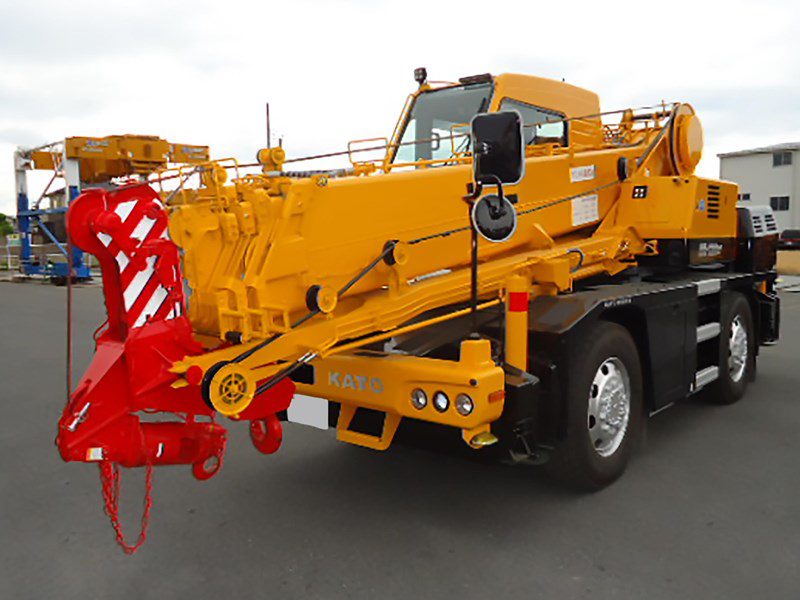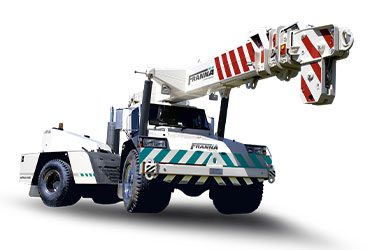
Crane operations are essential for modern construction, enabling the safe and efficient lifting of heavy materials. However, with these capabilities comes inherent risk. Effective risk management is crucial in Mobile Crane Hire and tower crane hire projects to ensure the safety of personnel, protect equipment, and maintain project timelines. By identifying hazards, implementing safety protocols, and using specialized equipment, construction teams can minimize accidents and deliver successful projects.
Understanding Risk in Crane Operations
Cranes are high-value, high-risk machinery. Potential hazards include mechanical failure, improper load handling, operator error, adverse weather conditions, and site constraints. Inadequate risk management can lead to serious injuries, property damage, or costly delays.
The first step in risk management is recognizing that each crane type presents unique challenges. Mobile Crane Hire offers flexibility and rapid deployment but requires careful planning for setup, load calculations, and ground stability. Tower cranes, while providing unmatched vertical lifting capacity, demand rigorous long-term site planning and continuous safety monitoring.
Key Risk Factors in Mobile Crane Hire Projects
Mobile cranes are frequently moved between sites, making site assessment and preparation critical. Contractors must evaluate:
- Ground Conditions: Soft or uneven terrain increases the risk of tipping. Outriggers and mats must be correctly placed to stabilize the crane.
- Load Capacity: Exceeding load limits can lead to structural failure. Operators must use load charts and precise calculations for each lift.
- Operator Competence: Skilled operators are essential to prevent accidents. Certification, experience, and ongoing training reduce human error.
- Environmental Hazards: Wind, rain, and other weather conditions can affect lift stability. Risk assessments should consider real-time weather monitoring.
Professional mobile crane hire providers include these considerations in their operational protocols, ensuring safer projects from start to finish.
Tower Crane Risk Management
Tower cranes present different challenges due to their height and long-term presence on-site. Key risk management practices include:
- Structural Integrity: Regular inspections of crane components such as slewing mechanisms, hoists, and rigging are vital.
- Site Planning: Tower cranes must be positioned to avoid overhead obstacles, public areas, and other site activities.
- Exclusion Zones: Establishing restricted areas beneath lifting paths reduces the risk to workers and pedestrians.
- Communication Systems: Operators, riggers, and site supervisors must maintain clear communication to coordinate lifts safely.
By addressing these factors, tower crane hire operations can minimize accidents and maintain efficient construction workflows.
Integrating Luffing Crane Hire for Risk Mitigation
In congested urban sites or projects with height restrictions, luffing crane hire offers an effective solution to reduce risk. Luffing cranes feature a variable jib angle, allowing vertical lifts with minimal horizontal swing. This reduces the potential for oversailing nearby structures, traffic, or active work zones.
Using luffing cranes is particularly valuable for high-rise projects, narrow sites, or complex urban developments. Their design not only improves operational safety but also enhances precision when positioning heavy loads, complementing other crane operations on-site.
Risk Assessment and Lift Planning
A thorough risk assessment is the cornerstone of effective crane project management. Every lift should have a documented lift plan detailing:
- Load weight, type, and balance
- Crane configuration and positioning
- Ground conditions and environmental factors
- Potential hazards and mitigation strategies
For high-risk lifts, such as tandem or exceptionally heavy loads, engineered lift studies may be required. These assessments provide a step-by-step plan for executing lifts safely and allow contractors to anticipate challenges before they occur.
Operator Training and Safety Culture
Even the most advanced cranes are only as safe as the operators controlling them. Continuous training in crane operation, site safety protocols, and emergency procedures is critical. Operators should be familiar with the specific capabilities and limitations of mobile, tower, and luffing cranes.
Building a safety culture on construction sites ensures that all personnel riggers, dogmen, supervisors, and operators are aware of hazards and follow procedures. Regular toolbox talks, safety briefings, and drills reinforce safe practices and improve overall project safety.
Equipment Maintenance and Compliance
Regular maintenance and inspection of cranes are essential to reduce mechanical failure risks. Mobile and tower crane hire providers perform routine servicing, check hydraulic systems, inspect cables, and ensure all safety devices function correctly. Compliance with national safety standards and regulations is non-negotiable, providing peace of mind for contractors and clients alike.
Conclusion
Effective risk management is central to the success of Mobile Crane Hire and tower crane hire projects. By understanding site-specific hazards, implementing lift plans, maintaining equipment, and fostering a strong safety culture, contractors can minimize risks and protect personnel, equipment, and project schedules.
Integrating luffing crane hire into projects with space constraints or height challenges further enhances operational safety and precision. Together, these strategies enable construction teams to manage complex lifting operations efficiently while maintaining the highest safety standards.