Selecting the right crane for a construction project is a critical decision that directly affects efficiency, safety, and overall costs. Among the most commonly used lifting solutions are mobile crane hire and tower crane hire. Each option offers unique advantages depending on the project’s scale, duration, and site conditions. Understanding the differences between these two crane types helps construction managers, contractors, and developers make informed decisions that keep projects running smoothly.
Understanding Mobile Crane Hire
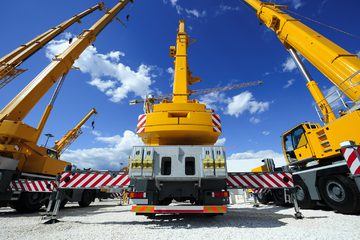
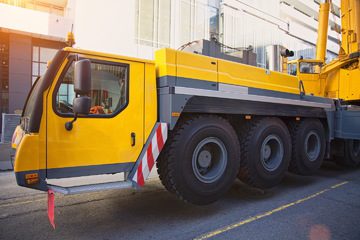
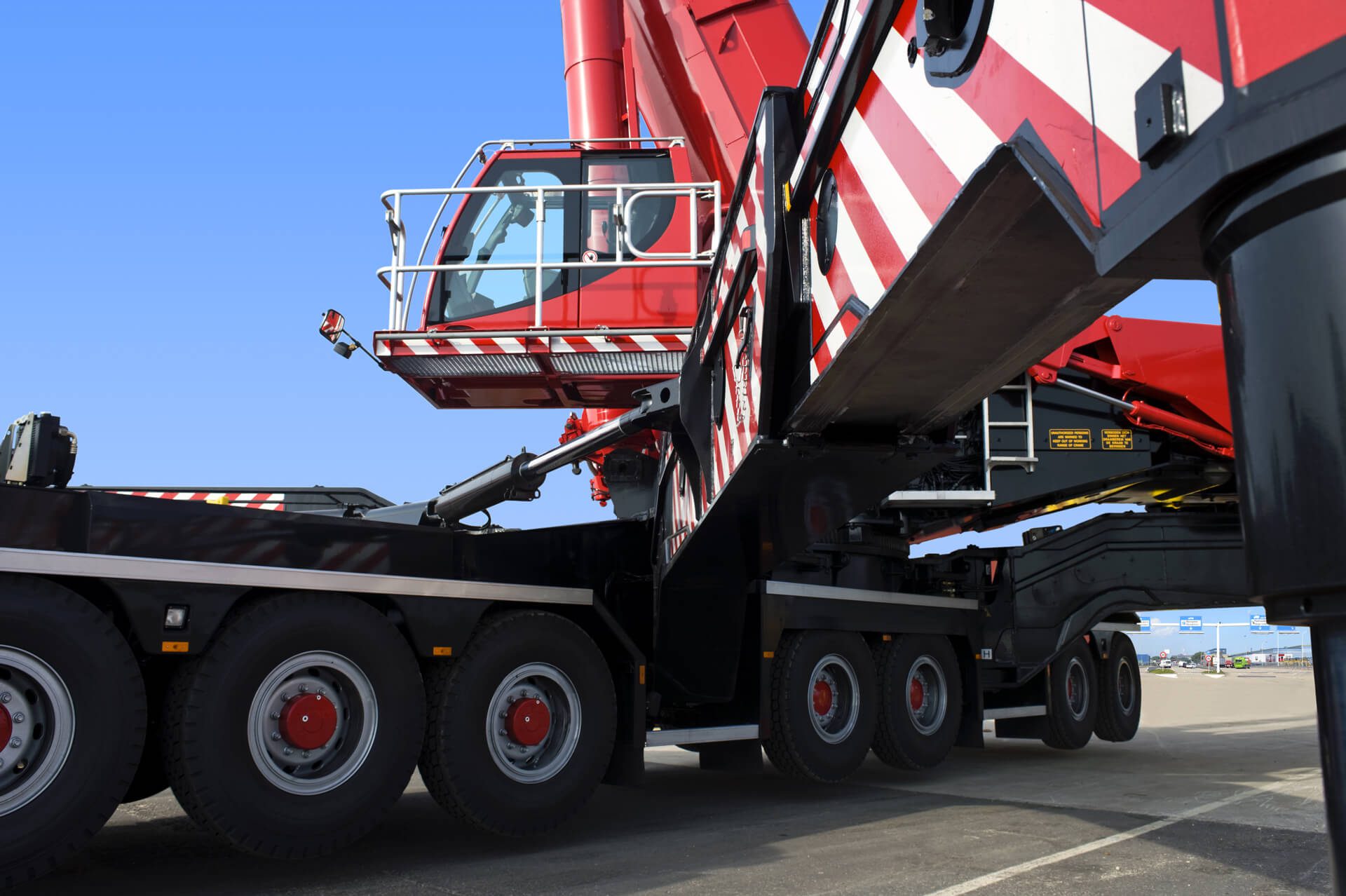
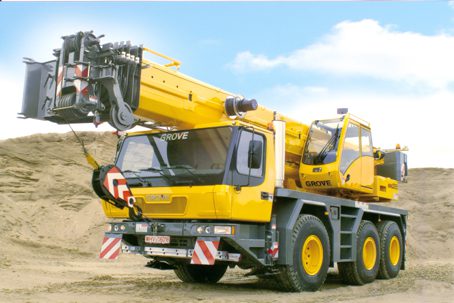
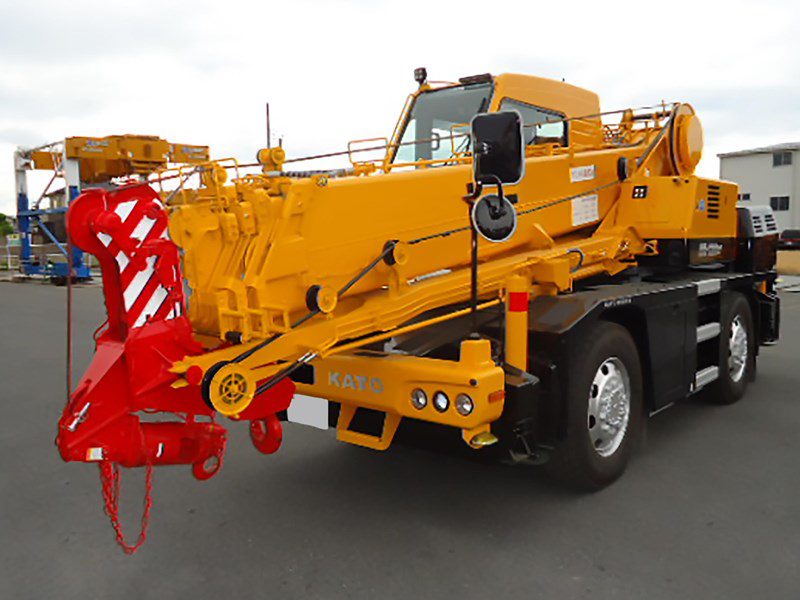
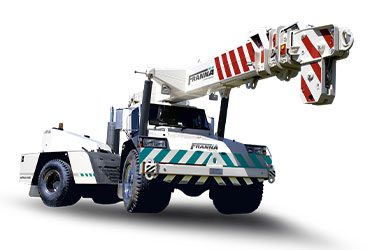
Mobile cranes are versatile lifting machines mounted on wheeled or tracked vehicles. They are designed for quick transportation and easy setup, making them a popular choice for short-term and medium-scale projects.
One of the biggest benefits of mobile crane hire is flexibility. These cranes can be driven directly to the site and set up within hours rather than days. This makes them ideal for projects where lifting needs change frequently or where work must be completed quickly.
Mobile cranes are also well-suited for sites with limited space or varying terrain. Their mobility allows operators to reposition the crane easily as the project progresses. From lifting steel beams and HVAC units to handling prefabricated materials, mobile cranes offer reliable performance across a wide range of applications.
Understanding Tower Crane Hire
Tower cranes are a familiar sight on large construction sites, especially in urban areas. These cranes are fixed to the ground or attached to a building structure and are designed to lift heavy loads to great heights.
Tower crane hire is best suited for long-term projects such as high-rise buildings, commercial complexes, and major infrastructure developments. Once installed, tower cranes provide consistent lifting power throughout the project’s duration.
One of the main strengths of tower cranes is their height and reach. They can lift materials vertically and horizontally across large construction areas, reducing the need for frequent repositioning. This makes them highly efficient for projects requiring continuous lifting at significant heights.
Key Differences Between Mobile and Tower Cranes
The most noticeable difference between mobile crane hire and tower crane hire lies in mobility. Mobile cranes are designed to move easily between sites and within the same project area, while tower cranes remain fixed once installed.
Setup time is another important factor. Mobile cranes can often be operational on the same day they arrive on-site. In contrast, tower cranes require detailed planning, foundations, and assembly, which can take several days or weeks.
Project duration also plays a major role in crane selection. Mobile cranes are cost-effective for short-term or intermittent lifting needs. Tower cranes, while more expensive upfront, become economical for long-term projects where continuous lifting is required.
Cost Considerations
Cost is always a key concern in construction planning. Mobile crane hire generally involves lower initial costs, especially for short projects. You pay for the crane only when it is needed, which helps control budgets for smaller or fast-moving jobs.
Tower crane hire involves higher setup and dismantling costs. However, for large-scale projects that span months or years, these costs are spread over time, making tower cranes a cost-effective solution in the long run.
Maintenance, operator requirements, and site preparation should also be factored into cost comparisons. Tower cranes often require more extensive planning and skilled operators, while mobile cranes offer simpler operational requirements.
Safety and Site Requirements
Both crane types are designed with safety in mind, but site conditions greatly influence which option is safer. Mobile cranes are ideal for sites where ground conditions can support the crane’s weight and where space allows for safe maneuvering.
Tower cranes require stable foundations and careful engineering assessments. Once installed, they provide a stable and controlled lifting environment, especially for high-rise construction. However, wind conditions and surrounding structures must be carefully monitored.
Choosing the right crane helps reduce risks, improve workflow, and maintain compliance with safety regulations.
Which Crane Is Right for Your Project?
The decision between mobile crane hire and tower crane hire depends on several factors. For short-term projects, tight schedules, or sites requiring flexibility, mobile cranes are often the best choice. They offer quick setup, easy relocation, and adaptability.
For large, long-term projects involving significant heights and heavy loads, tower cranes provide unmatched efficiency and reach. Their ability to service wide areas without constant repositioning makes them indispensable for major construction works.
Evaluating project scope, budget, site constraints, and lifting requirements ensures the chosen crane supports productivity rather than creating delays.
Final Thoughts
Both mobile crane hire and tower crane hire play vital roles in modern construction. Neither option is universally better; the right choice depends on the specific needs of your project. Mobile cranes deliver flexibility and speed, while tower cranes offer strength and consistency for large-scale developments.
By understanding the strengths and limitations of each lifting solution, construction professionals can make confident decisions that enhance efficiency, safety, and project success.