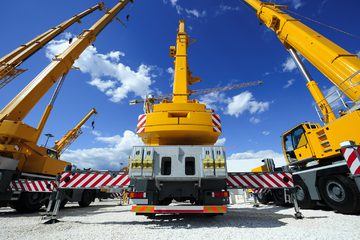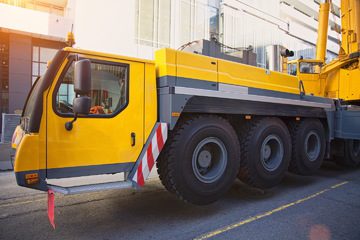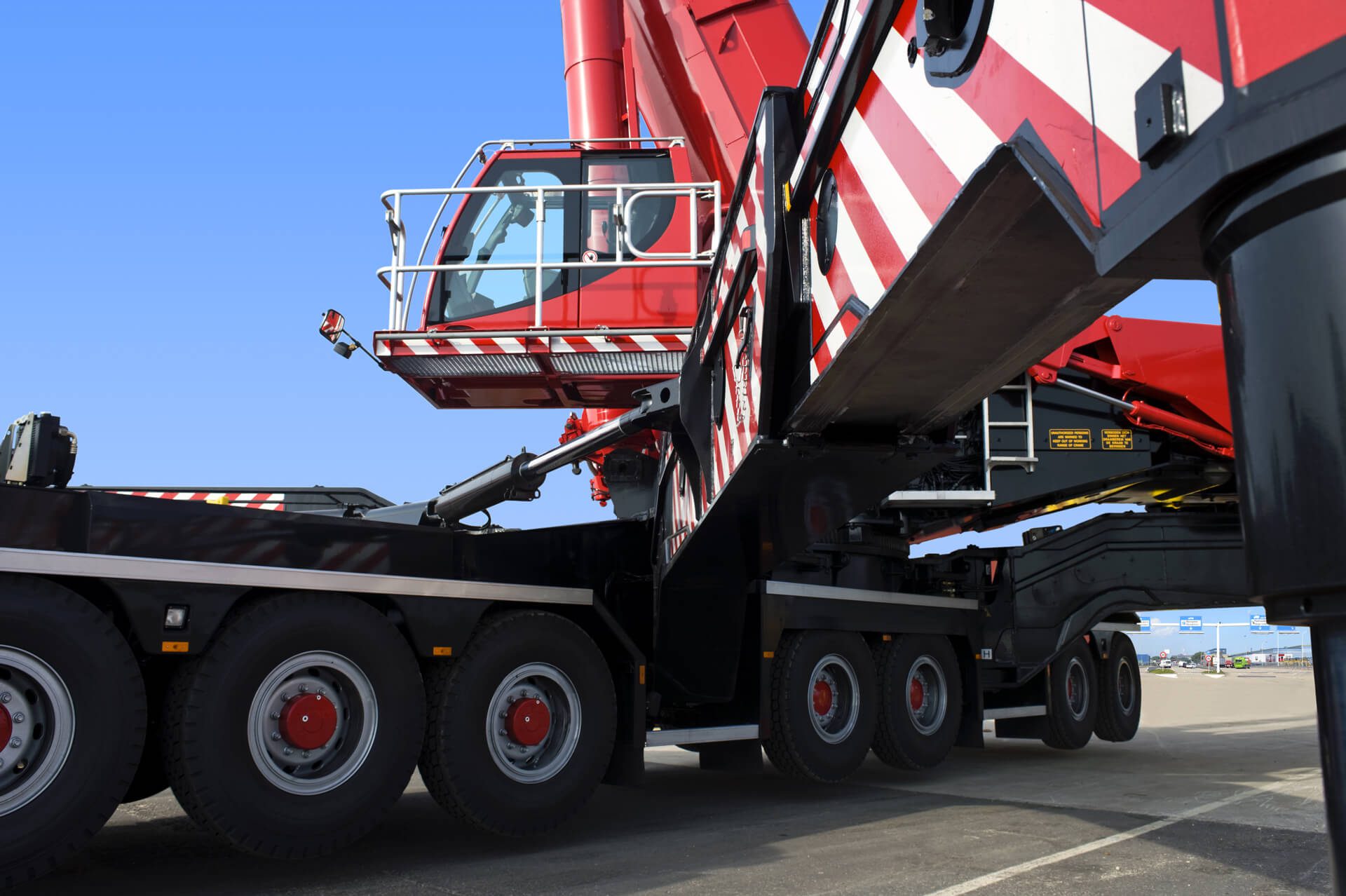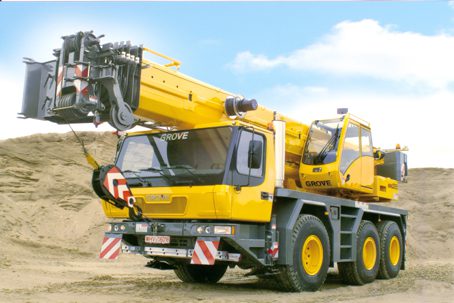
The Australian construction landscape is undergoing a dramatic transformation, with projects scaling new heights and infrastructure demands pushing the boundaries of engineering capability. At the center of this evolution lies a critical yet often overlooked component: the strategic deployment of lifting equipment through specialized hire services. As urban centers densify and regional development accelerates, understanding the mechanisms and economics of crane deployment has become essential for project managers, developers, and infrastructure planners navigating an increasingly complex regulatory and operational environment.
Understanding the Mobile Crane Hire Framework
Mobile crane hire represents a fundamental shift in how Australian construction projects approach heavy lifting requirements. Rather than purchasing equipment outright—an investment that can run into millions of dollars—contractors and builders engage specialized operators who provide both machinery and certified personnel on a project-specific basis. This model has become the industry standard across Australia, from metropolitan developments in Sydney and Melbourne to infrastructure projects spanning the vast distances of regional territories.
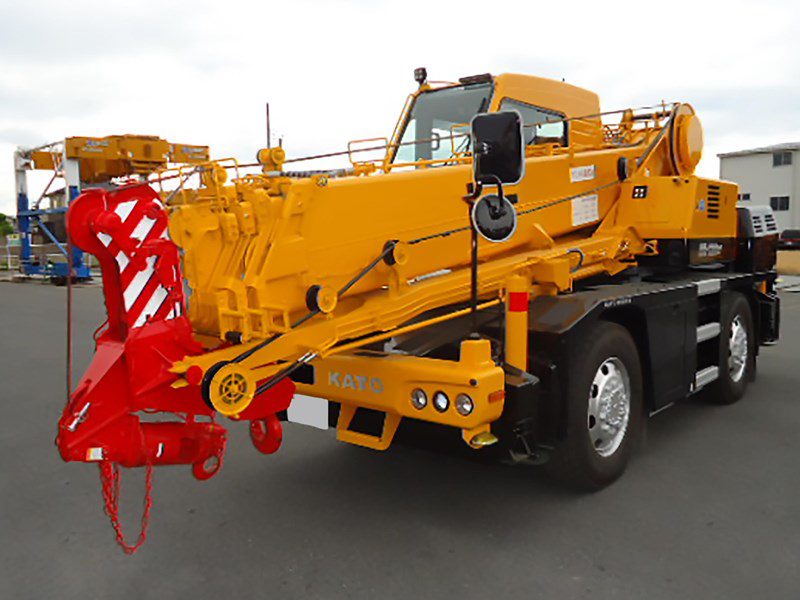
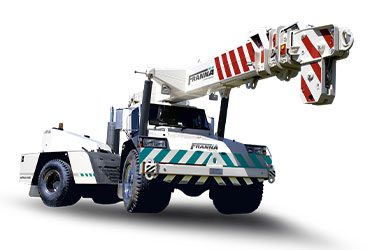
The system operates through a network of specialized companies maintaining fleets of hydraulic cranes mounted on wheeled carriers. These machines range from compact units capable of navigating residential streets to massive all-terrain models that can lift hundreds of tonnes. When a construction project requires lifting capability, project managers engage these services through contracts that specify duration, capacity requirements, and operational parameters. The hire arrangement typically includes not just the equipment itself but also certified operators, transport logistics, and often site assessment services to ensure compliance with workplace safety regulations.
What distinguishes mobile crane hire from simple equipment rental is the comprehensive service model. Operators arrive with intimate knowledge of load charts, ground bearing pressures, and the physics of dynamic lifting. They assess site conditions, plan lift sequences, and execute operations under the stringent requirements established by Safe Work Australia and state-based regulators. This expertise proves invaluable as Australian construction sites navigate increasingly complex safety frameworks and technical demands.
The Technical Landscape of Lifting Solutions
The distinction between mobile and fixed lifting solutions illuminates fundamental differences in construction methodology. While mobile crane hire dominates short-term, varied lifting requirements, certain projects demand alternative approaches. Tower crane hire southern highlands projects, for instance, often necessitate fixed installations when vertical construction extends over extended timeframes. These static cranes, anchored to building structures or freestanding bases, provide continuous lifting capability for high-rise developments where mobile units cannot efficiently reach upper floors.
The technical specifications governing crane selection involve intricate calculations. Engineers must consider load weights, radius distances, ground conditions, and surrounding obstacles. Mobile cranes excel in flexibility—they can be deployed rapidly, repositioned as needed, and removed when requirements change. A single mobile unit might service multiple lift points across a site within hours, making them economically efficient for projects with distributed lifting needs.
Conversely, tower installations become cost-effective when lifting operations span months or years. The southern highlands region of New South Wales, experiencing residential and commercial growth, exemplifies this dynamic. Projects in areas like Bowral and Mittagong increasingly require tower crane hire southern highlands specialists can provide for multi-story developments, while simultaneously relying on mobile crane hire for supporting infrastructure work, material deliveries, and auxiliary lifting tasks.
Regulatory Architecture and Safety Imperatives
Australia’s construction industry operates under some of the world’s most rigorous safety frameworks. The model Work Health and Safety regulations, implemented across states and territories, establish comprehensive requirements for high-risk construction work. Crane operations fall squarely within this classification, triggering mandatory licensing, certification, and operational controls.
Under current regulations, crane operators must hold high-risk work licenses issued by state regulators, with classifications specific to crane types and capacities. Companies providing mobile crane hire services maintain not only equipment certifications but also comprehensive insurance coverage, inspection records, and documented maintenance schedules. The regulatory burden extends beyond operators to include dogmen—workers who direct lifting operations from ground level—who must also hold appropriate licenses.
Standards Australia maintains the AS 1418 series, which governs crane design, installation, and operation. These technical standards, developed in conjunction with New Zealand counterparts, establish load testing requirements, inspection intervals, and operational limitations. Compliance is not optional; Safe Work authorities across Australian jurisdictions conduct audits and investigations, with serious penalties for breaches. This regulatory environment has pushed mobile crane hire providers toward sophisticated fleet management systems that track maintenance schedules, operator certifications, and compliance documentation in real time.
Economic Considerations and Project Planning
The financial calculus driving mobile crane hire adoption reflects broader construction industry economics. Capital expenditure on crane purchases represents a significant balance sheet commitment, particularly for smaller contractors and builders. A single all-terrain mobile crane can cost upwards of two million dollars, before factoring in maintenance, insurance, operator salaries, and storage costs. For most construction businesses, this investment makes economic sense only when utilization rates remain consistently high.
The hire model transfers these fixed costs into variable project expenses. Contractors pay for lifting capability only when needed, scaling capacity up or down as project phases evolve. This flexibility proves particularly valuable in Australia’s cyclical construction market, where activity levels fluctuate with economic conditions and government infrastructure spending. During downturns, companies relying on owned equipment face ongoing costs without corresponding revenue, while those utilizing mobile crane hire services simply reduce their engagement as project volumes decline.
Project timelines further influence these decisions. Major infrastructure developments might justify dedicated equipment, but the majority of Australian construction projects operate on compressed schedules where rapid mobilization and demobilization prove critical. Mobile crane hire services can typically deploy equipment within days of engagement, a responsiveness that owned fleets struggle to match when equipment sits committed to other projects or requires transport from distant locations.
Technology Integration and Future Trajectories
The mobile crane hire sector is experiencing technological disruption that mirrors broader construction industry trends. Load monitoring systems now provide real-time data on crane capacity utilization, wind speeds, and stability parameters. Telematics platforms track equipment location, operating hours, and maintenance requirements, feeding data into predictive maintenance algorithms that reduce downtime and enhance safety margins.
Remote monitoring capabilities allow supervisors to observe multiple lifting operations simultaneously, even across geographically dispersed sites. This technology proves particularly relevant in regional Australia, where projects may span vast areas and face logistical challenges. Advanced hydraulic systems have increased lifting capacity while reducing fuel consumption, addressing both economic and environmental considerations as the construction sector faces mounting pressure to reduce carbon emissions.
Looking forward, automation looms as the next frontier. While fully autonomous crane operations remain distant, assisted technologies—collision avoidance systems, automated load positioning, and computer-aided lift planning—are becoming standard features. These advancements promise to further enhance safety outcomes while potentially addressing skilled operator shortages that periodically constrain industry capacity.
Navigating the Operational Landscape
For construction professionals navigating crane requirements, success hinges on early engagement with specialist providers. Site assessments, conducted well before concrete pours or steel erection schedules commence, identify ground conditions, access constraints, and potential complications. This planning phase determines whether mobile crane hire suffices or whether projects require supplementary solutions.
The Australian construction industry’s maturation has produced a sophisticated ecosystem where mobile crane hire providers collaborate with engineers, project managers, and safety consultants to optimize lifting strategies. This collaborative approach, reinforced by stringent regulatory oversight and advancing technology, ensures that even as projects grow more ambitious and complex, the fundamental task of safely moving materials and components proceeds with remarkable efficiency and reliability.