The construction and infrastructure landscape across Sydney has undergone significant transformation over the past decade, driven by population growth, urban densification, and an ambitious pipeline of public and private development projects. At the centre of this expansion lies a critical but often overlooked component of project delivery: the strategic deployment of lifting equipment. Understanding the cost structures and market dynamics surrounding mobile crane hire has become essential knowledge for project managers, developers, and contractors navigating Australia’s most competitive construction market.
The Strategic Role of Mobile Cranes in Urban Development
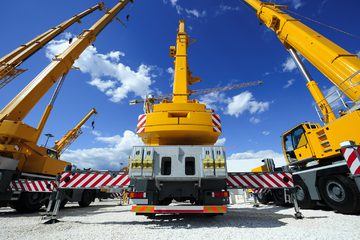
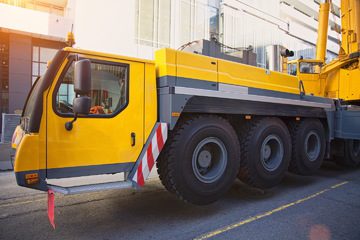
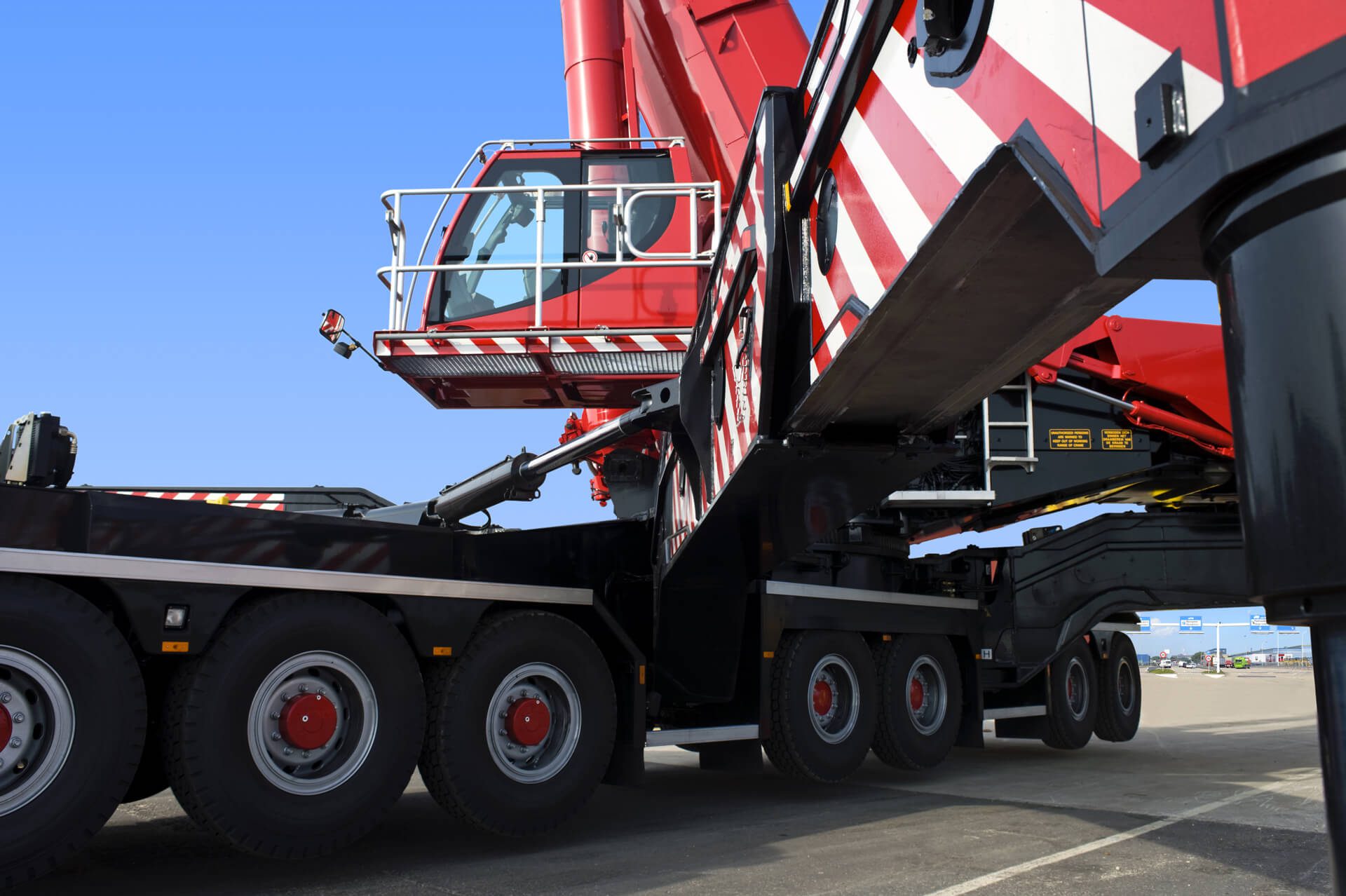
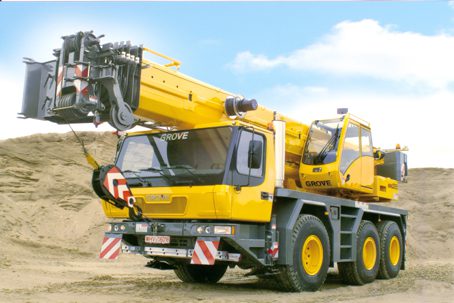
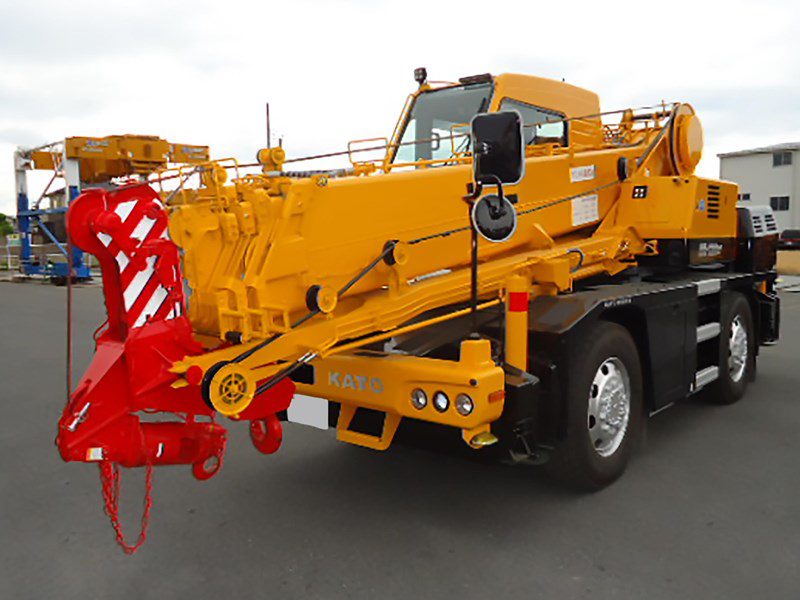
Mobile crane hire represents a fundamental operational consideration for construction projects across metropolitan Sydney and surrounding regions. These versatile machines serve as the backbone of material handling operations, from residential developments in Parramatta to commercial high-rises in Barangaroo and infrastructure upgrades stretching from the Northern Beaches to the Southern Highlands. The equipment’s mobility and adaptability make it particularly suited to the spatial constraints and logistical challenges inherent in dense urban environments.
The Australian construction sector has increasingly relied on hire arrangements rather than equipment ownership, reflecting broader trends toward capital efficiency and operational flexibility. This shift has created a sophisticated market where pricing structures reflect not merely equipment specifications but also project duration, site accessibility, operator qualification requirements, and regional demand fluctuations. Industry analysis suggests that hire costs can vary substantially based on these factors, with daily rates potentially ranging from modest amounts for smaller units to several thousand dollars for specialized heavy-lift equipment.
Cost Determinants in the Sydney Market
Several interconnected variables influence mobile crane hire pricing across the Sydney basin. Equipment capacity stands as the primary factor, with cranes categorized by their maximum lifting capacity measured in tonnes. Smaller mobile units suitable for residential construction or light commercial work typically command lower daily rates than larger machines required for structural steel installation or precast concrete placement on major projects.
Project location significantly impacts final costs. Sites within metropolitan Sydney generally benefit from competitive pricing due to equipment availability and reduced mobilization distances. However, projects in regional areas including the Blue Mountains, Central Coast, or extending toward centres such as Wollongong and Newcastle may incur additional transportation charges. The Southern Highlands presents a particularly interesting case study, where growing residential and agricultural infrastructure development has increased demand for specialized equipment including franna crane hire southern highlands, with pricing reflecting both distance from major equipment depots and the specific terrain challenges characteristic of the region.
Duration of hire introduces another pricing dimension. Short-term engagements, whether measured in hours or single days, typically reflect premium daily rates that account for mobilization costs and lost opportunity for alternative bookings. Extended hire arrangements spanning weeks or months often feature negotiated rate structures that reduce per-day costs while providing hire companies with revenue certainty. This pricing architecture encourages longer-term planning and can substantially affect project budgeting for developments with extended timelines.
Regulatory Framework and Compliance Costs
The Australian regulatory environment surrounding crane operations imposes rigorous standards that directly influence hire arrangements and associated costs. WorkSafe authorities across states, including SafeWork NSW, enforce comprehensive licensing requirements for crane operators. High-risk work licenses specific to various crane categories ensure operators possess demonstrated competency in equipment operation, load calculation, and site safety protocols.
Equipment suppliers must maintain compliance with Australian Standards, particularly AS 2550 series covering crane operations and AS 1418 addressing crane design and construction. Regular inspections, maintenance schedules, and documentation requirements add operational overheads that factor into hire rates. Major hire companies invest substantially in maintaining certification currency and equipment condition, costs ultimately reflected in market pricing.
The construction industry’s heightened focus on workplace safety following several high-profile incidents has intensified regulatory scrutiny. This environment has elevated the importance of properly certified equipment and qualified operators, sometimes creating supply constraints during peak construction periods. Project managers increasingly recognize that competitive pricing must be balanced against compliance assurance and safety performance, with the lowest bid not necessarily representing optimal value when regulatory risk is properly assessed.
Technological Innovation and Market Evolution
Recent years have witnessed significant technological advancement in mobile crane design and operation. Modern units increasingly feature computer-assisted load moment indication systems, wireless remote controls, and sophisticated stability monitoring that enhance both safety and operational efficiency. These technological improvements represent substantial capital investment for hire companies, influencing equipment acquisition decisions and depreciation schedules that ultimately affect pricing structures.
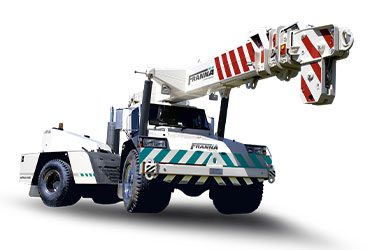
The emergence of specialized crane variants has created market segmentation. Franna cranes, characterized by their pick-and-carry capability and compact footprint, have found particular application in space-constrained sites and projects requiring frequent repositioning. Their popularity in regional markets, including growing demand for franna crane hire southern highlands applications, reflects their versatility for residential construction, agricultural infrastructure, and maintenance operations where larger cranes prove impractical or economically inefficient.
Digital platforms have begun transforming how construction firms approach mobile crane hire, with online marketplaces increasing price transparency and potentially compressing margins for hire companies. This technological disruption parallels developments across various equipment hire categories, though the complexity of crane operations and the critical importance of operator qualification have limited purely commoditized pricing models.
Market Dynamics and Future Considerations
Sydney’s construction pipeline, featuring major infrastructure projects including the Western Sydney Airport, metro rail extensions, and ongoing residential development, continues driving sustained demand for lifting equipment. This demand profile supports a competitive but relatively stable pricing environment, though seasonal fluctuations and project concentration can create temporary supply constraints that elevate short-term rates.
The industry faces several emerging challenges that may influence future cost structures. Skilled operator shortages across the construction trades, including qualified crane operators, periodically constrain equipment availability regardless of physical fleet capacity. Environmental considerations, including pressure to reduce construction sector emissions, may accelerate adoption of electric or hybrid crane technologies, potentially affecting long-term hire economics.
For construction professionals navigating this market, understanding these interconnected factors proves essential for accurate project costing and risk management. The decision surrounding mobile crane hire extends beyond simple rate comparison to encompass compliance assurance, operational reliability, and strategic alignment with project requirements. As Sydney’s built environment continues its evolution, the sophisticated market for construction equipment hire will remain a critical enabler of urban transformation, with pricing structures reflecting the complex interplay of technology, regulation, and market forces shaping Australia’s construction sector.