For contractors working on construction, infrastructure, and industrial projects, selecting the right lifting equipment is a critical decision. Cranes are essential for moving heavy materials safely and efficiently, but choosing between mobile crane hire and tower crane hire depends on the scope, scale, and duration of the job. Understanding how each crane type works and when to use them helps contractors improve productivity, maintain safety standards, and manage project costs effectively.
Understanding Mobile Crane Hire
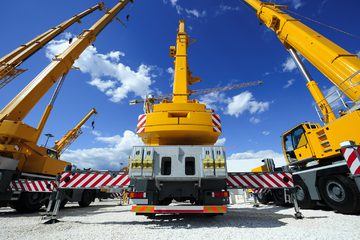
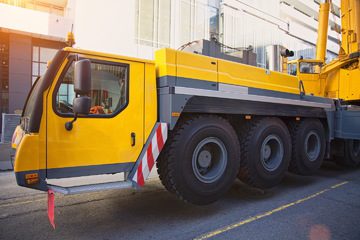
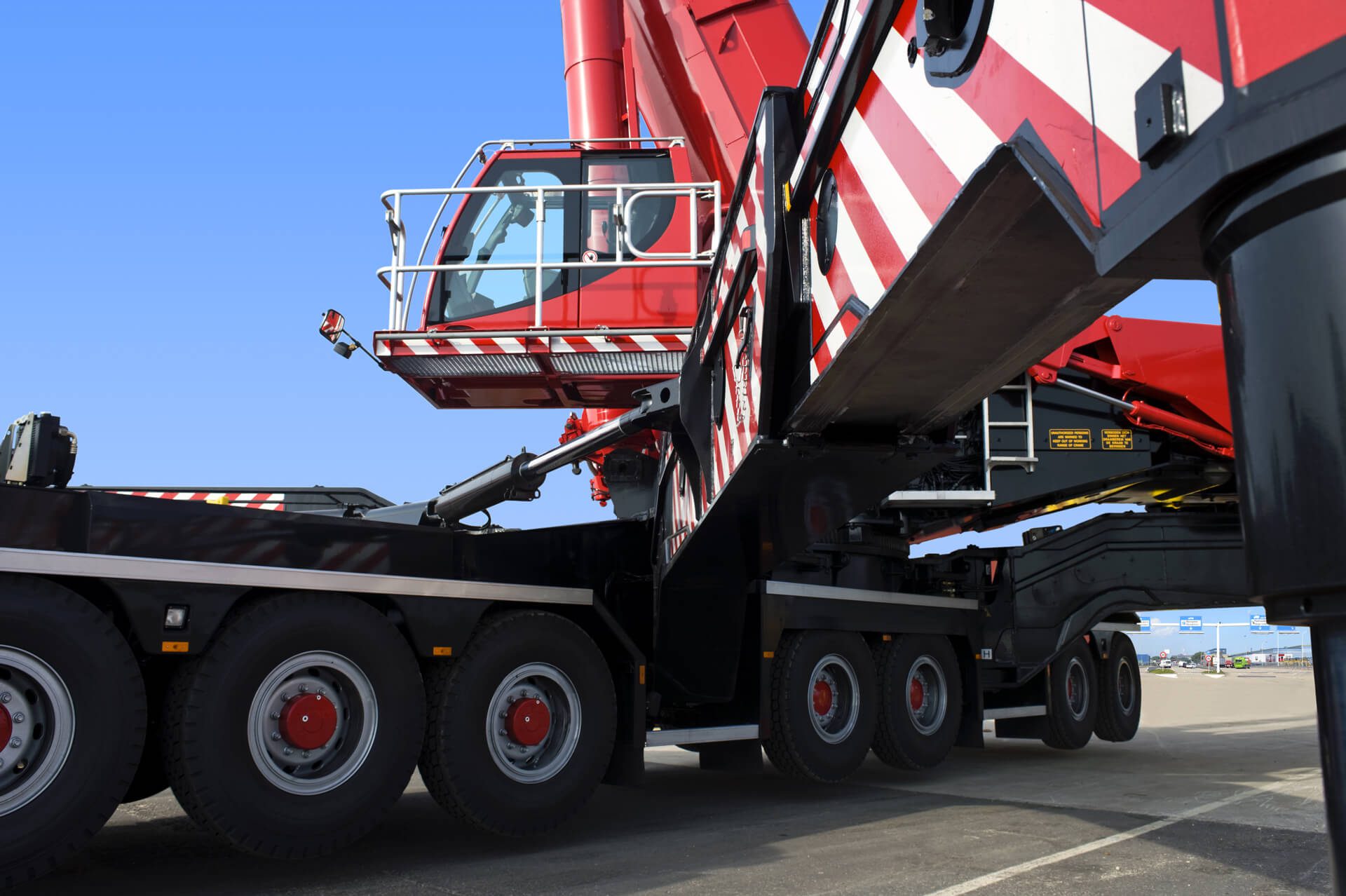
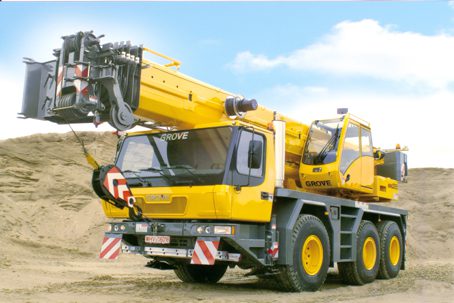
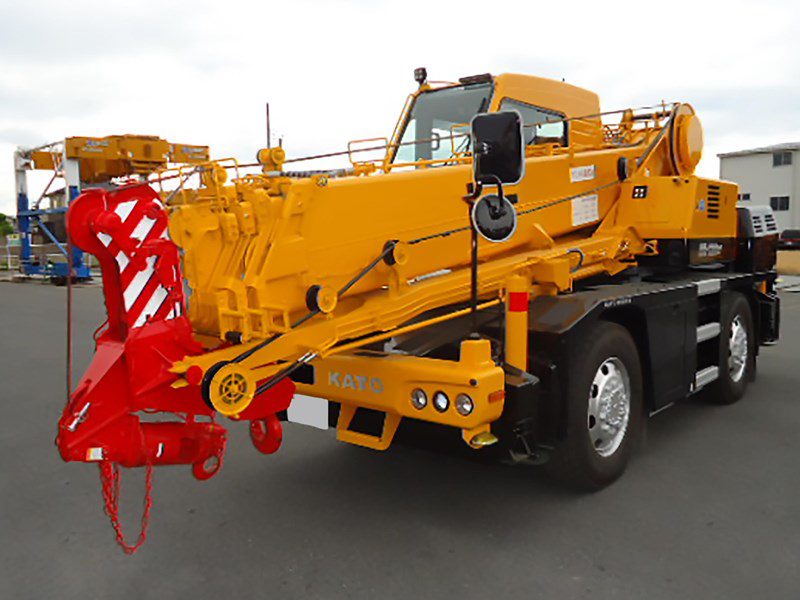
Mobile cranes are among the most versatile lifting solutions available to contractors. Mounted on wheeled or tracked vehicles, these cranes can be transported easily between sites and set up quickly. This mobility makes mobile crane hire ideal for projects that require frequent repositioning or short-term lifting support.
Mobile cranes are commonly used for structural steel installation, equipment placement, precast panel lifting, and general construction tasks. Their flexibility allows contractors to respond quickly to changing site conditions, which is particularly useful on dynamic or fast-paced projects.
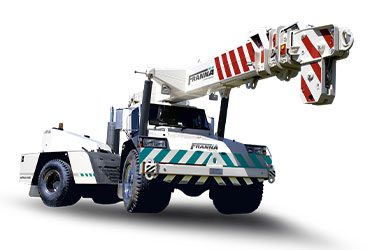
In urban and suburban developments, franna crane hire western sydney is a popular choice. Franna cranes, a type of mobile crane, are designed to lift and carry loads over short distances without the need for additional transport equipment. This capability makes them especially valuable on busy worksites with limited space.
The Advantages of Franna Cranes for Contractors
Franna cranes are well known for their efficiency and ease of use. Unlike larger mobile cranes, Frannas do not require extensive setup or outriggers for many lifts, allowing contractors to complete tasks quickly. This makes them ideal for repetitive lifts, such as moving materials around a site or loading and unloading deliveries.
For contractors operating in metropolitan areas, franna crane hire western sydney offers a practical solution for projects where speed and maneuverability are essential. These cranes are commonly used in commercial construction, warehouses, and industrial facilities where access and space constraints are a challenge.
Exploring Tower Crane Hire
Tower cranes are a cornerstone of large-scale and high-rise construction projects. Fixed to the ground or attached to the structure itself, tower cranes provide exceptional height, reach, and load capacity. Contractors rely on tower crane hire when working on multi-story buildings or long-term projects that require continuous lifting support.
Once installed, a tower crane becomes a permanent fixture on the site, capable of lifting heavy materials such as steel beams, formwork, concrete panels, and prefabricated modules. This consistent lifting capability helps maintain steady progress throughout the construction lifecycle.
Tower crane hire also improves site organization. By delivering materials directly to elevated work areas, tower cranes reduce ground-level congestion and minimize the need for additional handling equipment.
Comparing Mobile and Tower Crane Hire
For contractors, the choice between mobile and tower crane hire often comes down to project requirements. Mobile cranes offer flexibility, fast setup, and mobility, making them suitable for short-term tasks and varied lifting needs. Tower cranes, on the other hand, provide long-term lifting solutions for vertical construction with significant height and load demands.
Many large projects benefit from using both crane types. Mobile cranes may be used during site preparation and final stages, while tower cranes handle the bulk of vertical lifting during the main construction phase. This combined approach allows contractors to maximize efficiency and reduce downtime.
Safety and Compliance on Construction Sites
Safety is a major concern for contractors, particularly when working with heavy loads and operating at height. Professional crane hire services support safe operations by providing well-maintained equipment and qualified operators who understand site-specific risks.
Modern cranes are equipped with advanced safety systems, including load indicators, stability controls, and precise lifting mechanisms. These features help contractors meet safety regulations and protect workers from potential hazards.
Using reputable hire services, including franna crane hire western sydney providers, ensures compliance with local standards and reduces the risk of accidents or project delays.
Cost Efficiency and Project Planning
Owning cranes involves significant capital investment, ongoing maintenance, and storage costs. Crane hire offers contractors a cost-effective alternative, allowing access to the right equipment without long-term financial commitment.
Mobile crane hire is ideal for short-duration or specialized lifts, while tower crane hire provides value for extended projects. This flexibility allows contractors to allocate budgets more efficiently and adapt equipment choices as project needs evolve.
Supporting Modern Construction Methods
Modern construction increasingly relies on prefabrication and modular building techniques. These methods require precise lifting and placement of large components, making crane hire an essential part of the process.
Mobile cranes and tower cranes support these techniques by enabling accurate, controlled lifts that improve build quality and reduce waste. In growing urban regions, services like franna crane hire western sydney continue to play an important role in supporting efficient and sustainable construction practices.
Conclusion
For contractors, understanding the differences between mobile crane hire and tower crane hire is key to successful project delivery. Mobile cranes offer flexibility and quick deployment, while tower cranes provide the height and lifting capacity needed for large-scale builds. Together, they form a comprehensive lifting strategy that supports safety, efficiency, and cost control.
With reliable options such as franna crane hire western sydney, contractors can confidently manage complex lifting tasks and keep projects moving forward in today’s demanding construction environment.