For project managers overseeing construction and infrastructure projects, effective lifting solutions are essential to maintaining schedules, controlling costs, and ensuring safety. Cranes are not simply pieces of equipment; they are strategic assets that influence logistics, sequencing, and workforce productivity. Understanding how to evaluate and manage tower crane hire and mobile crane services is therefore a critical skill for modern project managers.
From early planning to on-site execution, informed crane hire decisions can significantly impact overall project performance.
Understanding the Difference Between Mobile and Tower Cranes
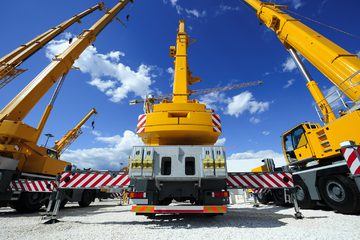
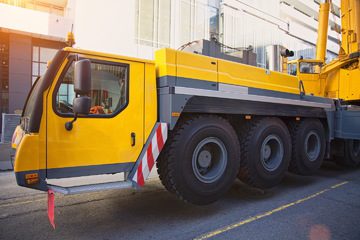
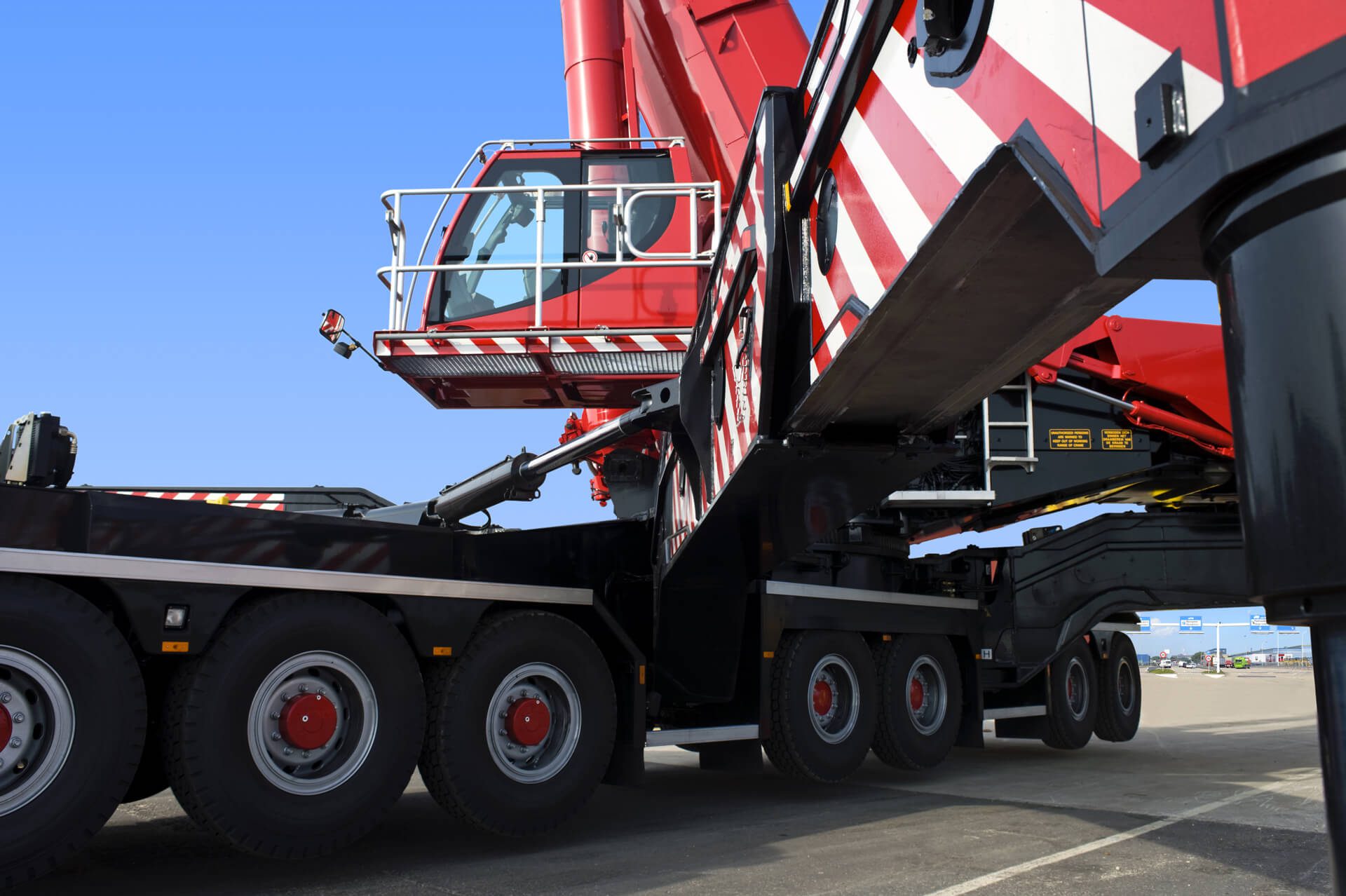
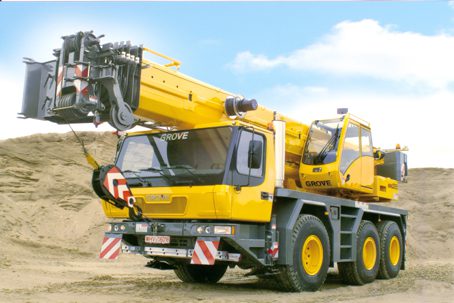
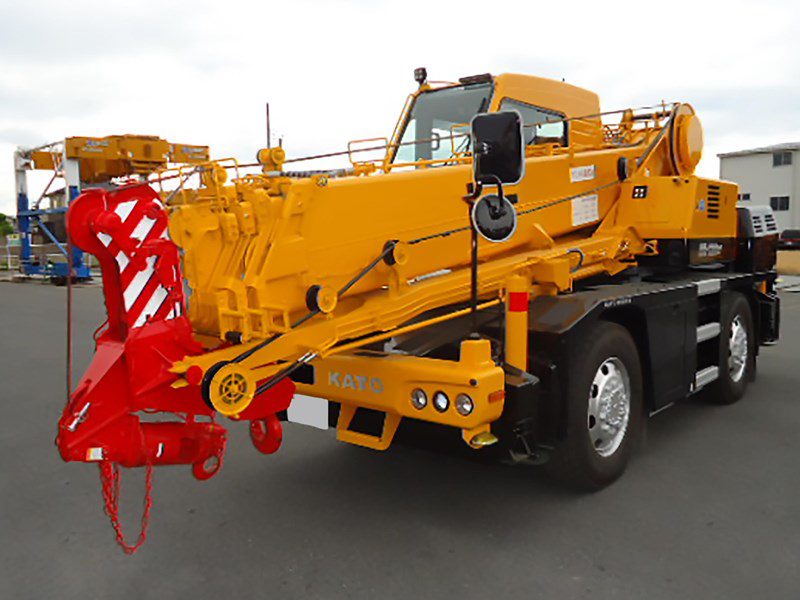
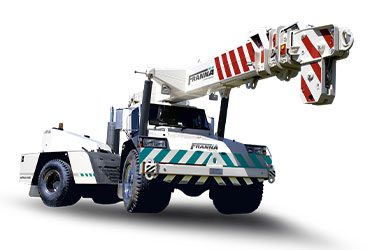
Project managers must first understand the functional differences between mobile cranes and tower cranes. Mobile cranes offer flexibility, quick mobilisation, and suitability for short-term or variable lifting tasks. They are commonly used for steel erection, equipment placement, and staged construction activities.
Tower cranes, by contrast, are fixed or climbing structures designed for long-term projects requiring continuous lifting capacity. Tower crane hire is particularly effective for multi-storey developments, infrastructure works, and sites with limited ground space, where vertical lifting and wide coverage are essential.
Selecting the correct crane type—or a combination of both—is foundational to effective project planning.
Early Planning and Crane Strategy
Crane strategy should be developed during the earliest stages of project planning. Delaying crane decisions can result in inefficient layouts, access issues, and costly program revisions.
Experienced crane hire providers support project managers by conducting site assessments, reviewing drawings, and participating in constructability reviews. This early collaboration ensures crane positioning, reach, and capacity align with the project’s structural sequence and logistics plan.
For regional developments utilising crane hire southern highlands, local conditions such as terrain, access roads, and weather patterns must also be considered to avoid delays and inefficiencies.
Budgeting and Cost Control Considerations
Crane hire represents a significant cost component in most construction projects. Project managers must balance upfront hire costs against long-term efficiency and risk mitigation.
While tower crane hire may involve higher initial expenditure compared to mobile cranes, it often delivers greater value on long-duration projects by reducing labour requirements, improving lift efficiency, and supporting faster construction cycles.
Mobile cranes may be more cost-effective for shorter projects or specialised lifts. A detailed cost-benefit analysis, supported by crane hire specialists, helps project managers make informed financial decisions.
Scheduling and Program Integration
Cranes are integral to project scheduling. Any delay or disruption to lifting operations can have a cascading effect across multiple trades and activities.
Project managers must ensure crane availability aligns with critical path activities. This includes coordinating delivery schedules, lift priorities, and trade access. Tower crane hire provides consistent, predictable lifting capacity, making it easier to integrate into long-term construction programs.
Clear communication between site teams and crane operators is essential to maintaining schedule discipline and avoiding downtime.
Safety Responsibilities and Compliance
Safety is a core responsibility for project managers, and crane operations are among the highest-risk activities on a construction site.
Reputable crane hire providers supply qualified operators, riggers, and lift supervisors who comply with Australian safety standards. They also assist with lift plans, risk assessments, and exclusion zone management.
Project managers must ensure safety procedures are embedded into daily operations, particularly when managing complex lifts or operating in confined environments. This is especially important for projects involving tower crane hire, where height and load complexity increase risk exposure.
Managing Site Logistics and Material Flow
Efficient site logistics are central to project success. Cranes play a pivotal role in moving materials safely and efficiently across the site.
Tower cranes enable just-in-time material delivery, reducing on-site storage and congestion. This improves safety and productivity while supporting lean construction practices. Mobile cranes complement this by handling specific lifts or repositioning materials as required.
For projects using crane hire southern highlands, logistical planning must also account for regional delivery schedules and site access constraints.
Flexibility and Change Management
Construction projects rarely proceed exactly as planned. Design changes, sequencing adjustments, and unforeseen site conditions are common challenges.
Project managers benefit from working with crane hire providers that offer flexibility in equipment configuration, lift planning, and scheduling. The ability to adjust crane operations quickly helps mitigate delays and maintain program momentum.
Tower crane hire providers with strong technical support can adapt crane configurations or introduce supplementary lifting solutions when project requirements change.
Technology and Digital Integration
Modern crane hire increasingly incorporates digital tools that support project management objectives. Lift planning software, BIM integration, and real-time performance monitoring improve accuracy and coordination.
These technologies help project managers visualise crane operations within the broader construction model, identify potential conflicts, and optimise lift sequencing. For long-term tower crane hire, digital planning tools enhance transparency and control throughout the project lifecycle.
Technology-driven crane hire services align well with data-focused project management methodologies.
Selecting the Right Crane Hire Partner
Choosing the right crane hire provider is as important as selecting the right crane. Project managers should evaluate providers based on experience, safety record, fleet quality, and support services.
A reliable provider acts as a collaborative partner, offering technical advice, responsive support, and proactive problem-solving. For regional projects requiring crane hire southern highlands, local knowledge and rapid response capability are key differentiators.
Strong partnerships reduce risk and contribute to smoother project execution.
Long-Term Value of Strategic Crane Hire
Beyond immediate project needs, strategic crane hire decisions contribute to long-term organisational success. Efficient lifting solutions improve productivity, reduce rework, and enhance safety performance—key metrics for future tenders and client relationships.
By understanding the operational, financial, and logistical implications of tower crane hire, project managers position themselves to deliver projects more predictably and profitably.
Conclusion
Mobile and tower cranes are critical enablers of construction success, and project managers must understand how to leverage them effectively. From early planning and budgeting to safety management and logistics coordination, crane hire decisions influence every stage of a project.
By partnering with experienced providers and adopting a strategic approach to tower crane hire, supported by reliable crane hire southern highlands services, project managers can improve efficiency, reduce risk, and deliver stronger project outcomes in an increasingly complex construction environment.