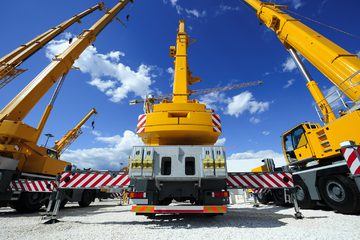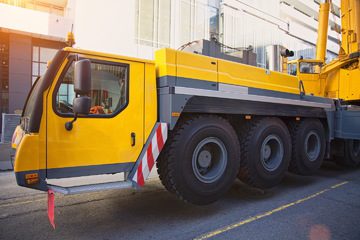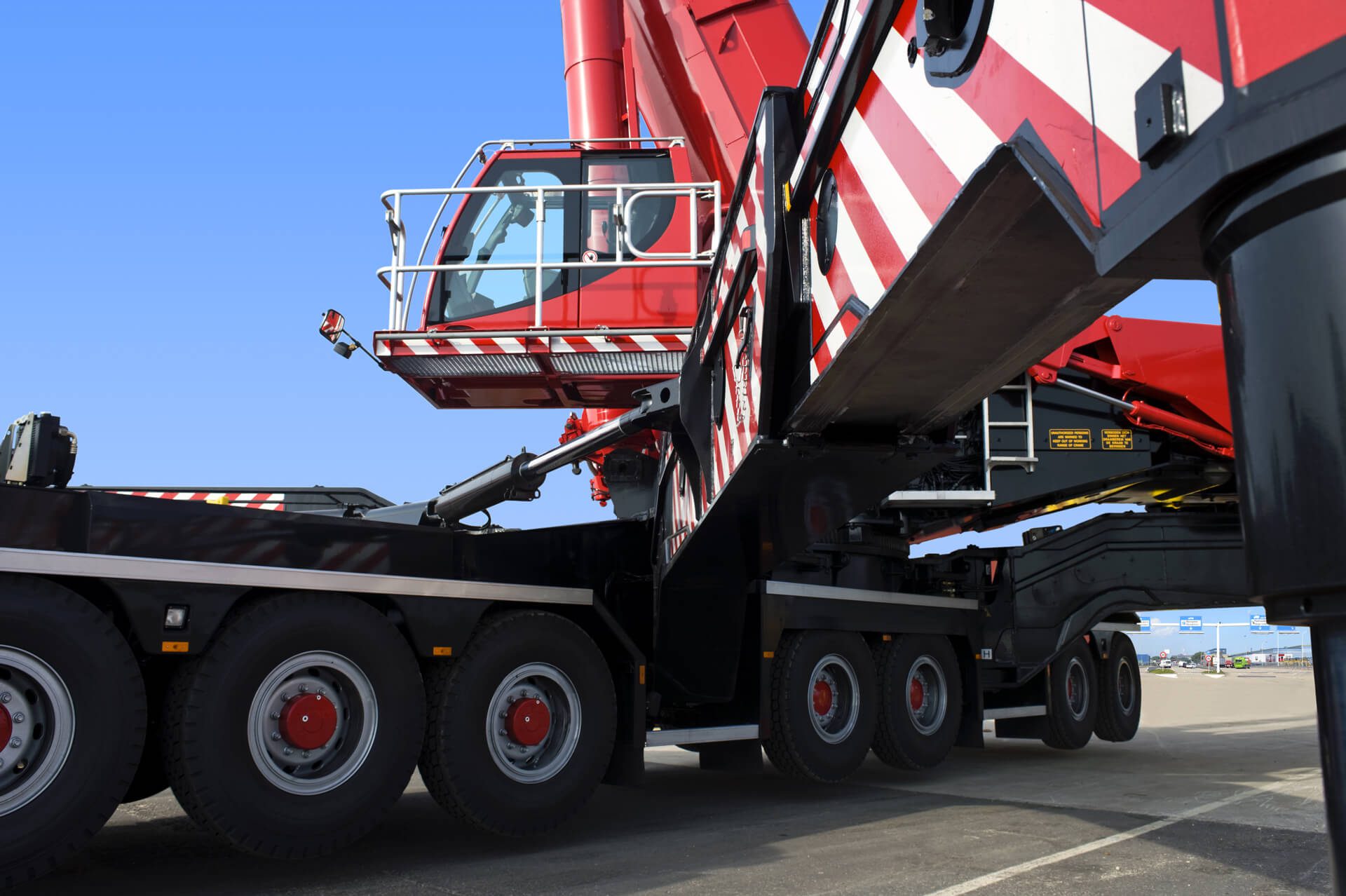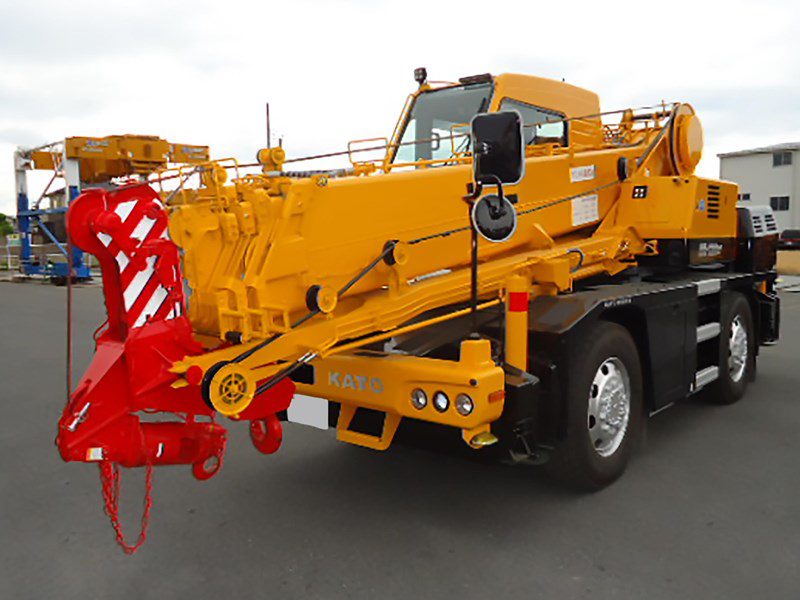
Australia’s construction sector operates across some of the most varied climatic and geographic conditions in the developed world. From cyclone-exposed coastlines to dense inner-city redevelopment zones, lifting operations are routinely influenced by factors beyond engineering calculations alone. In this environment, understanding how weather and site conditions affect crane performance has become central to project planning, risk management, and urban development. For projects reliant on mobile crane hire and city crane hire sydney, these external variables increasingly shape not only operational decisions but broader construction strategies.
Weather as a Critical Operational Variable
Weather conditions directly influence the safety and feasibility of crane operations. Wind remains the most significant factor, particularly for mobile cranes operating with extended booms or lifting loads with large surface areas. Australian Standards recognise wind as a dynamic load, requiring operators to account for gusts, turbulence, and sudden directional changes. In coastal cities such as Sydney, wind patterns are often amplified by high-rise corridors, creating complex microclimates that differ markedly from open-site conditions.
Rain and temperature extremes also affect crane performance. Heavy rainfall can reduce ground bearing capacity, increasing the risk of crane instability, while prolonged heat can degrade hydraulic systems and compromise operator alertness. In northern Australia, seasonal monsoons and cyclonic activity impose additional constraints, often compressing construction schedules into narrower weather windows. As a result, weather forecasting and real-time monitoring have become integral to modern crane planning rather than supplementary considerations.
Site Conditions and Ground Stability
Beyond atmospheric conditions, the physical characteristics of a site play an equally decisive role. Ground composition, slope, and available hardstand space determine whether a crane can be safely deployed at all. Urban infill sites frequently present challenges such as underground services, basements, and variable soil profiles, all of which affect load distribution under crane outriggers.
For projects using mobile crane hire, detailed geotechnical assessments are now standard practice. Engineers calculate allowable ground pressures and, where necessary, design engineered crane pads or use load-spreading mats. In contrast, infrastructure projects in regional areas may contend with softer soils or uneven terrain, requiring different stabilisation approaches. These variations underline why crane selection and setup methods cannot be standardised across projects, even when lift requirements appear similar on paper.
Urban Density and Operational Constraints
Dense urban environments introduce layers of complexity that go beyond weather and soil mechanics. In central business districts, cranes operate amid restricted access, adjacent structures, pedestrian traffic, and live transport corridors. City crane hire sydney often involves meticulous coordination with local councils, transport authorities, and utility providers to manage road closures, airspace restrictions, and public safety.
Weather compounds these constraints. A lift delayed by wind in a confined site can have cascading effects, disrupting traffic management plans and increasing exposure to risk. As Australian cities pursue higher-density development, crane operations are increasingly planned around narrow tolerances, with contingency allowances for weather-related stoppages built into project timelines.
Differing Approaches Across Project Types
Infrastructure, high-rise, and industrial projects each respond differently to weather and site challenges. Large infrastructure works, such as bridges or rail corridors, often have greater spatial flexibility, allowing cranes to be positioned with wider safety buffers. However, these projects are frequently exposed to open environments where wind and weather variability are more pronounced.
High-rise construction in urban centres prioritises precision and scheduling discipline. Mobile cranes may be used for short-term or specialist lifts, with operations carefully timed to minimise weather exposure. In industrial settings, such as ports or energy facilities, cranes must contend with corrosive environments, strong coastal winds, and stringent safety controls. These distinctions highlight how crane methodologies are adapted to context rather than dictated solely by load capacity.
Safety Standards and Regulatory Oversight
Australia’s regulatory framework places significant emphasis on managing environmental risks in lifting operations. Work health and safety legislation, administered by state and territory regulators such as SafeWork NSW and WorkSafe Victoria, requires duty holders to identify and control risks arising from weather and site conditions. These obligations extend from principal contractors to crane owners and operators.
Australian Standards, including AS 2550 for cranes and AS/NZS 1170 for structural actions, provide technical guidance on wind loads, stability, and operational limits. Compliance is not merely procedural; it shapes day-to-day decisions such as wind speed thresholds for lifting and criteria for suspending operations. Regulators increasingly expect documented evidence that weather assessments and ground condition checks form part of lift planning, reflecting a broader shift toward proactive risk management.
Technology and Data-Driven Decision Making
Technological innovation is reshaping how weather and site risks are managed. Modern cranes are equipped with load moment indicators, wind speed sensors, and telematics systems that provide real-time feedback to operators. These tools allow for immediate response to changing conditions, reducing reliance on manual judgement alone.
Digital lift planning software has also gained prominence, enabling engineers to simulate lifts under varying environmental scenarios. In urban projects relying on city crane hire sydney, such simulations help anticipate clashes with buildings, assess wind exposure at height, and plan contingency measures. The integration of weather data feeds into these systems further enhances predictive capability, supporting safer and more efficient operations.
Licensing, Competency, and Human Factors
While technology plays an expanding role, human expertise remains central. Australian licensing requirements mandate that crane operators demonstrate competency across a range of operating conditions. Training increasingly emphasises situational awareness, including recognising when weather or site conditions warrant stopping work.
Fatigue management and heat stress have become more prominent considerations, particularly during prolonged periods of extreme weather. Employers are expected to implement controls that address these human factors, aligning operational practices with broader health and safety objectives. This focus reflects an industry recognition that environmental conditions affect not only machinery but also the people who operate it.
Strategic Implications for Construction Planning
At a strategic level, weather and site considerations influence procurement models, scheduling, and risk allocation. Projects that depend heavily on mobile crane hire often incorporate weather allowances into contracts, acknowledging the inevitability of delays in certain regions or seasons. Insurers and financiers also scrutinise how environmental risks are managed, particularly for complex urban developments.
As Australian cities continue to densify and infrastructure investment accelerates, the interaction between cranes, weather, and site conditions will remain a defining feature of construction delivery. The ability to anticipate and adapt to these variables distinguishes resilient projects from those vulnerable to disruption.
A Sector Shaped by Its Environment
The Australian construction landscape offers a clear lesson: lifting operations do not occur in controlled laboratory conditions. They unfold in dynamic environments shaped by climate, geography, and urban form. For stakeholders involved in mobile crane hire and city crane hire sydney, success increasingly depends on integrating environmental intelligence with engineering expertise and regulatory compliance.
In this context, weather and site conditions are not peripheral challenges but central determinants of safety, efficiency, and project viability. Their influence underscores the broader reality that modern construction is as much about managing uncertainty as it is about building structures, particularly in a country defined by environmental diversity and ambitious urban growth.