Tower cranes have become a defining feature of Australia’s urban skyline, standing over construction sites for months or even years at a time. Their presence reflects the scale and duration of modern building programs, from residential towers and hospitals to transport hubs and commercial precincts. Understanding how tower crane hire works on long-term construction projects offers insight into the strategic, technical, and regulatory foundations that underpin much of Australia’s built environment.
The Strategic Role of Tower Cranes in Long-Term Projects
Long-term construction projects demand lifting solutions that can operate consistently over extended periods while adapting to evolving site conditions. Tower crane hire plays a strategic role in meeting these demands by providing vertical and horizontal reach that other lifting equipment cannot sustain over time. On high-rise developments, tower cranes enable the continuous movement of materials, formwork, and prefabricated components as structures rise floor by floor.
In large infrastructure and mixed-use developments, the decision to use tower crane hire is often made early in the planning phase. Unlike mobile equipment, tower cranes are fixed assets for the duration of key construction stages, influencing site layout, sequencing, and logistics. In regional growth areas as well as metropolitan centres, including projects that rely on tower crane hire southern highlands, these cranes support long-term efficiency by reducing reliance on repeated short-term lifting arrangements.
Planning and Installation as a Long-Term Commitment
The process of engaging tower crane hire for extended projects begins well before physical installation. Detailed planning is required to determine crane type, height, jib length, and load capacity based on the final building form rather than initial stages alone. Engineers assess wind conditions, foundation requirements, and surrounding structures to ensure the crane can operate safely over its full lifecycle.
Installation marks a significant milestone in a project’s timeline. Tower cranes are typically erected using mobile cranes in carefully sequenced stages, often under strict regulatory oversight. Because these cranes may remain in place for years, installation decisions are closely tied to long-term project viability. Once operational, the crane becomes a central piece of site infrastructure, shaping how materials flow and how construction activities are coordinated.
Comparing Tower Cranes with Other Lifting Approaches
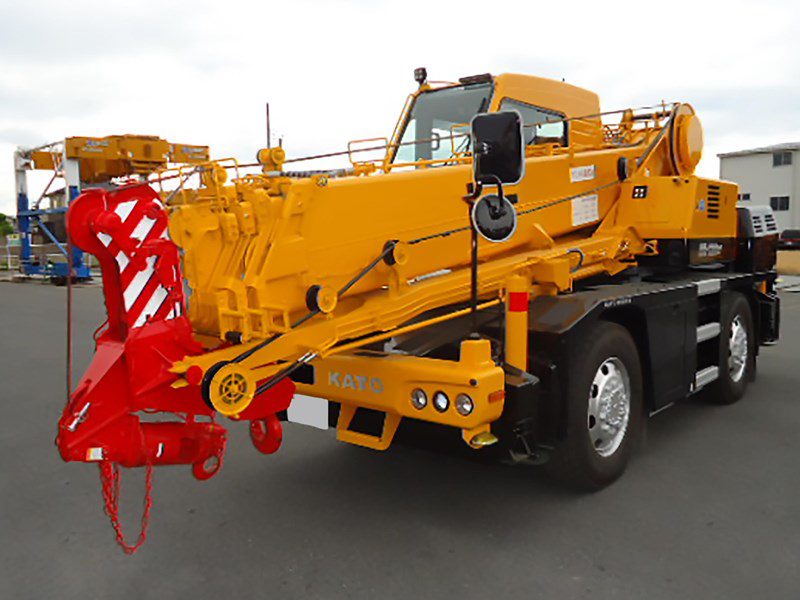
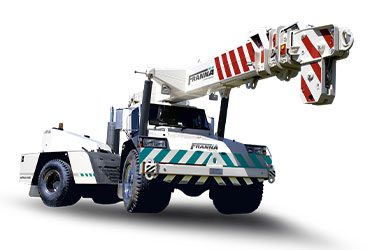
Tower cranes differ from other lifting solutions primarily in their suitability for sustained, repetitive operations at height. Mobile cranes excel in flexibility and short-term tasks, but they are not designed to remain on site indefinitely. For long-term projects, repeated mobilisations of mobile equipment can increase costs and disrupt workflows.
By contrast, tower crane hire supports predictable, continuous operations. Materials can be lifted directly from delivery zones to upper levels without repositioning equipment daily. This efficiency is particularly valuable on dense urban sites where space is constrained and logistics must be tightly controlled. The trade-off is reduced flexibility, as once installed, tower cranes cannot be easily relocated without significant effort and cost.
Managing Tower Crane Operations Over Extended Durations
Operating a tower crane over a long-term project requires ongoing coordination between contractors, engineers, and site managers. Daily operations must align with construction schedules, weather conditions, and safety requirements. Over time, the crane’s role may evolve as the building progresses, with lifting patterns changing as structural and façade elements are completed.
Maintenance is a critical aspect of long-term operation. Australian regulations require regular inspections and servicing to ensure cranes remain in safe working condition. Components such as slewing mechanisms, hoists, and control systems are monitored throughout the project lifecycle. This continuous oversight distinguishes long-term tower crane hire from short-term equipment use, where operational responsibility is limited to brief periods.
Safety Standards Governing Tower Crane Use in Australia
Australia’s safety framework for tower cranes is grounded in national work health and safety legislation, supported by detailed Australian Standards. Standards such as AS 1418 for crane design and AS 2550 for safe use provide technical benchmarks for installation, operation, and dismantling. These standards are widely recognised by regulators and courts as authoritative guidance.
State-based regulators, including SafeWork NSW and other WorkSafe authorities, enforce compliance through inspections and audits. Given the extended presence of tower cranes on long-term projects, regulators often take a sustained interest in their operation. Compliance is not a one-time requirement but an ongoing obligation that spans the entire hire period.
Licensing, Competency, and Workforce Considerations
Tower crane operation is classified as high-risk work in Australia, requiring licensed operators who have demonstrated competency through formal assessment. The licensing system differentiates between crane types and capacities, reflecting the complexity of tower crane controls and load management. Doggers and riggers supporting crane operations must also hold appropriate qualifications.
On long-term projects, workforce continuity becomes an important consideration. Projects may span multiple years, increasing the likelihood of staff turnover. Ensuring that all personnel involved in crane operations remain appropriately licensed and inducted into site-specific procedures is a persistent challenge for project managers. Regulatory expectations place responsibility on principal contractors to manage this risk effectively.
Technological Developments in Long-Term Crane Hire
Technological innovation is reshaping how tower cranes are used and managed over extended periods. Modern cranes are increasingly equipped with digital monitoring systems that track loads, wind speeds, and operating hours in real time. These systems enhance safety by providing early warnings when operating limits are approached.
Remote diagnostics and predictive maintenance technologies also play a growing role. By analysing performance data, operators can identify potential issues before they result in downtime or safety incidents. On long-term projects, where delays can have cascading impacts, such technologies contribute to both risk reduction and schedule certainty.
Regulatory Oversight Across the Project Lifecycle
Regulatory considerations extend beyond day-to-day operation to include erection, climbing, and dismantling phases. Tower cranes on long-term projects are often climbed, or increased in height, as buildings rise. Each climbing operation introduces new risks and typically requires updated engineering assessments and regulatory notifications.
Dismantling at project completion is similarly regulated, as cranes are removed from sites that may be partially occupied or surrounded by finished structures. Regulators expect these activities to be planned with the same level of rigour as initial installation. This lifecycle approach underscores the comprehensive nature of Australia’s regulatory framework for tower crane hire.
Urban Development and Long-Term Construction Trends
The prevalence of tower cranes reflects broader trends in Australian urban development. Population growth, infrastructure investment, and densification have driven demand for taller and more complex buildings. Long-term construction projects are increasingly the norm rather than the exception, particularly in major cities and expanding regional centres.
In this context, tower crane hire is not merely a logistical decision but a strategic one that influences how cities are built. The ability to sustain safe, efficient lifting operations over extended periods supports the delivery of projects that shape economic activity and community life. At the same time, the visibility of tower cranes places public scrutiny on safety practices, reinforcing the importance of robust regulation.
Conclusion: Tower Crane Hire as a Pillar of Long-Term Construction
Tower crane hire is central to the delivery of Australia’s long-term construction projects, providing the lifting capacity and consistency required for complex builds. Its effectiveness depends on careful planning, strict adherence to safety standards, and ongoing regulatory compliance throughout the project lifecycle. As construction programs grow in scale and duration, the role of tower cranes will remain integral, demanding continued attention from industry leaders, regulators, and policymakers alike.