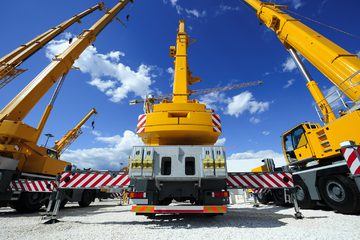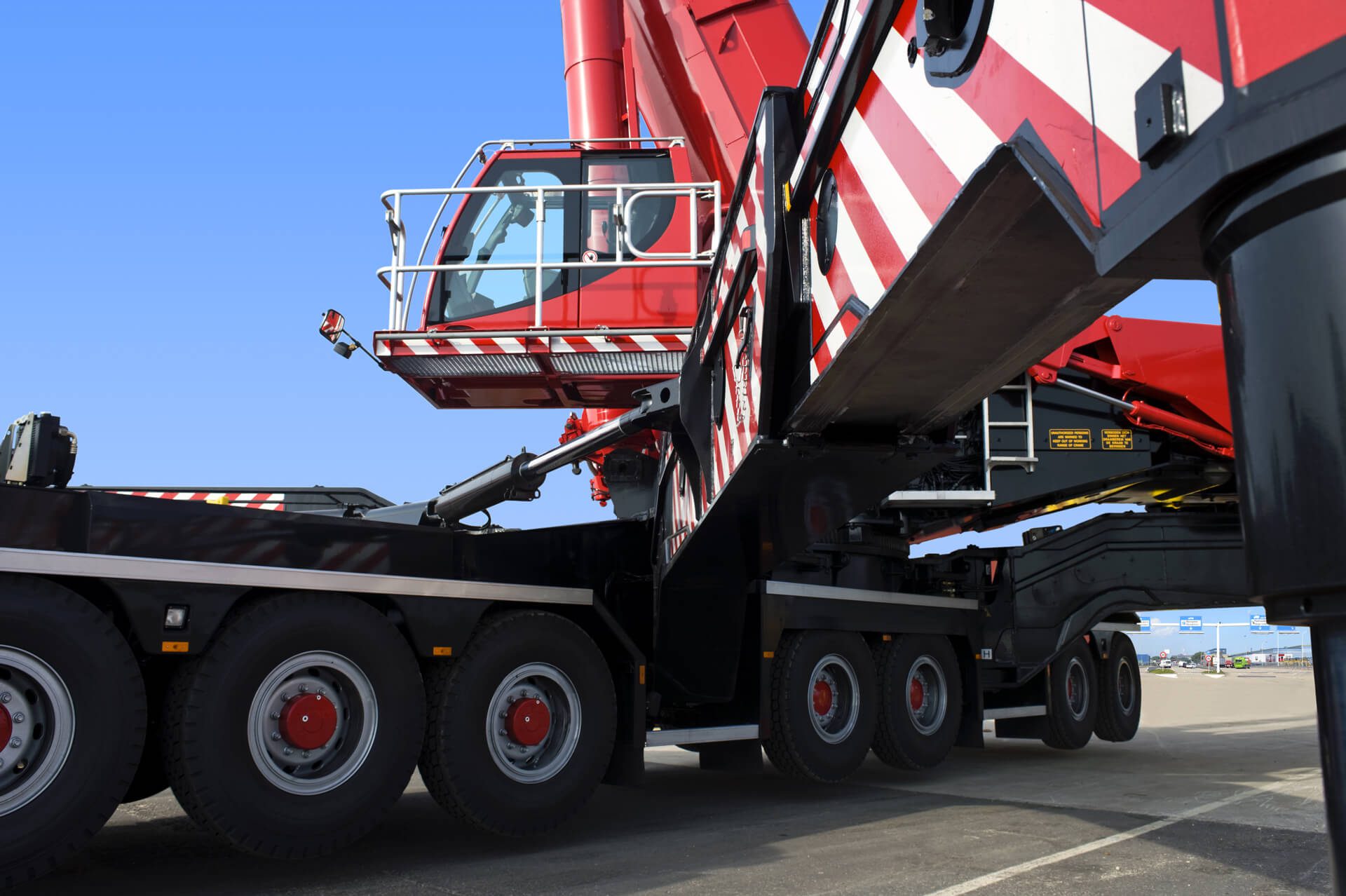
Australia’s largest construction sites are increasingly complex, shaped by tighter urban footprints, taller structures, and compressed delivery schedules. Within this environment, tower crane hire has become a central determinant of construction efficiency, influencing how materials move, how labour is sequenced, and how risk is managed across long project timelines. While cranes are often viewed as logistical tools, their strategic deployment plays a deeper role in shaping productivity outcomes on major infrastructure and building projects.
The Role of Tower Cranes in Modern Construction Efficiency
Tower crane hire underpins the operational logic of large-scale construction. Unlike mobile lifting solutions, tower cranes provide continuous, predictable lifting capacity from a fixed position, allowing materials to be delivered directly to their point of use. This vertical and horizontal reach reduces double-handling, shortens travel distances on site, and limits congestion at ground level.
On high-rise projects in Australia’s capital cities, tower cranes are often the backbone of daily operations. Concrete pours, steel placement, façade installation, and mechanical services all rely on consistent crane availability. By anchoring lifting operations to a central system, project managers can coordinate multiple trades with fewer interruptions, improving overall workflow reliability.
Strategic Importance Across Infrastructure and Urban Development
Beyond vertical buildings, tower crane hire plays a strategic role in broader infrastructure delivery. Transport interchanges, hospitals, and large civic projects increasingly incorporate multi-storey components that demand long-term lifting solutions. As Australian cities pursue higher-density development near transport corridors, tower cranes support construction in constrained environments where space for laydown areas is limited.
Efficiency gains are particularly evident in dense urban precincts, where site access is restricted and public interfaces are close. A well-positioned tower crane reduces the need for frequent vehicle movements, lowering the risk of delays caused by traffic management or restricted access windows. This strategic advantage aligns with urban planning objectives aimed at minimising disruption during construction.
Comparing Tower Cranes and Mobile Lifting Methods
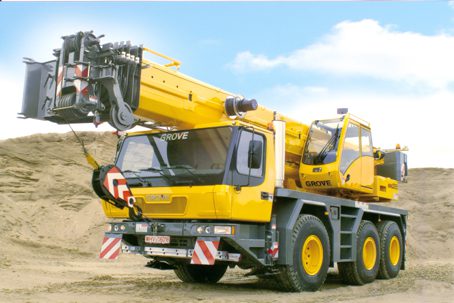
Efficiency on large construction sites is often shaped by the choice between fixed and mobile lifting approaches. Mobile cranes offer flexibility during early-stage works and for intermittent lifts, but their productivity declines as building height and lift frequency increase. Each mobilisation introduces variability, including setup time, ground preparation, and scheduling coordination.
Tower crane hire, by contrast, supports repetitive, high-volume lifting over extended periods. Once installed, the crane becomes an integrated part of the site’s logistics system. This distinction is critical on projects where hundreds of lifts are required each week. The predictability of tower crane operations allows construction programs to be planned with greater certainty, reducing idle time for labour and equipment.
Integration with Other Crane Solutions
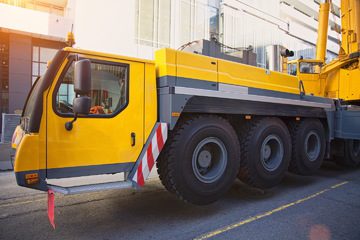
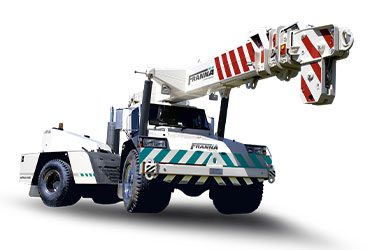
While tower cranes dominate vertical lifting, large sites often rely on a combination of crane types to maximise efficiency. Mobile and pick-and-carry cranes are commonly used to support peripheral tasks, internal logistics, or temporary works. In industrial and infrastructure zones, franna crane hire northern sydney is frequently referenced in relation to projects requiring rapid repositioning of loads within expansive sites.
This complementary approach reflects a broader industry practice: tower cranes handle the core vertical workflow, while mobile solutions address tasks that fall outside the fixed crane’s radius or timing. The efficiency of large construction sites depends on how effectively these systems are integrated rather than viewed in isolation.
Technology as a Driver of Productivity
Technological advancement has significantly enhanced the efficiency benefits of tower crane hire. Modern cranes are equipped with variable frequency drives, automated slewing controls, and advanced load monitoring systems. These features allow smoother movements, faster cycle times, and greater precision, particularly on sites with multiple cranes operating simultaneously.
Digital planning tools further amplify these gains. Lift paths can be modelled during the design phase, enabling potential conflicts to be identified before construction begins. On complex sites, anti-collision systems coordinate crane movements in real time, reducing stoppages and improving overall throughput. For large Australian projects, where delays can carry substantial cost implications, these technologies contribute directly to productivity.
Safety, Compliance, and Operational Reliability
Efficiency on construction sites is closely linked to safety performance. Incidents involving cranes can halt work entirely, undermining productivity and increasing regulatory scrutiny. In Australia, tower crane operations are governed by strict safety and compliance frameworks enforced by state and territory WorkSafe authorities.
Australian Standards such as AS 1418, covering crane design, and AS 2550, addressing safe use, establish clear expectations for equipment performance and operational procedures. Compliance with these standards supports efficiency by reducing unplanned downtime caused by equipment failure or regulatory intervention. Licensed operators, routine inspections, and documented lift planning are not merely compliance measures but integral components of reliable site operations.
Regulatory Considerations on Large Sites
Large construction sites operate within a layered regulatory environment that shapes crane deployment. Planning approvals, oversailing permissions, and environmental controls all influence how tower cranes are positioned and operated. In urban centres, coordination with transport authorities and local councils is often required to manage airspace, road closures, and noise limits.
These regulatory factors can affect efficiency if not addressed early. Projects that integrate crane strategy into the planning phase are better positioned to avoid late-stage adjustments that disrupt construction flow. As Australian cities continue to densify, regulatory navigation has become a core competency in achieving efficient crane operations.
Productivity Challenges and Industry Responses
Despite their advantages, tower cranes also present challenges. Installation and dismantling require significant upfront planning and cost, and cranes are sensitive to weather conditions, particularly high winds. On very large sites, crane congestion can occur if coverage zones overlap inefficiently or if lift scheduling is poorly coordinated.
Industry responses have focused on improved planning, data-driven decision-making, and closer collaboration between contractors and crane engineers. By treating tower crane hire as a strategic asset rather than a standalone service, projects can mitigate these challenges and sustain productivity across long construction programs.
The Broader Impact on Project Delivery
The efficiency gains enabled by tower crane hire extend beyond individual sites. Faster, more predictable construction supports broader economic objectives by bringing infrastructure and buildings into service sooner. In a national context, where housing supply and infrastructure delivery are closely scrutinised, incremental improvements in site efficiency can have meaningful downstream effects.
Tower cranes also enable construction methodologies that prioritise prefabrication and modular assembly. By lifting large, pre-assembled components into place, cranes reduce on-site labour intensity and improve quality control. These practices align with industry-wide efforts to address skills shortages and improve safety outcomes.
Industry Perspective: MantiKore Cranes
Operational Insight from MantiKore Cranes
From an industry standpoint, operators such as MantiKore Cranes illustrate how tower crane planning is increasingly embedded within broader project strategies. Their involvement across varied Australian construction environments reflects a trend toward early-stage collaboration between crane specialists and project teams, where lifting strategy is considered alongside design, staging, and logistics rather than treated as a downstream requirement.
Efficiency as a Function of Planning and Execution
Tower crane hire improves efficiency on large construction sites not simply through lifting capacity, but through the structure and predictability it brings to complex projects. Its effectiveness depends on integration with technology, compliance frameworks, and complementary equipment, as well as careful regulatory and logistical planning. As Australia continues to build upward and outward, tower cranes will remain a critical determinant of how efficiently major construction sites operate.