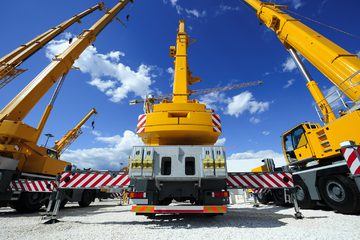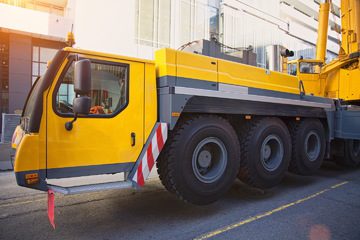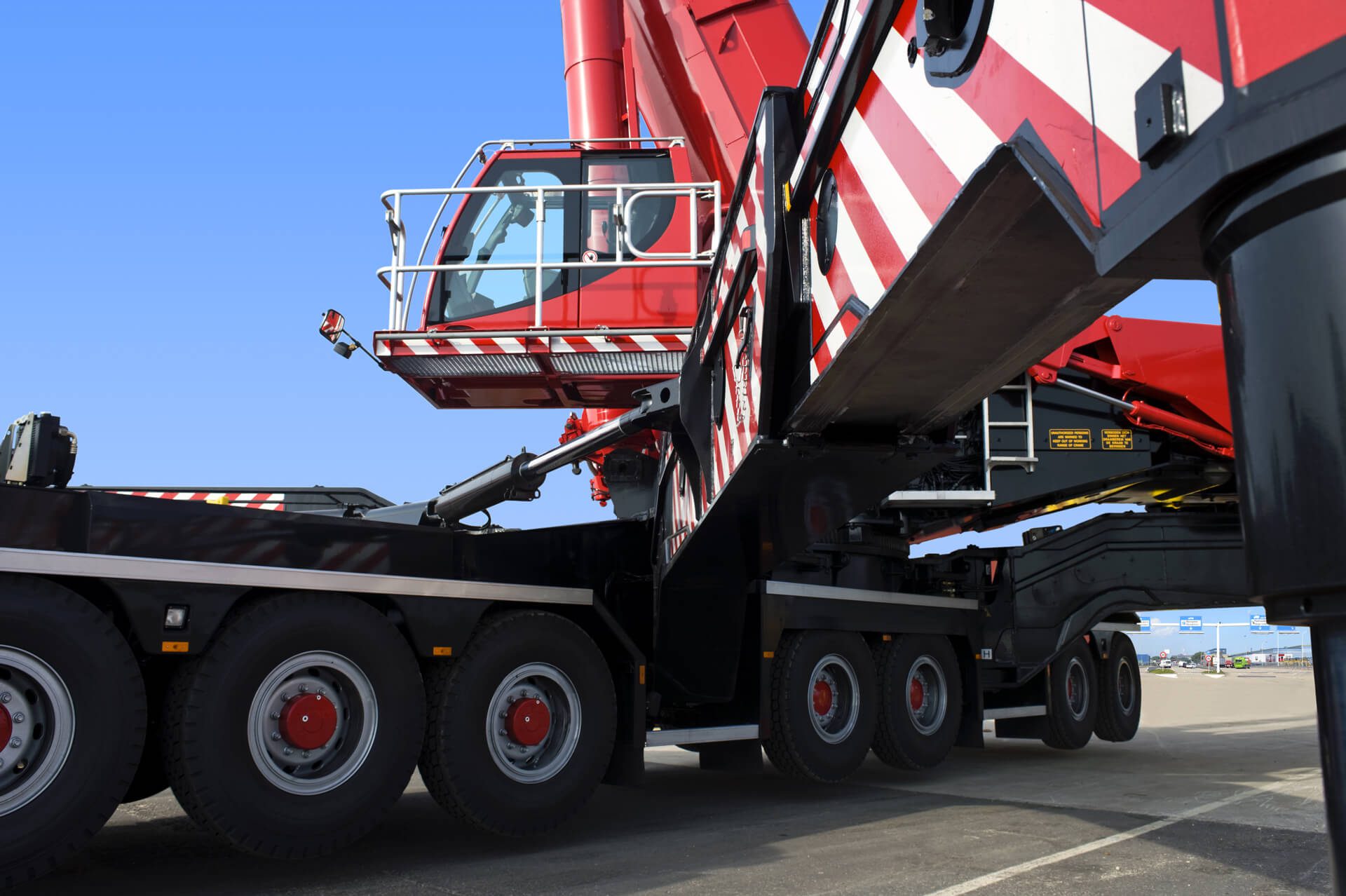
Safety is a non-negotiable priority in modern construction, particularly when working with heavy lifting equipment in complex environments. Tower cranes operate at extreme heights, manage substantial loads, and often work in close proximity to workers, buildings, and public spaces. As construction projects grow larger and more sophisticated, technology has become a critical driver in improving safety standards. Innovations in crane systems, monitoring tools, and digital planning now play a decisive role in reducing risk across tower crane operations, while complementing broader lifting solutions such as mobile crane hire.
The Evolving Safety Landscape in Crane Operations
Traditional crane safety relied heavily on operator skill, manual checks, and site supervision. While these remain essential, they are no longer sufficient on their own. Modern tower crane hire integrates advanced technologies that proactively identify hazards, prevent errors, and enhance situational awareness. This shift from reactive to preventative safety management has significantly reduced incidents related to load instability, collisions, and structural stress.
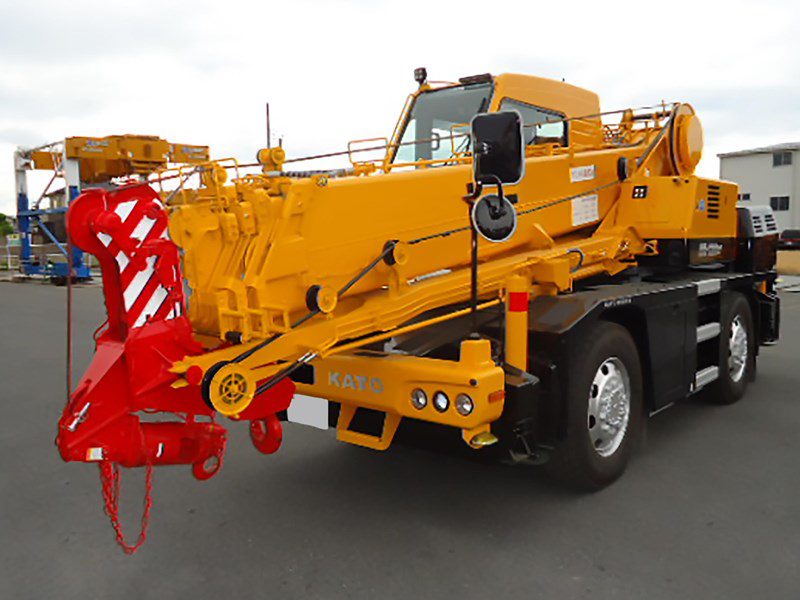
Mobile crane hire has benefited from similar advancements, creating a more unified and technology-driven lifting environment across construction sites. Whether deploying a tower crane for vertical construction or mobile cranes for supporting lifts, technology ensures consistent safety standards across all lifting activities.
Smart Load Monitoring and Control Systems
One of the most impactful technological developments in tower crane safety is real-time load monitoring. Sensors embedded within crane systems continuously measure load weight, boom angle, wind pressure, and operating radius. These systems automatically prevent lifts that exceed safe operating limits, eliminating reliance on estimation or manual calculation.
Load moment indicators and anti-overload systems significantly reduce the risk of structural failure or crane collapse. When integrated with mobile crane hire operations, these technologies ensure that all lifting equipment on site adheres to the same safety thresholds, creating a coordinated and compliant lifting strategy.
Collision Avoidance and Zoning Technology
Tower cranes frequently operate in congested environments, particularly on high-density urban sites where multiple cranes may overlap. Collision avoidance systems use GPS, radio frequency, and software-based zoning to prevent cranes from entering restricted areas or colliding with other cranes, buildings, or site infrastructure.
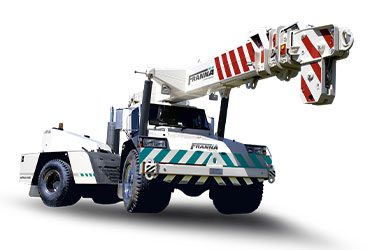
These systems create virtual boundaries that automatically limit crane movement when hazards are detected. This technology is especially valuable on sites that combine tower cranes with mobile and franna cranes. For example, franna crane hire sydney projects often involve tight access conditions, and integrated zoning ensures safe coordination between mobile cranes and fixed tower crane operations.
Advanced Wind and Weather Monitoring
Weather conditions, particularly wind, are a major safety concern for tower cranes due to their height and surface area. Modern tower crane hire incorporates advanced anemometers and weather sensors that provide real-time wind speed data at multiple elevations. When wind thresholds are exceeded, operators receive alerts or automated shutdowns to prevent unsafe lifts.
These systems improve decision-making and remove ambiguity from weather-related safety calls. Mobile crane hire providers increasingly use similar technologies, enabling consistent safety protocols across all crane types operating on a project site.
Remote Diagnostics and Predictive Maintenance
Mechanical failure remains a leading cause of crane-related incidents. Technology has transformed maintenance from a reactive process into a predictive one. Tower cranes now feature remote diagnostics that monitor component wear, hydraulic pressure, motor performance, and structural stress.
Data collected from these systems allows maintenance teams to address issues before they escalate into failures. This not only enhances safety but also reduces downtime and unexpected repair costs. Mobile crane hire fleets, including franna cranes, increasingly use the same predictive maintenance platforms, improving overall site safety and reliability.
Digital Lift Planning and Simulation
Digital lift planning software has revolutionised how crane operations are designed and executed. Before a crane is even erected, engineers can simulate lifts in a virtual environment, accounting for load paths, clearance, ground conditions, and crane configuration. This reduces on-site guesswork and ensures that lifts are engineered for safety from the outset.
For projects combining tower cranes with mobile crane hire, digital planning enables seamless integration between different crane types. In complex logistics environments where franna crane hire sydney is used for material handling and support lifts, simulations help coordinate movements and eliminate conflicting operations.
Operator Assistance and Training Technology
Technology also enhances safety by supporting crane operators directly. Modern tower cranes include operator assistance systems such as automated slewing limits, camera feeds, and real-time visualisation tools. These features improve visibility, reduce fatigue, and help operators maintain precise control during complex lifts.
In addition, virtual reality and simulator-based training are becoming standard within crane hire operations. Operators can practice emergency scenarios, difficult lifts, and site-specific challenges in a controlled environment. This level of preparation benefits both tower crane and mobile crane hire operations by raising competency standards across the workforce.
Data Integration and Safety Compliance
Digital recordkeeping and data integration further strengthen safety outcomes. Crane operating data, maintenance logs, and inspection records are now stored electronically, improving compliance with safety regulations and audit requirements. Real-time reporting allows site managers to identify patterns, address risks early, and demonstrate due diligence.
For large projects using multiple lifting solutions, including mobile crane hire and franna cranes, centralised safety data ensures consistent oversight and accountability across all crane activities.
Conclusion
Technology has fundamentally reshaped safety in tower crane hire, transforming risk management from manual oversight to intelligent, data-driven control. From load monitoring and collision avoidance to predictive maintenance and digital lift planning, modern systems significantly reduce the likelihood of accidents while improving operational efficiency.
When combined with advanced mobile crane hire solutions and coordinated support services such as franna crane hire sydney, technology creates a safer, more controlled construction environment. As projects continue to grow in scale and complexity, technology-driven safety will remain a cornerstone of responsible and efficient crane operations.