The Australian construction industry has entered a period of recalibration. With infrastructure investment reaching unprecedented levels and urban densification reshaping skylines from Sydney to Perth, the question of equipment procurement has become increasingly central to project viability. For mid-sized developments, particularly those spanning five to fifteen storeys, understanding the true cost of tower crane hire represents a critical factor in determining whether projects proceed within budget or spiral into financial difficulty.
Industry analysts estimate that crane-related expenses typically constitute between three and eight percent of total construction costs for mid-rise developments. Yet this figure obscures considerable variation depending on project duration, site constraints, and the specific lifting requirements demanded by architectural design. As Australian cities continue their vertical expansion, the strategic deployment of lifting equipment has evolved from a purely operational consideration into a decisive element of project planning.
Breaking Down the Cost Structure
Tower crane hire in Australia operates on a complex pricing model that extends well beyond the basic rental rate. For a mid-sized construction project, weekly hire costs for a standard saddle jib tower crane typically range from twelve thousand to twenty-five thousand dollars, depending on lifting capacity and jib length requirements. However, this baseline figure represents only a fraction of the total financial commitment.
Installation and dismantling constitute significant upfront and concluding expenses. The process of erecting a tower crane, which requires mobile cranes, specialized crews, and meticulous safety coordination, frequently costs between eighty thousand and one hundred fifty thousand dollars. Dismantling carries similar expenses, meaning projects must absorb substantial fixed costs regardless of hire duration.
Foundation requirements add another layer of complexity. Tower cranes demand engineered bases capable of withstanding enormous loads and dynamic forces. Depending on soil conditions and structural integration with the building under construction, foundation costs can range from forty thousand to over one hundred thousand dollars. These preparations often require geotechnical assessment and certification by structural engineers, adding both time and expense to project timelines.
Regional Variations and Market Dynamics
The Australian crane hire market demonstrates notable geographic variation. Metropolitan centres, particularly Sydney and Melbourne, command premium rates driven by high demand, limited equipment availability, and elevated labour costs. Regional projects may secure more competitive pricing, though mobilisation expenses for transporting equipment to distant sites can offset these savings.
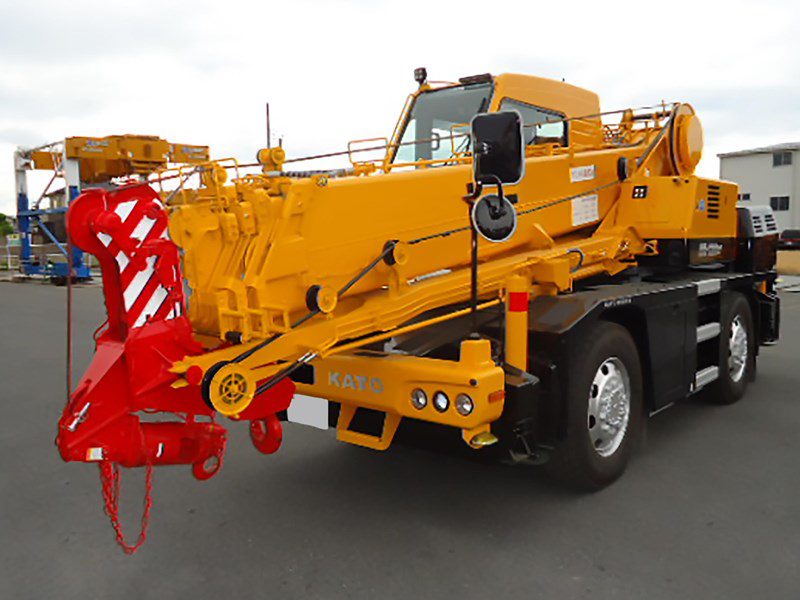
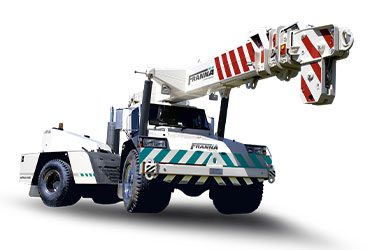
Franna crane hire in Northern Sydney illustrates how complementary equipment strategies can influence overall project economics. While tower cranes handle primary vertical lifting duties, pick and carry cranes such as Franna units provide essential support for material handling, equipment positioning, and tasks requiring mobility across construction sites. The integrated deployment of both crane types has become standard practice on mid-sized projects, where operational flexibility must balance against budget constraints.
Northern Sydney’s construction corridor, stretching from Chatswood through to the Northern Beaches, presents particular logistical challenges. Constrained sites, heritage considerations, and demanding council requirements create conditions where equipment selection directly impacts approval timelines and community relations. Contractors operating in these areas increasingly factor crane logistics into their earliest planning stages, recognising that poor equipment choices can generate delays measured in months rather than weeks.
Safety Standards and Regulatory Compliance
Australian workplace safety legislation imposes stringent requirements on crane operations. Safe Work Australia, in conjunction with state-based regulators including SafeWork NSW, establishes comprehensive frameworks governing everything from operator licensing to equipment inspection protocols. These requirements carry significant cost implications that prudent project managers incorporate into their budgeting from inception.
All tower crane operators must hold high-risk work licences issued under the nationally harmonised system. The relevant licence class, typically CT for tower cranes, requires formal training and assessment through registered training organisations. Projects must verify operator credentials and maintain documentation demonstrating compliance, with substantial penalties applying for breaches.
Australian Standard AS 1418 governs crane design, construction, and operation across the country. Compliance with these standards is mandatory, and hire companies must provide equipment meeting current certification requirements. Regular inspections, conducted by qualified engineers, generate ongoing costs throughout the hire period. Wind monitoring systems, load moment indicators, and anti-collision technology represent additional safety investments that responsible contractors consider non-negotiable.
Technological Advancement and Cost Implications
The tower crane sector has embraced technological innovation that, while increasing upfront costs, frequently delivers net savings through improved productivity and reduced risk. Remote monitoring systems now allow real-time tracking of crane operations, maintenance requirements, and safety parameters. These systems enable early identification of potential failures, preventing costly breakdowns and dangerous malfunctions.
Building Information Modelling integration has transformed how cranes interact with construction sequencing. Advanced planning software can simulate crane movements, identify potential conflicts, and optimise lift scheduling before equipment arrives on site. This digital coordination reduces idle time and maximises the productive use of hire periods.
Telematics and GPS tracking provide precise data on crane utilisation, enabling project managers to assess whether their equipment investment is generating appropriate returns. Analysis of this data frequently reveals opportunities to adjust scheduling, reduce overtime, or negotiate modified hire arrangements based on demonstrated usage patterns.
Strategic Considerations for Project Success
The decision between tower crane hire and alternative lifting solutions involves considerations extending beyond simple cost comparison. Project duration represents a critical variable, as tower cranes become increasingly economical for developments exceeding six months of active construction. Shorter projects may find that mobile crane solutions, despite higher hourly rates, deliver better overall value when installation and dismantling expenses are eliminated.
Site access constraints frequently dictate equipment choices regardless of cost preferences. Inner-urban developments with limited street frontage may have no practical alternative to tower cranes, which occupy minimal ground space while providing extensive coverage. Conversely, projects with generous site areas might achieve adequate lifting capacity through mobile equipment at lower total expense.
The relationship between tower crane hire and Franna crane hire Northern Sydney developments demonstrates how experienced contractors coordinate multiple equipment types for optimal results. Rather than viewing these as competing options, sophisticated project managers deploy each technology according to its strengths, using tower cranes for repetitive high-volume lifts while reserving mobile units for varied tasks requiring flexibility and repositioning.
Market Outlook and Industry Perspectives
Australia’s construction sector faces continuing equipment demand pressure as government infrastructure programs combine with private development activity. Industry bodies report that crane availability has tightened considerably since the pandemic period, with lead times for tower crane hire extending to several months for popular configurations.
This supply constraint has driven rental rate increases of approximately fifteen to twenty percent over the past three years, though pricing appears to be stabilising as hire companies expand their fleets in response to market conditions. The Australian crane hire industry has attracted substantial capital investment, with major operators committing to equipment purchases valued in hundreds of millions of dollars.
For mid-sized construction projects navigating this environment, early engagement with crane hire providers has become essential. Securing equipment commitments during project planning stages, rather than after development approvals are finalised, increasingly determines whether projects proceed on schedule. The days of arranging crane hire weeks before required delivery have largely passed, replaced by strategic equipment procurement that parallels other critical path activities.