As Australia’s cities continue their vertical expansion and infrastructure networks grow increasingly complex, the machinery facilitating this transformation has become more sophisticated and specialized than ever before. Among the most critical pieces of equipment enabling modern construction are the cranes that dot urban skylines and construction sites across the country, each type serving distinct purposes in an industry where precision, safety, and efficiency can determine whether projects succeed or fail.
The construction sector’s reliance on specialized lifting equipment has evolved considerably over the past two decades, driven by denser urban environments, stricter safety regulations, and the technological capabilities that now define best practices across the industry. Understanding how different crane types function within Australia’s regulatory framework offers insight into the broader challenges and innovations shaping the built environment.
The Strategic Deployment of Lifting Equipment Across Project Types
The selection of appropriate crane technology begins long before construction crews arrive on site. Project managers must consider site constraints, building heights, load requirements, and the surrounding urban fabric when determining which equipment will serve their needs most effectively. This decision-making process has become increasingly sophisticated as Australian cities grapple with limited space and growing density.
Tower crane hire has become virtually synonymous with high-rise construction in metropolitan centers like Sydney, Melbourne, and Brisbane. These fixed structures, often rising hundreds of meters above ground level, provide the vertical reach and lifting capacity necessary for constructing residential towers, commercial buildings, and mixed-use developments. Their ability to remain stationary while serving an entire construction site makes them indispensable for projects that span multiple years and require consistent, reliable access to upper floors.
The installation of tower cranes themselves represents a significant engineering undertaking, requiring careful coordination with local authorities and neighboring properties. In dense urban areas, crane operators must navigate airspace restrictions, coordinate with aviation authorities, and ensure that swing paths do not encroach on adjacent buildings. These logistical complexities have led to increasingly sophisticated planning methodologies, with digital modeling and simulation now playing crucial roles in the pre-construction phase.
Mobility and Flexibility in Contemporary Construction
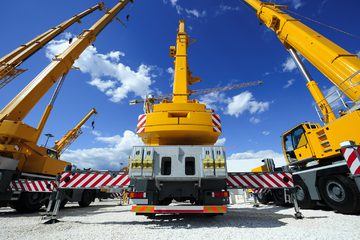
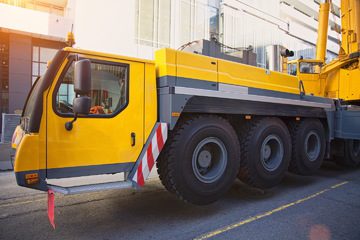
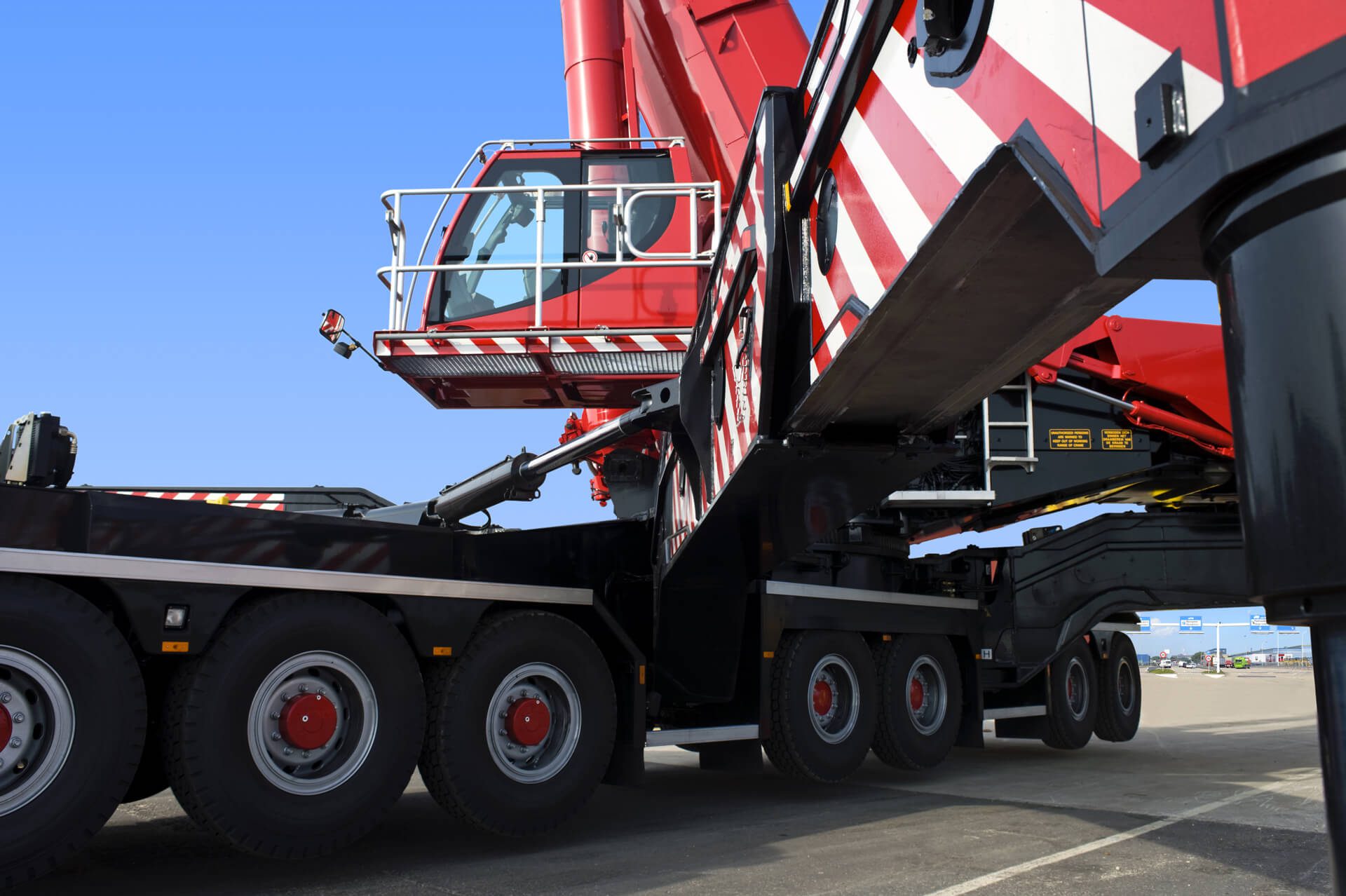
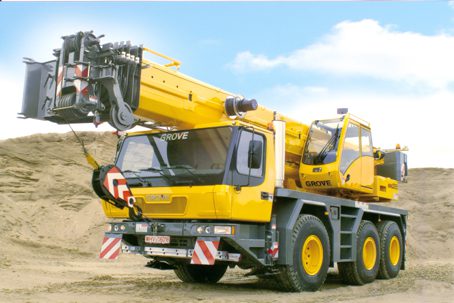
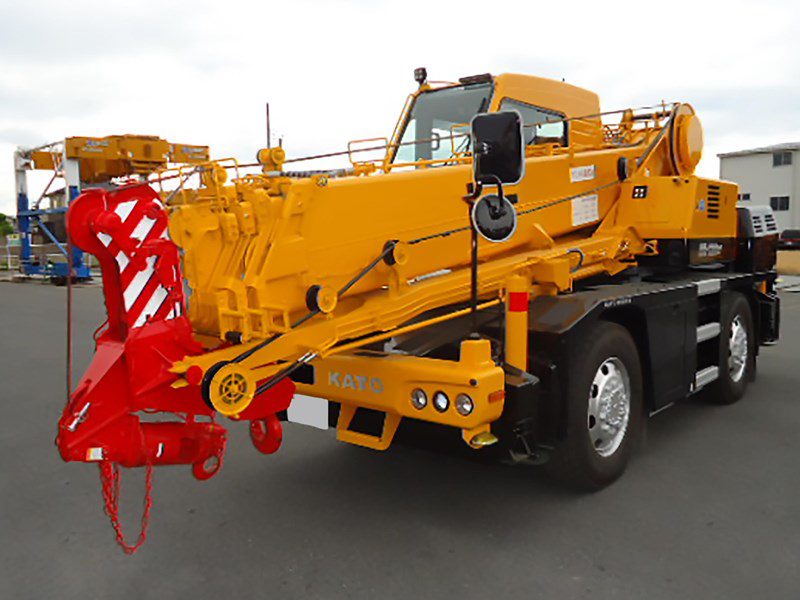
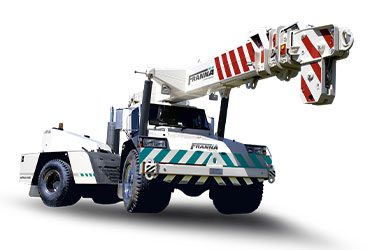
While tower cranes dominate the skylines, much of Australia’s construction activity relies on equipment that can move between sites and adapt to changing project requirements. Mobile crane hire has emerged as a critical service for a diverse range of projects, from infrastructure maintenance to commercial fit-outs, where the ability to relocate equipment quickly provides both economic and practical advantages.
Mobile cranes offer versatility that fixed installations cannot match. These machines can be deployed for shorter durations, moved between multiple job sites, and scaled according to specific lifting requirements. For projects involving bridge construction, utility installation, or industrial facilities, mobile units provide the flexibility necessary to work across expansive sites where multiple lifting points may be required at different stages of construction.
The technological advancement of mobile crane equipment has been particularly notable in recent years. Modern hydraulic systems, computerized load monitoring, and enhanced safety features have expanded the capabilities of these machines while simultaneously reducing operational risks. Operators now work with sophisticated controls that provide real-time data on load weights, boom angles, and environmental conditions, allowing for more precise and safer lifting operations.
Regional Considerations and Market Dynamics
Australia’s geographic diversity creates distinct regional requirements for construction equipment. In Western Sydney, where rapid residential and commercial development has transformed formerly suburban landscapes into densely populated urban centers, crane hire western sydney has become a significant component of the local construction economy. The region’s growth trajectory, fueled by major infrastructure projects and population expansion, has created sustained demand for specialized lifting equipment capable of supporting large-scale development.
The Western Sydney context illustrates broader trends affecting construction across Australian metropolitan areas. As cities expand outward and upward simultaneously, contractors must balance the competing demands of greenfield development and urban infill projects. This dual development pattern requires equipment suppliers to maintain diverse fleets capable of serving everything from low-rise suburban construction to high-density urban towers.
Regional market dynamics also influence equipment availability and pricing structures. Areas experiencing construction booms may face capacity constraints during peak periods, making advance planning and long-term equipment reservations increasingly important for project managers. This reality has prompted many larger contractors to develop strategic relationships with equipment suppliers, ensuring access to necessary machinery even during periods of high demand.
Safety Standards and Regulatory Evolution
The Australian construction industry operates within one of the world’s most rigorous safety regulatory frameworks. WorkSafe authorities across different states enforce strict protocols governing crane operations, operator certification, and equipment maintenance. These regulations have evolved considerably in response to incidents and near-misses, with continuous refinement of standards aimed at minimizing risks inherent in lifting operations.
Crane operators must obtain nationally recognized qualifications demonstrating competency across various equipment types and operational scenarios. This certification system ensures that individuals controlling these powerful machines possess both theoretical knowledge and practical skills necessary for safe operation. Additionally, regular equipment inspections, maintenance protocols, and third-party auditing create multiple layers of oversight designed to prevent mechanical failures and operational errors.
Technological innovation has increasingly complemented regulatory requirements. Modern cranes incorporate sophisticated safety systems including load moment indicators, anti-collision technology, and wind speed monitoring. These automated safeguards work alongside human operators to create redundant safety mechanisms that can prevent accidents even when human error occurs.
The Digital Transformation of Crane Operations
Beyond physical safety systems, the construction industry’s broader digital transformation has extended into crane operations and management. Building Information Modeling integration now allows crane paths and lifting sequences to be simulated digitally before physical construction begins, identifying potential conflicts and optimizing lifting plans. This digital-first approach reduces on-site coordination challenges and improves overall project efficiency.
Remote monitoring capabilities now enable equipment suppliers and project managers to track crane performance, maintenance needs, and operational parameters in real time. This connectivity creates opportunities for predictive maintenance, reducing unexpected downtime and extending equipment lifespan. For contractors managing multiple sites simultaneously, these digital tools provide visibility and control that would have been impossible just a decade ago.
Looking Forward
As Australian cities continue evolving and construction methodologies advance, the role of specialized lifting equipment will remain central to the industry’s capacity to deliver complex projects safely and efficiently. The ongoing refinement of safety standards, coupled with technological innovation and sophisticated project planning, suggests that crane operations will become even more precise and integrated into broader construction workflows.
The construction sector’s ability to adapt equipment selection and deployment strategies to meet specific project requirements, regulatory demands, and site constraints will continue determining success in an increasingly competitive and complex market. For industry professionals and observers alike, understanding these dynamics provides valuable perspective on the machinery that makes modern urban development possible.