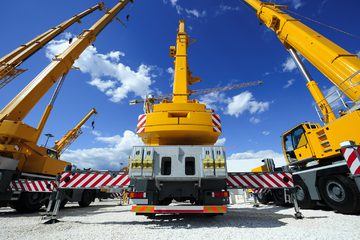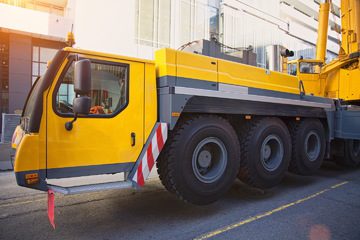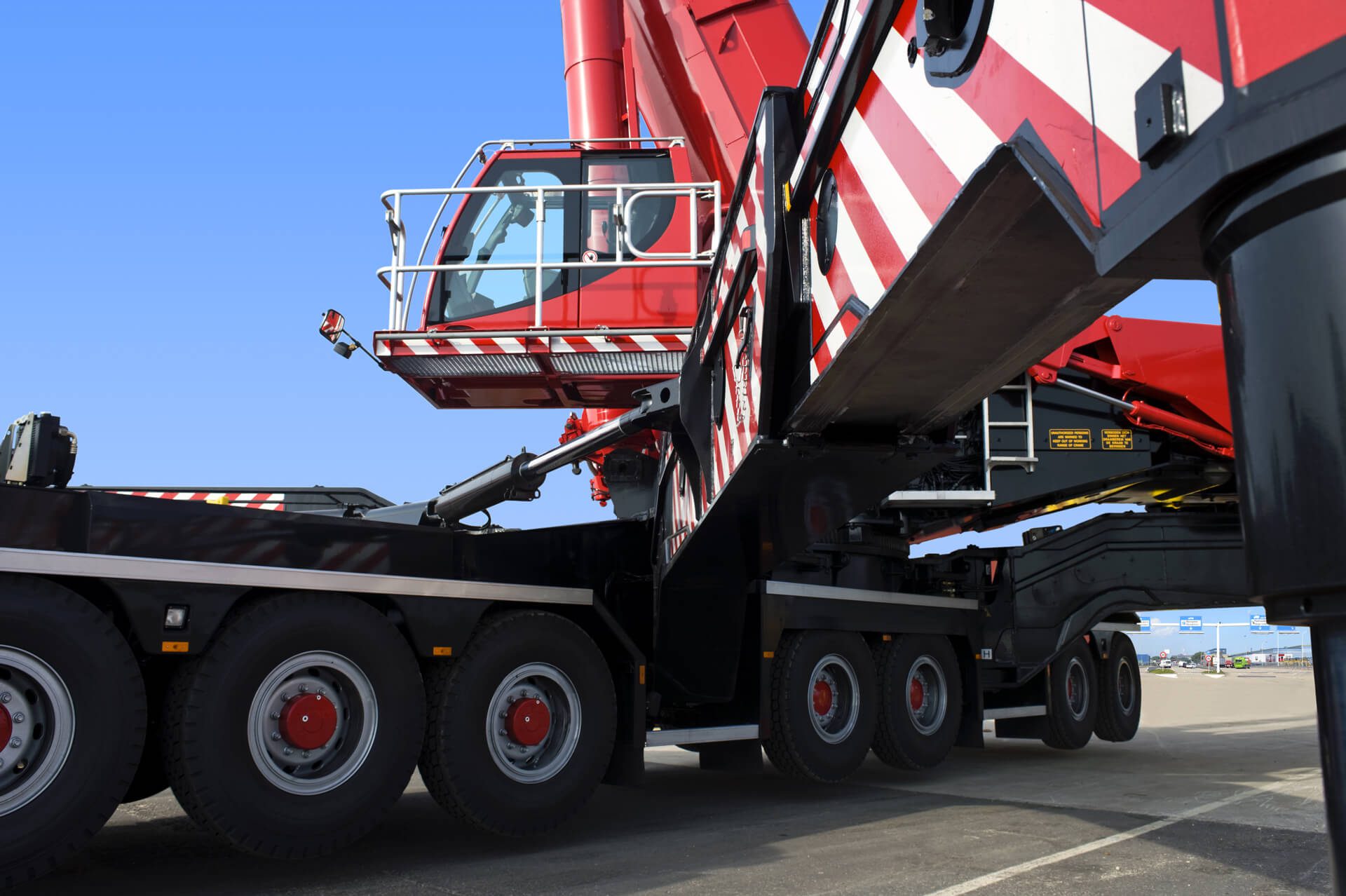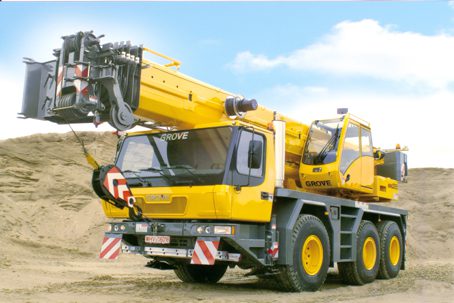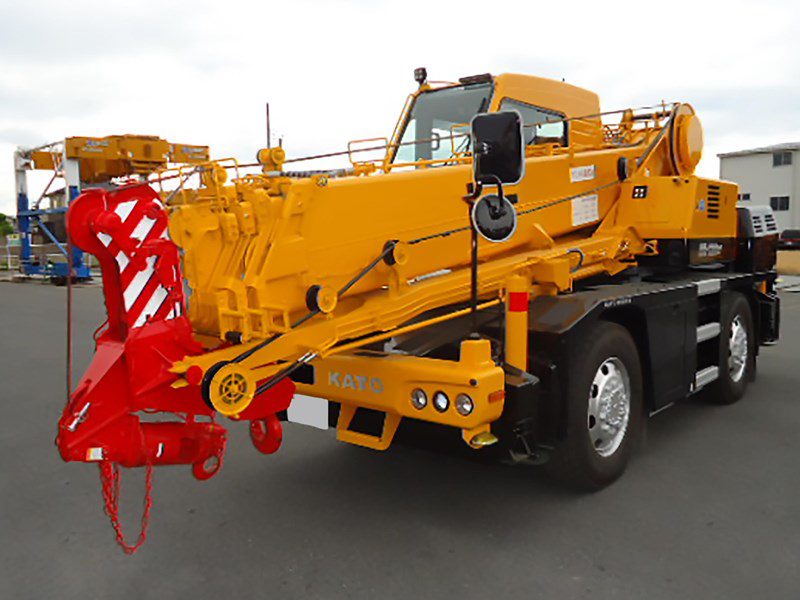
Australia’s infrastructure pipeline—spanning transport corridors, utilities, renewable energy, and urban renewal—relies on a complex ecosystem of construction capabilities. Among these, mobile crane hire occupies a pivotal yet often understated role. From lifting precast bridge segments to positioning mechanical plant on constrained urban sites, mobile cranes enable the physical execution of civil works that underpin economic growth. Their strategic value lies not only in lifting capacity, but in flexibility, speed of deployment, and adaptability across diverse project environments.
The Strategic Role of Mobile Crane Hire in Australian Infrastructure
Mobile crane hire has become integral to how infrastructure and civil projects are planned and delivered in Australia. Unlike fixed lifting solutions, mobile cranes can be transported rapidly between sites, configured for varying load requirements, and operated within tight construction programs. This mobility aligns with the fragmented and geographically dispersed nature of Australia’s infrastructure works, where projects often span regional, suburban, and inner-city locations.
In major road and rail upgrades, mobile cranes support tasks such as girder installation, track panel placement, and the erection of noise walls. On water and utilities projects, they facilitate the handling of pipes, pumps, and prefabricated treatment modules. The availability of mobile crane hire allows principal contractors to scale lifting capability up or down as project stages evolve, rather than committing to permanent plant that may be underutilised.
Supporting Urban Growth and Dense Construction Environments
Australia’s largest cities face mounting pressure to deliver infrastructure within constrained urban footprints. In these settings, mobile cranes offer a practical balance between capacity and site impact. Compact all-terrain and city-class cranes are frequently used where access is limited by existing buildings, traffic corridors, or live services.
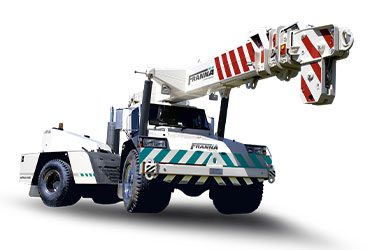
In Western Sydney, for example, the growth of logistics hubs, transport interchanges, and mixed-use developments has driven demand for specialised lifting solutions. Within this context, franna crane hire western sydney has emerged as a commonly referenced capability for projects requiring frequent relocations and rapid lifts over short distances. Franna-style pick-and-carry cranes are particularly suited to industrial and civil environments where loads must be moved horizontally as well as vertically, reducing reliance on multiple handling steps.
Deployment Across Infrastructure, High-Rise, and Civil Projects
The application of mobile crane hire varies significantly depending on project type. In large-scale infrastructure works, such as motorway expansions or rail corridors, cranes are often deployed in sequential operations, moving along the alignment as construction progresses. This approach supports linear project delivery and minimises downtime between lifts.
High-rise and major commercial developments tend to combine mobile cranes with tower or luffing cranes. Mobile units are typically used during early-stage construction for foundation works, steel erection, and plant installation, as well as during late-stage demobilisation. In civil projects, including bridges and marine works, mobile cranes provide the reach and lifting precision needed for prefabricated components, often operating from temporary platforms or barges.
The common thread across these applications is adaptability. Mobile crane hire enables contractors to respond to changing site conditions, weather constraints, and program adjustments without significant reconfiguration of permanent infrastructure.
Technological Advancements Shaping Mobile Crane Operations
Technological innovation has reshaped the mobile crane sector over the past decade. Modern cranes are equipped with advanced load moment indicators, real-time telemetry, and computer-assisted configuration systems. These technologies enhance safety by providing operators with precise data on load weights, boom angles, and ground pressures.
Digital planning tools now allow lift studies to be modelled before equipment arrives on site, reducing uncertainty and improving coordination with other trades. In some cases, GPS-enabled systems support fleet management and optimise crane utilisation across multiple projects. For infrastructure clients, these advancements translate into improved predictability and reduced risk during critical lifting operations.
Safety Standards and Compliance Frameworks in Australia
Safety remains a central consideration in mobile crane hire, particularly within high-risk construction environments. In Australia, crane operations are governed by a combination of state-based work health and safety legislation and nationally recognised standards. WorkSafe authorities in each state and territory oversee compliance, licensing, and enforcement.
Australian Standards such as AS 2550, which covers the safe use of cranes, and AS 1418, relating to crane design and manufacturing, establish baseline requirements for equipment and operations. Operators must hold appropriate high-risk work licences, and lift planning is typically subject to rigorous documentation and approval processes. For infrastructure projects, these requirements are often embedded into principal contractor safety management systems, ensuring consistency across multiple sites.
Regulatory Considerations and Industry Accountability
Beyond safety standards, regulatory considerations influence how mobile crane hire is integrated into project delivery. Local councils and transport authorities may impose restrictions on crane movements, operating hours, and road occupancy, particularly in urban areas. Compliance with these regulations requires coordination between crane providers, contractors, and government bodies.
Environmental considerations are also gaining prominence. Noise limits, emissions standards, and community impact assessments increasingly shape equipment selection and operating practices. As a result, newer crane models with lower emissions and reduced acoustic footprints are being adopted on sensitive sites, reflecting broader sustainability objectives within the construction sector.
Efficiency, Suitability, and Industry Practices
Comparing industry practices reveals that mobile crane hire is often favoured for its efficiency in short-duration or intermittent lifting tasks. Unlike fixed cranes, which require significant installation and dismantling time, mobile units can be mobilised quickly and redeployed as needed. This makes them particularly suitable for projects with multiple discrete lift points or evolving scopes.
However, suitability depends on careful planning. Ground conditions, access routes, and load characteristics must be assessed to ensure safe and efficient operation. In complex infrastructure projects, mobile cranes are increasingly integrated into collaborative planning processes alongside engineers, surveyors, and construction managers, reflecting their strategic importance rather than a purely tactical role.
The Broader Impact on Infrastructure Delivery
The contribution of mobile crane hire to infrastructure and civil projects extends beyond individual lifts. By enabling prefabrication and modular construction, cranes support broader industry trends aimed at improving productivity and reducing on-site labour risks. Components assembled off-site can be installed quickly, shortening construction timelines and enhancing quality control.
In this sense, mobile cranes act as enablers of modern construction methodologies. Their role intersects with policy objectives around infrastructure efficiency, safety, and resilience, particularly as Australia invests heavily in transport, energy, and urban renewal projects over the coming decades.
An Essential but Evolving Capability
As Australia’s infrastructure needs continue to expand, the role of mobile crane hire will remain central to project execution. The sector’s evolution—driven by technology, regulation, and urban complexity—reflects broader changes within construction and civil engineering. While cranes may operate in the background of public awareness, their strategic importance is evident in the successful delivery of the assets that support economic and social life.
Understanding how mobile crane hire functions within this ecosystem provides valuable insight into the practical realities of infrastructure development. It highlights a sector where engineering, regulation, and operational expertise converge to meet the demands of a growing and increasingly complex built environment.