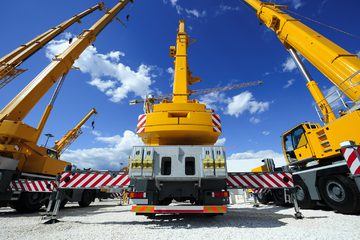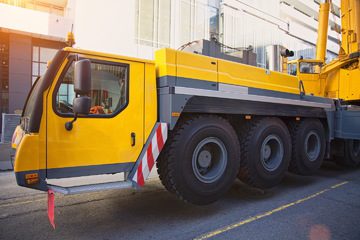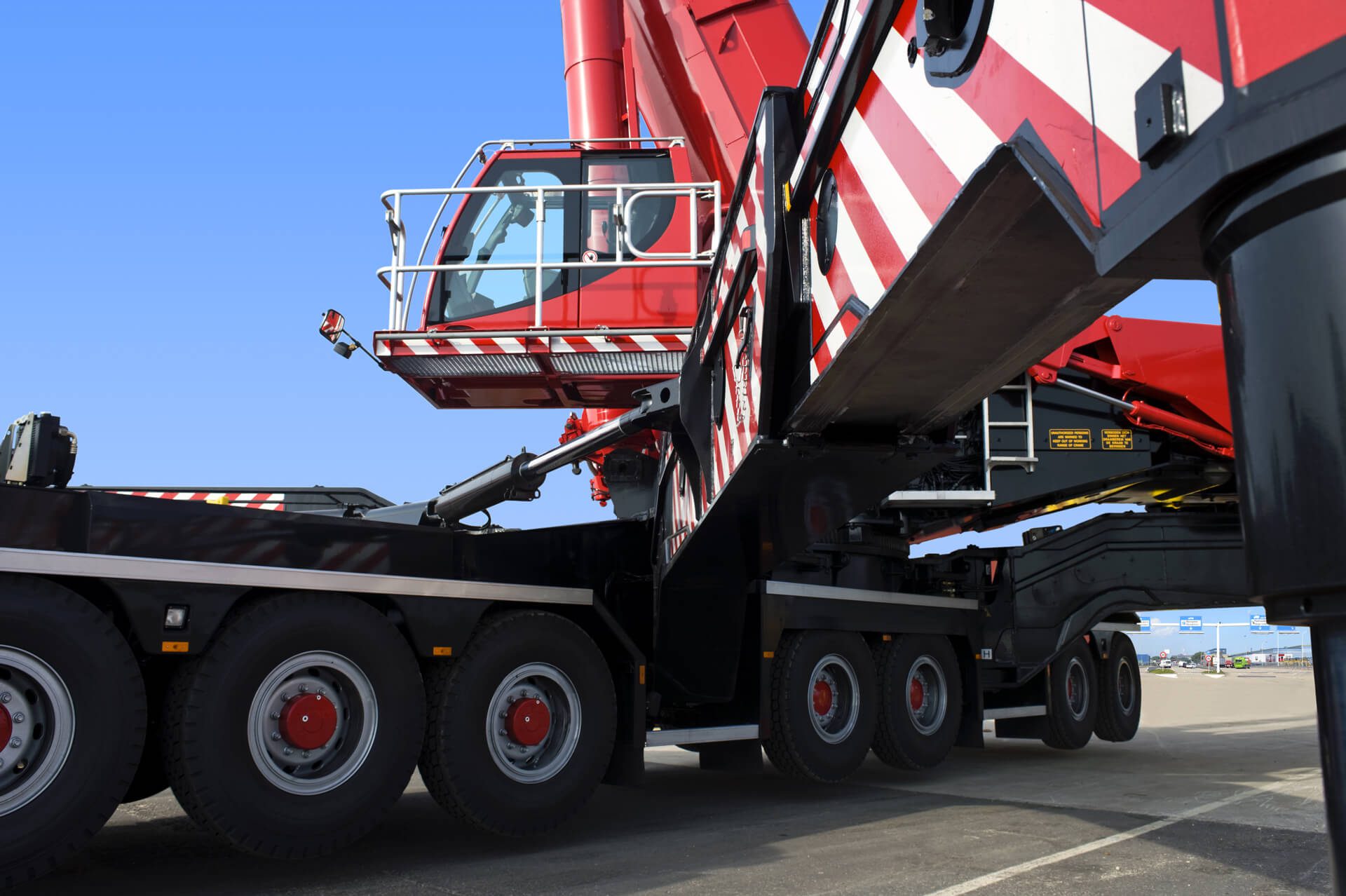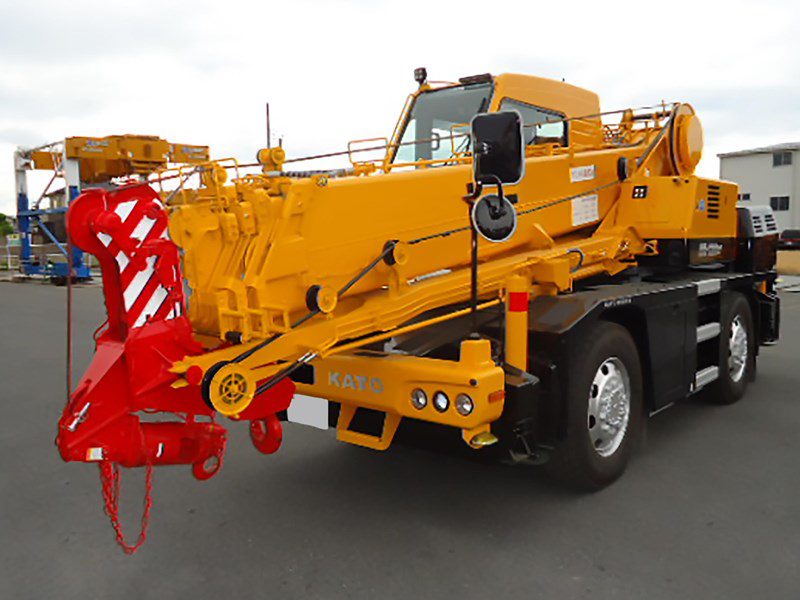
Construction downtime is one of the most persistent cost pressures facing Australia’s building and infrastructure sector. Delays caused by equipment availability, access constraints, or inefficient sequencing can cascade across projects, affecting budgets, timelines, and workforce productivity. Against this backdrop, mobile crane hire has become a central operational tool for reducing idle time, particularly as projects grow more complex and urban environments more constrained. In parallel, specialised services such as franna crane hire sydney reflect how targeted lifting solutions are being deployed to address specific inefficiencies in metropolitan construction.
This article examines how mobile crane hire contributes to reduced downtime across Australian construction sites, exploring strategic, technical, and regulatory dimensions that shape its role.
Downtime as a Structural Challenge in Construction
Downtime in construction is rarely the result of a single failure. More often, it emerges from misaligned scheduling, delayed material handling, or the inability to move heavy components when required. In Australia, where labour costs are high and regulatory compliance is stringent, even short interruptions can have disproportionate financial consequences.
Urban development intensifies this challenge. Sites are smaller, logistics are more complex, and work is frequently constrained by traffic management plans and noise restrictions. In this environment, the availability and flexibility of lifting equipment can determine whether a project maintains momentum or stalls while waiting for access or machinery.
Mobile crane hire has gained prominence precisely because it addresses these structural sources of downtime rather than treating delays as isolated incidents.
The Strategic Role of Mobile Crane Hire
At a strategic level, mobile crane hire allows construction firms to align lifting capacity with project phases rather than locking into fixed equipment for extended periods. This approach reduces idle machinery time and enables rapid response to changing site conditions.
Mobile cranes can be mobilised quickly, perform specific lifts, and demobilise once tasks are complete. This contrasts with permanent crane installations, which require long lead times for erection and dismantling. In infrastructure projects, where work progresses along corridors rather than remaining static, this mobility directly translates into reduced downtime.
In metropolitan areas, including Sydney’s expanding western suburbs, mobile crane hire also supports adaptive scheduling. Contractors can plan lifts around short work windows, such as overnight rail possessions or weekend road closures, without committing to long-term site disruption.
Franna Cranes and Task-Specific Efficiency
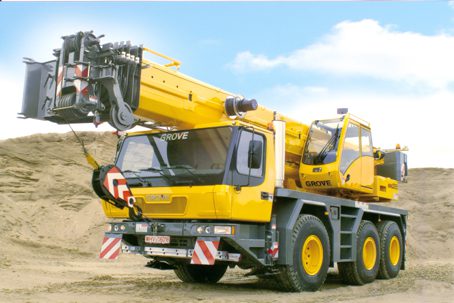
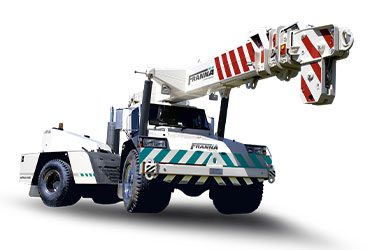
Within the broader category of mobile cranes, Franna-style pick-and-carry cranes play a distinct role in minimising downtime. The phrase franna crane hire sydney is commonly associated with short-duration, high-frequency lifts in congested environments, where repositioning speed is critical.
These cranes are designed to lift and transport loads across a site without the need for outriggers in many scenarios. This capability reduces setup time and allows materials to be moved directly from delivery points to installation areas. In practice, this can eliminate multiple handling steps, each of which introduces potential delays.
While not suitable for all lifts, this type of crane illustrates how specialised mobile crane hire options can be matched to task profiles to improve efficiency rather than relying on a one-size-fits-all approach.
Infrastructure Projects and Linear Workflows
Large infrastructure projects highlight the relationship between crane mobility and downtime reduction. Road upgrades, bridge construction, and utility installations often follow linear workflows, where work progresses incrementally along a corridor.
In these contexts, mobile crane hire enables lifting operations to move in step with construction activities. Cranes can be redeployed as soon as a section is complete, avoiding the idle periods that occur when fixed equipment remains in place despite shifting work fronts.
This approach also supports parallel tasking. While one crane performs lifts at a particular location, others can be deployed elsewhere on the project, reducing bottlenecks and smoothing workflow transitions.
High-Rise Construction and Hybrid Lifting Models
In high-rise construction, downtime is often associated with vertical logistics. Tower cranes dominate these projects, but mobile crane hire remains essential at critical transition points. Early-stage basement works, plant installation, and final dismantling phases all rely on mobile cranes to maintain continuity.
By integrating mobile crane hire into high-rise schedules, contractors can reduce waiting periods associated with tower crane availability. This hybrid model allows different lifting systems to be used where they are most effective, rather than forcing all tasks through a single bottleneck.
In dense urban sites, this flexibility can be the difference between maintaining progress and losing days to sequencing conflicts.
Technology and Planning as Downtime Mitigators
Technological advancements have amplified the downtime-reduction benefits of mobile crane hire. Digital lift planning tools enable precise sequencing, allowing engineers to identify potential clashes before equipment arrives on site. Three-dimensional modelling of lift paths and load movements reduces the likelihood of last-minute changes that cause delays.
Modern cranes are also equipped with real-time monitoring systems that improve reliability. Sensors track load limits, wind conditions, and mechanical performance, reducing unplanned stoppages caused by safety interventions or equipment faults.
These technologies shift crane operations from reactive to predictive, aligning with broader trends in data-driven construction management.
Safety, Compliance, and Predictability
Safety and compliance are often perceived as potential sources of delay, but in practice, they can reduce downtime when integrated effectively. Australian standards such as AS 1418 and AS/NZS 2550 establish clear parameters for crane operation, providing predictability for planners and site managers.
WorkSafe authorities in each state require licensed operators, documented lift plans, and risk assessments. While these requirements add upfront effort, they reduce the likelihood of incidents that cause extended shutdowns or regulatory interventions.
In metropolitan areas, where mobile crane hire frequently intersects with public spaces, compliance with traffic management and council conditions is particularly important. Predictable approvals and clear communication reduce the risk of work being halted due to non-compliance.
Urban Constraints and the Cost of Inaction
Downtime is especially costly in urban construction because delays often compound. A missed lift can affect subcontractor availability, disrupt delivery schedules, and trigger penalties linked to road or rail access agreements.
Mobile crane hire mitigates these risks by offering operational flexibility. If a lift is delayed due to weather or access issues, cranes can often be rescheduled or redeployed more easily than fixed equipment. This adaptability reduces the cascading effects of disruption.
In fast-growing urban regions, where construction activity is layered and interdependent, this resilience has become a defining advantage.
Industry Challenges and Forward Outlook
Despite its benefits, mobile crane hire is not immune to industry pressures. Skills shortages, particularly among licensed operators, can limit availability. Increasing compliance costs and urban congestion also place constraints on scheduling.
However, the underlying demand drivers remain strong. Infrastructure investment, housing development, and the shift toward prefabrication all increase the importance of efficient lifting solutions. As projects seek to compress timelines without compromising safety, the role of mobile crane hire in reducing downtime is likely to expand.
In this context, services such as franna crane hire sydney exemplify a broader industry movement toward task-specific efficiency rather than maximal capacity alone.
Reducing Downtime as a Systemic Outcome
Ultimately, mobile crane hire reduces downtime not through a single mechanism but by contributing to a more adaptable construction system. Mobility, technological integration, regulatory clarity, and task-specific equipment selection all interact to minimise idle time.
For Australia’s construction sector, where productivity gains are closely scrutinised, these factors matter at both project and policy levels. Mobile crane hire has become a practical response to the realities of modern building, offering a way to keep sites moving even as constraints multiply.
In an industry defined by complexity, reducing downtime is less about eliminating disruption entirely and more about managing it intelligently. Mobile crane hire has emerged as one of the most effective tools in achieving that balance.