Australia’s central business districts are undergoing sustained transformation as cities respond to population growth, commercial demand, and infrastructure renewal. Building upward within constrained urban cores has become the defining characteristic of this development cycle. At the centre of these projects are cranes engineered for precision, reach, and spatial efficiency. Among them, luffing cranes have emerged as a critical tool for construction in dense CBD environments, shaping how high-rise and mixed-use developments are delivered safely and efficiently.
The Strategic Importance of Luffing Cranes in CBD Development
Luffing cranes play a distinct strategic role in modern Australian construction by enabling vertical building within highly constrained footprints. Unlike flat-top or hammerhead cranes, luffing cranes feature a jib that can be raised and lowered, allowing loads to be lifted without oversailing adjacent properties. This capability is particularly valuable in CBDs, where developments are tightly bounded by neighbouring buildings, transport corridors, and public spaces.
As cities such as Sydney, Melbourne, and Brisbane intensify, luffing crane hire has become integral to project feasibility. Developers and planners increasingly rely on these cranes to comply with airspace restrictions and planning approvals that limit crane slewing over neighbouring sites. Their deployment reflects a broader shift toward construction methods that accommodate urban density rather than resist it.
How Luffing Cranes Differ from Other Crane Types
The operational characteristics of luffing cranes set them apart from other tower crane configurations. Their ability to luff the jib vertically reduces horizontal reach when not actively lifting, minimising conflicts with surrounding structures. This contrasts with hammerhead cranes, which require wider clearances and are less adaptable in confined environments.
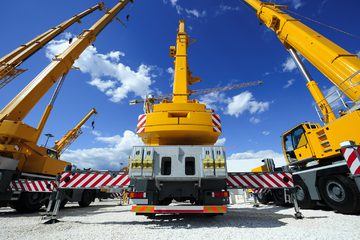
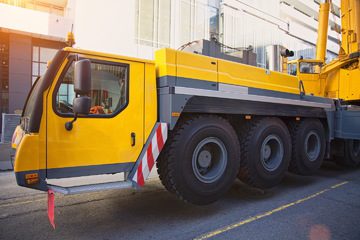
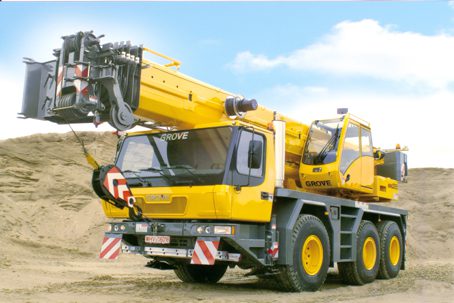
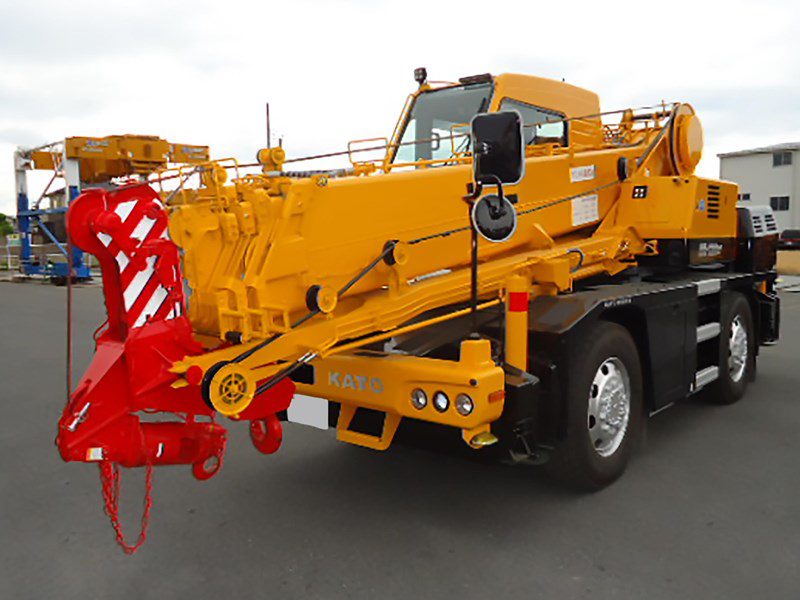
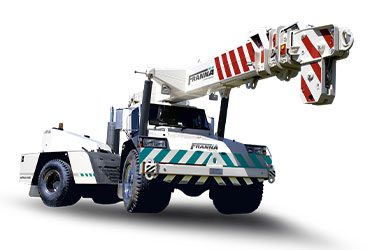
In CBD projects, luffing cranes are often used in combination with other lifting equipment. For example, franna crane hire sydney may support ground-level logistics, such as unloading materials and positioning components for vertical lifts. This layered approach to lifting reflects how different crane types are deployed strategically across a single site to optimise efficiency while managing spatial constraints.
Supporting High-Rise Construction in Dense Urban Areas
High-rise construction places unique demands on lifting operations. Materials must be transported vertically over long distances, often through narrow delivery windows dictated by traffic management plans and local regulations. Luffing cranes support these requirements by offering precise load control and the ability to operate within restricted airspace.
In Australian CBDs, where projects often proceed alongside active commercial and residential precincts, the margin for error is minimal. Luffing cranes allow contractors to maintain lifting productivity without compromising safety or encroaching on neighbouring developments. Their role is not merely functional but strategic, enabling projects to proceed that might otherwise face planning or regulatory obstacles.
Regulatory Framework Governing Crane Operations in Australia
Crane operations in Australia are governed by a comprehensive regulatory framework designed to manage the risks associated with high-risk plant. Work health and safety legislation, implemented at state and territory level, establishes duties for crane owners, operators, and principal contractors. Regulators such as SafeWork NSW and other WorkSafe authorities oversee compliance through inspections and enforcement activities.
Australian Standards play a central role in defining technical expectations. Standards such as AS 1418, which addresses crane design, and AS 2550, which focuses on safe use, provide guidance on installation, operation, and maintenance. For luffing cranes operating in CBDs, these standards are particularly relevant due to the complex load paths, wind effects, and proximity to the public.
Managing Safety Risks in Constrained CBD Environments
Operating cranes in CBDs introduces elevated safety risks due to limited space and constant interaction with surrounding infrastructure. Wind effects are amplified at height, and sudden gusts between tall buildings can affect load stability. Luffing cranes are designed to mitigate some of these risks through controlled jib movement, but safe operation still depends on rigorous planning and monitoring.
Site-specific risk assessments and lift plans are standard practice on CBD projects. These documents consider factors such as exclusion zones, pedestrian management, and coordination with adjacent sites. Regulatory expectations require these controls to be reviewed continuously, recognising that CBD construction environments are dynamic rather than static.
Technological Innovations Shaping Luffing Crane Operations
Technological advancements have significantly influenced how luffing cranes are used on modern projects. Contemporary cranes are equipped with load moment indicators, wind speed sensors, and anti-collision systems that enhance operational awareness. These technologies are particularly valuable in CBDs, where multiple cranes may operate in close proximity.
Digital monitoring systems allow data to be collected and analysed over time, supporting predictive maintenance and operational planning. For long-duration CBD projects, this data-driven approach helps reduce downtime and identify emerging risks before they escalate. Technology, however, complements rather than replaces the need for skilled operators and robust procedural controls.
Comparing Industry Practices Across Project Types
The way luffing cranes are deployed varies depending on project context. In large infrastructure projects located away from city centres, spatial constraints are often less severe, and hammerhead cranes may offer greater efficiency. In CBD developments, however, the balance shifts decisively in favour of luffing cranes due to their adaptability.
Mixed-use developments illustrate this contrast clearly. Lower-rise podium construction may rely on mobile cranes or frannas for flexibility, while upper-level works transition to luffing cranes as height and density increase. This staged approach demonstrates how industry practices adapt to changing risk profiles and operational requirements over a project’s lifecycle.
Licensing, Competency, and Workforce Considerations
All crane operations in Australia require appropriately licensed operators, with luffing cranes classified as high-risk plant. Operators must hold high-risk work licences issued by state authorities, reflecting the complexity of crane controls and load management. Doggers and riggers supporting these operations are also subject to competency and licensing requirements.
CBD projects often involve extended construction timelines and multiple contractors, increasing the importance of workforce consistency and training. Regulatory frameworks place responsibility on principal contractors to ensure that all personnel remain competent and familiar with site-specific procedures. Maintaining these standards over time is a persistent challenge in complex urban projects.
The Role of MantiKore Cranes in Urban Construction Contexts
MantiKore Cranes and CBD Project Operations
Within Australia’s urban construction sector, organisations such as MantiKore Cranes operate against the backdrop of these technical and regulatory demands. Their involvement in luffing crane hire places them within projects where spatial constraints, safety expectations, and long-term operational planning intersect. By functioning within established Australian compliance frameworks and adapting to the specific challenges of CBD construction, such participants illustrate how crane operations are integrated into broader project delivery strategies rather than treated as standalone services.
Broader Implications for Urban Development
The growing reliance on luffing cranes reflects wider changes in how Australian cities are built. As CBDs densify, construction methods must evolve to minimise disruption while maximising efficiency. Luffing crane hire supports this transition by enabling vertical development within tight urban envelopes, aligning construction capability with planning realities.
At the same time, the visibility of cranes in city centres places public attention on safety and governance. Incidents involving cranes can undermine confidence in development programs, making effective regulation and industry discipline essential to sustaining urban growth.
Conclusion: Enabling Vertical Growth in Australian CBDs
Luffing cranes have become a cornerstone of CBD construction in Australia, offering solutions to the spatial, regulatory, and logistical challenges of building in dense urban environments. Their strategic deployment, supported by robust safety standards and technological innovation, enables projects that shape the future of Australian cities. As urban development continues to intensify, the role of luffing crane hire will remain central to balancing efficiency, safety, and community expectations in the nation’s most complex construction settings.