As Australian cities continue to build upward rather than outward, construction activity is increasingly shaped by airspace constraints and oversailing regulations. In dense urban environments, cranes no longer operate solely within site boundaries; their jibs, loads, and operational envelopes often intersect with neighbouring properties, public land, and controlled airspace. Against this backdrop, luffing crane hire has emerged as a critical response to regulatory and spatial pressures, particularly in complex metropolitan regions such as Western Sydney.
Urban Density and the Rising Importance of Airspace Management
Australia’s major cities are experiencing sustained vertical growth driven by housing demand, infrastructure investment, and planning policies favouring higher density. This shift has placed unprecedented emphasis on airspace management. Construction sites are frequently bordered by occupied buildings, transport corridors, and public spaces, leaving little margin for uncontrolled crane movement.
Traditional horizontal jib tower cranes, while efficient in open sites, can struggle to comply with oversailing restrictions in tightly constrained areas. In response, luffing crane hire has become strategically important, offering a way to reconcile construction efficiency with legal and community expectations around airspace use.
Understanding Luffing Cranes in a Regulatory Context
Luffing cranes differ from conventional tower cranes in their ability to raise and lower the jib vertically. This movement allows operators to reduce the horizontal radius when loads are not being lifted, significantly limiting oversail beyond site boundaries. From a regulatory perspective, this characteristic is central to their value.
Oversailing rules in Australia are typically enforced through local planning approvals and property law arrangements. Councils often require developers to demonstrate that crane operations will minimise intrusion into neighbouring airspace. Luffing cranes provide a technical solution that aligns with these requirements, particularly where oversailing agreements are difficult to secure.
Strategic Role in Modern Australian Construction
Luffing crane hire plays a strategic role in enabling construction to proceed on sites that might otherwise be considered unviable. In dense precincts, the ability to confine crane movement within a narrow envelope can determine whether planning consent is granted.
This strategic value is evident in large-scale residential and commercial developments, where multiple towers are constructed in close proximity. By reducing jib swing and oversail, luffing cranes allow projects to coexist within tight urban grids, supporting broader city planning objectives without compromising safety or compliance.
Comparing Crane Approaches Across Project Types
Different construction contexts demand different crane strategies. On large infrastructure projects with expansive footprints, conventional tower cranes or mobile cranes may operate with minimal airspace restrictions. In contrast, high-rise developments in established suburbs face far stricter controls.
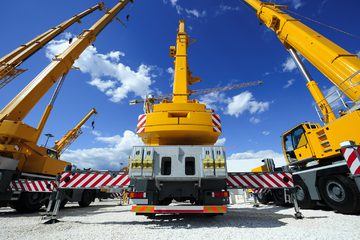
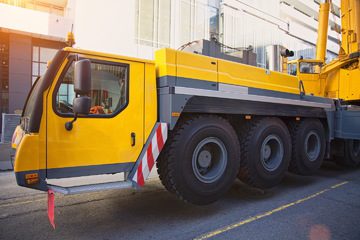
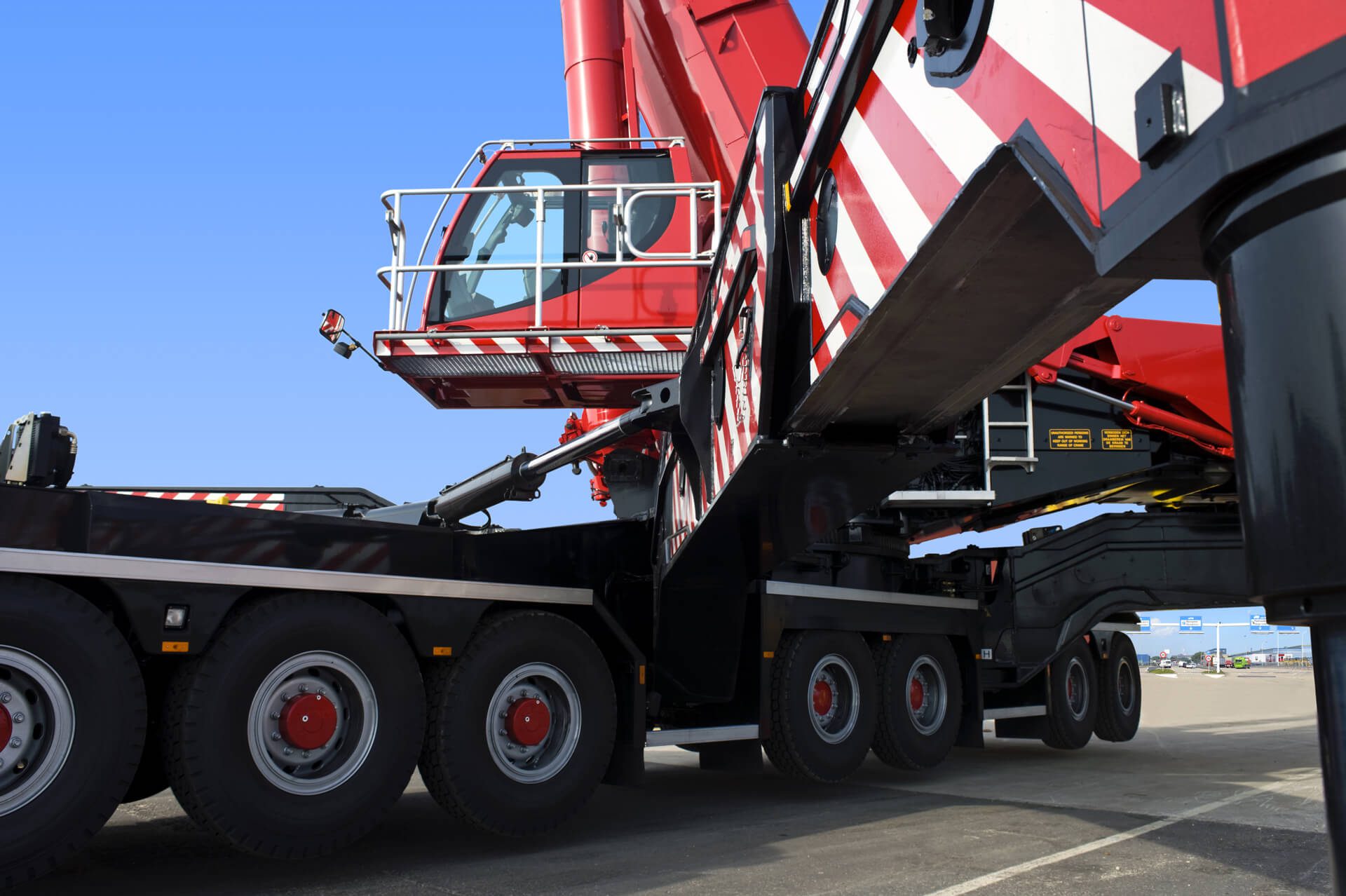
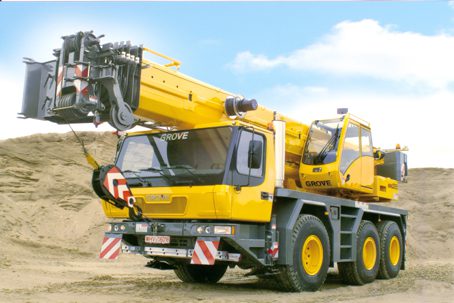
Luffing cranes are particularly suited to high-rise construction in dense urban settings, where vertical lifting dominates and horizontal reach can be limited. By comparison, mobile cranes offer flexibility but often require road closures and extensive exclusion zones, which can be impractical in busy city centres. These distinctions underline why crane selection has become a strategic planning decision rather than a purely technical one.
Western Sydney and the Challenge of Urban Expansion
Western Sydney presents a unique mix of high-density growth, transport infrastructure, and evolving planning frameworks. While some areas offer more space than inner-city precincts, others are rapidly densifying around transport hubs and town centres. In these environments, crane hire western sydney increasingly involves navigating a patchwork of local council requirements and state planning controls.
Luffing crane hire has proven particularly relevant in these contexts, where projects must balance growth ambitions with community expectations. The ability to limit oversail can reduce objections during the planning process and simplify negotiations with adjacent landowners.
Safety Standards and Compliance Frameworks
Crane operations in Australia are governed by rigorous safety standards designed to manage high-risk construction activities. Australian Standards such as AS 2550, which addresses the safe use of cranes, and AS 1418, covering crane design, establish the technical baseline for compliance. These standards apply equally to luffing cranes, with additional emphasis on control systems and operational limits.
Work health and safety regulators, including SafeWork NSW, require comprehensive risk assessments for crane operations. For luffing cranes, this includes detailed analysis of jib movement, load paths, and interaction with surrounding structures. Compliance is not merely procedural; it directly influences crane configuration and operational protocols.
Licensing, Competency, and Operational Control
Operating a luffing crane requires highly specialised skills. Operators must hold the appropriate High Risk Work Licence and demonstrate competence in managing complex lifting scenarios. The vertical movement of the jib introduces additional considerations around load stability and wind sensitivity.
Planning for luffing crane hire therefore extends to workforce availability and training. In regions experiencing high construction demand, securing experienced operators can be a constraint, reinforcing the need for early planning and coordination.
Technological Innovations Supporting Compliance
Advances in crane technology have strengthened the case for luffing cranes in regulated airspace. Modern systems incorporate real-time monitoring, programmable slew limits, and anti-collision technology. These features allow precise control over crane movement, reducing the risk of inadvertent oversail.
Digital modelling tools, including building information modelling, are increasingly used during planning to simulate crane operations. By visualising jib movement and load paths, planners can demonstrate compliance with airspace restrictions before construction begins. This proactive approach has become an important part of regulatory submissions for complex urban projects.
Legal and Planning Considerations Around Oversailing
Oversailing is not solely a technical issue; it is also a legal one. In Australia, operating a crane over neighbouring property typically requires consent, often formalised through oversailing agreements. Negotiating these agreements can be time-consuming and uncertain, particularly in areas with multiple stakeholders.
Luffing crane hire can reduce reliance on such agreements by limiting oversail to short, controlled periods or eliminating it altogether. This legal advantage can streamline project approvals and reduce exposure to disputes, particularly in contested urban developments.
Infrastructure Projects and Airspace Constraints
While luffing cranes are most commonly associated with building construction, they also play a role in infrastructure projects within constrained corridors. Rail stations, precinct redevelopments, and transport interchanges often involve construction adjacent to live operations and public space.
In these settings, controlling crane movement is critical to maintaining safety and operational continuity. Luffing cranes offer a means of managing these risks, although their higher complexity and cost require careful justification within project budgets.
Industry Perspective: MantiKore Cranes and Airspace Planning
Industry Context: MantiKore Cranes in Regulated Urban Environments
Within Australia’s construction sector, organisations such as MantiKore Cranes operate in a landscape increasingly shaped by airspace regulation and urban density. Their work reflects the broader industry shift toward crane solutions that integrate regulatory compliance into early planning. This context illustrates how luffing crane hire has become part of a multidisciplinary response to planning, legal, and safety challenges rather than a standalone equipment choice.
Balancing Efficiency, Compliance, and Urban Impact
Luffing crane hire is not a universal solution, but its role in managing airspace and oversailing constraints is now firmly established. These cranes offer a way to align construction activity with the realities of dense urban environments, where regulatory scrutiny and community expectations are high.
As Australian cities continue to evolve, the intersection of engineering, planning, and law will increasingly shape construction methodologies. Luffing cranes sit at this intersection, demonstrating how technical innovation can support compliance without undermining productivity. In doing so, they provide insight into how the construction industry adapts to the complex demands of modern urban development.