In Australia’s bustling construction landscape, the demand for heavy lifting equipment has surged alongside urban expansion and infrastructure projects. The Southern Highlands region, nestled in New South Wales, exemplifies this trend, where tower crane hire plays a pivotal role in enabling timely project delivery. Yet questions persist about the actual speed of securing and deploying these machines—factors that can make or break tight deadlines in high-rise and dense urban builds. As developers grapple with rising costs and regulatory hurdles, understanding the pace of tower crane hire offers critical insights for industry stakeholders.
The Strategic Role of Cranes in Modern Australian Construction
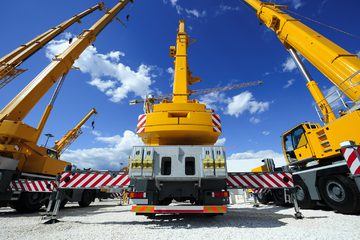
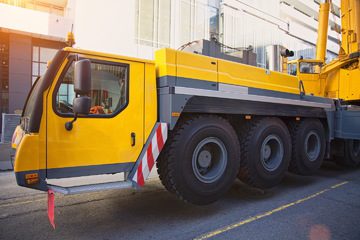
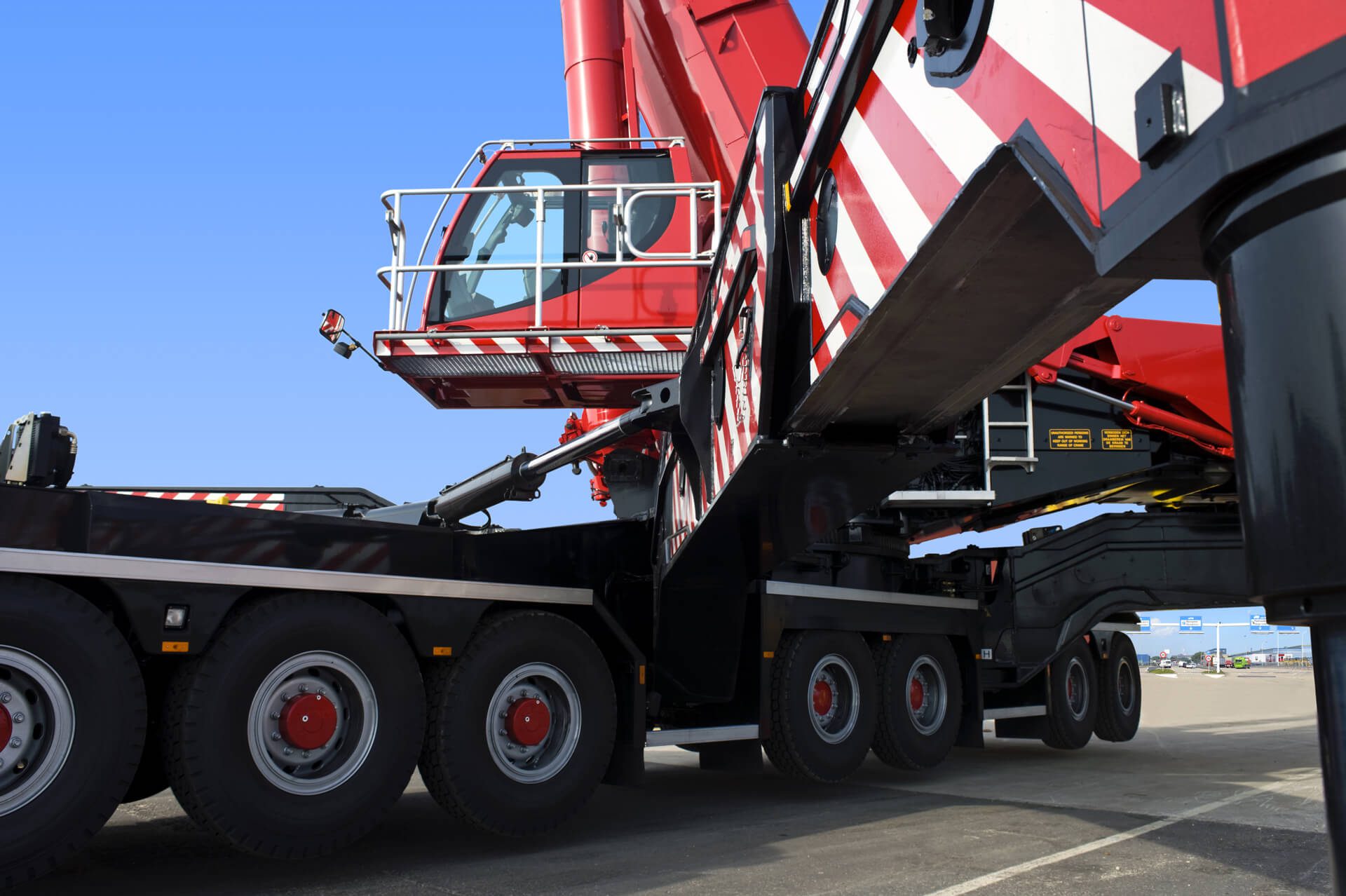
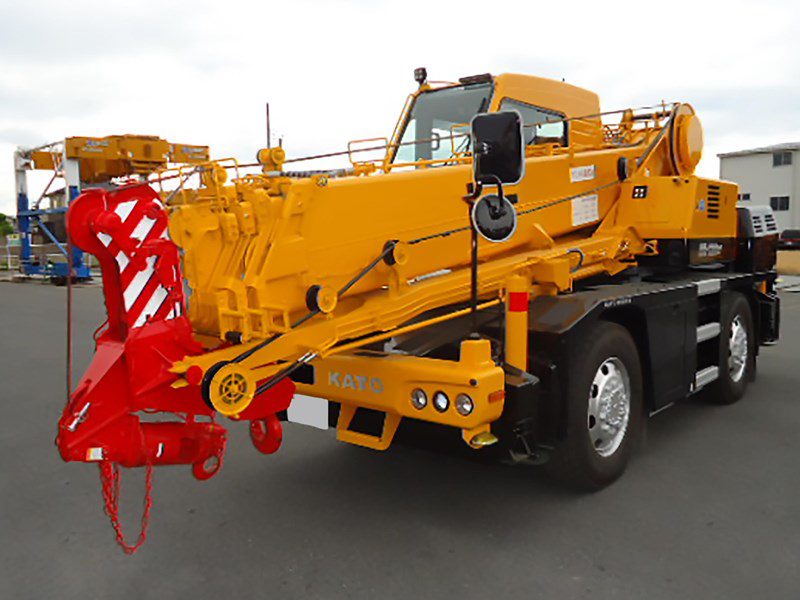
Cranes have become indispensable in shaping Australia’s skylines, facilitating the vertical growth essential to accommodating a growing population. In urban development, tower crane hire supports the erection of high-rise buildings, where precision and height are paramount. These fixed-position machines excel in repetitive lifting tasks over extended periods, allowing construction teams to maintain momentum on projects that span months or years. By contrast, mobile alternatives provide flexibility for shorter-term needs, adapting to varied site conditions across infrastructure initiatives like bridges and highways.
In dense urban environments, different crane types address specific challenges. For instance, in projects requiring sustained elevation, tower cranes offer superior reach and capacity, streamlining workflows and reducing downtime. This strategic deployment enhances overall efficiency, as crews can focus on assembly rather than repositioning equipment. Meanwhile, in suburban or regional settings, mobile cranes often prove more suitable due to their mobility and quicker setup times, highlighting distinctions in application that influence project outcomes.
The integration of such equipment underscores broader trends in Australian construction, where urban sprawl demands innovative solutions. Efficiency gains from proper crane selection can accelerate timelines by up to 20 percent, according to industry analyses, though suitability depends on factors like site access and load requirements. As cities like Sydney expand outward, the choice between fixed and mobile options becomes a key strategic decision, balancing cost against performance in an increasingly competitive sector.
Regional Variations in Crane Hire Practices
The Southern Highlands, with its mix of residential expansions and commercial developments, presents unique dynamics for tower crane hire. Local providers emphasize prompt service, often mobilizing units within days of inquiry, depending on availability and project scale. This region benefits from proximity to major suppliers in Sydney, enabling faster logistics compared to more remote areas. However, seasonal demands—peaking during drier months—can extend lead times, prompting questions about true responsiveness in a market where delays ripple through supply chains.
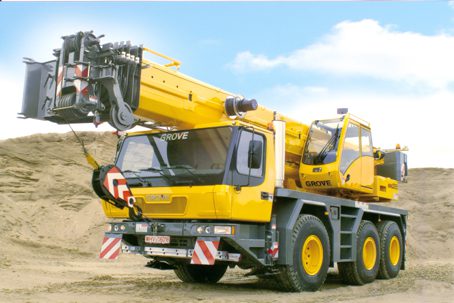
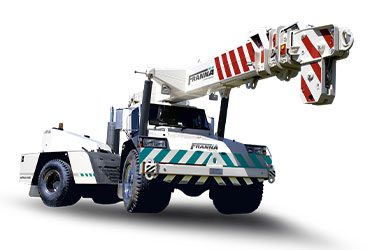
Comparatively, practices in other parts of New South Wales reveal contrasts in efficiency and application. In Western Sydney, where industrial and suburban projects dominate, franna crane hire western sydney stands out for its agility in confined spaces. These pick-and-carry models, known for their maneuverability on uneven terrain, suit tasks like machinery relocation or short-haul lifts, often deploying faster than tower setups due to minimal assembly needs. While tower crane hire in the Southern Highlands might involve weeks for installation on high-rise sites, Franna options in urban fringes can be operational in hours, illustrating how regional infrastructure influences crane suitability.
Such distinctions extend to efficiency metrics. Tower cranes, with their higher lifting capacities, prove ideal for vertical builds but require extensive planning, including foundation preparation that can add days to timelines. In contrast, mobile variants like Frannas offer cost-effective alternatives for horizontal movements in dense projects, where space constraints limit fixed installations. Industry professionals note that while tower crane hire drives large-scale urban development, mobile hires enhance adaptability in Australia’s varied landscapes, ensuring projects align with local conditions for optimal results.
Technological Advancements Shaping the Sector
Innovation continues to redefine crane operations in Australia, pushing boundaries in speed and precision. Modern tower cranes incorporate smart sensors that monitor loads, wind speeds, and positions in real-time, allowing operators to adjust dynamically and minimize risks. These advancements, adopted widely in urban projects, have reduced setup times through automated erection systems, enabling faster deployment in regions like the Southern Highlands.
Anti-collision technologies represent another leap forward, particularly in multi-crane sites common to high-rise developments. By integrating GPS and radar, these systems prevent overlaps, enhancing safety and workflow efficiency. In infrastructure contexts, hybrid electric models are gaining traction, offering quieter operation and lower emissions to meet environmental standards. Such features not only accelerate project paces but also extend equipment longevity, addressing challenges in a sector facing skilled labor shortages.
Regulatory bodies have encouraged these shifts, with standards evolving to incorporate digital tools. For example, remote monitoring apps allow site managers to oversee operations from afar, streamlining decisions and reducing on-site delays. As Australia invests in sustainable urban growth, these technologies bridge gaps between traditional methods and future demands, ensuring crane hire remains a cornerstone of efficient construction.
Safety Standards and Compliance in Australian Crane Operations
Australia’s rigorous safety frameworks underpin all crane activities, with WorkSafe authorities enforcing standards that prioritize worker protection. The AS/NZS 2550 series outlines requirements for crane design, inspection, and maintenance, mandating regular assessments to mitigate hazards like structural failures. In tower crane hire scenarios, compliance involves 10-year major inspections, as stipulated by Safe Work Australia, to verify integrity amid heavy use.
Mobile cranes, including those used in franna crane hire western sydney contexts, fall under similar codes, with the Mobile Crane Code of Practice emphasizing risk management hierarchies. Duty holders must address everything from operator licensing—requiring high-risk work credentials—to site-specific plans that account for ground stability and overhead power lines. These measures, informed by incidents in urban settings, ensure that efficiency does not compromise safety.
Government oversight extends to training, with bodies like Safe Work Australia providing guides on crane management. Innovations like load moment indicators are now standard, aligning with regulatory pushes for proactive hazard control. As construction scales up, adherence to these protocols remains essential, fostering a culture where speed in hiring translates to secure, reliable operations across diverse projects.
Challenges and Outlook for Crane Hire in Australia
Despite advancements, the sector faces hurdles that affect the speed of tower crane hire. Supply chain disruptions, exacerbated by global events, can delay equipment availability in regions like the Southern Highlands, where demand outpaces local fleets. Labor shortages further complicate matters, as qualified operators are in short supply, extending mobilization times even for urgent needs.
Looking ahead, industry shifts toward sustainability promise to reshape practices. Electric and hybrid cranes could reduce reliance on diesel, aligning with national carbon goals, while AI-driven predictive maintenance might preempt breakdowns, enhancing overall responsiveness. In comparisons between tower and mobile hires, such as franna crane hire western sydney, flexibility will likely favor adaptable models in suburban expansions, whereas towers retain dominance in vertical urban cores.
Ultimately, the pace of tower crane hire in the Southern Highlands reflects broader Australian trends: a blend of regional logistics, technological integration, and regulatory rigor. As urban development accelerates, stakeholders must navigate these elements to sustain momentum, ensuring that construction keeps pace with the nation’s ambitions. With careful planning, the sector can achieve faster, safer outcomes, solidifying cranes’ role in building tomorrow’s infrastructure.