Australia’s construction sector stands at a pivotal moment where ambitious architectural visions collide with practical realities of execution. From residential developments in Sydney’s expanding northern corridors to complex infrastructure projects reshaping the nation’s urban fabric, the gap between design concept and completed structure depends critically on equipment deployment decisions made long before ground is broken. The question facing project managers, contractors, and developers extends beyond simple logistics: how can lifting equipment selection transform theoretical blueprints into tangible structures while navigating budget constraints, safety imperatives, and increasingly complex regulatory environments?
The Strategic Foundation of Equipment Selection
Mobile crane hire has evolved from a straightforward procurement decision into a strategic consideration that influences project viability, timeline adherence, and financial outcomes. The Australian construction industry’s $360 billion annual economic contribution relies on countless decisions about equipment deployment, each carrying implications that ripple through project lifecycles. Unlike fixed infrastructure investments where equipment remains stationary throughout construction phases, mobile lifting solutions offer adaptability that aligns with the dynamic nature of modern building projects.
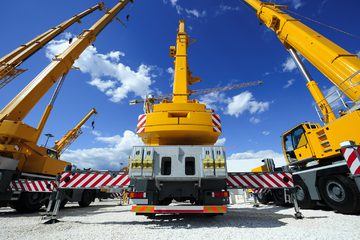
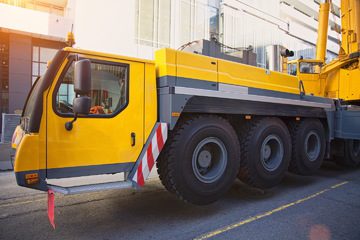
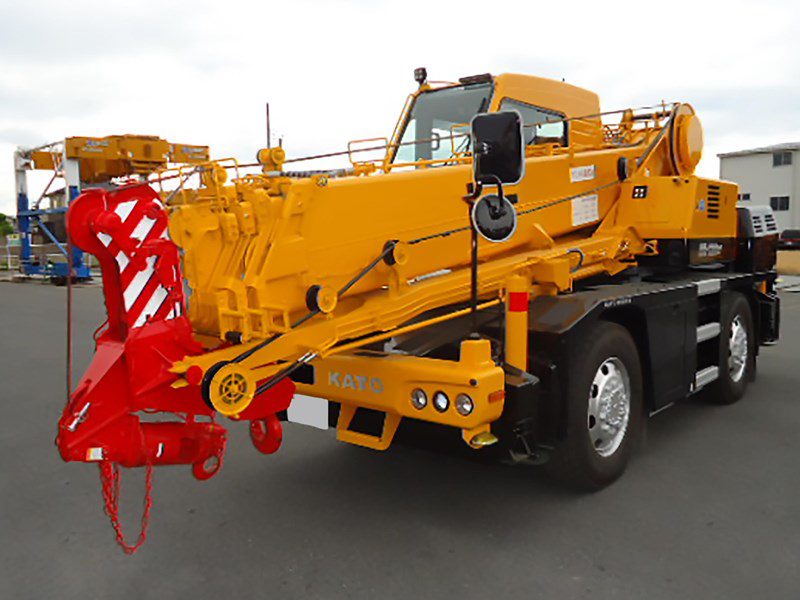
The distinction between various crane types reflects fundamental differences in operational philosophy and project requirements. Mobile cranes provide versatility across diverse applications, from positioning structural steel in high-rise developments to installing mechanical systems in industrial facilities. Their capacity for rapid repositioning and deployment across multiple sites makes them particularly valuable in markets where contractors manage concurrent projects or face unpredictable workflow patterns. This flexibility comes with trade-offs in lifting capacity and operational efficiency compared to specialized alternatives, creating strategic choices that demand careful analysis.
Industry data suggests that equipment-related decisions account for approximately eighteen percent of total project costs in commercial construction, with lifting equipment representing a substantial portion of this expenditure. The calculation extends beyond rental rates to encompass mobilization expenses, operator costs, insurance premiums, and potential delay impacts. Projects that optimize equipment selection through detailed planning typically achieve completion timelines five to twelve percent faster than those addressing lifting requirements reactively, according to analysis from the Australian Constructors Association.
Regional Dynamics and Specialized Applications
Sydney’s northern region presents distinctive characteristics that shape equipment deployment strategies. The area’s combination of established residential neighborhoods, emerging commercial districts, and ongoing infrastructure development creates diverse lifting requirements within relatively confined geographic boundaries. Projects in these areas frequently encounter site constraints including limited access points, proximity to active residential areas, and integration with existing infrastructure that complicate equipment deployment.
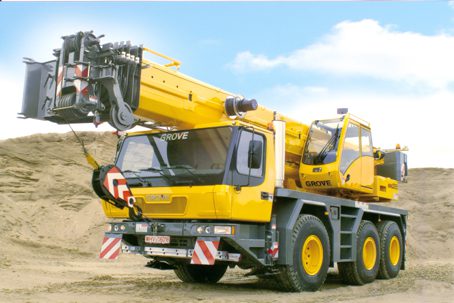
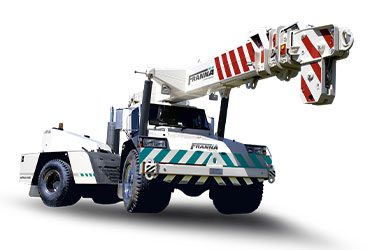
Franna crane hire northern Sydney has become particularly relevant as the region experiences transformation driven by population growth and economic diversification. These pick-and-carry cranes, developed specifically for Australian conditions, offer unique capabilities that address specific operational challenges. Their compact footprint and maneuverability enable access to confined sites where larger mobile cranes cannot operate effectively, while their capacity to travel with loads provides efficiency advantages in projects requiring frequent repositioning.
The technical specifications of Franna cranes reflect design priorities distinct from conventional mobile cranes. With lifting capacities typically ranging from fifteen to twenty-five tonnes, these machines occupy a specialized niche between smaller utility cranes and heavy-duty mobile units. Their four-wheel drive capability and compact dimensions enable operation on uneven terrain and within tight spatial constraints common in urban redevelopment projects. The ability to pick loads, travel across sites, and position materials without requiring outrigger deployment delivers time savings that translate directly to project economics.
Regulatory Framework and Compliance Architecture
Australia’s approach to crane operations reflects sophisticated risk management principles developed through decades of industry experience and periodic tragic incidents that highlighted safety vulnerabilities. The national Work Health and Safety framework establishes requirements that govern equipment standards, operator licensing, lift planning protocols, and worksite management practices. SafeWork NSW maintains jurisdiction over construction safety in New South Wales, enforcing regulations through inspection programs, incident investigation, and compliance actions against operators who fail to meet prescribed standards.
The licensing regime for crane operators distinguishes between equipment types and capacity ranges, recognizing that different machines demand distinct competencies and knowledge bases. High-risk work licenses for crane operation require candidates to demonstrate both theoretical understanding and practical proficiency through assessments conducted by registered training organizations. The system mandates periodic license renewal that includes competency reassessment, ensuring operators maintain currency with evolving equipment technologies and safety practices.
Beyond individual licensing, the regulatory architecture requires comprehensive documentation of lifting operations exceeding specified thresholds. Lift plans must address load characteristics, equipment configurations, ground conditions, proximity hazards, and emergency response protocols. These documents serve dual purposes: they provide operational guidance for work crews while creating accountability records for regulatory review. Industry observers note significant variation in how thoroughly different operators implement planning requirements, with some treating documentation as perfunctory compliance exercises while others embed planning deeply within safety culture.
The Australian Standard AS 2550 series establishes technical specifications covering crane design, inspection intervals, testing protocols, and operational parameters. Compliance represents a baseline expectation rather than a competitive differentiator, yet the standard’s complexity leaves considerable room for interpretation in practical application. Equipment maintenance practices, inspection thoroughness, and documentation rigor vary across the industry, creating quality distinctions that may not be immediately apparent to clients evaluating service providers.
Technological Evolution and Operational Enhancement
The construction equipment sector has experienced substantial technological advancement over the past decade, transforming capabilities available through mobile crane hire services. Load moment indication systems now provide real-time analysis of crane configurations, calculating safe working loads based on boom length, angle, ground conditions, and environmental factors. These systems prevent operators from exceeding equipment limitations, automatically halting operations when parameters approach unsafe thresholds.
Telematics integration enables remote monitoring of equipment performance, operator behavior, and maintenance requirements. Fleet managers can track utilization patterns, identify efficiency opportunities, and schedule preventative maintenance based on actual operating hours rather than arbitrary time intervals. This data-driven approach reduces unplanned downtime while extending equipment lifecycles through optimized maintenance timing. For clients, telematics provides visibility into equipment deployment and utilization that supports more accurate project planning and cost allocation.
Advanced operator assistance technologies represent the current frontier in crane innovation. Camera systems provide enhanced visibility around equipment perimeters, addressing blind spots that historically contributed to ground-level incidents. Automated load positioning systems assist operators in precisely placing materials, reducing cycle times while minimizing positioning errors that can cascade into construction delays. While fully autonomous crane operation remains impractical given the complexity and variability of construction environments, these assistance technologies enhance human capabilities rather than attempting to replace operator judgment.
Economic Considerations and Project Optimization
The financial dimension of equipment deployment extends beyond straightforward cost comparison to encompass broader project economics. Contractors evaluating mobile crane hire options must consider mobilization expenses, operator availability, insurance implications, and potential delay costs associated with equipment limitations. Projects in northern Sydney’s developing corridors face particular complexity as site access constraints and coordination with municipal infrastructure may limit equipment options or increase deployment costs.
Recent industry analysis indicates that lifting equipment availability represents a constraint in approximately twenty-three percent of construction projects across metropolitan Sydney, with this percentage increasing during periods of high construction activity. The constraint manifests through extended lead times for equipment booking, premium pricing during peak demand periods, and occasional project delays when preferred equipment becomes unavailable. Strategic contractors address this challenge through advance planning and flexible equipment specifications that expand the pool of suitable alternatives.
The tension between cost optimization and capability requirements creates decision complexity. Smaller, more economical equipment may require multiple lifts or positioning adjustments that extend project timelines, potentially negating initial cost savings through increased labor expenses and site overhead. Conversely, oversized equipment capabilities may provide operational cushion but introduce unnecessary costs that erode project margins. The optimal balance depends on careful analysis of specific project requirements, site conditions, and scheduling constraints.
Integration Challenges and Coordination Imperatives
Successful equipment deployment requires coordination across multiple project stakeholders and construction phases. Crane operations intersect with site preparation, structural installation, mechanical system placement, and finishing trades, creating dependencies that demand precise scheduling. Delays or inefficiencies in lifting operations propagate through project timelines, affecting subsequent activities and potentially triggering contractual penalties or relationship strain with clients.
The coordination challenge intensifies on projects involving multiple contractors or staged construction sequences. Equipment access requirements may conflict with material delivery schedules, temporary facility placement, or other construction activities competing for limited site space. Projects that establish clear equipment coordination protocols and maintain communication discipline typically navigate these challenges more effectively than those relying on ad hoc problem-solving when conflicts emerge.
Northern Sydney’s construction landscape includes numerous projects where franna crane hire northern Sydney provides solutions for coordination challenges inherent in constrained sites. The equipment’s mobility enables repositioning in response to evolving site conditions without requiring complete demobilization and redeployment, reducing schedule disruption when unexpected conflicts arise. This adaptability carries particular value in renovation and adaptive reuse projects where existing structures limit equipment placement options and operational flexibility becomes essential.
Future Trajectories and Industry Evolution
The Australian construction sector faces multiple pressures that will reshape equipment deployment strategies over coming years. Labor shortages across skilled trades, including licensed crane operators, create operational constraints that may accelerate adoption of operator assistance technologies and remote operation capabilities. Sustainability imperatives drive interest in electric and hybrid power systems, though the performance demands of heavy lifting applications present distinct challenges compared to other construction equipment categories.
Digital integration promises enhanced project visibility through connected equipment ecosystems that share real-time operational data across project management platforms. This integration could enable more sophisticated scheduling optimization, predictive maintenance approaches, and data-driven equipment selection that improves project outcomes while reducing costs. The industry’s historical fragmentation and varied technology adoption rates suggest that realizing these benefits will require sustained effort and cultural change beyond simple technology deployment.
As Sydney’s construction activity continues expanding northward and infrastructure investment accelerates across Australia, the strategic importance of mobile crane hire decisions will likely intensify. Projects that treat equipment selection as a strategic consideration rather than a procurement afterthought position themselves to navigate complexity more effectively, translating ambitious design visions into completed structures that shape the nation’s built environment for decades to come.