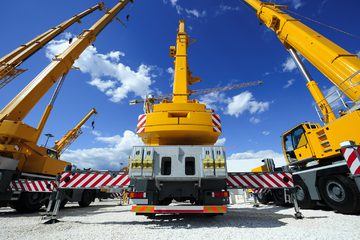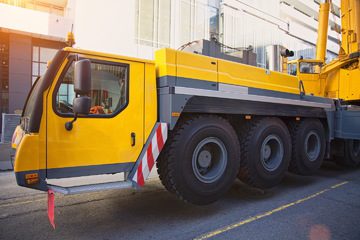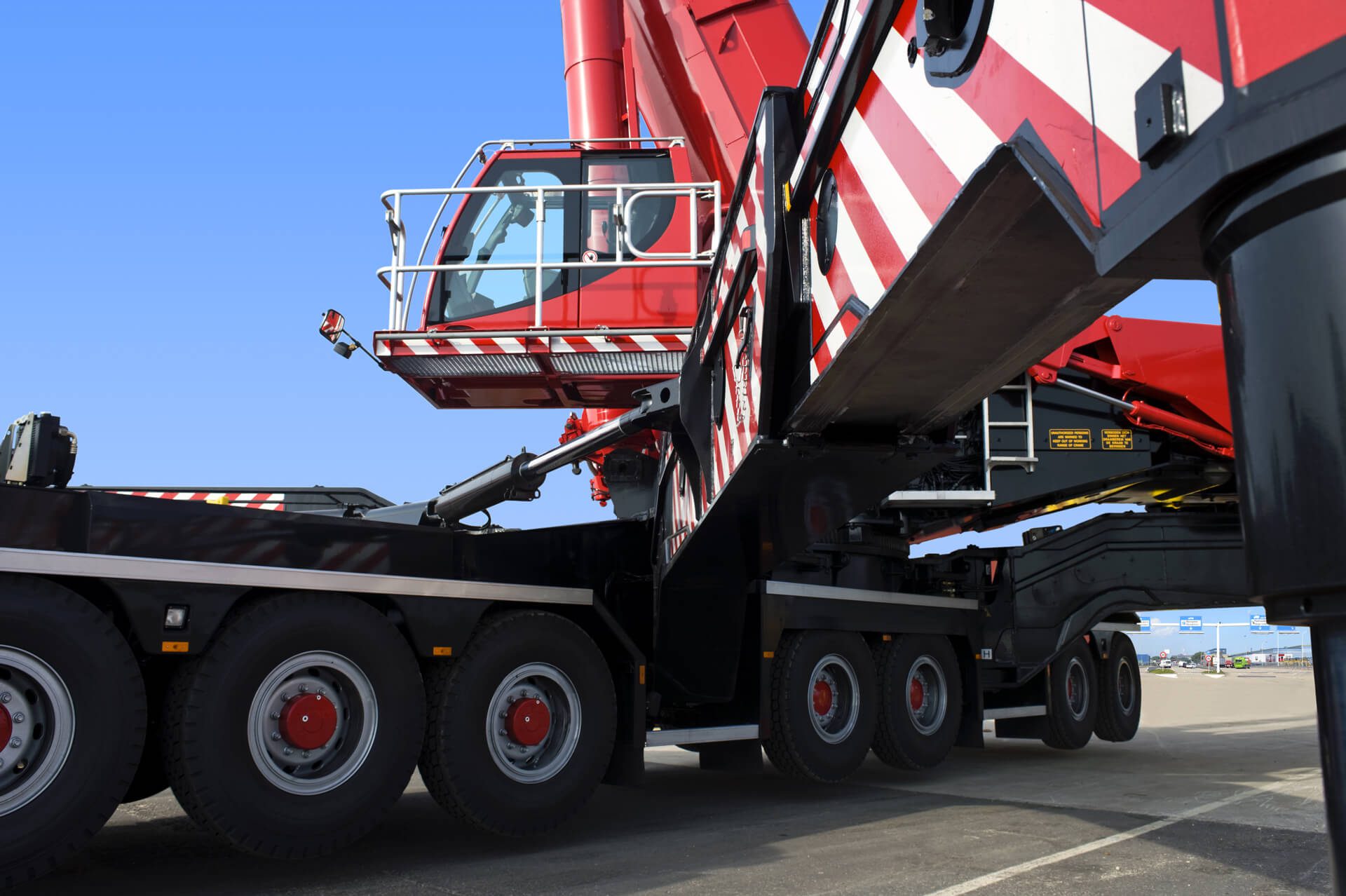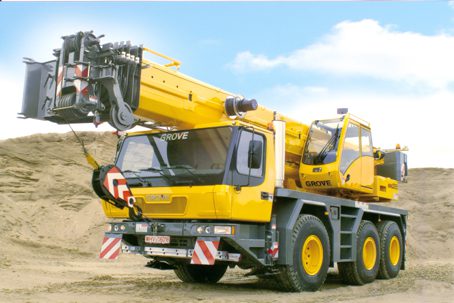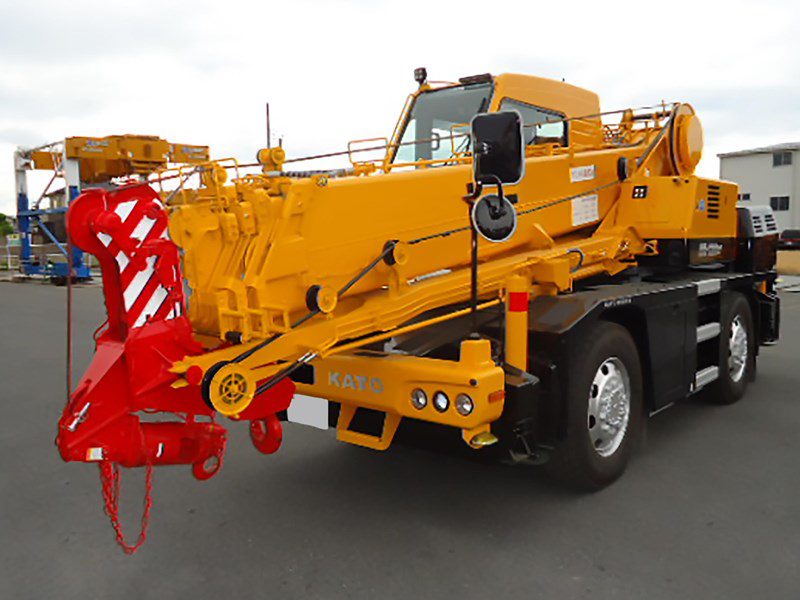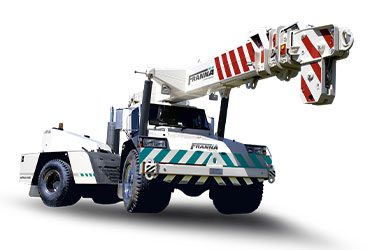
Australia’s construction sector is undergoing a profound transformation. Rapid population growth, ambitious infrastructure programs, and the intensification of urban centres are redefining how cities are planned and built. At the centre of this shift are cranes—complex, regulated machines whose deployment reflects broader economic and planning priorities. From high-rise towers in metropolitan cores to infrastructure upgrades in regional areas, crane selection has become a strategic decision rather than a purely logistical one. In this context, luffing crane hire, mobile crane hire, and specialised services such as franna crane hire Southern Highlands play a decisive role in shaping modern Australian construction.
Urban Growth and the Strategic Importance of Crane Selection
Australia’s major cities are increasingly building upward rather than outward. Planning constraints, heritage considerations, and limited land availability have made vertical construction the dominant model in central business districts. This has elevated the importance of crane technologies that can operate efficiently in confined spaces while meeting strict safety and regulatory standards.
Luffing crane hire has emerged as a critical solution in dense urban environments. Unlike traditional tower cranes with fixed jibs, luffing cranes feature adjustable booms that can be raised and lowered to avoid oversailing neighbouring properties. This capability aligns with the realities of inner-city construction, where airspace rights and proximity to existing buildings impose operational constraints. The widespread adoption of luffing cranes reflects a broader trend in Australian construction: the need to reconcile ambitious development goals with complex urban conditions.
Luffing Cranes and High-Rise Construction
High-rise projects demand precision, reliability, and compliance with stringent safety frameworks. Luffing crane hire has become synonymous with tall residential and commercial towers in cities such as Sydney, Melbourne, and Brisbane. These cranes allow developers to maximise site efficiency while reducing the risk of conflict with adjacent structures, transport corridors, and public spaces.
From an engineering perspective, luffing cranes offer superior load control at height, a critical factor when lifting prefabricated components or heavy structural elements. Their design supports the construction industry’s gradual shift toward modular building techniques, which require consistent and predictable lifting performance. As Australia continues to invest in high-density housing and mixed-use developments, luffing cranes are likely to remain a cornerstone of urban construction strategy.
Mobile Cranes and Infrastructure Versatility
While luffing cranes dominate skylines, mobile crane hire underpins a broader range of construction activities. Infrastructure projects—such as road upgrades, rail expansions, bridges, and energy facilities—often require cranes that can be rapidly deployed, relocated, and adapted to changing site conditions. Mobile cranes provide this flexibility, making them indispensable to both public and private sector projects.
In regional and suburban contexts, mobile cranes support time-sensitive works where prolonged site occupation is impractical. Their ability to operate without extensive assembly makes them well suited to maintenance tasks, emergency repairs, and short-term lifts. As Australia invests heavily in transport and utilities infrastructure, mobile crane hire continues to bridge the gap between large-scale construction and operational efficiency.
Franna Cranes and Regional Construction Needs
Beyond metropolitan centres, specialised lifting solutions play an important role in supporting regional development. Franna crane hire Southern Highlands illustrates how compact, pick-and-carry cranes meet the needs of semi-rural and regional construction environments. These cranes are valued for their manoeuvrability and ability to transport loads over short distances without additional equipment.
In areas such as the Southern Highlands, where projects often involve smaller sites, uneven terrain, or limited access, franna cranes provide a practical alternative to larger lifting systems. Their use highlights the diversity of Australia’s construction landscape, where regional growth and infrastructure renewal require tailored approaches rather than one-size-fits-all solutions.
Safety Standards and Regulatory Oversight
Crane operations in Australia are governed by one of the most comprehensive regulatory frameworks in the construction sector. National and state-based regulations, including harmonised work health and safety laws, set rigorous standards for crane design, operation, and maintenance. Compliance is not optional; it is a prerequisite for project approval and ongoing site operation.
The increasing use of luffing crane hire in urban areas has intensified scrutiny around risk management, particularly in relation to oversailing, wind conditions, and load stability. Similarly, mobile crane hire and franna crane operations are subject to strict licensing requirements for operators and detailed lift planning protocols. These measures reflect a broader industry commitment to reducing incidents and improving safety outcomes across all project types.
Technological Advancements Transforming Crane Operations
Technology is reshaping how cranes are integrated into construction workflows. Modern cranes are equipped with advanced control systems, real-time load monitoring, and anti-collision technologies that enhance both safety and efficiency. For luffing cranes operating in crowded skylines, these systems are essential for coordinating multiple machines on a single site.
Digital planning tools, including building information modelling, have also changed how crane placement and lift sequences are designed. By simulating crane movements before construction begins, project teams can identify risks and optimise operations. Mobile crane hire providers increasingly rely on telematics and data analytics to monitor performance, manage maintenance schedules, and ensure compliance with regulatory standards.
Environmental and Urban Planning Considerations
Sustainability is an increasingly influential factor in construction decision-making. Crane selection can affect noise levels, energy consumption, and overall site impact. Luffing cranes, for example, can reduce the need for extended site footprints, aligning with urban planning objectives that prioritise minimal disruption to surrounding communities.
In regional settings, the use of appropriately sized equipment, such as franna crane hire Southern Highlands, can reduce unnecessary environmental impact by avoiding over-engineered solutions. As environmental assessments become more integrated into project approvals, crane operations are being evaluated not only for safety and efficiency but also for their contribution to broader sustainability goals.
The Future of Crane Use in Australian Construction
Looking ahead, Australia’s construction sector is likely to see continued diversification in crane applications. Major urban centres will rely heavily on luffing crane hire to deliver high-density developments, while mobile crane hire will remain essential for infrastructure expansion and maintenance. Regional areas will continue to benefit from specialised solutions that reflect local conditions and project scales.
What unites these trends is a growing recognition that cranes are not merely tools but strategic assets. Their selection influences project timelines, regulatory compliance, safety performance, and community impact. As Australia navigates the challenges of urban growth and infrastructure renewal, the role of cranes will remain central to how the nation builds its future.
In this evolving landscape, the cranes that rise above construction sites offer more than a measure of progress. They reflect the careful balancing of engineering innovation, regulatory discipline, and urban ambition that defines modern Australian construction.