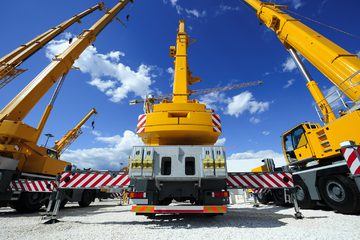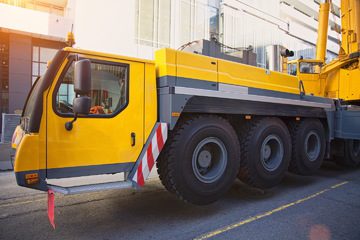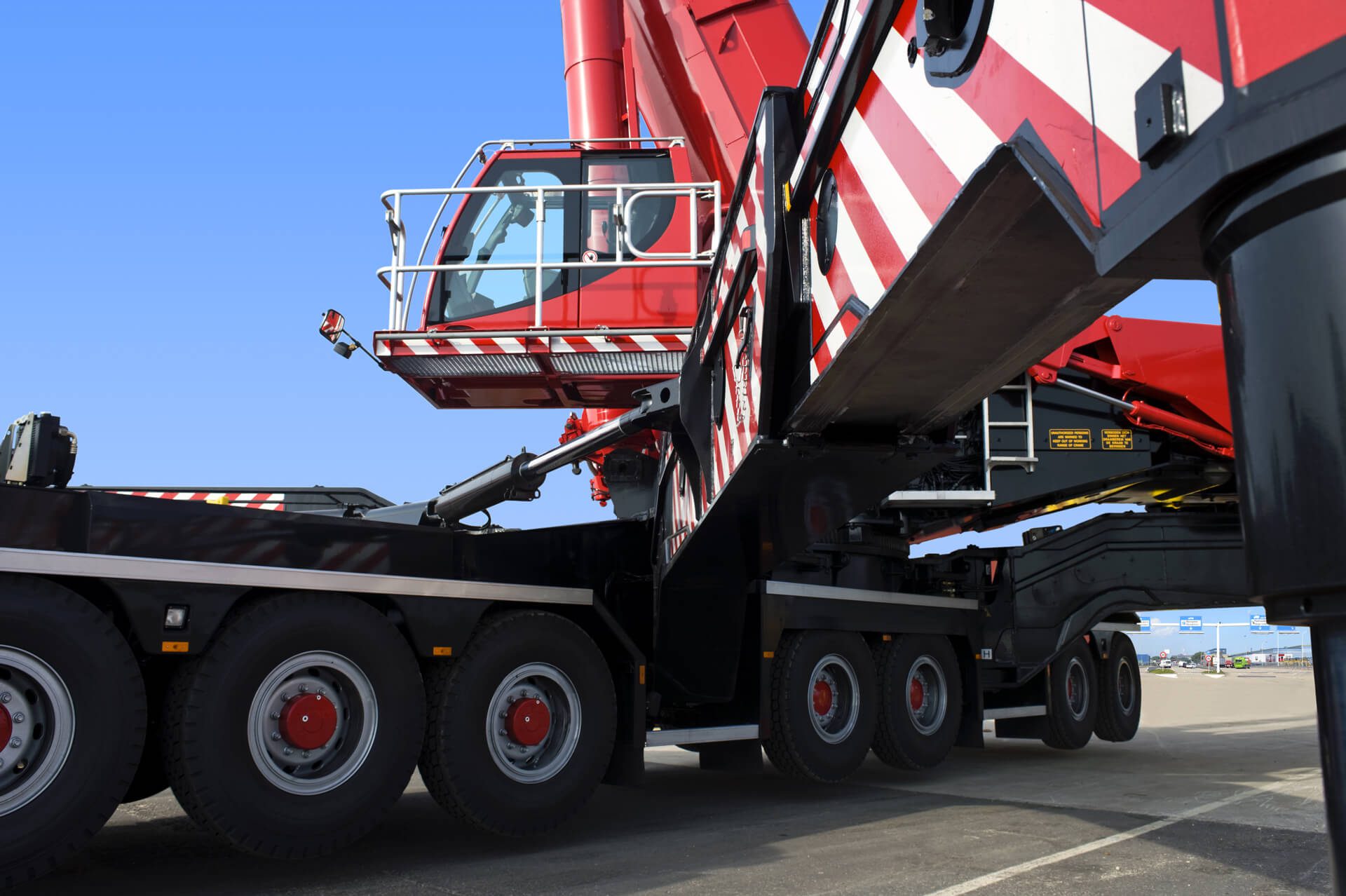
Australia’s construction sector is operating under persistent pressure. Population growth, urban densification, and ambitious infrastructure programs are colliding with labour shortages, tighter regulatory oversight, and rising project complexity. In this environment, time has become as critical a resource as capital or materials. Among the less visible but strategically significant contributors to schedule certainty is mobile crane hire, an operational choice that increasingly shapes how projects move from planning to completion without costly delays.
Across metropolitan centres and expanding industrial corridors, including crane hire western sydney, the role of mobile lifting solutions has evolved beyond simple load handling. It now intersects with project sequencing, risk management, and regulatory compliance in ways that directly influence construction timelines.
The Strategic Role of Mobile Crane Hire in Modern Construction
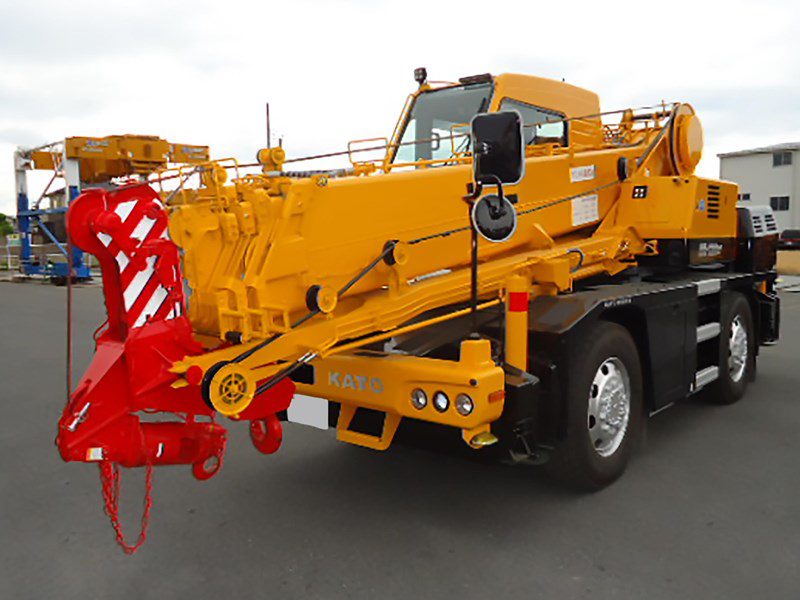
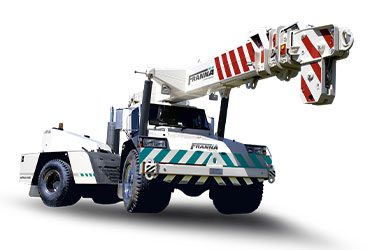
In contemporary Australian construction, mobile crane hire functions as a logistical enabler rather than a standalone service. Unlike fixed lifting systems, mobile cranes can be deployed, repositioned, and demobilised with minimal disruption to surrounding works. This flexibility allows project managers to align lifting operations closely with critical path activities, reducing idle time across multiple trades.
For large-scale infrastructure projects, such as transport interchanges or utilities upgrades, mobile crane hire supports phased construction approaches. Components can be installed precisely when needed, rather than stockpiled on site, easing congestion and improving safety. In dense urban developments, where space constraints and traffic management are persistent challenges, this adaptability becomes essential rather than optional.
In growth regions like Western Sydney, where residential, commercial, and industrial projects often overlap, crane hire western sydney reflects a broader trend toward shared, mobile resources that can serve multiple sites efficiently. This approach aligns with lean construction principles increasingly adopted across the sector.
Deployment Across Infrastructure, High-Rise, and Urban Projects
Different construction environments demand distinct lifting strategies. Mobile crane hire is not a one-size-fits-all solution, but its versatility allows it to be tailored across project types.
In infrastructure works, such as bridge construction or renewable energy installations, mobile cranes are valued for their reach and load capacity combined with rapid setup. These projects often operate in live environments, near traffic or active services, where prolonged site occupation is impractical. Mobile solutions reduce setup durations and limit exposure to external risks.
High-rise construction presents a contrasting use case. While tower cranes dominate vertical lifting over extended periods, mobile crane hire remains critical during early-stage works, structural steel placement, and final fit-out. The ability to supplement fixed cranes during peak demand periods helps prevent bottlenecks that could otherwise stall progress.
In dense urban projects, including mixed-use developments and retrofits, mobile cranes often represent the only viable option. Narrow access points, heritage constraints, and proximity to neighbouring properties limit the feasibility of permanent installations. Here, precise lift planning and short-duration crane deployments enable complex operations without extended disruption.
Efficiency Gains and Operational Trade-Offs
The efficiency benefits of mobile crane hire stem from its impact on scheduling discipline. By reducing reliance on permanent lifting infrastructure, projects gain the ability to adjust sequencing in response to weather, supply chain delays, or regulatory inspections. This adaptability can absorb minor disruptions before they escalate into significant delays.
However, these gains are balanced against operational trade-offs. Mobile cranes require meticulous planning, particularly in urban settings where ground conditions, overhead services, and exclusion zones must be managed carefully. Lift studies, traffic management plans, and coordination with local authorities add layers of complexity that demand experienced oversight.
Comparatively, fixed cranes offer predictability over long durations but lack the responsiveness of mobile alternatives. The growing preference for mobile crane hire reflects a shift toward flexibility, even when it requires higher upfront planning effort.
Technology Shaping Mobile Crane Performance
Technological advancements have significantly expanded the capabilities of mobile cranes over the past decade. Modern units incorporate sophisticated load moment indicators, real-time telemetry, and advanced stabilisation systems. These features enhance precision and reduce the margin for error during complex lifts.
Digital planning tools now allow engineers to simulate lifts in three dimensions, accounting for wind conditions, load dynamics, and site constraints. This level of foresight is particularly valuable in high-risk environments, supporting compliance with Australian safety standards while maintaining efficiency.
The integration of telematics also contributes to preventative maintenance and performance monitoring. For projects relying on mobile crane hire across multiple stages, this data-driven approach reduces the likelihood of unplanned downtime, a common source of schedule disruption.
Safety Standards and Compliance in Australia
Safety considerations are inseparable from discussions of efficiency in the Australian construction sector. Mobile crane operations are governed by a robust framework of standards and regulations designed to mitigate risk.
Australian Standards such as AS 2550, which covers the safe use of cranes, and AS 1418, addressing crane design, establish baseline requirements for operation and maintenance. Compliance with these standards is enforced through state-based regulators, including SafeWork NSW and WorkSafe Victoria, each with specific guidance for high-risk work activities.
Licensing requirements under the High Risk Work framework ensure that crane operators possess the necessary competencies. For projects utilising mobile crane hire, verification of operator credentials and adherence to safe work method statements are non-negotiable elements of project governance.
These regulatory layers, while sometimes perceived as constraints, play a critical role in preventing incidents that could halt construction entirely. In this sense, rigorous compliance supports continuity as much as it safeguards workers.
Regulatory Considerations in Urban Environments
Urban construction introduces additional regulatory complexity. Councils and transport authorities often impose restrictions on crane movements, road closures, and operating hours. In areas where crane hire western sydney intersects with major arterial routes or residential zones, coordination with Transport for NSW and local councils becomes essential.
Environmental considerations, including noise management and emissions, further influence crane selection and scheduling. Newer mobile crane models, designed with lower noise profiles and improved fuel efficiency, reflect industry responses to these pressures.
Failure to navigate these regulatory requirements effectively can result in stoppages that negate the advantages of mobile crane hire. Conversely, projects that integrate regulatory planning into early design stages are better positioned to maintain momentum.
Managing Risk and Delay Through Planning
The relationship between mobile crane hire and project timelines ultimately hinges on planning quality. Detailed lift planning, early stakeholder engagement, and contingency strategies are central to avoiding delays.
In complex projects, cranes often become shared resources across multiple contractors. Clear allocation protocols and transparent scheduling help prevent conflicts that could disrupt critical activities. This coordination is increasingly supported by digital project management platforms that integrate lifting operations into broader construction programs.
Risk assessments also play a preventive role. By identifying potential failure points, such as weather sensitivity or access limitations, project teams can adjust lift windows proactively rather than reactively.
A Measured Contribution to Build Certainty
Mobile crane hire does not eliminate delays on its own. Supply chain disruptions, design changes, and labour constraints remain influential factors in Australian construction. Yet, by enabling precise, flexible lifting operations, mobile cranes reduce one of the most common sources of schedule friction.
As urban development intensifies and infrastructure demands grow, particularly in expanding regions like Western Sydney, the strategic deployment of mobile crane hire will continue to shape how projects balance speed, safety, and compliance. Its contribution lies not in spectacle, but in the quiet efficiency that allows complex builds to progress with fewer interruptions.