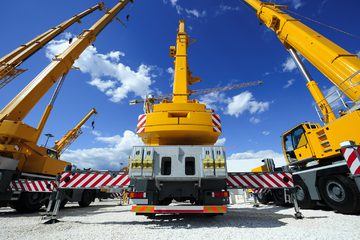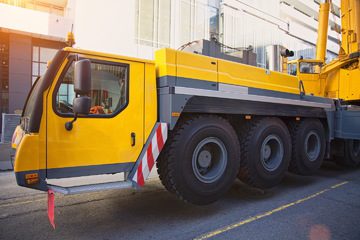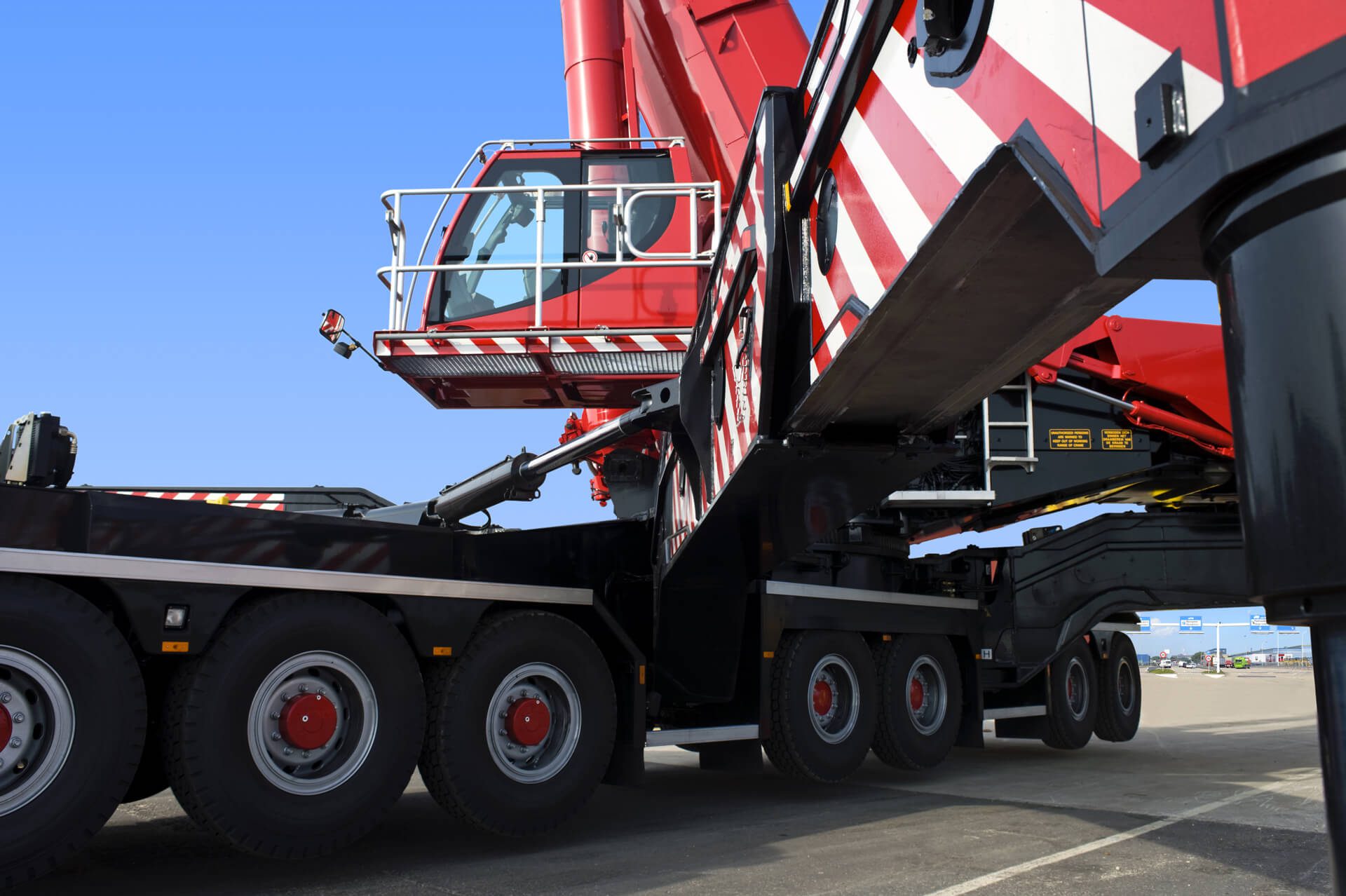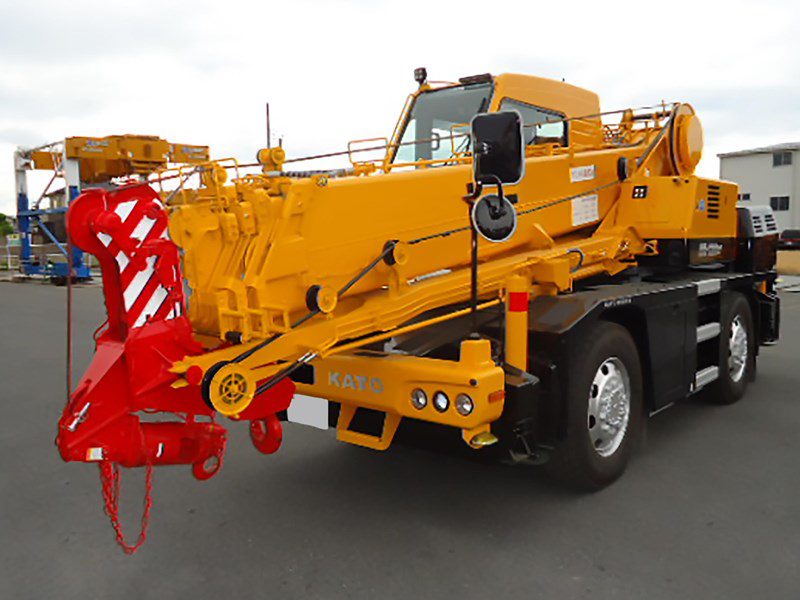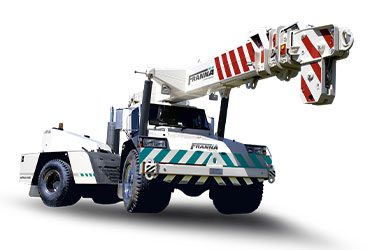
Sydney’s skyline is a visible record of constant construction, shaped by infrastructure upgrades, residential towers, transport corridors, and commercial redevelopment. Behind much of this activity is the widespread use of cranes, particularly mobile units that offer flexibility in dense urban environments. Yet as demand for mobile crane hire increases across metropolitan New South Wales, questions about permits, approvals, and regulatory responsibility remain common. Understanding when a permit is required, and why, is now a core consideration for project planning in Sydney and across northern suburbs.
The Strategic Role of Mobile Cranes in Urban Construction
Mobile cranes occupy a critical position in Australia’s construction ecosystem. Their ability to move between sites, set up quickly, and operate in confined spaces has made them indispensable for projects ranging from suburban developments to inner-city infrastructure works. In Sydney, where space constraints, traffic density, and mixed land use are constant challenges, mobile crane hire is often preferred over fixed lifting solutions.
In northern Sydney, where redevelopment frequently occurs alongside live transport corridors and established residential zones, crane hire northern Sydney has become a logistical strategy as much as an engineering one. Mobile cranes support bridge maintenance, utilities installation, rooftop plant placement, and staged high-rise construction without the long-term footprint of tower cranes. This flexibility, however, also introduces regulatory complexity, particularly when crane operations intersect with public roads, footpaths, or shared airspace.
When Permits Become a Legal Requirement
In Sydney, the need for a permit is determined less by the crane itself and more by where and how it is used. Mobile crane hire generally requires formal approval when crane operations affect public land, traffic flow, or surrounding properties. This includes situations where a crane occupies a roadway, encroaches on a footpath, oversails neighbouring land, or requires temporary traffic control measures.
Local councils play a central role in this process. Within the City of Sydney and northern Sydney councils such as North Sydney, Willoughby, and Ku-ring-gai, permits are typically required for road occupancy, crane set-up on public land, and works that disrupt normal pedestrian or vehicle movement. These approvals often sit alongside conditions imposed by Transport for NSW when state-controlled roads are involved.
Oversailing, Airspace, and Neighbouring Properties
One of the most nuanced regulatory issues surrounding mobile crane hire is oversailing. In dense urban environments, crane booms and loads frequently pass over adjacent properties, even when the crane itself remains within site boundaries. While Australian law does not universally prohibit oversailing, it introduces legal and insurance considerations that often trigger permit or consent requirements.
In Sydney, project managers are commonly required to demonstrate that oversailing risks have been assessed and mitigated. This may involve obtaining neighbour consent, implementing exclusion zones, or adjusting lift plans. For high-rise developments in northern Sydney, these considerations are particularly acute due to proximity to residential buildings, schools, and commercial premises.
Safety Standards Governing Crane Operations
Beyond local permits, mobile crane operations in Sydney are governed by a robust national safety framework. Safe Work Australia sets overarching model work health and safety laws, which are enacted in New South Wales through SafeWork NSW. These regulations impose duties on crane operators, principal contractors, and site controllers to manage risks associated with lifting operations.
Australian Standards play a critical supporting role. Standards such as AS 2550, which covers safe use of cranes, and AS 1418, which addresses crane design and manufacture, are widely referenced in lift planning and compliance documentation. While these standards do not themselves grant permission to operate, adherence is often a prerequisite for council approvals and site permits.
Licensing and Operator Responsibilities
A permit to occupy public space does not replace the need for licensed personnel. Mobile crane hire in Sydney requires operators to hold the appropriate high-risk work licence, issued by SafeWork NSW. Doggers and riggers involved in lifting operations must also be licensed according to the class of work performed.
From a regulatory perspective, responsibility is shared. The crane owner, site controller, and principal contractor all have legal obligations to ensure compliance. In practice, this means that permit applications, lift studies, traffic management plans, and safety documentation must align, particularly on complex sites in northern Sydney where multiple authorities may have jurisdiction.
Infrastructure Projects Versus Private Developments
Permit requirements can differ significantly between public infrastructure projects and private developments. Large-scale infrastructure works, such as rail upgrades or motorway projects, often operate under broader planning approvals that incorporate crane operations into an overarching regulatory framework. In these cases, mobile crane hire is assessed as part of a holistic construction methodology.
By contrast, private developments, particularly smaller projects, may face a more fragmented approval process. Councils typically assess crane-related permits on a site-by-site basis, considering factors such as duration, noise, traffic impact, and community disruption. This distinction has led to varying practices across Sydney, with northern Sydney councils often imposing stricter conditions due to higher population density and constrained road networks.
Technology, Planning, and Regulatory Efficiency
Technological advances are reshaping how crane permits are assessed and managed. Digital lift planning software, real-time load monitoring, and 3D site modelling are increasingly used to demonstrate compliance and reduce risk. For regulators, these tools provide greater confidence that mobile crane hire can be conducted safely, even in complex urban settings.
In Sydney, some councils now require detailed digital documentation as part of permit applications. This shift reflects a broader trend toward data-driven regulation, where predictive modelling and scenario analysis support decision-making. For crane hire northern Sydney projects, these technologies have become essential in balancing construction efficiency with public safety and amenity.
Community Impact and Public Interest Considerations
Permit regimes are not solely technical exercises; they also reflect broader public interest considerations. Noise, visual impact, and temporary loss of access are common concerns raised by residents when mobile crane hire operations occur near homes or businesses. Councils in Sydney increasingly weigh these factors when assessing permit applications, particularly for works conducted outside standard hours.
This has led to a more consultative approach in some jurisdictions, where community notification forms part of the approval process. While this can extend project timelines, it also reflects an evolving understanding of urban construction as a shared civic experience rather than a purely private activity.
Navigating a Complex Regulatory Landscape
The question of whether a permit is required for mobile crane hire in Sydney rarely has a simple yes or no answer. Instead, it depends on a matrix of factors including location, duration, impact on public space, and the nature of the surrounding environment. For industry professionals, this complexity underscores the importance of early regulatory engagement and detailed planning.
As Sydney continues to grow vertically and outward, the role of mobile cranes will remain central to construction and infrastructure delivery. At the same time, regulatory expectations are likely to tighten, driven by safety imperatives, community scrutiny, and technological change. Understanding permit requirements is therefore not just a matter of compliance, but a strategic element of successful project execution in Australia’s largest city.