Australia’s construction sector is navigating a period of structural change. Population growth, urban consolidation, transport investment and the energy transition are reshaping how cities are built and rebuilt. At the centre of this transformation is lifting capability. From major infrastructure corridors to dense high-rise precincts, the strategic deployment of cranes has become a defining factor in project feasibility, safety and productivity. Practices such as mobile crane hire and tower crane hire are no longer viewed as ancillary services but as integral components of modern construction planning, particularly in complex urban markets such as Western Sydney.
The strategic importance of crane capability in Australian development
Large-scale construction depends on the efficient movement of materials, equipment and prefabricated elements. As projects become taller, sites become tighter and timelines become less forgiving, crane selection directly influences construction methodology. In Australia, where labour costs are high and regulatory oversight is stringent, lifting efficiency can determine whether a project remains viable.
Tower crane hire has become synonymous with vertical growth. High-rise residential towers, commercial developments and mixed-use precincts rely on fixed cranes to service repetitive lifts over extended periods. At the same time, mobile crane hire remains critical for infrastructure works, modular construction and short-duration lifts that require flexibility rather than permanence. The balance between these two approaches reflects broader trends in Australian construction, where adaptability and precision are increasingly prioritised alongside scale.
Tower cranes and the vertical city
Australia’s major cities are growing upward rather than outward. Planning controls, land scarcity and transport-oriented development have accelerated high-rise construction, particularly in metropolitan growth corridors. In this context, tower crane hire has become a defining feature of skylines from Brisbane to Melbourne, and especially across Greater Sydney.
Western Sydney offers a clear example. As the region undergoes rapid transformation driven by new transport links, logistics hubs and residential density, tower crane hire western sydney has expanded in both scale and technical sophistication. Fixed tower cranes provide consistent lifting capacity over the life of a project, supporting formwork, reinforcement, façade systems and mechanical installations at height. Their ability to service large footprints from a central position reduces ground congestion, an important consideration on constrained urban sites.
Technological advances have further enhanced the role of tower cranes. Modern units incorporate advanced load monitoring, wind-speed sensors and anti-collision systems that allow multiple cranes to operate safely within close proximity. These features are essential in dense precincts where overlapping jib paths and shared airspace are common.
Mobile cranes and infrastructure delivery
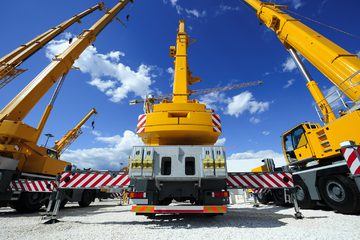
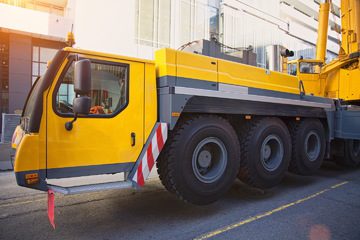
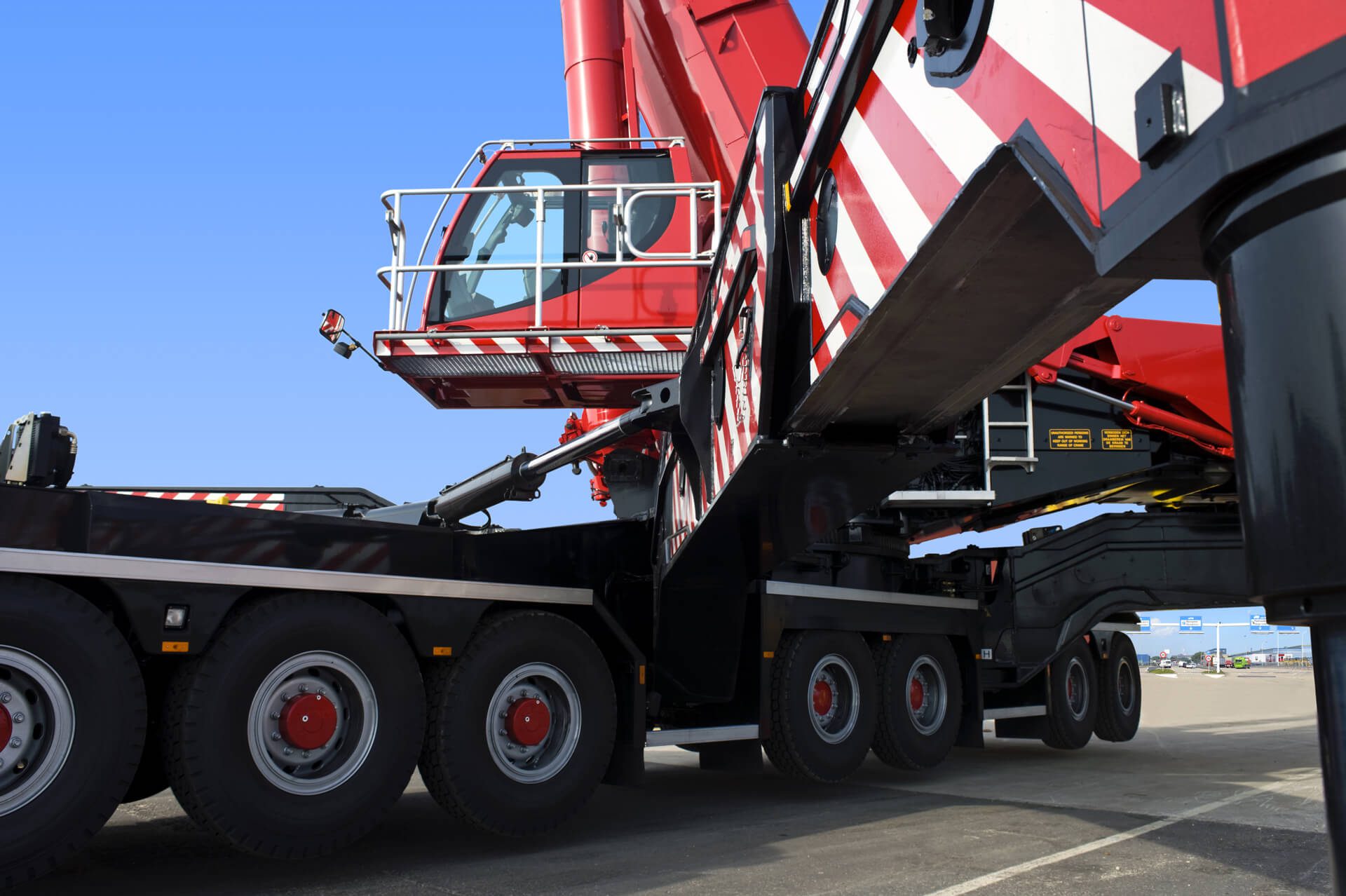
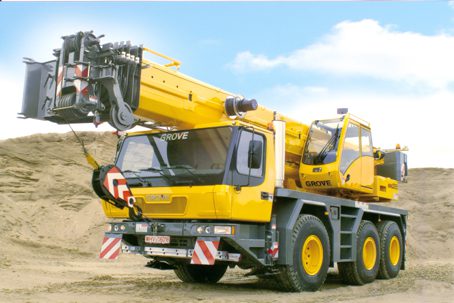
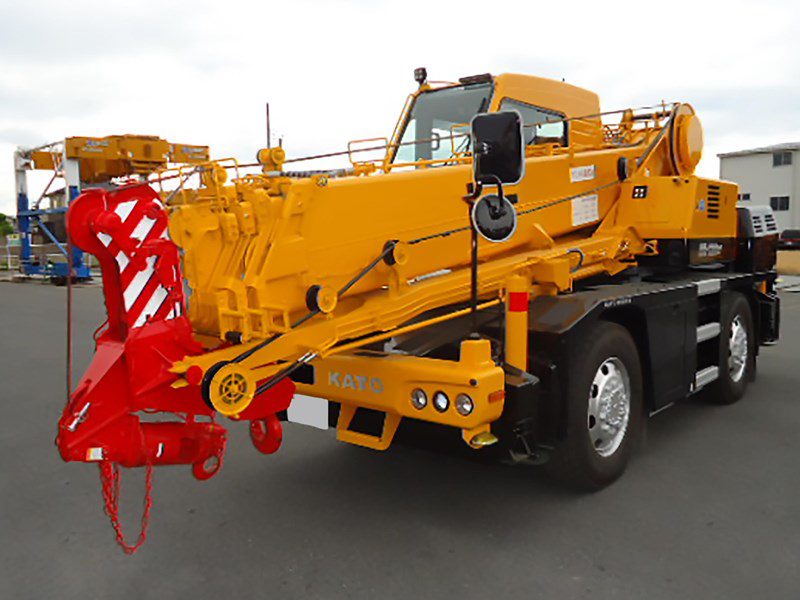
While tower cranes dominate vertical construction, mobile crane hire remains indispensable across Australia’s infrastructure pipeline. Roads, bridges, rail corridors and utilities projects demand lifting solutions that can be rapidly deployed, repositioned and removed as works progress. Mobile cranes offer this flexibility, making them well suited to staged construction and remote or linear sites.
In major transport projects, mobile cranes are often used to place precast bridge beams, install signalling equipment or support maintenance operations during limited possession windows. Their mobility reduces the need for permanent foundations and allows contractors to respond to changing site conditions. In regional areas and emerging growth zones, mobile crane hire also supports industrial developments, renewable energy installations and large-scale warehousing.
The increasing use of prefabrication has strengthened the relevance of mobile cranes. As more components are manufactured off-site to improve quality and reduce waste, the precision placement of heavy modules on site becomes critical. Mobile cranes provide the reach and capacity required for these lifts without the long-term commitment associated with fixed installations.
Choosing between fixed and mobile lifting solutions
The decision to deploy a tower crane or a mobile crane is rarely straightforward. It depends on project duration, site constraints, lift frequency and surrounding environment. High-rise developments with repetitive vertical lifts generally favour tower crane hire due to its efficiency over time. Infrastructure and short-term projects tend to rely on mobile crane hire for its adaptability.
In dense urban settings, hybrid approaches are common. A tower crane may service the core structure of a building, while mobile cranes handle façade installation, plant placement or adjacent works. In Western Sydney’s mixed-use precincts, this combination allows projects to progress despite limited laydown areas and evolving site conditions. Such strategies highlight how crane planning has become a core element of construction logistics rather than a secondary consideration.
Safety standards and regulatory oversight
Safety remains a central concern in Australian lifting operations. The country’s work health and safety framework imposes strict obligations on duty holders, including crane owners, operators and principal contractors. Compliance extends beyond equipment certification to encompass operator competency, lift planning and site coordination.
Tower crane operations are subject to particular scrutiny due to their height, load capacity and exposure to environmental factors. Wind management protocols, exclusion zones and regular inspections are standard practice. In high-density areas, anti-collision technology and real-time monitoring systems are increasingly viewed as essential rather than optional.
Mobile crane hire also operates within a robust regulatory environment. Load charts, ground bearing assessments and traffic management plans are critical components of safe operation, particularly when cranes work adjacent to live roads or rail corridors. Regulators have emphasised the importance of thorough lift studies and communication between multiple contractors on complex sites.
Technology and the future of lifting
Technological innovation is reshaping how cranes are integrated into construction workflows. Digital modelling tools now allow crane positions, lift paths and sequencing to be tested virtually before equipment arrives on site. This approach reduces risk, improves efficiency and supports compliance with safety obligations.
Automation and remote monitoring are also gaining traction. Sensors that track load behaviour, structural stress and environmental conditions provide operators with more accurate information, enhancing decision-making in real time. For tower crane hire western sydney and other dense markets, these technologies help mitigate the challenges posed by congestion and proximity to occupied buildings.
Sustainability considerations are influencing equipment selection as well. Energy-efficient drives, hybrid power systems and noise-reduction measures are increasingly relevant as construction sites operate closer to residential communities. While cranes are not typically associated with emissions reduction, incremental improvements in efficiency contribute to broader industry efforts to reduce environmental impact.
A critical enabler of urban growth
Cranes rarely attract public attention beyond their visibility on the skyline, yet they are fundamental to Australia’s capacity to build. Mobile crane hire supports the delivery of essential infrastructure across vast and varied landscapes, while tower crane hire enables the compact, vertical development that modern cities demand. In regions such as Western Sydney, where growth is both rapid and complex, the strategic deployment of lifting equipment underpins economic expansion and urban transformation.
As Australia continues to invest in housing, transport and energy infrastructure, the role of cranes will only become more central. The challenge for the industry lies in balancing productivity with safety, innovation with regulation, and efficiency with community impact. In meeting these demands, crane operations offer a lens through which to understand the evolving nature of Australian construction itself.