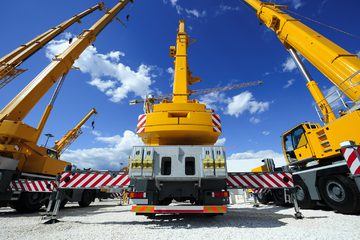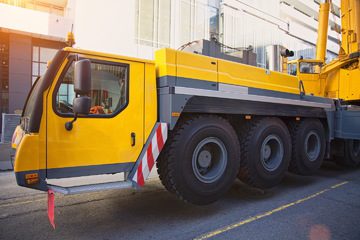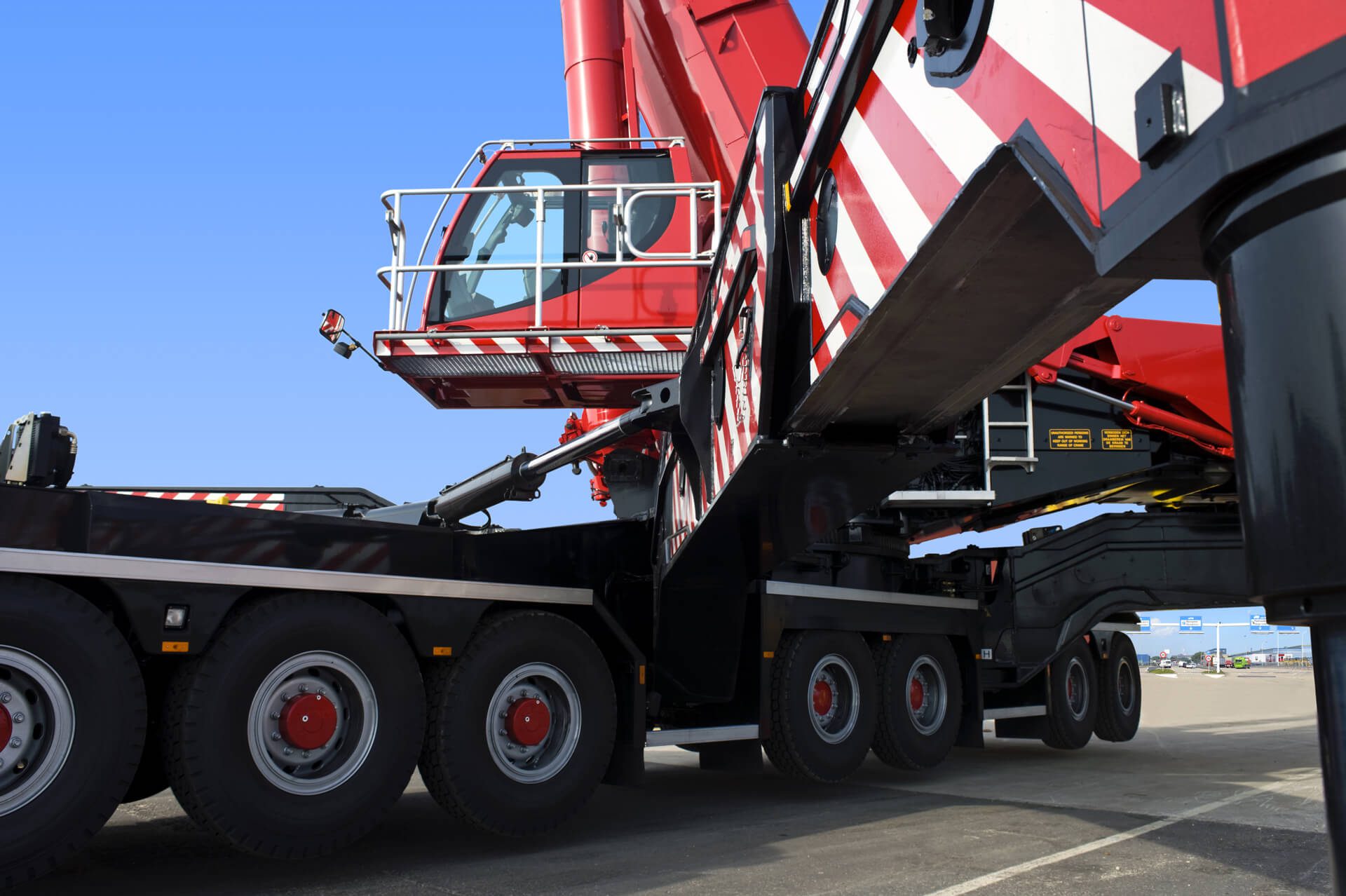
Australia’s construction sector has entered a period of sustained complexity. Rapid population growth in metropolitan areas, ambitious infrastructure investment, and tighter urban footprints are reshaping how cities are built. From transport corridors and renewable energy projects to residential towers and commercial precincts, cranes have become critical enablers of this transformation. In particular, tower crane hire, mobile crane hire, and regionally specific services such as crane hire Northern Sydney illustrate how lifting technology underpins modern Australian development while responding to safety, regulatory, and technological demands.
The Strategic Importance of Cranes in Australian Construction
Cranes are no longer viewed simply as construction equipment; they are strategic assets that influence project timelines, safety outcomes, and urban planning decisions. Australia’s major cities face the dual challenge of accommodating growth while minimising disruption in dense environments. Efficient vertical and horizontal lifting has become central to achieving this balance.
Tower crane hire plays a defining role in high-rise construction, especially in central business districts where land availability is limited. These cranes enable materials to be moved vertically over long periods, supporting complex sequencing in projects that may run for several years. At the same time, mobile crane hire offers flexibility across a broader range of applications, from infrastructure maintenance to modular construction and emergency works. Together, these crane types form an integrated ecosystem that supports both long-term urban development and short-term project needs.
Tower Cranes and the Vertical City
Australia’s skyline has changed markedly over the past two decades. Cities such as Sydney, Melbourne, and Brisbane have seen a steady rise in residential and mixed-use towers driven by housing demand and urban consolidation policies. Tower crane hire has been instrumental in enabling this vertical expansion.
Tower cranes are designed for stability and endurance, making them suitable for projects that require consistent lifting capacity over extended durations. Their ability to service large floor plates and reach significant heights allows builders to operate within tight sites while maintaining productivity. In dense urban settings, tower cranes are often erected with millimetre-level precision to avoid neighbouring properties, roads, and utilities.
The strategic use of tower cranes also reflects broader planning priorities. By supporting vertical construction, they help reduce urban sprawl and make more efficient use of existing infrastructure. In this sense, tower crane hire is not only a construction decision but also a response to environmental and policy considerations shaping Australian cities.
Mobile Cranes and Infrastructure Versatility
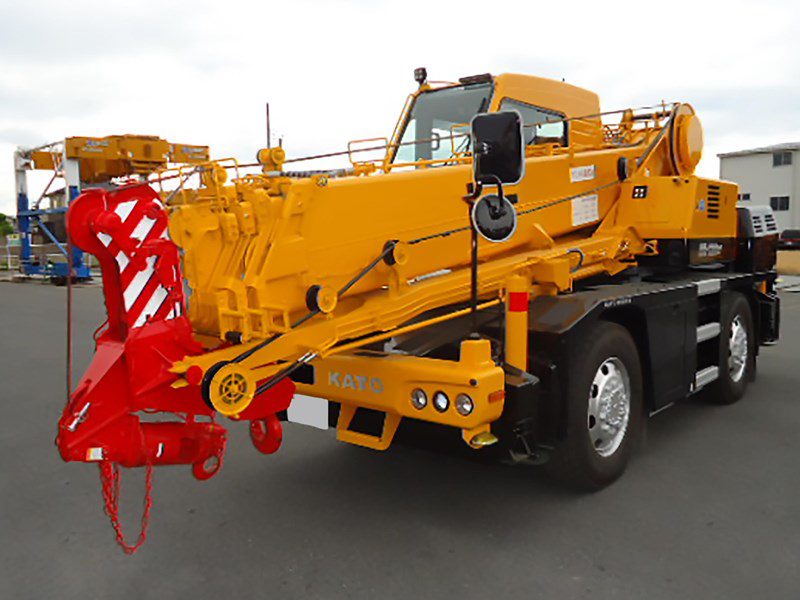
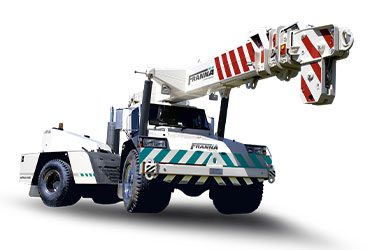
While tower cranes dominate skylines, mobile crane hire underpins much of Australia’s infrastructure development. Roads, bridges, rail projects, ports, and energy installations rely on mobile cranes for tasks that require adaptability and rapid deployment. Unlike tower cranes, mobile cranes can be relocated easily, making them suitable for projects spread across wide geographic areas or those with changing lifting requirements.
In regional and suburban contexts, mobile crane hire supports everything from precast concrete installation to telecommunications upgrades. Their use is particularly evident in infrastructure corridors where access conditions vary and timelines are compressed. Advances in crane design have increased lifting capacities while improving manoeuvrability, allowing mobile cranes to operate effectively even in constrained environments.
The flexibility of mobile cranes also aligns with Australia’s growing emphasis on modular and off-site construction. As more components are manufactured off-site and assembled on location, reliable lifting solutions are essential to ensure efficiency and structural integrity.
Localised Demand and Urban Complexity
Regional factors influence how cranes are deployed, and crane hire Northern Sydney provides a clear example of this dynamic. Northern Sydney combines dense residential areas, commercial centres, and significant infrastructure assets, all within a landscape shaped by waterways and varied topography. Construction in this area often involves tight access points, strict noise controls, and heightened community scrutiny.
In such contexts, crane selection and planning become critical. Tower cranes may be required for multi-storey developments near transport hubs, while mobile cranes are used for shorter-duration lifts or projects with limited space for permanent installations. The interplay between these crane types reflects how local conditions shape broader construction strategies across Australia.
Safety Standards and Regulatory Oversight
Safety remains a defining concern in the Australian construction sector, and crane operations are subject to rigorous oversight. National frameworks such as the Work Health and Safety Act establish baseline obligations, while state-based regulators enforce detailed requirements related to crane operation, licensing, and maintenance.
Operators involved in tower crane hire and mobile crane hire must adhere to strict protocols covering load limits, wind conditions, and exclusion zones. In urban areas, additional controls are often imposed to protect the public, including road closures, pedestrian management plans, and real-time monitoring during lifts.
Australia’s approach to crane safety emphasises both technical competence and organisational responsibility. This includes mandatory training for operators, regular inspections, and clear communication between contractors, engineers, and site managers. These measures reflect a broader industry commitment to reducing incidents while maintaining productivity in increasingly complex environments.
Technological Advancements Shaping Crane Operations
Technology has reshaped how cranes are designed, deployed, and managed. Modern tower cranes incorporate advanced control systems that improve precision and reduce operator fatigue. Features such as anti-collision systems, load moment indicators, and remote monitoring enhance safety while supporting efficient workflows.
Mobile crane hire has also benefited from innovation. Telematics and digital diagnostics allow operators to monitor performance in real time, predict maintenance needs, and optimise utilisation. These technologies are particularly valuable in large infrastructure projects where downtime can have significant cost implications.
Digital planning tools are increasingly used to model crane movements before construction begins. By simulating lifts and site logistics, project teams can identify potential risks and refine sequencing. This integration of technology into crane operations reflects a wider shift toward data-driven decision-making across the construction sector.
Regulatory and Environmental Considerations
Regulatory compliance extends beyond safety to include environmental and planning considerations. Noise restrictions, emissions standards, and local council approvals all influence how cranes are used, particularly in residential and mixed-use areas. Tower crane hire in inner-city locations often requires detailed planning submissions to address visual impact and operational hours.
Sustainability has also entered the conversation. More efficient crane designs and the use of electric or hybrid systems in mobile crane fleets align with Australia’s broader environmental goals. While cranes represent only one component of a construction project’s footprint, incremental improvements contribute to industry-wide efforts to reduce emissions and resource consumption.
Cranes as Indicators of Economic and Urban Change
The presence of cranes has long been viewed as a barometer of economic activity. In Australia, patterns of tower crane hire and mobile crane hire often mirror broader trends in investment, housing demand, and public infrastructure spending. Regions experiencing sustained crane activity typically reflect confidence in long-term growth and urban renewal.
At the same time, the evolving role of cranes highlights how construction practices are adapting to social expectations. Communities increasingly demand safer, quieter, and more transparent building processes. Meeting these expectations requires not only regulatory compliance but also thoughtful integration of equipment into the urban fabric.
Conclusion
Cranes occupy a pivotal position in Australia’s construction and infrastructure landscape. Through tower crane hire, mobile crane hire, and region-specific services such as crane hire Northern Sydney, the industry addresses the practical challenges of building in dense, dynamic environments. Beyond their mechanical function, cranes reflect broader shifts in urban planning, technology, and regulation.
As Australian cities continue to grow and evolve, cranes will remain central to shaping skylines and supporting infrastructure that underpins economic and social life. Their strategic deployment, governed by safety, innovation, and regulatory discipline, illustrates how construction equipment has become an integral part of the nation’s urban story rather than a background detail.