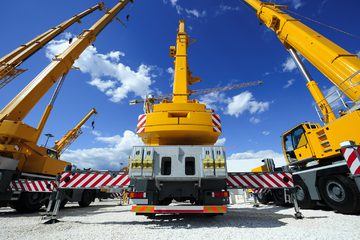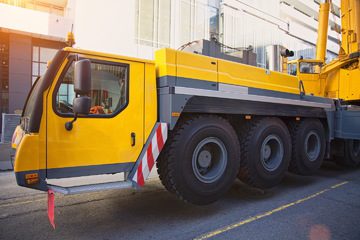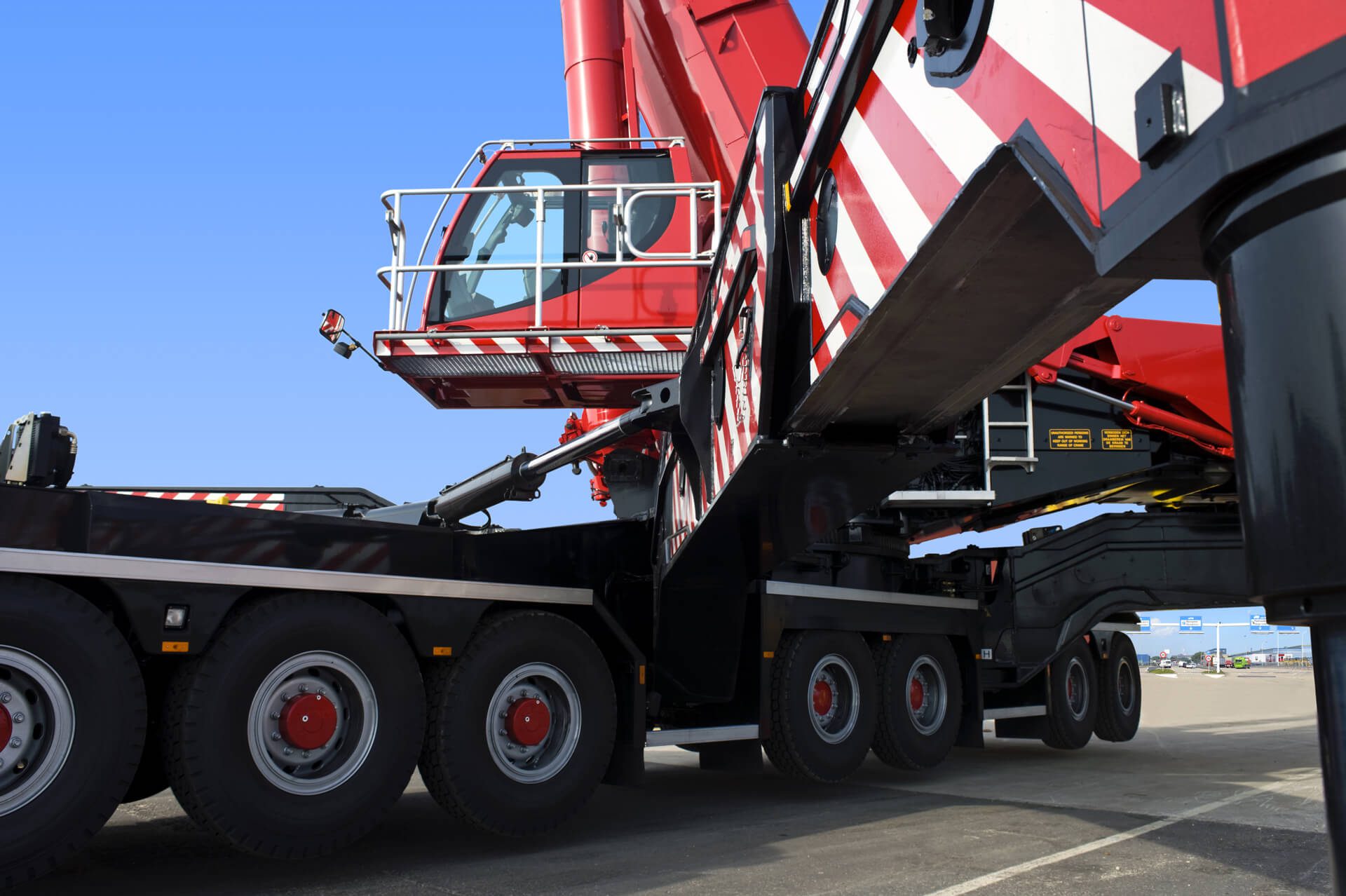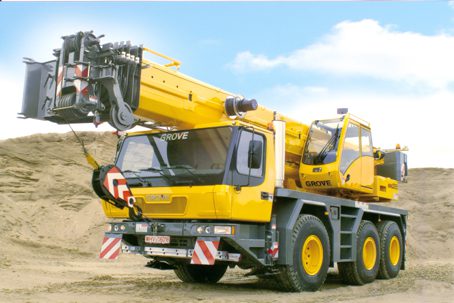
Australia’s skylines are changing at a pace not seen for decades. From transport corridors and hospital redevelopments to residential towers and commercial precincts, construction activity has become a defining feature of urban life. Behind much of this transformation stands an often overlooked but critical element of the built environment: crane technology. In particular, luffing crane hire, mobile crane hire, and specialised city crane hire northern Sydney play a strategic role in how modern Australian cities are planned, built, and regulated.
As land scarcity intensifies in metropolitan areas and expectations around safety and efficiency rise, the choice of lifting equipment has become a central consideration in construction strategy rather than a logistical afterthought.
Urban Density and the Strategic Importance of Crane Selection
Australia’s major cities, including Sydney and Melbourne, are increasingly characterised by dense, vertical development. Height restrictions, proximity to existing buildings, and community expectations around noise and disruption place significant constraints on construction activity. In this context, crane selection directly influences project feasibility, timelines, and risk management.
Luffing crane hire has become particularly relevant in high-density environments. Unlike traditional tower cranes with long horizontal jibs, luffing cranes operate with adjustable jib angles, allowing loads to be lifted and lowered within tighter airspace. This capability is essential in inner-city projects where oversailing neighbouring properties is restricted by planning regulations and insurance requirements.
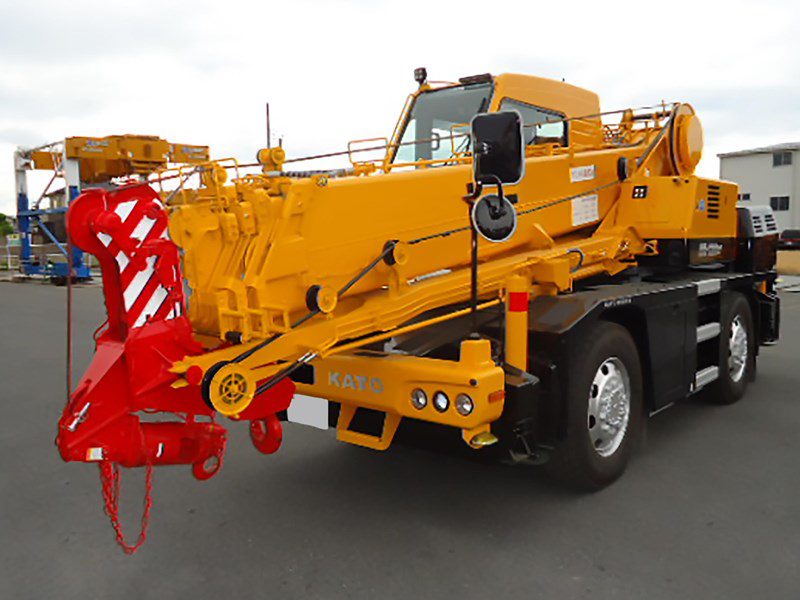
At the same time, mobile crane hire remains indispensable across infrastructure projects, industrial works, and shorter-duration construction tasks. Their flexibility, speed of deployment, and ability to service multiple sites align well with Australia’s geographically dispersed construction landscape.
Luffing Cranes and High-Rise Construction
High-rise residential and commercial developments account for a growing share of construction investment in Australian capitals. These projects demand precise lifting solutions capable of operating safely in constrained environments while supporting heavy loads at significant heights.
Luffing crane hire has emerged as the preferred option for many of these developments, particularly in central business districts and established residential zones. The ability to adjust the jib angle allows contractors to minimise swing radius, reduce wind exposure at height, and comply with strict airspace controls imposed by local councils and aviation authorities.
From a planning perspective, luffing cranes also enable developments on smaller footprints, supporting urban infill strategies aimed at limiting suburban sprawl. This alignment between lifting technology and broader urban policy underscores why cranes are increasingly viewed as part of city-shaping infrastructure rather than temporary construction tools.
Mobile Cranes and Australia’s Infrastructure Pipeline
While high-rise projects often dominate the visual narrative of construction, much of Australia’s capital expenditure is directed toward infrastructure. Transport interchanges, renewable energy installations, ports, and utilities all rely heavily on mobile crane hire.
Mobile cranes offer versatility that fixed tower cranes cannot. They can be transported between sites, set up quickly, and adapted to a wide range of lifting tasks, from bridge girders to prefabricated building components. This flexibility supports modular construction methods, which are gaining traction as a means of improving productivity and reducing on-site labour risks.
In regional and peri-urban areas, where space constraints are less severe but distances are greater, mobile cranes remain the backbone of construction logistics. Their role complements that of luffing cranes, creating a layered lifting ecosystem across urban and infrastructure projects.
City Crane Operations in Established Urban Areas
In established suburbs such as those found in northern Sydney, construction often occurs amid live traffic, occupied buildings, and sensitive community environments. City crane hire northern Sydney reflects the specialised requirements of working in such contexts, where disruption must be minimised and compliance is closely scrutinised.
Projects in these areas frequently involve redevelopments, hospital expansions, or transport upgrades rather than greenfield builds. Crane operations must therefore integrate with traffic management plans, pedestrian safety measures, and strict noise controls. Precision lifting, coordinated scheduling, and real-time communication with site managers are essential to maintaining public confidence and regulatory approval.
The increasing complexity of city-based projects has elevated the technical and operational standards expected of crane operators and project planners alike.
Safety Standards and Regulatory Oversight in Australia
Australia maintains one of the world’s more robust construction safety frameworks, with crane operations subject to detailed regulation at both state and federal levels. Safe Work Australia provides national guidance, while state-based regulators enforce licensing, inspection, and operational standards.
Crane operators must comply with requirements covering load limits, wind thresholds, exclusion zones, and operator competency. For luffing crane hire, additional considerations include airspace management and coordination with neighbouring developments. Mobile crane hire similarly involves strict controls around ground conditions, stabilisation, and proximity to services.
High-profile incidents in the past have reinforced the importance of rigorous oversight, prompting ongoing updates to codes of practice and industry training standards. As projects grow more complex, regulatory compliance is increasingly integrated into project planning rather than treated as a separate obligation.
Technological Advancements in Crane Operations
Technology is reshaping crane operations in ways that extend beyond raw lifting capacity. Modern cranes are increasingly equipped with digital load monitoring, anti-collision systems, and real-time data reporting. These features enhance safety while also improving productivity and predictability.
In dense urban settings, anti-collision technology is particularly valuable, reducing the risk of interaction between multiple cranes or nearby structures. For luffing crane hire, advanced wind monitoring systems help operators adjust operations dynamically, addressing one of the most significant risks associated with high-rise lifting.
Mobile crane hire has also benefited from advancements in telematics and remote diagnostics, allowing operators and fleet managers to track usage, maintenance needs, and compliance status. These innovations support a more data-driven approach to construction management, aligning with broader trends toward digitalisation in the sector.
Environmental and Community Considerations
Beyond safety and efficiency, crane operations increasingly intersect with environmental and social expectations. Urban communities are more engaged in planning processes, and construction activity is subject to scrutiny around noise, visual impact, and emissions.
Efficient crane utilisation can reduce project durations, limit road closures, and lower overall environmental footprints. Electric and hybrid crane technologies are beginning to enter the Australian market, reflecting wider efforts to decarbonise construction activity.
In this context, decisions around luffing crane hire, mobile crane hire, and city crane hire in northern Sydney carry implications not only for project delivery but also for community acceptance and long-term urban sustainability.
The Broader Implications for Urban Development
Cranes are often described as symbols of economic confidence, but their role extends far deeper. They shape what can be built, where it can be built, and how cities evolve over time. The increasing reliance on luffing cranes in dense urban areas, the enduring importance of mobile cranes in infrastructure, and the specialised demands of city-based operations reflect broader shifts in Australian urban development.
As cities grow upward rather than outward, and as infrastructure investment responds to population growth and climate pressures, crane technology will remain a critical enabler of national development goals. Understanding its strategic role offers valuable insight into how Australia’s built environment is being constructed today, and how it may look in decades to come.
In an era where urban space is both valuable and contested, the quiet precision of cranes continues to shape the skylines and systems that define modern Australian life.