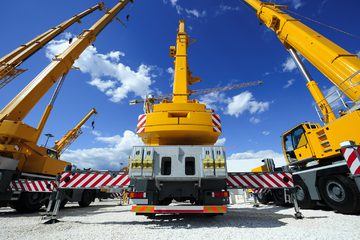
Australia’s cities are being rebuilt in real time. From high-rise residential towers and transport corridors to hospitals, data centres, and logistics hubs, construction activity is reshaping metropolitan skylines and regional economies alike. Less visible to the public, but central to this transformation, is the strategic deployment of lifting technology. Tower crane hire and mobile crane hire have become indispensable to modern Australian construction, reflecting both the scale of contemporary projects and the constraints of increasingly dense urban environments.
As cities such as Sydney, Melbourne, and Brisbane continue to grow vertically rather than outward, cranes are no longer just tools of convenience. They are instruments of planning, safety, and productivity, operating within a tightly regulated framework shaped by engineering standards, environmental pressures, and community expectations.
The Strategic Role of Cranes in Urban Development
Large-scale construction today is defined by complexity. Projects often unfold in constrained sites surrounded by active transport networks, occupied buildings, and strict noise and safety requirements. In this context, tower crane hire plays a foundational role. Fixed to the ground or anchored to structures as they rise, tower cranes provide the height, reach, and lifting precision required for multi-storey developments.
Across Australia, tower cranes have become synonymous with high-density urban growth. Their presence signals not only the construction of apartments and commercial towers but also broader investment in urban renewal. In Western Sydney, for example, the increase in tower crane hire Western Sydney reflects the region’s shift from low-density suburbs to mixed-use precincts anchored by transport infrastructure, healthcare facilities, and employment hubs.
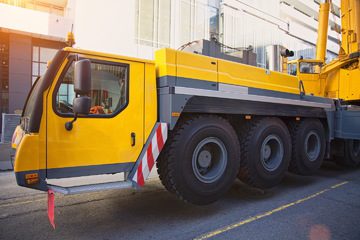
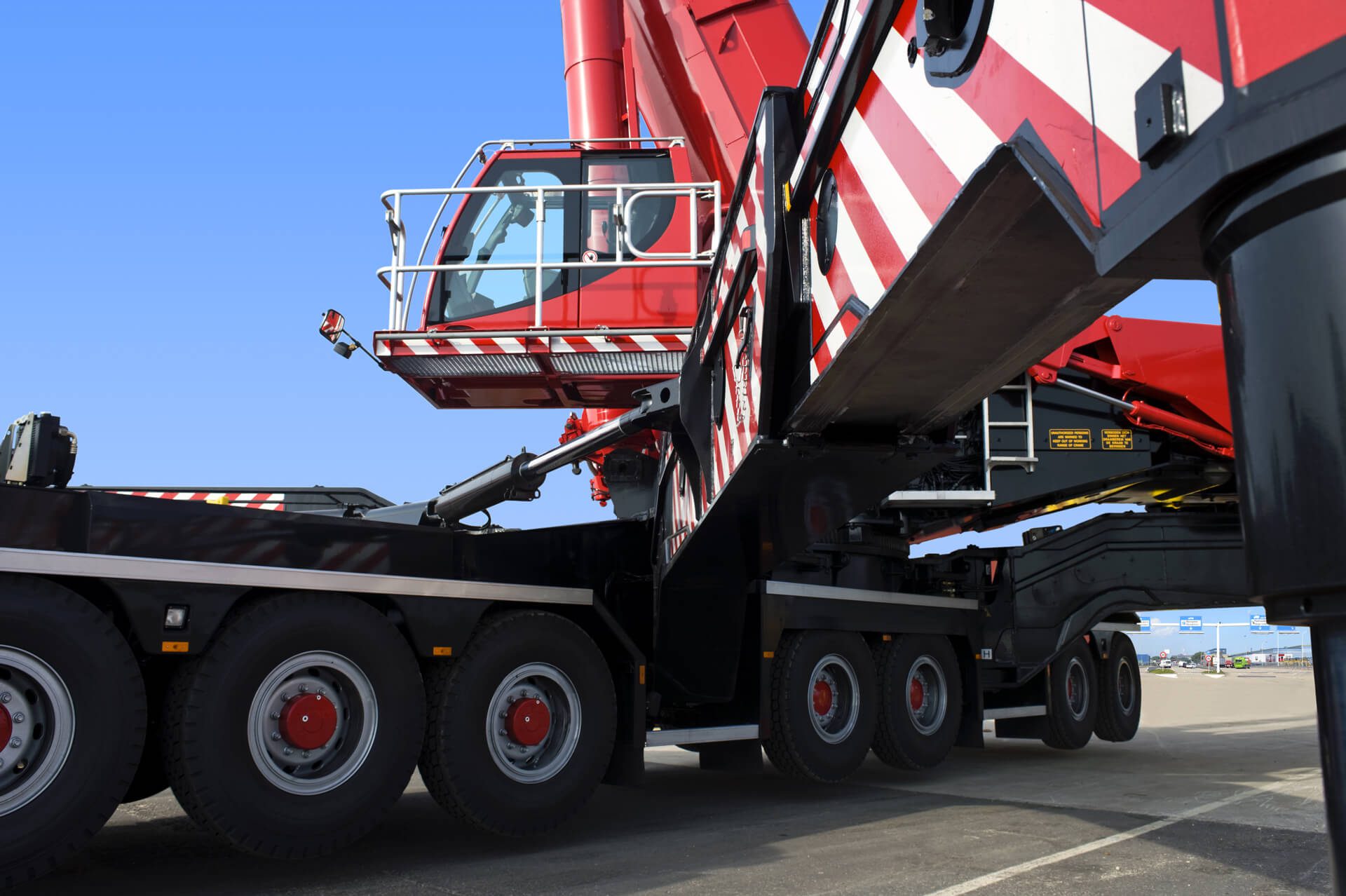
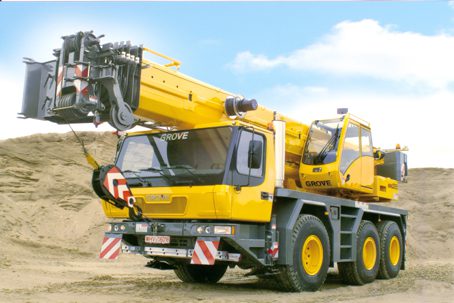
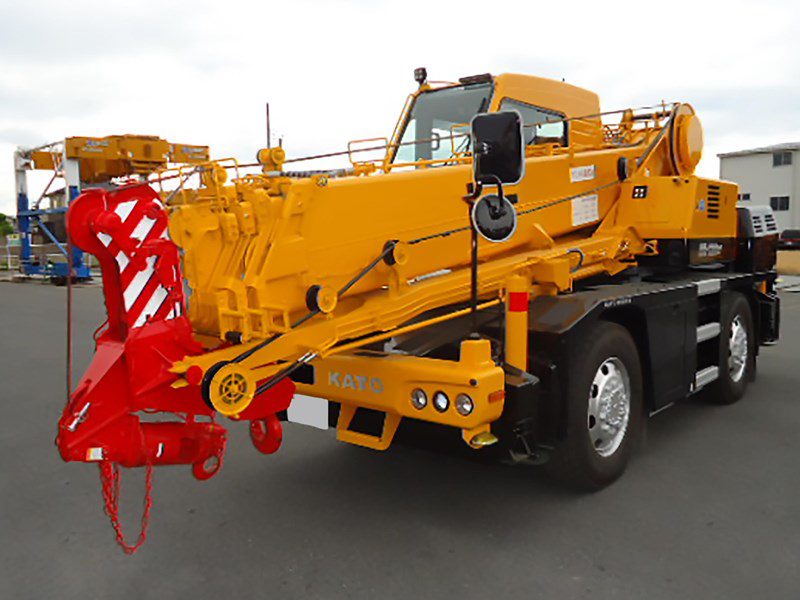
Mobile crane hire, by contrast, supports flexibility. Mounted on wheeled or tracked carriers, mobile cranes are used where projects demand rapid mobilisation, short-term lifting tasks, or access to sites where permanent crane installation is impractical. Together, these crane types form a complementary system that enables Australia’s construction sector to adapt to varied project scales and timelines.
Tower Cranes and the Vertical City
High-rise construction depends on vertical efficiency. Tower cranes allow materials to be delivered directly to upper levels as structures rise, reducing reliance on ground-based handling and minimising congestion on site. In dense CBD locations, where space is at a premium, this vertical logistics model is essential.
Tower crane hire is particularly critical in projects exceeding ten storeys, where consistent lifting capacity and stability are required over extended periods. These cranes are typically installed early in a project’s lifecycle and remain in place for months or even years. Their operation must be carefully coordinated with construction sequencing, weather conditions, and surrounding land uses.
In Western Sydney, tower crane hire Western Sydney has become closely tied to large-scale residential developments near transport corridors such as the Metro West and major arterial roads. These projects often combine residential, retail, and public infrastructure elements, requiring cranes that can handle diverse loads while operating safely near occupied areas.
Mobile Cranes in Infrastructure and Adaptive Construction
While tower cranes dominate skylines, mobile crane hire underpins much of Australia’s infrastructure development. Roads, bridges, ports, renewable energy installations, and industrial facilities frequently rely on mobile cranes due to their adaptability and speed of deployment.
Mobile cranes are particularly valuable in infrastructure projects where work is staged across multiple locations. A single crane may be used to install bridge beams one week and lift mechanical equipment at a treatment plant the next. Their ability to travel between sites without disassembly reduces downtime and supports project efficiency.
In urban renewal zones, mobile crane hire also plays a crucial role in refurbishment and retrofit projects. As Australia seeks to upgrade ageing buildings for energy efficiency and safety, mobile cranes provide the lifting capacity needed without the long-term footprint of a tower crane. This flexibility aligns with the growing emphasis on adaptive reuse rather than demolition.
Safety Standards and Regulatory Oversight
Crane operations in Australia are governed by one of the world’s most rigorous safety frameworks. State-based work health and safety regulators, supported by national standards such as those developed by Standards Australia, impose strict requirements on crane design, installation, operation, and maintenance.
For tower crane hire, this includes detailed engineering certification, wind load analysis, and regular inspections throughout the crane’s lifecycle. Operators must hold appropriate high-risk work licences, and site-specific lift plans are mandatory for complex operations. These measures reflect the inherent risks of lifting heavy loads at height in populated areas.
Mobile crane hire is subject to similarly stringent controls, particularly around ground conditions, load charts, and exclusion zones. Advances in real-time load monitoring and outrigger pressure sensing have reduced the likelihood of overturning incidents, but regulatory compliance remains central to safe operation.
The emphasis on safety has also influenced project planning. Developers increasingly integrate crane logistics into early design stages, recognising that safe crane access and operation can shape building layouts, construction schedules, and even architectural outcomes.
Technology and the Modern Crane Fleet
Technological innovation is reshaping how cranes are used across Australia. Modern tower cranes are equipped with anti-collision systems, remote monitoring, and data analytics that track performance and maintenance needs. These systems improve safety while allowing project managers to optimise lifting schedules and reduce downtime.
Mobile cranes have seen parallel advances, with improved telescopic boom designs, enhanced mobility, and digital control interfaces. Hybrid and low-emission crane models are beginning to appear on Australian sites, reflecting broader industry efforts to reduce environmental impact.
Digital integration is also changing how crane hire decisions are made. Building information modelling, or BIM, allows cranes to be modelled within a project’s virtual environment, enabling engineers to assess reach, capacity, and potential clashes before construction begins. This approach is particularly valuable in dense urban projects where margins for error are minimal.
Economic and Workforce Implications
Beyond their technical role, cranes have become indicators of economic activity. The number of tower cranes operating in a city is often cited as a measure of construction confidence and investment. Periods of increased tower crane hire typically coincide with population growth, infrastructure spending, and favourable financing conditions.
Crane operations also support a specialised workforce, including operators, riggers, engineers, and maintenance technicians. As projects grow more complex, demand for skilled crane professionals has increased, placing pressure on training systems and licensing frameworks to keep pace.
In regions such as Western Sydney, where large-scale development is reshaping employment patterns, crane activity reflects broader shifts in the urban economy. Construction sites become hubs of local employment, while completed projects support long-term economic diversification.
Cranes as Enablers of Urban Futures
Australia’s construction sector faces mounting challenges, from housing affordability and infrastructure backlogs to climate resilience and urban liveability. Within this landscape, tower crane hire and mobile crane hire function not merely as operational necessities but as enablers of strategic ambition.
By allowing cities to build higher, denser, and more efficiently, cranes support the transition toward compact urban forms that reduce sprawl and improve access to services. At the same time, the regulatory and technological frameworks governing crane use reflect a broader commitment to safety, accountability, and sustainable development.
As Australia continues to invest in its cities and regions, cranes will remain both symbols and instruments of progress. Their quiet, methodical movements above construction sites tell a larger story about how the nation builds, adapts, and plans for the future.