Australia’s urban skyline has changed dramatically over the past two decades. From transport corridors and logistics hubs to residential towers and mixed-use precincts, large-scale construction has become a defining feature of economic growth in major cities. At the centre of this transformation is an often overlooked but critical enabler: crane technology. The strategic use of mobile crane hire, tower crane hire, and specialised solutions such as franna crane hire Sydney has become essential to how projects are planned, executed, and delivered across the country.
Rather than being interchangeable pieces of equipment, different crane types play distinct roles depending on site constraints, project timelines, and regulatory requirements. Understanding how these machines shape infrastructure delivery offers insight into the broader mechanics of modern Australian construction.
The Strategic Importance of Cranes in Urban Development
Australia’s construction sector operates in an environment defined by density, regulation, and public scrutiny. Major cities such as Sydney, Melbourne, and Brisbane are balancing population growth with limited land availability, strict safety standards, and increasing expectations around efficiency. Cranes are not simply tools for lifting; they are strategic assets that influence project sequencing, labour deployment, and overall feasibility.
In dense urban settings, the choice between mobile crane hire and tower crane hire can determine whether a project progresses smoothly or encounters costly delays. Infrastructure developments, including rail expansions and port upgrades, rely on cranes capable of handling heavy components under complex conditions. Meanwhile, smaller but highly specialised operations increasingly depend on franna crane hire Sydney for tasks that require precision and mobility within confined spaces.
Mobile Crane Hire and Infrastructure Flexibility
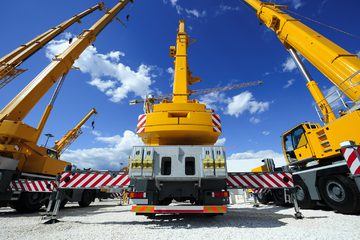
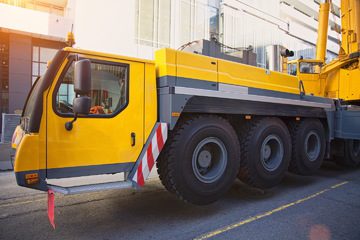
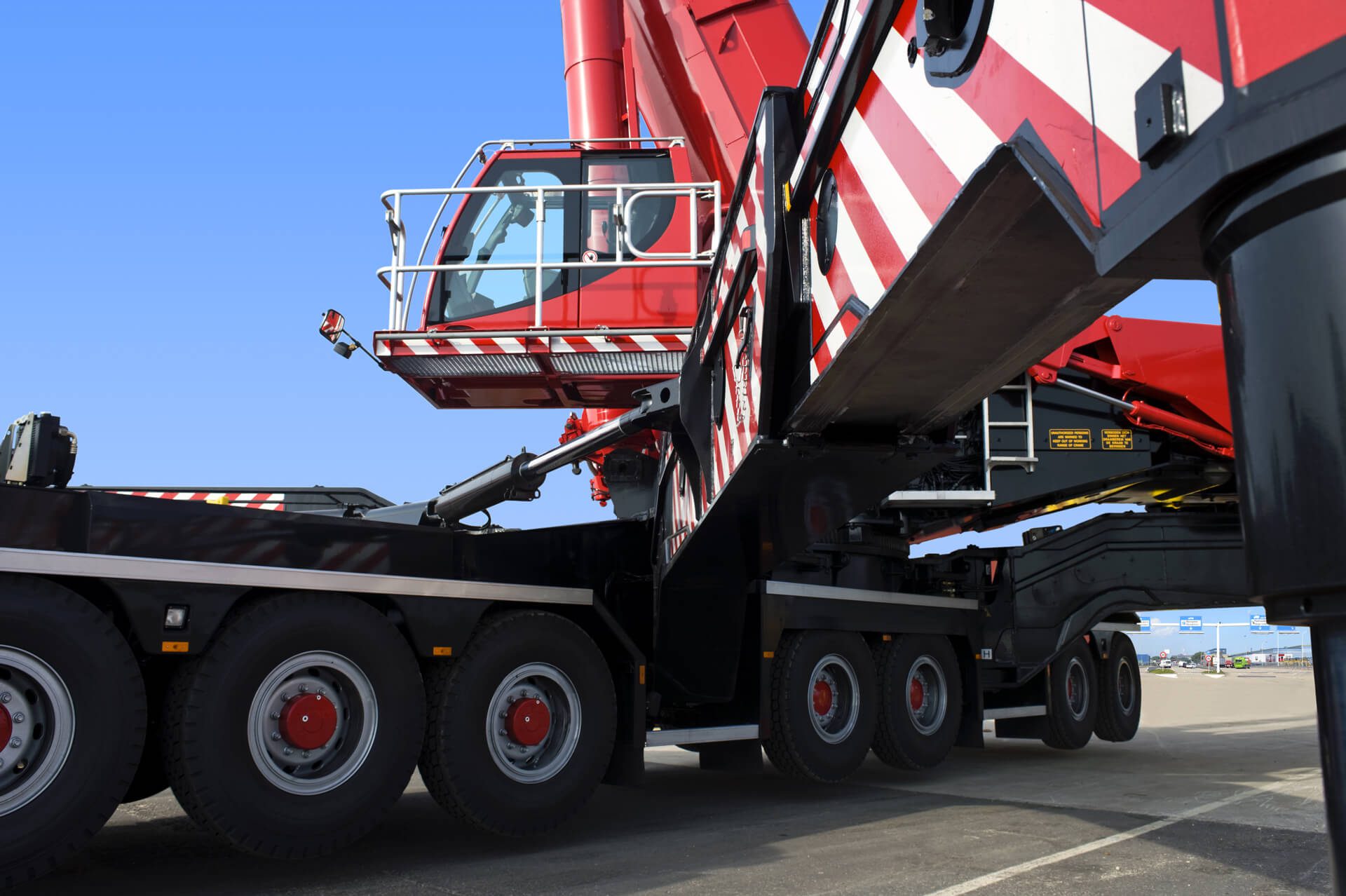
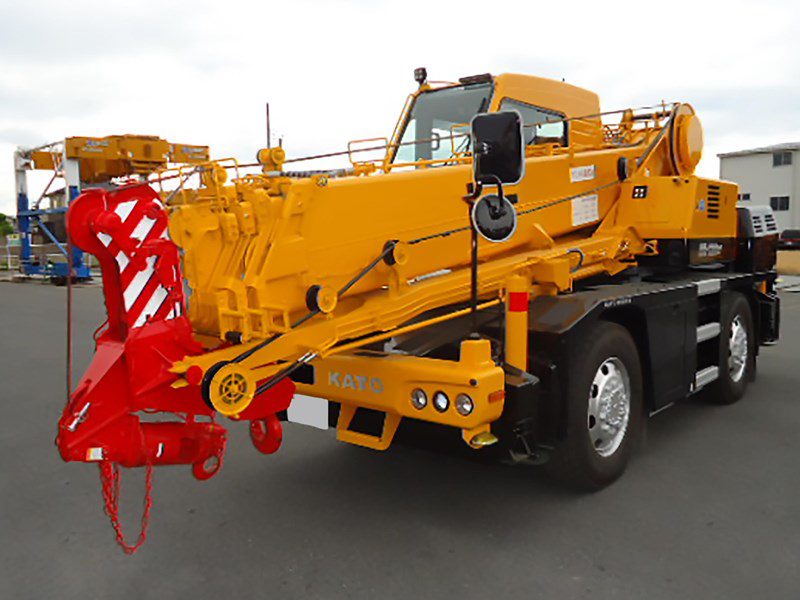
Mobile crane hire remains a cornerstone of Australian construction, particularly for infrastructure and civil works. These cranes are valued for their adaptability, rapid mobilisation, and ability to operate across multiple sites within a short timeframe. In large infrastructure projects, mobile cranes are often deployed to lift bridge beams, precast concrete sections, and mechanical equipment where fixed lifting solutions are impractical.
Their flexibility is especially relevant in regional projects and transport corridors, where work sites shift frequently and access conditions vary. Mobile cranes can be configured for different load capacities and reach requirements, allowing contractors to respond quickly to changing site demands. This adaptability supports tighter construction schedules, a growing priority as governments seek to accelerate infrastructure delivery without compromising safety.
In urban renewal projects, mobile crane hire is also used to supplement tower cranes during peak construction phases. This hybrid approach enables contractors to manage complex lifting sequences without overloading a single system, improving overall efficiency while maintaining compliance with safety regulations.
Tower Crane Hire and the Vertical City
As Australian cities continue to build upward, tower crane hire has become synonymous with high-rise development. These cranes are engineered for stability, height, and repetitive lifting tasks, making them indispensable for residential towers, commercial buildings, and mixed-use developments in city centres.
Tower cranes provide consistent lifting capacity over extended periods, supporting the vertical flow of materials such as steel, formwork, and façade elements. Their fixed position allows for precise planning of lift paths, which is critical in dense urban environments where neighbouring properties, traffic corridors, and public spaces must be protected.
In cities like Sydney, tower crane hire is also closely tied to planning approvals and community impact considerations. The presence of a tower crane affects airspace, visual amenity, and construction noise, requiring careful coordination with local councils and regulatory bodies. As a result, crane selection and placement have become integral components of early project design rather than operational afterthoughts.
Franna Crane Hire Sydney and Precision Operations
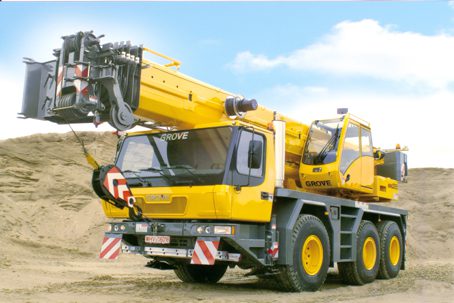
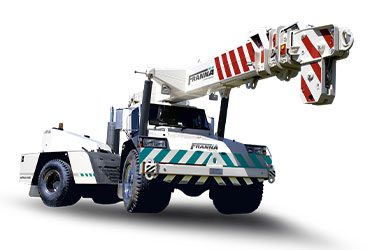
While tower and mobile cranes dominate large-scale projects, franna crane hire Sydney occupies a distinct and increasingly important niche. Franna cranes, classified as pick-and-carry cranes, are designed to lift and transport loads over short distances without the need for additional support vehicles.
In metropolitan areas, franna cranes are commonly used for plant installation, structural steel placement, and maintenance works within operational facilities. Their ability to manoeuvre in tight spaces makes them particularly valuable in industrial zones, ports, and live construction environments where downtime must be minimised.
The growing reliance on franna crane hire Sydney reflects broader trends toward efficiency and risk reduction. By combining lifting and transport functions in a single machine, franna cranes reduce the number of handling steps required, lowering the potential for incidents while improving productivity.
Safety Standards and Regulatory Oversight
Crane operations in Australia are governed by a comprehensive framework of safety standards and regulations. Safe Work Australia, along with state-based authorities, sets requirements covering crane design, operator licensing, maintenance, and site management. These standards apply across mobile crane hire, tower crane hire, and franna crane hire Sydney, ensuring a consistent baseline for risk control.
Recent years have seen increased emphasis on lift planning, operator competency, and real-time monitoring. Detailed lift studies are now standard practice for complex operations, particularly in high-risk urban environments. This shift reflects a broader cultural change within the industry, where safety is increasingly integrated into project planning rather than treated as a compliance exercise.
Regulatory scrutiny has also intensified following high-profile incidents, prompting tighter enforcement and greater transparency. For developers and contractors, this environment reinforces the importance of selecting appropriate crane types and ensuring that operational practices align with both legal requirements and community expectations.
Technology and the Future of Crane Operations
Technological advancement is reshaping how cranes are used across Australian construction sites. Modern tower cranes are equipped with anti-collision systems, load monitoring sensors, and digital interfaces that enhance precision and situational awareness. Mobile cranes increasingly incorporate telematics, enabling remote diagnostics and performance tracking.
These innovations support safer and more efficient operations, particularly on complex sites involving multiple cranes or overlapping work zones. For franna crane hire Sydney, technological improvements in steering systems and load control have expanded the range of tasks these machines can perform safely within urban environments.
Digital planning tools are also influencing crane selection and deployment. Building information modelling allows project teams to simulate crane movements and identify potential conflicts before construction begins. This proactive approach reduces uncertainty and supports more informed decision-making across the project lifecycle.
Cranes as Indicators of Economic and Urban Change
Beyond their functional role, cranes have become visible symbols of economic activity and urban transformation. The concentration of tower cranes in city centres often mirrors investment trends and housing demand, while the deployment of mobile crane hire across infrastructure projects reflects public spending priorities.
In this context, crane utilisation offers a lens through which to view broader shifts in Australian construction. The balance between vertical development, infrastructure expansion, and industrial renewal is reflected in how different crane types are employed across regions and project categories.
As cities continue to evolve, the strategic integration of mobile crane hire, tower crane hire, and franna crane hire Sydney will remain central to delivering projects that meet technical, regulatory, and social expectations. These machines, while rarely the focus of public attention, are fundamental to shaping the built environment in which Australians live and work.
Conclusion: Lifting the Foundations of Modern Construction
The modern Australian construction landscape is defined by complexity, density, and ambition. Cranes sit at the intersection of these forces, translating architectural vision and engineering design into physical reality. Whether supporting infrastructure expansion, enabling vertical growth, or facilitating precision work in constrained environments, crane technology underpins the sector’s capacity to adapt and progress.
Understanding the distinct roles of mobile crane hire, tower crane hire, and franna crane hire Sydney provides valuable insight into how projects are delivered in an increasingly demanding urban context. As safety standards tighten and technology continues to advance, the strategic deployment of cranes will remain a defining factor in the success of Australia’s construction and infrastructure future.