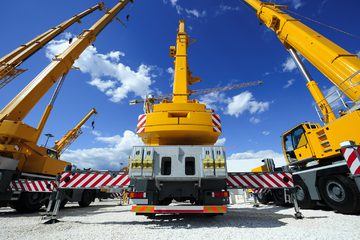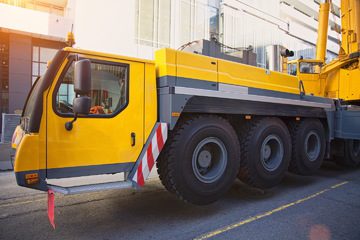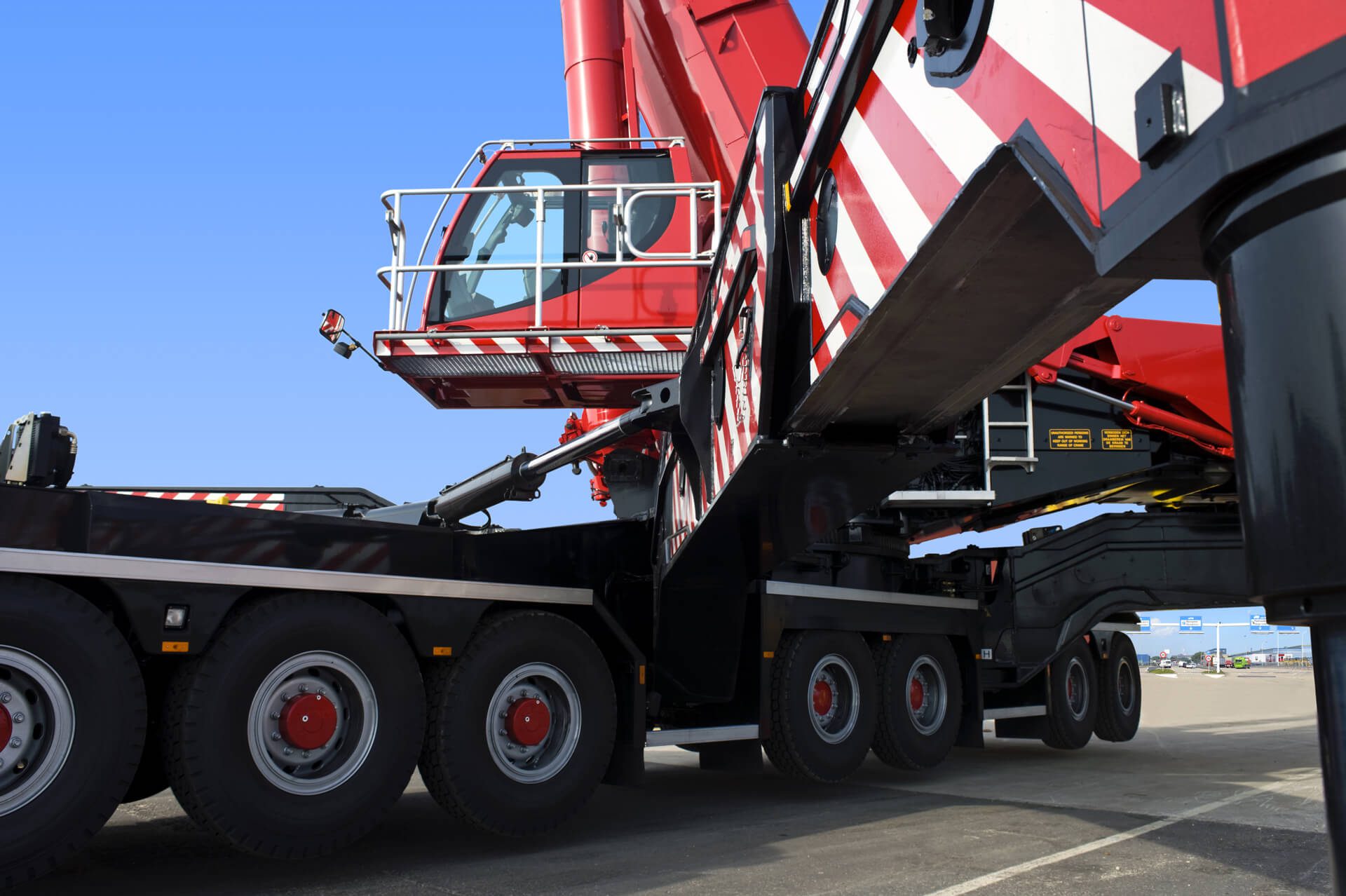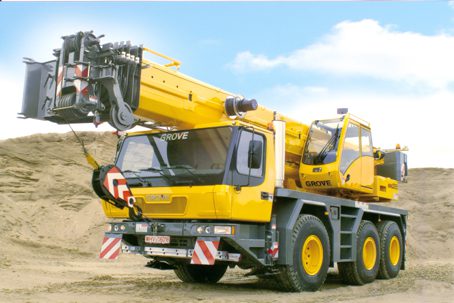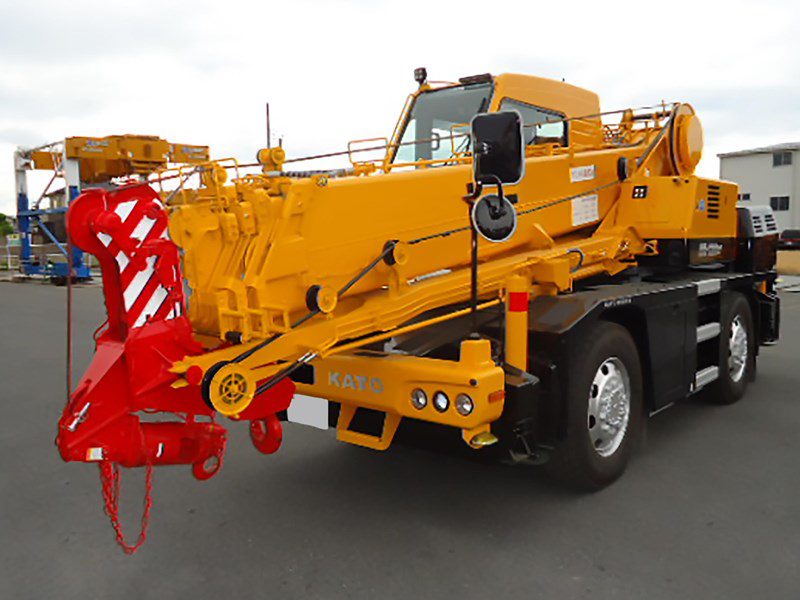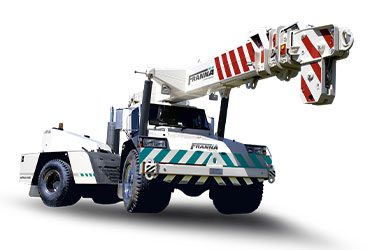
Across Australia, cranes have become enduring symbols of economic activity and urban change. Their presence marks the steady transformation of cities responding to population growth, infrastructure demand, and shifting patterns of work and living. In metropolitan regions such as Northern Sydney, where established suburbs intersect with expanding commercial and residential development, cranes are not merely construction tools but strategic assets. The increasing reliance on mobile crane hire, tower crane hire, and specialised city crane hire northern sydney reflects how modern construction has evolved into a highly coordinated, technology-driven discipline.
As Australia continues to invest heavily in transport, housing, and public infrastructure, understanding the role of cranes provides insight into how projects are planned, regulated, and delivered in dense urban environments. The choices made around crane selection influence safety outcomes, construction efficiency, and the broader impact of building activity on surrounding communities.
Cranes as Strategic Enablers of Urban Development
In contemporary construction, cranes are embedded in the earliest stages of project planning. Architects, engineers, and builders now consider lifting requirements alongside design, recognising that cranes shape site logistics, construction sequencing, and even building form. This shift is particularly evident in Northern Sydney, where constrained sites and established urban fabric demand careful integration of construction activity.
City crane hire northern sydney illustrates this strategic approach. Rather than relying on a single lifting solution, projects increasingly deploy a combination of crane types to address different phases of construction. Mobile crane hire offers flexibility during early works and infrastructure installation, while tower crane hire provides the sustained capacity required for vertical construction. Together, they enable complex developments to proceed with minimal disruption and greater predictability.
Mobile Crane Hire and Infrastructure Projects
Mobile crane hire remains a cornerstone of Australia’s infrastructure sector. Designed for mobility and rapid deployment, mobile cranes are widely used in road, rail, utilities, and energy projects. Their ability to move between locations without dismantling makes them particularly valuable for works that span multiple sites or progress incrementally along transport corridors.
In Northern Sydney, mobile cranes are frequently used for bridge construction, station upgrades, and utility installations, where lifting requirements change as projects advance. They are also integral to maintenance and renewal works, allowing essential infrastructure to be upgraded while remaining operational.
Beyond major infrastructure, mobile crane hire plays a vital role in urban construction. It supports steel erection, mechanical plant installation, and façade works, especially where lifting tasks are intermittent or short-term. This adaptability makes mobile cranes a practical solution in areas where space constraints and traffic considerations limit the feasibility of permanent lifting equipment.
Tower Crane Hire and High-Rise Construction
As Australian cities grow upward, tower crane hire has become synonymous with high-rise development. Residential towers, commercial buildings, and mixed-use precincts rely on tower cranes for consistent lifting capacity over extended periods. These cranes are designed to operate throughout the construction lifecycle, supporting structural works, external cladding, and internal fit-outs.
In Northern Sydney, where demand for housing and office space continues to rise, tower cranes are increasingly visible across redevelopment zones and transport-oriented precincts. Their fixed position allows for predictable material flow, which is essential for managing complex schedules and coordinating multiple trades on site.
Tower crane hire also reflects broader trends in urban consolidation. As planning policies encourage denser development near transport hubs, tower cranes enable builders to maximise limited land while maintaining productivity. Their role extends beyond individual buildings, influencing how entire precincts are staged and delivered.
Managing Construction in Dense Urban Environments
Dense urban construction presents challenges that go beyond engineering. Projects must coexist with existing communities, businesses, and transport networks, often within tight spatial and regulatory constraints. In these settings, crane operations are closely scrutinised to manage safety, noise, and visual impact.
City crane hire northern sydney highlights how construction teams adapt to these conditions. Mobile cranes may be scheduled during off-peak hours to reduce traffic disruption, while tower cranes are configured to limit oversailing of neighbouring properties. Detailed lift planning is essential, particularly where cranes operate close to public spaces or critical infrastructure.
The increasing complexity of urban sites has also driven greater coordination between crane operators and project managers. On large developments, multiple cranes may operate simultaneously, requiring advanced systems to manage airspace and prevent conflicts. This level of coordination reflects the growing sophistication of crane management in Australian construction.
Safety Standards and Regulatory Oversight
Australia’s crane operations are governed by a comprehensive safety and regulatory framework. Safe Work Australia sets national guidelines, supported by state and territory regulators that enforce detailed requirements around equipment certification, operator licensing, and site safety management. These standards apply across mobile crane hire and tower crane hire alike.
In urban environments, additional controls are often required to protect the public and adjacent properties. Exclusion zones, engineered lift plans, and real-time monitoring are standard on major projects. Weather conditions, particularly wind, are closely monitored, as they can significantly affect crane stability and load control.
The regulatory emphasis on safety has reshaped industry practices. Crane operations are now deeply integrated into overall project risk management, with early collaboration between designers, builders, and crane specialists becoming standard practice. This approach recognises that safety outcomes are influenced as much by planning decisions as by on-site behaviour.
Technology and Innovation in Crane Operations
Technological advancement has transformed how cranes are used across Australia. Modern cranes are equipped with sophisticated load monitoring systems, anti-collision technology, and digital interfaces that enhance operator awareness. These systems are particularly valuable on complex sites where multiple cranes operate in close proximity.
Digital modelling tools allow crane operations to be simulated before construction begins. By visualising lift paths and identifying potential clashes, project teams can refine crane placement and sequencing, reducing the risk of delays or safety incidents. In dense urban developments, this capability has become an essential part of project planning.
Automation and remote monitoring are also gaining traction, offering the potential to improve precision and reduce operator fatigue. While cranes remain operator-controlled, technology increasingly supports decision-making, reflecting a broader shift toward data-driven construction practices.
Economic and Urban Implications
The visibility of cranes across Northern Sydney is closely tied to broader economic trends. Construction activity supports employment, drives investment, and enables the delivery of housing and infrastructure needed to sustain population growth. Mobile crane hire and tower crane hire are integral to this process, providing the lifting capacity that underpins nearly every major project.
At the same time, the concentration of crane activity in established urban areas highlights the challenges of balancing growth with liveability. Effective crane management helps minimise disruption, supporting community acceptance of development while maintaining productivity.
Cranes and the Future of Australian Cities
Looking ahead, cranes will remain central to Australia’s urban and infrastructure ambitions. Continued investment in transport, housing, and renewable energy suggests sustained demand for sophisticated lifting solutions. In regions such as Northern Sydney, city crane hire northern sydney reflects how the industry is adapting to greater density, tighter regulation, and higher expectations around safety and efficiency.
Cranes today represent more than construction equipment. They are indicators of how cities evolve, how infrastructure is delivered, and how technology and regulation shape the built environment. For industry professionals and the broader business community, understanding their role offers a clearer view of how Australia is building its future—carefully planned, tightly regulated, and increasingly vertical.