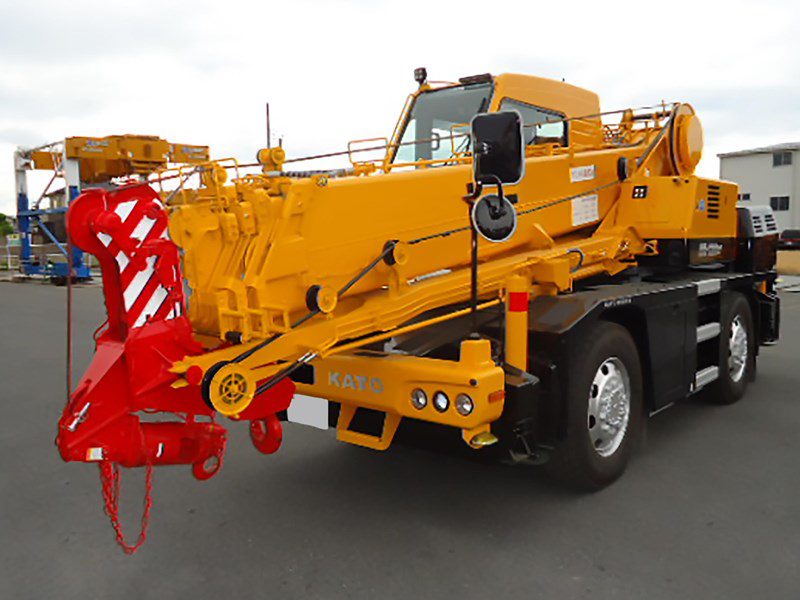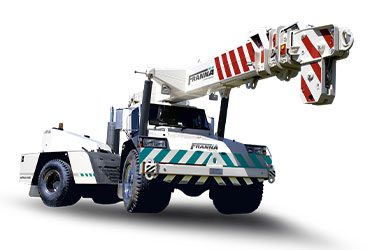
Australia’s construction sector is undergoing a profound transformation. Rapid population growth, sustained infrastructure investment, and an accelerating shift toward higher-density development are reshaping the physical form of cities and regional centres alike. At the heart of this transformation is a class of machinery that rarely attracts public attention but plays an indispensable role in turning plans into reality: construction cranes. From major transport corridors to inner-city towers, mobile crane hire and tower crane hire have become critical enablers of modern building activity, particularly in growth corridors such as Western Sydney, where large-scale development and complex logistics intersect.
The strategic importance of crane hire western sydney reflects broader national trends. As projects become larger, taller, and more technically demanding, the selection and deployment of cranes has evolved from a purely operational decision into a strategic consideration with implications for safety, efficiency, and urban impact.
Urban Expansion and the Strategic Role of Crane Hire
Western Sydney has emerged as one of Australia’s most significant construction zones, driven by major public works such as new motorways, rail extensions, and the development of Western Sydney International Airport. Alongside this infrastructure push, residential and commercial developments are intensifying to meet demand from a growing population and workforce. In this environment, crane hire western sydney is not simply about lifting materials; it is about coordinating construction activity within constrained sites, active transport networks, and surrounding communities.
Crane hire models allow contractors to match lifting capacity precisely to project requirements without the long-term capital costs of ownership. This flexibility has become increasingly important as project timelines tighten and construction methods become more specialised. Mobile crane hire is often favoured for its adaptability across short-term tasks and dispersed sites, while tower crane hire supports the vertical ambition of Australia’s expanding skylines.
Mobile Cranes and Infrastructure Delivery
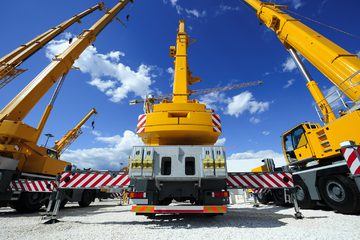
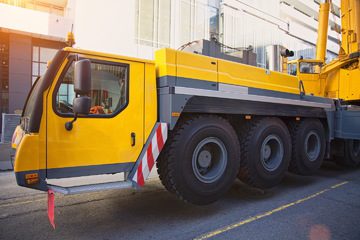
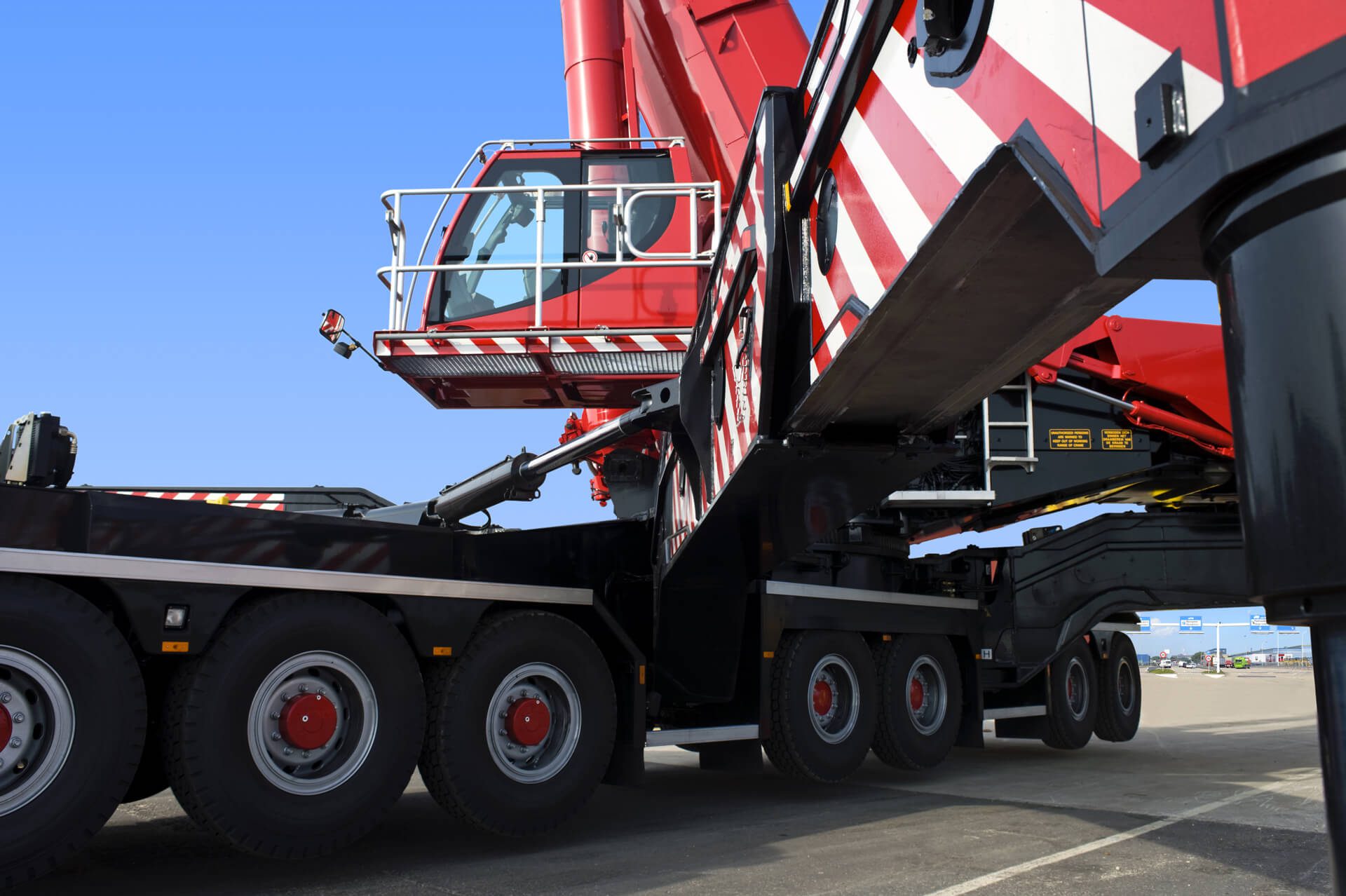
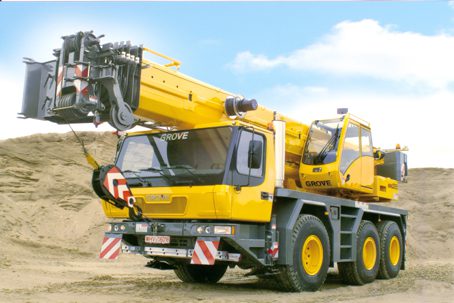
Mobile crane hire plays a central role in Australia’s infrastructure pipeline. These cranes are typically used for bridge construction, road upgrades, utilities installation, and industrial projects where lifting needs change frequently and sites may be spread across large geographic areas. Their ability to be rapidly transported, set up, and redeployed makes them well suited to projects where time and access are critical constraints.
In Western Sydney, mobile cranes are commonly seen supporting transport projects that require lifting precast concrete segments, steel beams, or large mechanical components. Their versatility allows them to operate alongside live traffic corridors or within active industrial zones, provided that detailed lift planning and traffic management measures are in place. This adaptability has made mobile crane hire a mainstay of both public infrastructure programs and private sector developments across Australia.
Tower Cranes and Vertical Construction
Where mobile cranes excel in flexibility, tower crane hire underpins the construction of high-rise and high-density developments. Tower cranes are designed to remain on site for extended periods, providing continuous lifting capacity throughout the build. Their height and reach make them essential for residential towers, commercial offices, and mixed-use developments that define modern urban centres.
In dense environments, tower cranes enable construction to proceed vertically while minimising the footprint required on the ground. This is particularly important in inner-city locations and emerging urban hubs in Western Sydney, where land values and planning controls encourage vertical development. The presence of tower cranes has become a visual marker of growth, signalling investment and transformation across city precincts.
Matching Crane Types to Project Complexity
The choice between mobile crane hire and tower crane hire is rarely binary. Many large projects rely on a combination of crane types at different stages of construction. Mobile cranes are often used during early works for site establishment, structural steel erection, or the installation of prefabricated components. As the building rises, tower cranes take over to support repetitive lifting tasks and material distribution at height.
In dense urban projects, crane selection is influenced not only by load capacity but also by airspace constraints, proximity to neighbouring buildings, and the need to reduce disruption to surrounding areas. Western Sydney developments, which often sit at the intersection of urban and industrial land uses, highlight the complexity of these decisions. Effective crane deployment requires close coordination between engineers, planners, and regulators to balance productivity with safety and community impact.
Safety Standards and Regulatory Oversight
Australia maintains one of the most rigorous safety frameworks for crane operations globally. Crane hire activities are governed by a combination of national standards, such as those developed by Standards Australia, and state-based work health and safety regulations. In New South Wales, SafeWork NSW plays a central role in overseeing crane operations, licensing requirements, and incident investigations.
Operators must be appropriately licensed, lift plans must be documented and reviewed, and equipment must undergo regular inspection and maintenance. For tower crane hire, additional requirements apply, including detailed engineering design, wind monitoring, and protocols for working near overhead power lines or flight paths. These measures are particularly relevant in Western Sydney, where major projects often operate in proximity to airports, rail corridors, and residential communities.
Technological Advancements in Crane Operations
Technological innovation is reshaping the crane hire sector, improving both safety and efficiency. Modern cranes are increasingly equipped with load monitoring systems, anti-collision technology, and digital controls that enhance precision and reduce the risk of human error. For tower cranes, real-time data on wind speed, load limits, and crane movements allows operators and site managers to make informed decisions under changing conditions.
Mobile crane hire has also benefited from advancements in telematics and fleet management systems. These tools provide greater visibility into equipment performance and utilisation, supporting more efficient scheduling and maintenance. As Australia’s construction projects grow in scale and complexity, such technologies are becoming integral to meeting regulatory expectations and project timelines.
Environmental and Community Considerations
Beyond safety and efficiency, crane hire decisions increasingly reflect environmental and social considerations. Urban construction sites are under pressure to reduce noise, emissions, and visual impact. Newer crane models are designed with more efficient engines and quieter operation, aligning with broader sustainability objectives within the construction sector.
In Western Sydney, where large projects often sit near established communities, managing the interface between construction activity and daily life is a key challenge. Thoughtful crane selection and scheduling can help minimise disruption, demonstrating how technical decisions contribute to broader urban outcomes.
A Sector Shaping the Built Environment
Crane hire may operate behind the scenes, but its influence on Australia’s built environment is unmistakable. From the infrastructure that connects cities to the towers that redefine skylines, mobile crane hire and tower crane hire enable construction at a scale and pace that would otherwise be impossible. In regions such as Western Sydney, where growth pressures and logistical complexity converge, the strategic deployment of cranes reflects the maturity and sophistication of the construction sector itself.
As Australia continues to invest in its cities and regions, cranes will remain a visible and vital symbol of progress. Their role extends beyond lifting materials; they are instruments of planning, regulation, and technological advancement, shaping how communities grow and how urban ambitions are realised.