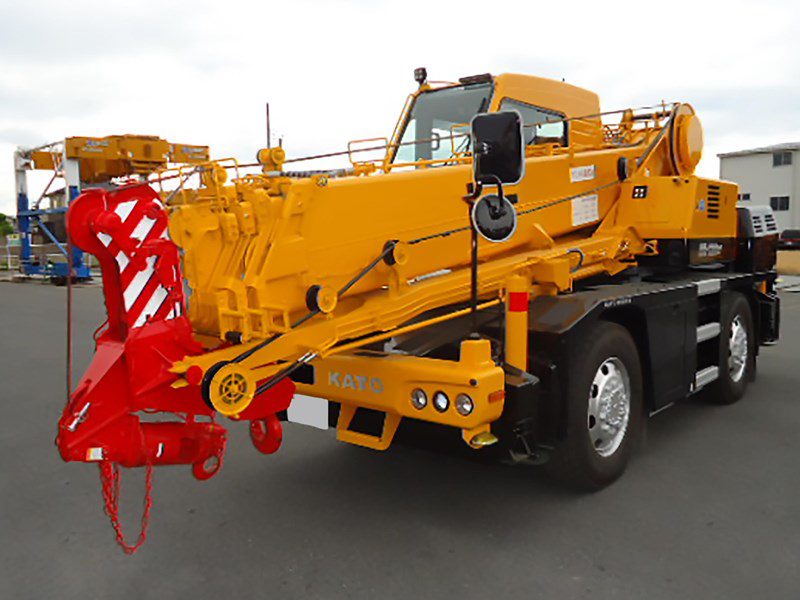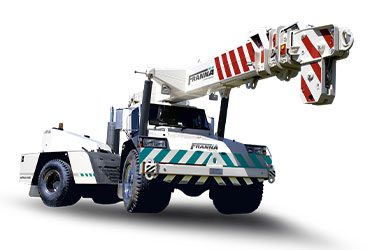
Australia’s cities are being reshaped at a pace not seen in decades. From transport corridors and energy infrastructure to high-density residential towers, the scale and complexity of contemporary construction demand precise, reliable lifting solutions. At the centre of this transformation are cranes, whose role has expanded beyond simple material handling into a strategic function that influences project feasibility, safety, and urban planning outcomes. In markets such as Sydney, where space constraints and regulatory scrutiny are particularly acute, city crane hire Sydney, mobile crane hire, and tower crane hire have become integral to how projects are designed and delivered.
This evolution reflects broader changes in Australian construction. Urban consolidation, rising land values, and ambitious infrastructure agendas are forcing builders and engineers to think vertically and work within tighter physical and regulatory boundaries. Cranes, once regarded as temporary tools on a site, now operate as critical enablers of modern development.
Urban Density and the Strategic Importance of Cranes
Australia’s major cities are increasingly defined by density rather than sprawl. In Sydney and Melbourne, planning policy encourages infill development and vertical growth to accommodate population increases while limiting outward expansion. This shift has elevated the importance of lifting strategies early in project planning.
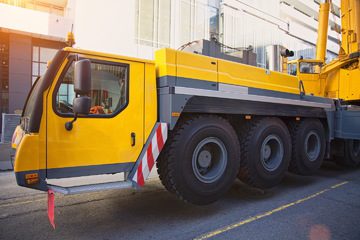
City crane hire Sydney illustrates this reality clearly. Construction sites in the central business district and surrounding inner suburbs often operate on narrow footprints, bordered by active roads, neighbouring buildings, and public spaces. In such environments, crane selection is not merely an operational decision but a strategic one. The reach, slewing radius, and load capacity of a crane can determine whether a project can proceed without disrupting surrounding activity or breaching safety regulations.
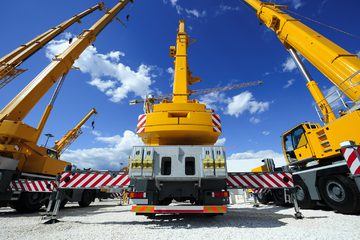
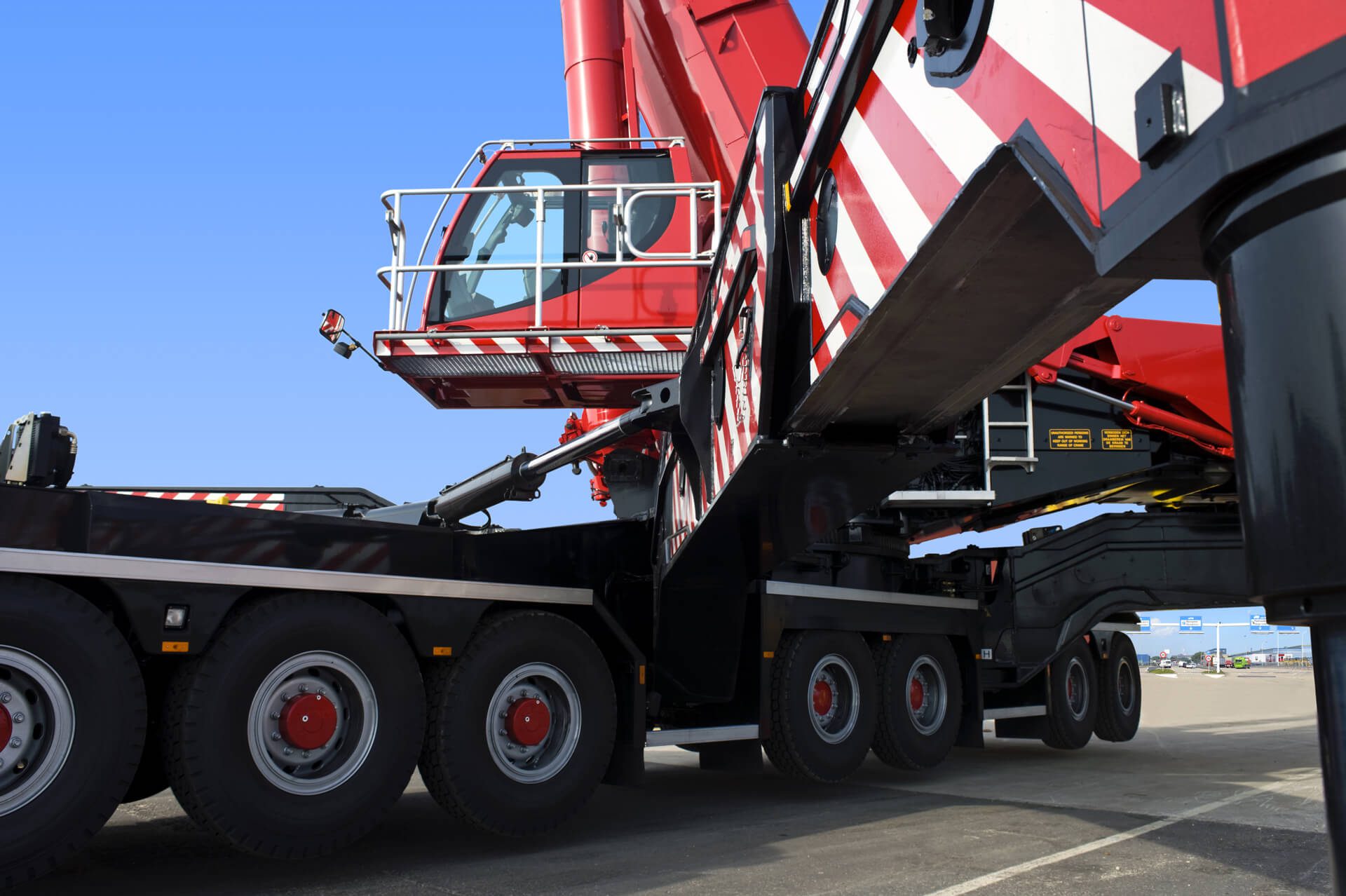
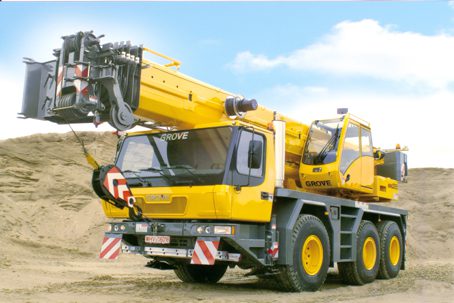
Mobile crane hire plays a different but equally important role. Mobile cranes offer flexibility and speed, making them suitable for infrastructure works, staged developments, and projects requiring intermittent heavy lifts. Their ability to be deployed and removed quickly aligns with the needs of urban projects that must minimise street closures and community disruption.
Comparing Crane Types Across Project Categories
The distinction between mobile crane hire and tower crane hire becomes clearer when viewed through the lens of project type. Infrastructure projects such as bridges, rail upgrades, and utilities installation often require powerful, short-duration lifts across multiple locations. Mobile cranes are well suited to these tasks, as they can travel between sites and adapt to varying ground conditions. In large-scale infrastructure programs, mobile cranes frequently operate alongside other plant, supporting a modular approach to construction.
High-rise development presents a contrasting scenario. Tower crane hire is closely associated with tall buildings, where consistent vertical lifting is required over extended periods. Tower cranes provide the height and reach necessary to service multiple floors simultaneously, supporting continuous construction cycles. In dense urban areas, their fixed position and predictable operating envelope help planners manage risks associated with overhead lifting.
In particularly constrained locations, such as inner-city residential precincts or sites adjacent to transport corridors, the choice of crane can influence community acceptance. Tower cranes, while visually prominent, can reduce the need for repeated mobile crane movements, thereby limiting noise, traffic impacts, and emissions over the life of a project.
The Role of Cranes in Integrated Urban Development
Modern urban development increasingly emphasises integration between construction activity and the surrounding city. Projects are expected to coexist with residents, businesses, and public infrastructure rather than displacing them. Cranes play a subtle but important role in this integration.
City crane hire Sydney reflects a broader trend towards precision and predictability. Advanced planning tools allow crane operations to be modelled in three dimensions, helping engineers identify potential conflicts with neighbouring structures or flight paths. This capability is particularly relevant in Sydney, where airspace restrictions and heritage considerations add layers of complexity.
Mobile crane hire contributes to integration by supporting off-site prefabrication. As more components are manufactured in controlled environments and delivered ready for installation, mobile cranes facilitate rapid assembly on site. This approach can shorten construction timelines and reduce on-site labour, aligning with productivity and safety objectives.
Safety Standards and Regulatory Oversight
Australia’s construction sector operates under a rigorous safety and regulatory framework, and crane operations are subject to particularly close scrutiny. Workplace health and safety laws, enforced at both state and federal levels, set out requirements for operator licensing, equipment inspection, and risk management.
Tower crane hire involves additional regulatory considerations due to the scale and permanence of installations. Erection and dismantling processes must be carefully planned and approved, often involving coordination with local councils and regulators. In urban areas, exclusion zones, wind monitoring, and emergency response planning are standard components of crane management.
Mobile crane hire is governed by similar principles but presents different risk profiles. Ground conditions, load charts, and traffic management are critical factors, particularly when cranes operate on public roads or near live infrastructure. The emphasis across all crane types is on proactive risk assessment and continuous monitoring.
Technological Advancements in Crane Operations
Technology is reshaping how cranes are specified, operated, and regulated in Australia. Digital load monitoring systems, real-time wind sensors, and advanced control interfaces have improved both safety and efficiency. These innovations allow operators to respond quickly to changing conditions, reducing the likelihood of incidents.
Tower crane hire has benefited from automation and remote diagnostics, enabling maintenance issues to be identified before they escalate. In dense urban settings, such capabilities support compliance with strict safety standards while maintaining productivity.
Mobile crane hire has seen advances in mobility and precision. Modern cranes offer improved steering systems and stabilisation technologies, allowing them to operate in tighter spaces with greater accuracy. These features are particularly valuable in city environments where margins for error are minimal.
Economic and Planning Implications
Beyond the construction site, crane utilisation has broader economic and planning implications. Efficient lifting strategies can reduce project timelines, which in turn affects housing supply, infrastructure delivery, and economic activity. In high-demand markets like Sydney, delays can have ripple effects across the economy.
City crane hire Sydney exemplifies how construction logistics intersect with urban policy. Decisions about crane placement and operation influence road closures, pedestrian access, and skyline aesthetics. As cities continue to densify, these considerations are likely to become more prominent in planning discussions.
Looking Ahead
As Australia’s urban landscape continues to evolve, the role of cranes will remain central to how cities are built and renewed. Mobile crane hire and tower crane hire each address distinct needs, but both are integral to delivering projects safely and efficiently within complex urban environments. In cities like Sydney, where density, regulation, and community expectations converge, crane strategy has become a defining element of modern construction practice.
The future of Australian construction will depend not only on architectural ambition or engineering innovation but also on how effectively the industry manages the practical realities of lifting and logistics. Cranes, often overlooked by the public, are quietly shaping the skylines and infrastructure that define the nation’s cities.