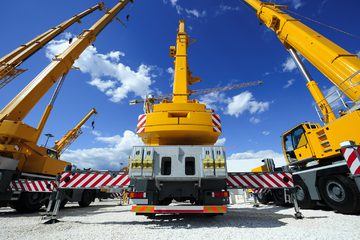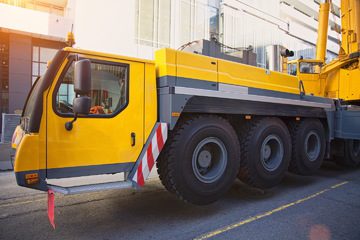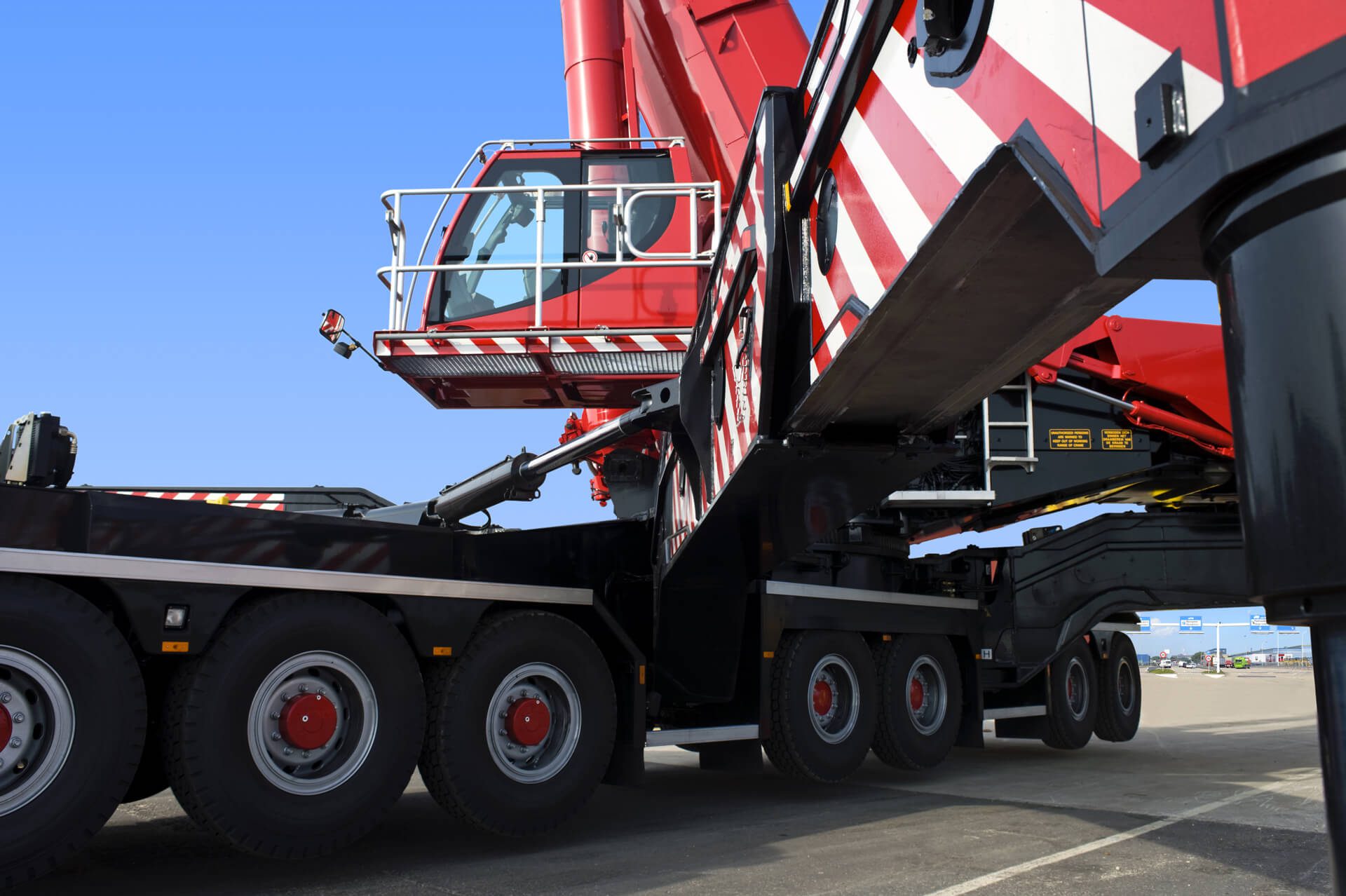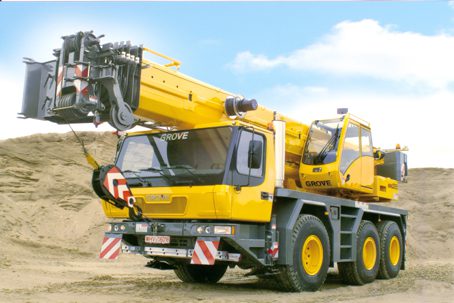
Across Australia’s major cities and regional centres, construction cranes have become enduring fixtures of the skyline. Their presence signals not only economic activity but also the scale and complexity of projects reshaping the nation’s built environment. From transport corridors and renewable energy facilities to high-rise residential towers, cranes enable construction that would otherwise be impossible. In this context, mobile crane hire, tower crane hire, and the increasingly prominent tower crane hire Sydney market illustrate how specialised lifting solutions underpin modern Australian construction and urban development.
As cities densify and infrastructure investment accelerates, the strategic deployment of different crane types has become a critical factor in project efficiency, safety, and regulatory compliance. Understanding how these cranes are used, governed, and enhanced by technology offers insight into how Australia builds in the twenty-first century.
Mobile Crane Hire and the Demands of Infrastructure Development
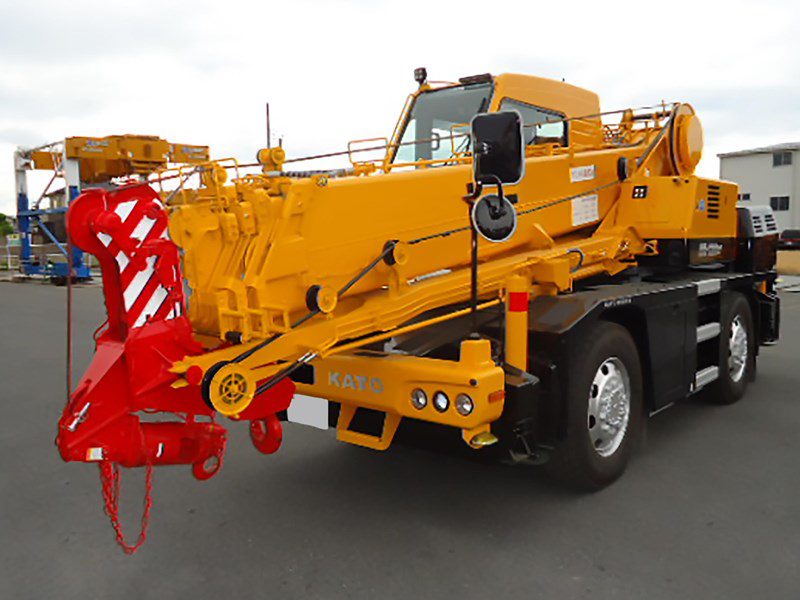
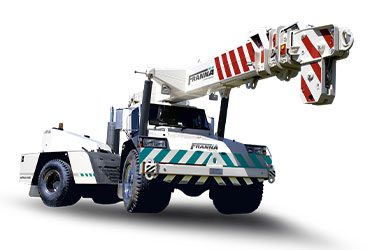
Mobile cranes remain the most adaptable lifting solution across Australia’s diverse construction landscape. Their defining characteristic is mobility, allowing cranes to be transported and set up quickly across multiple sites. Mobile crane hire is therefore closely associated with infrastructure projects such as road upgrades, bridge construction, rail works, ports, and energy installations.
Australia’s geographic scale amplifies the importance of flexibility. Many infrastructure projects span large distances or occur in remote and semi-regional areas where permanent lifting installations are impractical. Mobile cranes support these projects by providing lifting capacity without the long-term commitment of fixed equipment. They are commonly used for installing precast concrete elements, structural steel, and heavy mechanical components, often under tight timeframes.
In urban settings, mobile crane hire is frequently used for short-duration tasks, including rooftop plant installation, façade works, and maintenance lifts. Their ability to operate within temporary road closures or constrained access points makes them suitable for city environments where disruption must be minimised. However, this adaptability brings heightened safety considerations, particularly regarding ground stability, proximity to traffic, and interaction with overhead services.
Tower Crane Hire and Vertical Urban Expansion
While mobile cranes dominate infrastructure and short-term lifting, tower crane hire is central to Australia’s vertical growth. Tower cranes are engineered for height, reach, and continuous operation, making them indispensable for high-rise residential, commercial, and mixed-use developments.
In cities such as Sydney, Melbourne, and Brisbane, the demand for apartment living and inner-city redevelopment has driven sustained growth in tower crane hire. The prominence of tower crane hire Sydney reflects the city’s dense construction pipeline, where multiple high-rise projects often operate simultaneously within limited geographic areas. Tower cranes allow materials to be lifted efficiently to upper floors, reducing reliance on ground-level logistics in sites where space is at a premium.
Tower cranes are typically installed for the duration of a project, sometimes remaining operational for several years. Their fixed nature requires extensive planning before erection, including structural engineering assessments, wind analysis, and detailed lift studies. These considerations are particularly important in urban environments, where cranes may oversail neighbouring properties or operate near public spaces.
The increasing use of prefabricated building components has further reinforced the role of tower crane hire. Modern construction methods rely on precise, repeatable lifts to place modular elements accurately, a task well suited to tower cranes’ controlled movement and predictable load handling.
Tower Cranes in Dense and Complex Urban Environments
As Australian cities become more congested, the challenges of operating tower cranes have intensified. In areas with multiple adjacent developments, managing crane interaction and airspace has become a central concern. This has led to greater reliance on advanced crane configurations and coordination strategies, particularly in high-density districts.
In Sydney’s central business district and surrounding precincts, tower crane hire Sydney projects often involve complex planning to ensure safe operation among multiple cranes. Anti-collision systems, zoning controls, and coordinated lift scheduling are increasingly standard practice. These measures reflect the reality that tower cranes are no longer isolated pieces of equipment but part of a broader urban construction ecosystem.
The concentration of tower cranes has also influenced regulatory oversight, with authorities placing greater emphasis on public safety, noise management, and environmental impact. This regulatory environment shapes how tower crane hire is approached, balancing development needs with community considerations.
Safety Standards and Regulatory Frameworks
Safety is a defining element of crane operations in Australia, governed by a comprehensive work health and safety framework. National standards and state-based regulations outline requirements for crane design, inspection, operation, and maintenance, applying across mobile crane hire and tower crane hire alike.
Crane operators must hold appropriate high-risk work licences, while project managers are responsible for ensuring that lift plans, risk assessments, and exclusion zones are in place. For mobile cranes, safety considerations focus on load stability, ground bearing capacity, and dynamic site conditions. Tower cranes introduce additional risks associated with height, wind exposure, and long-term structural integrity.
Regulators also require regular inspections and documented maintenance regimes, recognising that cranes operate under significant mechanical stress. In dense urban environments, the consequences of failure are amplified, reinforcing the importance of compliance and oversight.
Technology and the Modern Crane Fleet
Technological advancement has significantly influenced crane operations across Australia. Modern cranes increasingly integrate digital systems designed to enhance both safety and efficiency. Load moment indicators, wind speed sensors, and automated shutdown features are now standard on many tower cranes, providing operators with real-time data to inform decision-making.
In the context of mobile crane hire, telematics systems allow fleet managers to monitor usage, location, and maintenance needs across multiple sites. These tools support compliance reporting and help optimise crane allocation, reducing downtime and improving project scheduling.
Anti-collision technology has become particularly important in high-density areas, where multiple tower cranes may operate within overlapping zones. These systems use sensors and software to prevent cranes from coming into unsafe proximity, addressing a key risk associated with urban construction.
Digital integration is also aligning cranes more closely with broader construction technologies, including building information modelling. By linking crane operations to digital project models, contractors can plan lifts with greater accuracy, reducing errors and improving coordination across trades.
Cranes and Australia’s Construction Future
The strategic role of mobile crane hire, tower crane hire, and the expanding tower crane hire Sydney market reflects broader trends in Australian construction. As infrastructure investment continues and cities grow upward rather than outward, cranes will remain essential enablers of development.
Their role extends beyond lifting materials; cranes shape how projects are designed, scheduled, and regulated. They influence construction methodologies, support safety outcomes, and reflect the increasing sophistication of the industry. In this sense, cranes are not merely tools of construction but indicators of how Australia adapts its built environment to economic growth, population change, and urban complexity.
As the skyline continues to evolve, the cranes that define it offer a clear view into the mechanics of modern development. They stand at the intersection of engineering, regulation, and technology, quietly supporting the structures that will shape Australian cities for decades to come.