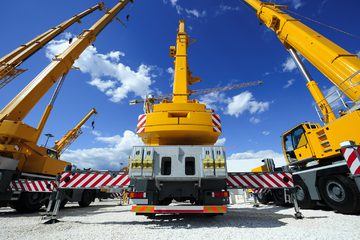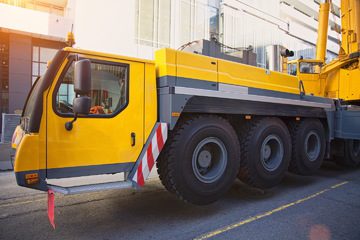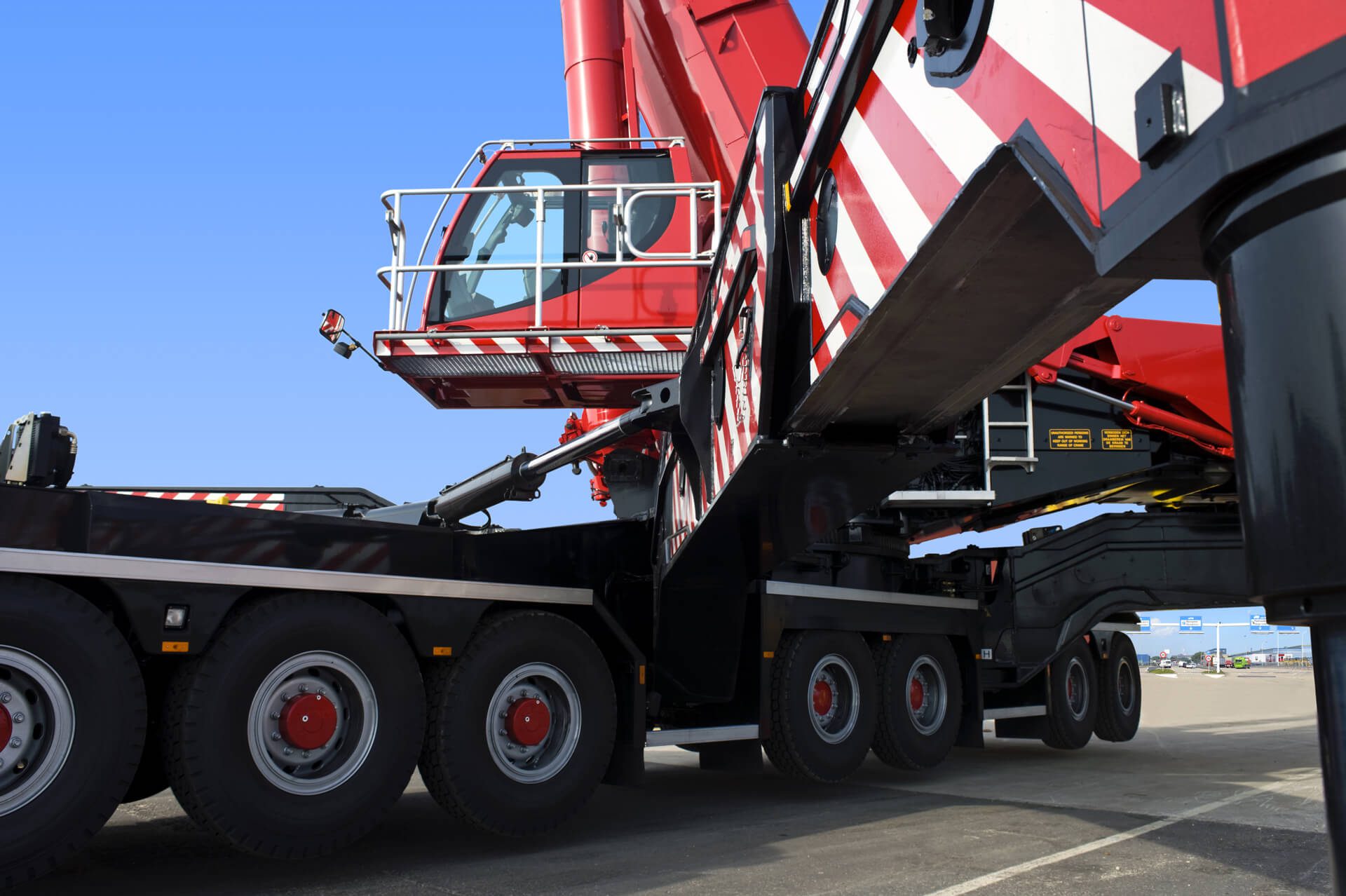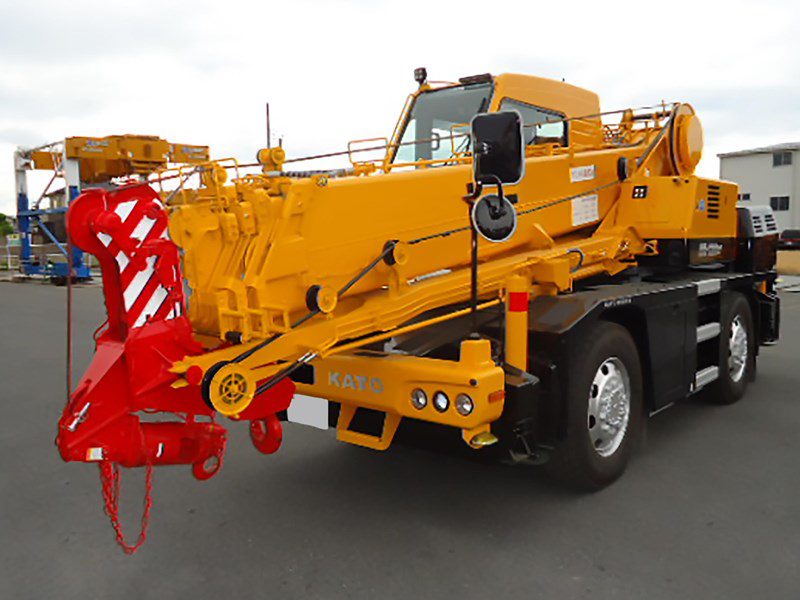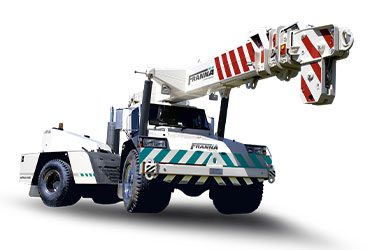
For construction companies, infrastructure contractors, and industrial operators, cranes are critical assets that enable efficient lifting, positioning, and assembly of heavy materials. However, a key strategic decision often arises early in project planning: whether to invest in crane ownership or opt for crane hire services. As projects become more complex and timelines tighter, many businesses are reassessing the true cost benefits of mobile crane hire compared to owning cranes outright. In particular, solutions such as luffing crane hire are proving to be financially advantageous in both urban and regional developments.
The High Capital Cost of Crane Ownership
Purchasing a crane represents a significant capital investment. Depending on capacity, reach, and configuration, crane costs can run into millions of dollars. This upfront expense ties up capital that could otherwise be allocated to workforce expansion, project bidding, or technology upgrades. Ownership also introduces depreciation risk, as crane values decline over time due to wear, regulatory changes, and advancements in lifting technology.
In contrast, mobile crane hire eliminates the need for large upfront spending. Businesses gain immediate access to the required lifting capacity without the long-term financial commitment, preserving cash flow and improving balance sheet flexibility.
Maintenance, Repairs, and Compliance Costs
Crane ownership extends far beyond the purchase price. Ongoing maintenance, scheduled servicing, inspections, and repairs are unavoidable expenses. Cranes must meet strict safety and regulatory standards, requiring certified technicians, spare parts, and downtime for servicing. Unexpected mechanical failures can further increase costs and disrupt project schedules.
When choosing crane hire services, these responsibilities are transferred to the hire provider. Reputable crane hire northern sydney companies ensure their fleets are fully maintained, certified, and compliant with current regulations. This significantly reduces operational risk and eliminates unpredictable maintenance expenses for contractors.
Operational Flexibility and Project-Specific Efficiency
Construction projects vary widely in scope, duration, and technical requirements. Owning a fixed crane fleet can limit flexibility, especially when different projects demand different crane capacities or configurations. For example, high-density urban sites may require specialized solutions such as luffing crane hire, while open sites may benefit from larger mobile cranes.
Crane hire allows businesses to select the most suitable equipment for each project, ensuring optimal performance without compromise. This flexibility prevents overinvestment in underutilized assets and supports efficient resource allocation across multiple projects.
Reduced Storage, Transport, and Logistics Costs
Crane ownership often requires dedicated storage facilities, secure yards, and transport arrangements between sites. These logistical costs add up quickly, particularly for companies operating across multiple regions. Transporting large cranes also requires specialized vehicles and permits, further increasing expenses.
By using crane hire services, transport and logistics are typically managed by the provider. This simplifies operations and removes the need for long-term storage solutions. For companies operating in competitive markets like crane hire northern sydney, this logistical efficiency can translate into substantial cost savings over time.
Access to Skilled Operators and Technical Expertise
Another often-overlooked cost of crane ownership is staffing. Cranes require licensed, experienced operators who must be recruited, trained, and retained. Additionally, supervisors and lift planners are often necessary for complex operations, adding to payroll and training expenses.
Many crane hire services include qualified operators as part of the hire package. This ensures compliance with safety standards while reducing the burden of workforce management. For specialized lifts involving luffing crane hire, access to experienced operators is particularly valuable, as these cranes require precision and technical expertise in confined environments.
Risk Management and Liability Reduction
Owning cranes exposes businesses to higher levels of operational risk. Equipment failure, accidents, and compliance breaches can result in costly delays, insurance claims, and legal liabilities. Managing these risks requires comprehensive insurance coverage and internal safety systems, further increasing costs.
Crane hire providers assume a significant portion of this risk. Their fleets are insured, regularly inspected, and operated under strict safety protocols. This risk-sharing model provides peace of mind and allows contractors to focus on core project delivery rather than asset-related liabilities.
Scalability for Short-Term and Long-Term Projects
One of the strongest cost benefits of crane hire is scalability. For short-term projects, owning a crane rarely makes financial sense due to low utilization rates. Even for long-term developments, hire solutions offer the ability to scale equipment up or down as project demands change.
For example, a project may require luffing crane hire during early structural stages and smaller mobile cranes for finishing works. Hiring enables seamless transitions without additional capital expenditure, ensuring costs remain aligned with actual project needs.
Conclusion: A Smarter Financial Strategy
When evaluating the true cost of crane operations, mobile crane hire consistently offers greater financial efficiency than crane ownership for most businesses. Reduced capital investment, predictable operating costs, flexibility, and access to specialized equipment make crane hire an attractive solution in today’s dynamic construction environment.
With growing demand for specialized lifting solutions and urban development, services such as luffing crane hire and professional crane hire northern sydney providers deliver both cost savings and operational advantages. For companies seeking to remain competitive, agile, and financially resilient, crane hire represents a strategic choice that supports long-term success without the burden of ownership.