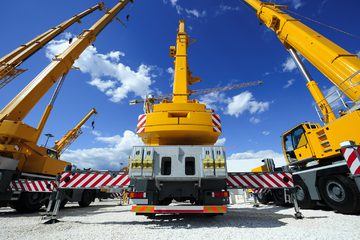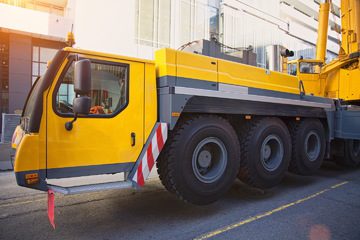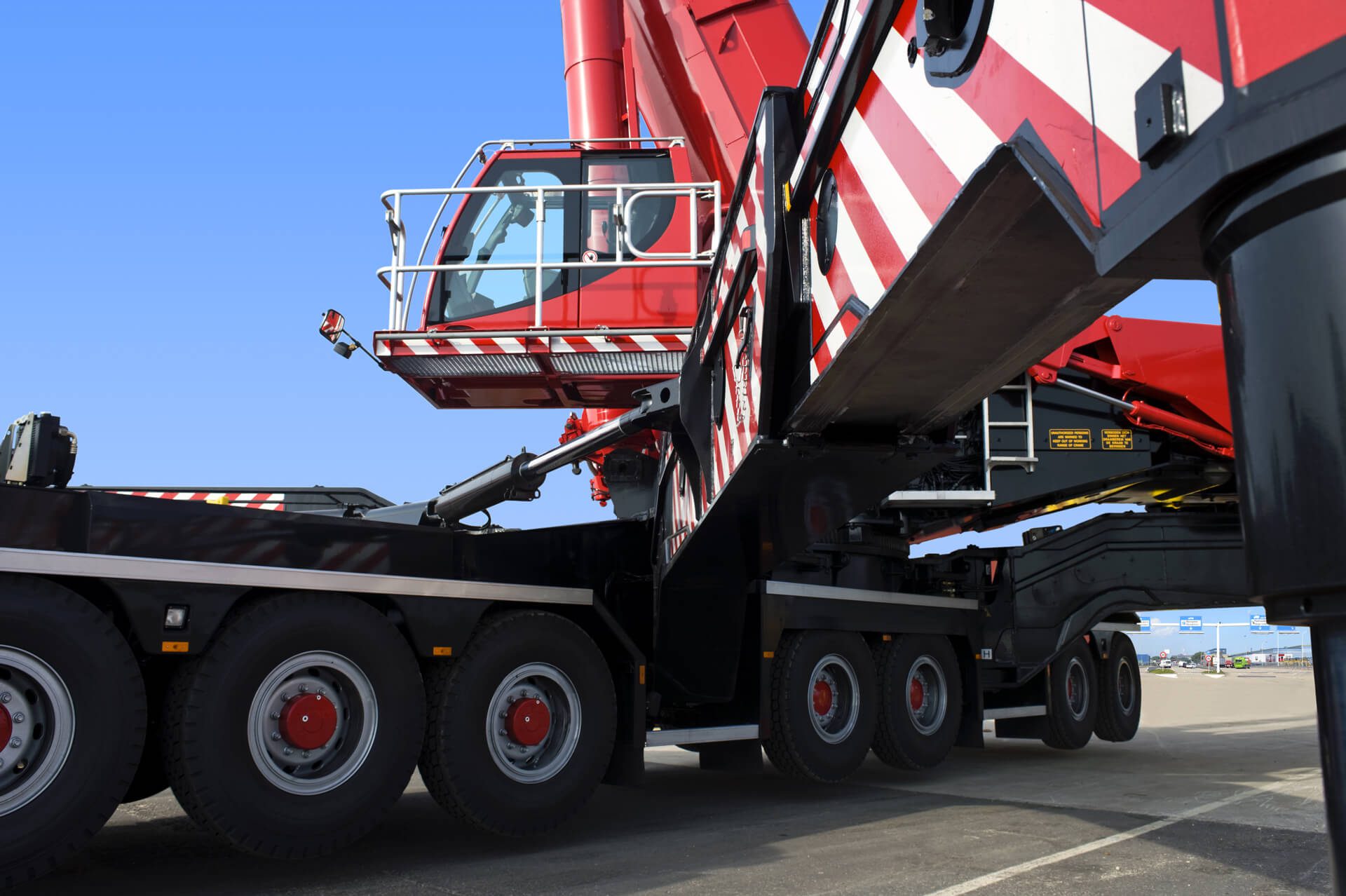
Australia’s construction boom is reshaping skylines from Sydney to Melbourne, but behind every gleaming high-rise and sprawling infrastructure project stands a logistical challenge that industry insiders know well: securing the right heavy lifting equipment at the right time. As urban density increases and projects grow more ambitious, the strategic deployment of specialized machinery has become as critical to project success as architectural vision or engineering prowess.
The question facing developers, builders, and project managers across the nation is not whether crane capacity matters, but how to access it efficiently in an increasingly competitive market. The answer for many lies in flexible equipment acquisition models that can adapt to project timelines, budget constraints, and the unpredictable nature of large-scale construction. This approach has fundamentally altered how Australia builds, particularly in congested urban centers where space comes at a premium and project delays translate directly into substantial financial losses.
The Strategic Calculus Behind Equipment Acquisition
Tower crane hire has emerged as the predominant model for accessing heavy lifting capacity in Australian construction, driven by economic realities that make outright ownership prohibitively expensive for all but the largest contractors. A single tower crane can cost between two and fifteen million dollars depending on capacity and specifications, representing a capital investment that ties up resources and carries ongoing maintenance obligations regardless of utilization rates.
The hire model shifts this equation entirely. Projects gain access to equipment precisely calibrated to their requirements without the burden of depreciation, storage, or long-term maintenance contracts. This flexibility proves particularly valuable in a construction environment characterized by cyclical demand and project-specific requirements that can vary dramatically from one site to another.
Financial considerations extend beyond acquisition costs. Insurance, transportation, assembly, and dismantling represent substantial line items in project budgets. Professional hire services typically bundle these elements into comprehensive packages that provide cost certainty and transfer liability away from primary contractors. This risk mitigation factor alone has convinced many firms to abandon ownership models entirely.
Regional Dynamics and Urban Concentration
The geographic distribution of construction activity across Australia reveals distinct patterns in equipment deployment strategies. Metropolitan centers face unique challenges that smaller regional markets do not encounter. In areas experiencing rapid residential and commercial development, such as city crane hire Western Sydney operations, competition for equipment access has intensified alongside the construction surge.
Western Sydney represents a microcosm of broader industry trends. The region has witnessed unprecedented growth driven by infrastructure investment, population expansion, and government initiatives aimed at decentralizing economic activity away from the traditional eastern suburbs. This growth has created sustained demand for heavy lifting capacity across multiple simultaneous projects, from residential towers to transport hubs.
The logistics of equipment deployment in such environments require sophisticated coordination. Urban density limits staging areas, while council regulations impose strict constraints on operating hours and noise levels. Hire providers serving these markets maintain extensive fleets distributed across strategic locations to ensure rapid response times and minimize transportation costs. The ability to position equipment efficiently has become a competitive differentiator that directly impacts project timelines.
Technical Evolution and Capacity Considerations
Modern tower cranes bear little resemblance to their predecessors from even a decade ago. Computerized load management systems, remote diagnostics, and enhanced safety features have transformed these machines into sophisticated pieces of technology that require specialized expertise to operate and maintain. Australian standards, particularly AS 1418 which governs crane design and operation, mandate stringent compliance requirements that influence equipment selection decisions.
Load capacity remains the primary specification driving equipment choice, but height, reach, and precision capabilities factor equally into project planning. High-rise residential developments might require cranes capable of reaching fifty stories while maintaining pinpoint accuracy for facade installation. Infrastructure projects prioritize different attributes entirely, favoring mobility and adaptability over maximum vertical reach.
The technical sophistication of contemporary equipment has created a knowledge gap that hire models help bridge. Providers employ engineers and certified operators who bring expertise that individual contractors might struggle to maintain in-house. This knowledge transfer benefit extends project capabilities beyond mere equipment access, providing consultation on optimal positioning, load planning, and safety protocol implementation.
Regulatory Framework and Safety Imperatives
Australia maintains some of the world’s most rigorous construction safety standards, administered through state-based regulators like SafeWork NSW and WorkSafe Victoria. These bodies enforce compliance with both national standards and jurisdiction-specific requirements that govern high-risk construction work. Tower crane operations fall squarely within high-risk categories, triggering extensive documentation, certification, and inspection obligations.
Licensing requirements alone present significant barriers to entry. Crane operators must hold current high-risk work licenses specific to equipment types and capacities. Doggers who perform rigging and slinging work require separate certification. Safety supervisors overseeing crane operations need additional qualifications. The regulatory burden ensures competency but creates administrative complexity that hire arrangements can streamline.
Equipment certification represents another layer of compliance. Every crane must undergo regular inspection and testing according to prescribed schedules, with detailed records maintained throughout its operational life. Hire providers absorb these administrative responsibilities, ensuring equipment meets all regulatory requirements before deployment and maintaining compliance throughout hire periods.
Economic Pressures and Industry Adaptation
The Australian construction sector operates within economic headwinds that have reshaped business models across the industry. Rising material costs, labor shortages, and fluctuating demand create an environment where capital efficiency determines competitive survival. Equipment acquisition strategies that preserve cash flow and maintain operational flexibility have gained favor over traditional ownership approaches.
Project financing structures increasingly favor operational expenditure over capital expenditure, making hire models more attractive from an accounting perspective. Banks and investors scrutinize project balance sheets carefully, and equipment lease arrangements that avoid large upfront purchases improve financial ratios that influence lending decisions. This shift in financial engineering has accelerated the transition toward flexible equipment access models.
The cyclical nature of construction activity amplifies these considerations. During boom periods, equipment availability tightens and hire rates increase, but projects proceed with confidence that completion timelines justify costs. Economic downturns produce the opposite dynamic, with excess capacity driving competitive pricing but reduced project starts limiting overall demand. Hire models allow firms to scale equipment access in direct proportion to project pipelines without carrying idle assets during slow periods.
Future Trajectory and Industry Transformation
Looking forward, the construction equipment landscape appears poised for continued evolution driven by technological advancement and changing project requirements. Electric and hybrid crane technologies promise reduced environmental impact and operating costs, while automation capabilities may eventually transform operator roles. These innovations will likely emerge through hire fleets before widespread ownership adoption, as providers spread development costs across multiple clients.
The fundamental question of how Australia builds its urban future remains intrinsically linked to equipment access strategies. As projects grow more complex and timelines more compressed, the ability to deploy precisely specified lifting capacity exactly when needed will continue differentiating successful projects from troubled ones. The answer increasingly lies not in ownership, but in strategic partnerships with specialized providers who can deliver capability without capital burden.