In the heart of Australia’s booming construction sector, where urban sprawl meets rugged terrain, the question of efficiency on demanding projects looms large. Mobile crane hire has emerged as a pivotal force, enabling builders to tackle everything from high-rise developments in bustling cities to infrastructure upgrades in remote areas. As the nation invests heavily in roads, bridges, and residential towers, the reliance on these versatile machines underscores their potential to dominate even the most challenging environments. Yet, their success hinges on strategic application, technological integration, and strict adherence to safety protocols.
The Strategic Role of Mobile Crane Hire in Modern Construction
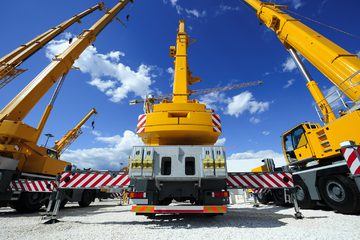
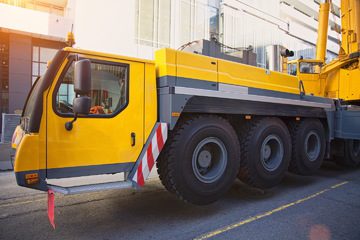
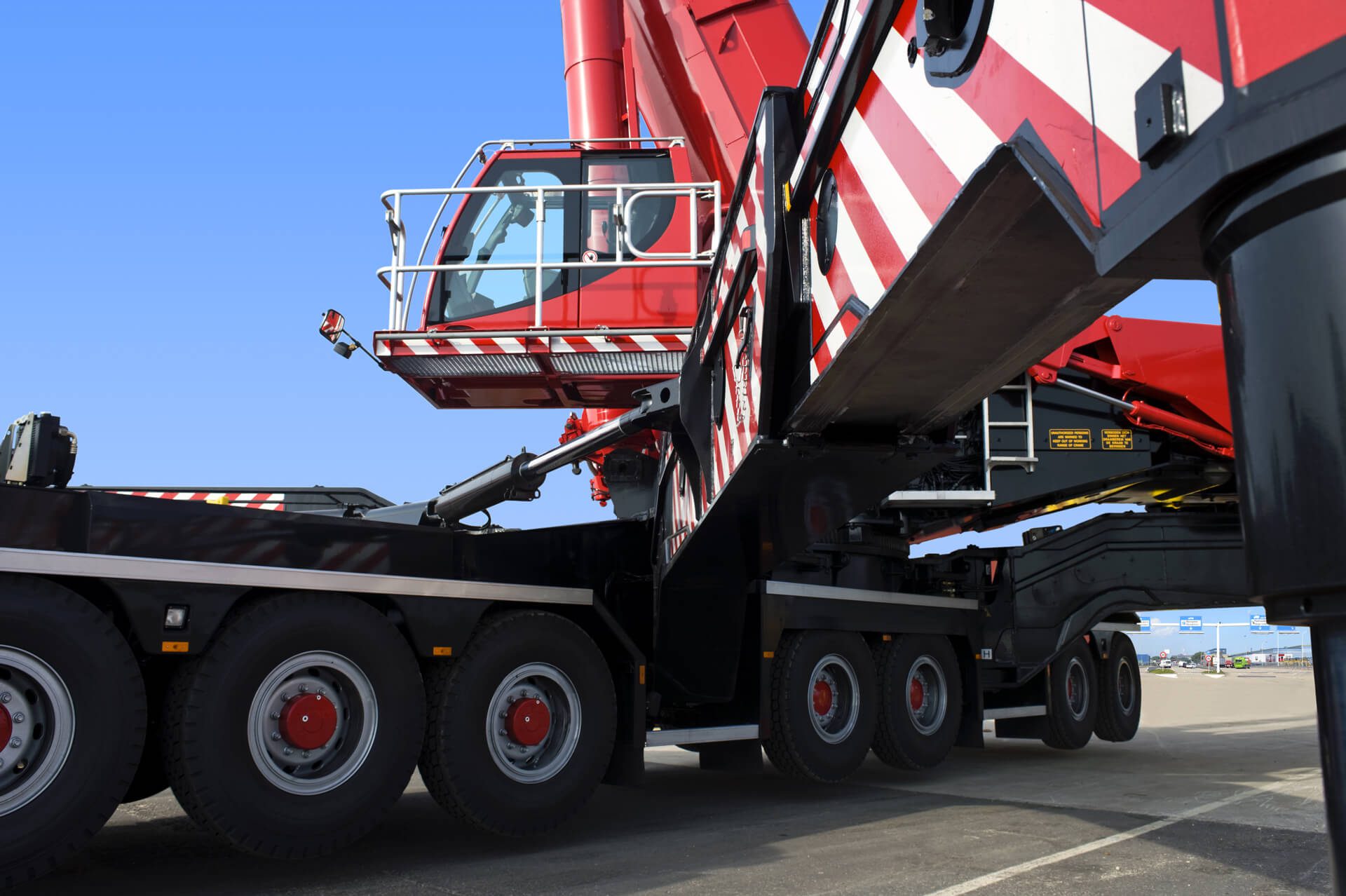
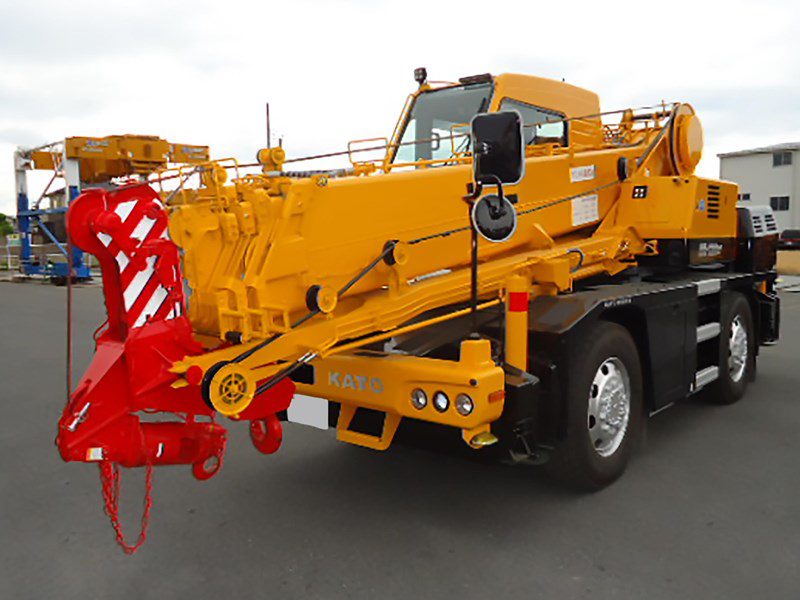
Mobile crane hire plays an indispensable part in Australia’s construction landscape, offering flexibility that fixed alternatives often cannot match. These cranes, capable of swift deployment and relocation, allow contractors to respond quickly to project needs without the long-term commitments required by larger setups. In urban development, where space is at a premium, mobile crane hire facilitates precise lifting in confined areas, reducing downtime and enhancing productivity. For instance, in infrastructure projects like highway expansions or port upgrades, their mobility ensures seamless integration into phased works, minimizing disruptions to public traffic.
The strategic value extends to cost management, as hiring avoids the capital outlay of ownership while providing access to specialized equipment tailored to specific tasks. In high-rise constructions, mobile crane hire supports initial foundation work and material handling before taller structures necessitate more permanent solutions. This approach contrasts with rural or mining sites, where the cranes’ all-terrain capabilities shine, navigating uneven ground to lift heavy loads in isolation. Overall, their role fosters efficiency across sectors, from commercial builds in Sydney to renewable energy installations in regional Queensland, adapting to the diverse demands of Australia’s geography.
Deploying Different Crane Types Across Urban and Infrastructure Projects
When comparing approaches in dense urban settings versus sprawling infrastructure endeavors, distinctions in crane selection become evident. Mobile crane hire excels in short-term, dynamic projects due to quick setup times—often just hours—compared to tower cranes, which require days or weeks for assembly and disassembly. In high-rise developments, tower cranes dominate for their superior height and stability, ideal for continuous lifting over extended periods, but mobile variants provide supplementary support for ground-level tasks or in phases where full tower installation is impractical.
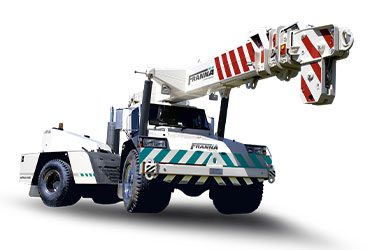
Franna crane hire western sydney illustrates this adaptability well, where these pick-and-carry models thrive in tight suburban job sites, offering maneuverability that larger mobile cranes might lack. Their non-slewing design suits applications like machinery relocation or small-scale lifts in Western Sydney’s growing industrial zones, differing from all-terrain mobile cranes used in broader urban expansions for their ability to traverse rough surfaces while maintaining high lifting capacities. Efficiency varies: mobile crane hire often proves more suitable for projects under 11 floors, where versatility outweighs the raw power of fixed cranes, but in mega-developments like Melbourne’s skyline additions, the latter’s endurance prevails.
Such contrasts highlight suitability factors; for instance, crawler cranes offer stability on soft ground in infrastructure works but lack the road mobility of standard mobile options, leading to higher transport costs. In urban projects, where noise and emissions regulations tighten, hybrid mobile cranes are gaining traction for their quieter operation, balancing efficiency with environmental compliance.
Technological Advancements Shaping the Sector
Innovations in mobile crane technology are transforming how these machines operate on Australian job sites, enhancing precision and safety. Hydraulic systems, a cornerstone since the mid-20th century, have evolved to include advanced load moment indicators that prevent overloads by monitoring weight and radius in real time. Anti-collision software, integrated with GPS and sensors, allows multiple cranes to work in proximity without risk, crucial for crowded urban builds.
Electric and hybrid models represent a forward leap, reducing fuel consumption and emissions amid Australia’s push toward sustainable construction. These advancements not only lower operational costs but also align with national carbon reduction goals, making mobile crane hire more appealing for eco-conscious projects. In Western Sydney, where franna crane hire western sydney services often incorporate these features, operators benefit from improved finesse in pick-and-carry operations, minimizing site damage.
Further, IoT integration enables predictive maintenance, alerting teams to potential failures before they occur, thus extending equipment life and reducing unplanned downtime. Such technologies differentiate modern mobile crane hire from traditional methods, fostering greater efficiency in high-stakes environments like bridge repairs or wind farm assemblies.
Safety Standards and Compliance in Australian Crane Operations
Australia’s rigorous safety framework underpins the viability of mobile crane hire, with standards like AS 2550 governing inspections and safe use across various crane types. This standard mandates regular testing, including major inspections for registrable mobile cranes, ensuring structural integrity amid the stresses of tough job sites.
WorkSafe authorities in each state enforce compliance, drawing from the Work Health and Safety (WHS) Act, which requires duty holders to manage risks through codes of practice. For mobile crane hire, this includes operator licensing—high-risk work licenses are mandatory—and site-specific risk assessments to address hazards like ground instability or overhead power lines.
AS/NZS 1418 series further details design and operational requirements, recently updated for mobile elevating work platforms to incorporate enhanced stability features. Regulatory considerations extend to pre-erection inspections for tower cranes, but mobile variants emphasize mobility-related checks, such as tire conditions and outrigger deployment. Non-compliance can lead to severe penalties, underscoring the need for thorough training and documentation.
In practice, these frameworks protect workers while enabling innovation; for example, franna crane hire western sydney operations must adhere to local WorkSafe NSW guidelines, including minimum engagement thresholds for lifts. Balancing these with project demands remains key to dominating challenging sites.
Challenges and Prospects for Dominance in Tough Environments
Despite their strengths, mobile crane hire faces hurdles in truly dominating Australia’s toughest job sites. Logistical challenges in remote areas, such as transporting heavy equipment over vast distances, can inflate costs and timelines. Urban density exacerbates issues like traffic restrictions, where even versatile franna crane hire western sydney services must navigate stringent permits.
Environmental factors, including extreme weather in northern territories, test crane durability, prompting calls for more resilient designs. Labor shortages in skilled operators further complicate deployment, though training initiatives from bodies like Safe Work Australia aim to address this.
Looking ahead, the sector’s prospects brighten with ongoing advancements. As Australia ramps up infrastructure spending, mobile crane hire could solidify its position by integrating AI for optimized path planning and autonomous features. However, true dominance requires collaborative efforts among regulators, operators, and innovators to overcome barriers, ensuring these machines not only meet but exceed the demands of the nation’s evolving built environment.