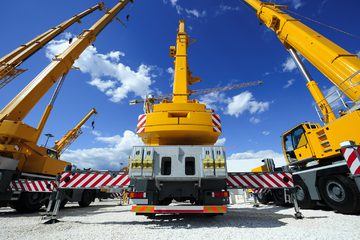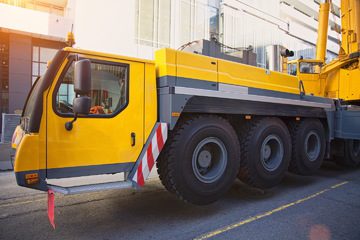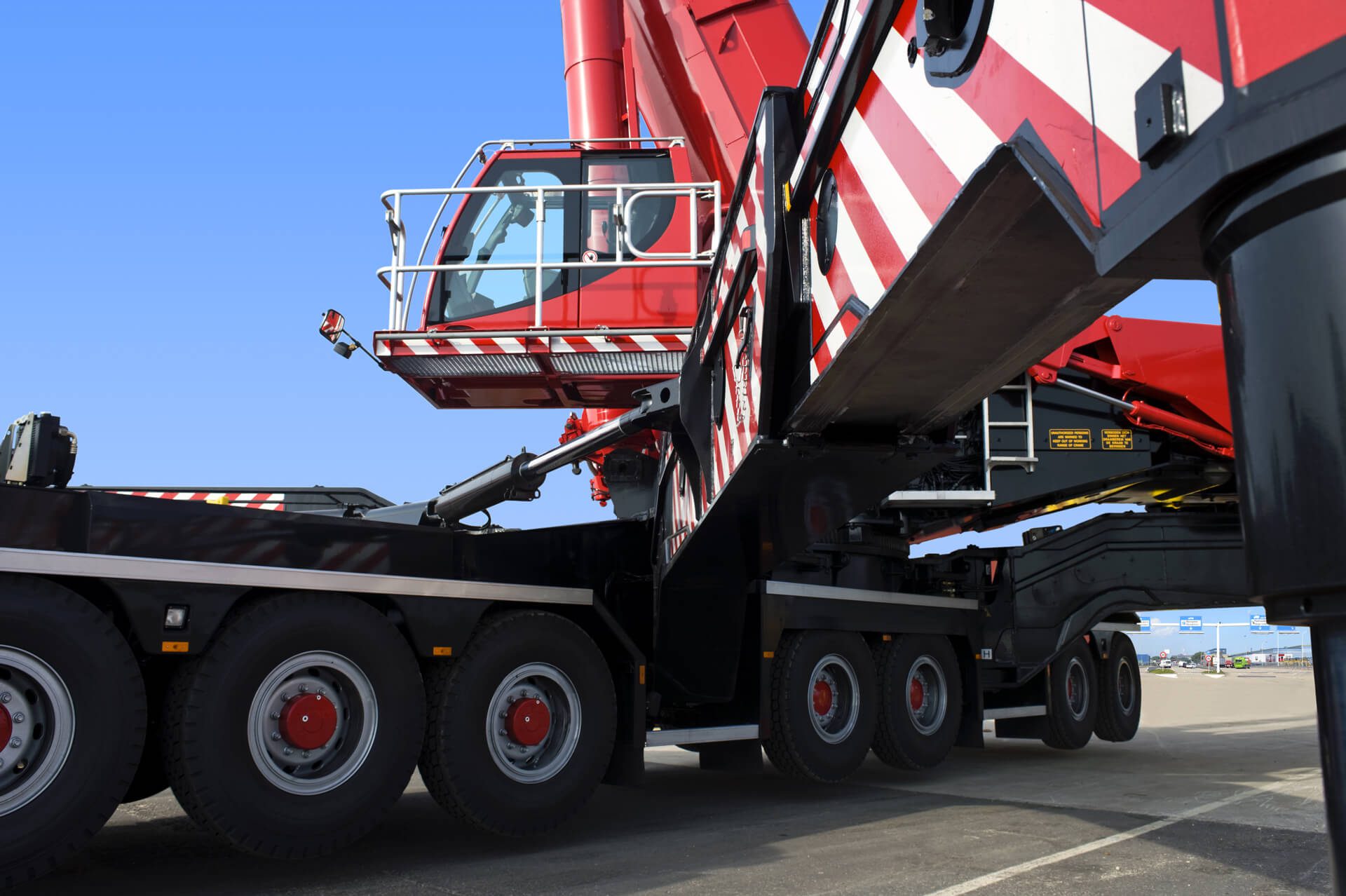
Tower cranes are among the most recognisable symbols of large-scale construction, defining skylines as cities expand vertically and infrastructure projects grow in complexity. In Australia, these cranes play a critical role in delivering residential towers, commercial developments, and major public works. Yet their scale and capability come with inherent risks. Understanding the challenges of tower crane operations is essential for industry professionals, regulators, and business leaders seeking to balance efficiency with safety in a sector where margins for error are narrow.
The Strategic Role of Tower Cranes in Australian Construction
Tower cranes occupy a strategic position in modern Australian construction because they enable sustained lifting operations at height over long project durations. High-rise developments rely on tower crane hire to transport concrete, steel, and prefabricated elements efficiently as structures rise floor by floor. In dense urban environments, cranes often operate within constrained footprints, making them indispensable to projects where ground space is limited.
In metropolitan growth corridors and established construction hubs, including areas where crane hire northern sydney supports mixed-use and infrastructure projects, tower cranes underpin development intensity. Their ability to service large work zones from a fixed position reduces the need for frequent equipment changes. This strategic advantage, however, increases reliance on a single asset, amplifying the consequences when operational challenges or failures arise.
Structural and Mechanical Risks in Tower Crane Operations
One of the primary risks associated with tower crane operations is structural failure. Tower cranes are complex systems subjected to dynamic loads, wind forces, and repetitive stress over extended periods. Mechanical components such as slewing rings, hoist mechanisms, and mast sections must perform reliably under varying conditions. Any defect, whether due to manufacturing issues, wear, or inadequate maintenance, can have severe outcomes.
Australian safety investigations have shown that structural integrity depends not only on design standards but also on installation quality and ongoing inspection regimes. Because tower cranes often remain on site for months or years, small issues can escalate if not identified early. This long operational lifespan distinguishes tower crane hire from short-term lifting solutions and intensifies the importance of rigorous mechanical oversight.
Environmental and Weather-Related Challenges
Australia’s diverse climate presents significant challenges for tower crane operations. High winds are among the most critical environmental risks, particularly for cranes operating at extreme heights. Wind loads can affect crane stability, load control, and operator visibility. Australian Standards require wind speed monitoring and defined operating limits, yet unpredictable weather patterns can still disrupt planned activities.
In addition to wind, temperature extremes and storms place further strain on crane components and personnel. Long-term exposure to harsh conditions accelerates wear and can complicate maintenance scheduling. These environmental factors require adaptive operational planning, especially on projects where tower cranes are integral to daily construction progress.
Human Factors and Workforce Pressures
Despite technological advances, tower crane operations remain highly dependent on human performance. Operator error, miscommunication between crews, and fatigue are persistent risks. Tower crane operators often work in isolated cabins for extended periods, requiring sustained concentration and situational awareness.
On long-running projects, workforce turnover adds complexity. New operators and rigging crews must be inducted into site-specific procedures, increasing the risk of inconsistency in safety practices. Regulatory frameworks emphasise competency and licensing, but maintaining high standards over time remains a challenge for principal contractors managing multiple stakeholders under schedule pressure.
Regulatory Compliance and Oversight in Australia
Australia’s regulatory framework for tower crane operations is comprehensive but demanding. Work health and safety legislation, supported by standards such as AS 1418 and AS 2550, sets expectations for design, operation, and maintenance. State regulators, including SafeWork NSW and other WorkSafe authorities, enforce these requirements through audits and inspections.
Compliance challenges often arise from the complexity of tower crane lifecycles. Installation, climbing, and dismantling phases introduce unique risks that require separate engineering assessments and regulatory notifications. For projects utilising tower crane hire, ensuring compliance across all phases demands coordination between crane owners, hire providers, and site controllers. Regulatory breaches can result in work stoppages, financial penalties, and reputational damage, underscoring the high stakes involved.
Technological Solutions and Their Limitations
Technology has become a central tool in mitigating tower crane risks. Modern cranes are equipped with load moment indicators, anti-collision systems, and wind monitoring devices that provide real-time feedback to operators. These systems reduce reliance on manual judgement and can prevent operations from exceeding safe limits.
However, technology introduces its own challenges. Systems require correct calibration, regular updates, and operator understanding to function effectively. Overreliance on automated safeguards can also create complacency if underlying risks are not fully appreciated. As technology becomes more sophisticated, the challenge for the industry is integrating these tools without diminishing the importance of human oversight and procedural discipline.
Urban Density and Public Safety Considerations
Tower crane operations increasingly occur in close proximity to occupied buildings, transport corridors, and public spaces. Urban density heightens the potential consequences of incidents, as falling loads or structural failures can affect areas beyond the construction site. Managing exclusion zones and coordinating with local authorities are therefore critical aspects of risk management.
In cities undergoing rapid development, community tolerance for construction disruption is limited. Noise, road closures, and visible safety incidents attract public scrutiny. This social dimension adds pressure on project teams to demonstrate that tower crane hire is managed responsibly, not only to meet regulatory requirements but also to maintain public trust.
Industry Practices Across Different Project Types
Risks and challenges vary depending on project type. Infrastructure projects often involve predictable lifting patterns and extended timelines, allowing for detailed planning and standardised procedures. High-rise residential and commercial developments, by contrast, may face more variable loads and tighter spatial constraints.
In dense urban projects, cranes must coexist with other lifting equipment, increasing the risk of collision and coordination failures. Industry practices reflect these differences, with more complex projects typically requiring enhanced lift planning, additional supervision, and closer regulatory engagement. These distinctions highlight that while tower crane risks are universal, their management must be tailored to specific contexts.
The Role of MantiKore Cranes in Addressing Operational Challenges
MantiKore Cranes and Safety-Focused Operations
Within the broader Australian construction landscape, companies such as MantiKore Cranes operate in an environment shaped by these risks and regulatory expectations. Their role in tower crane hire involves navigating complex safety standards, workforce competency requirements, and long-term operational challenges across varied project settings. By operating within Australia’s established compliance frameworks and responding to site-specific risk profiles, such organisations illustrate how industry participants must align operational capability with evolving safety and regulatory demands, particularly on complex urban and regional projects.
Conclusion: Managing Risk in a High-Stakes Environment
Tower crane operations sit at the intersection of engineering precision, human performance, and regulatory oversight. The risks and challenges they present are amplified by the scale and duration of modern construction projects, as well as the density of Australia’s urban environments. While technological advances and comprehensive standards provide important safeguards, effective risk management ultimately depends on disciplined planning, skilled personnel, and sustained compliance across the project lifecycle. As Australia continues to build upward and outward, the ability to manage these challenges will remain central to the construction sector’s safety record and long-term credibility.