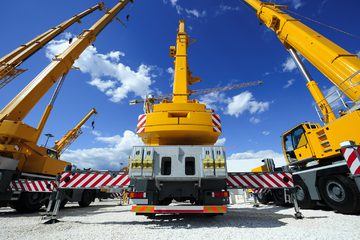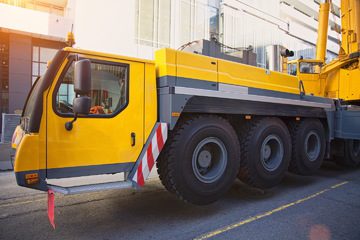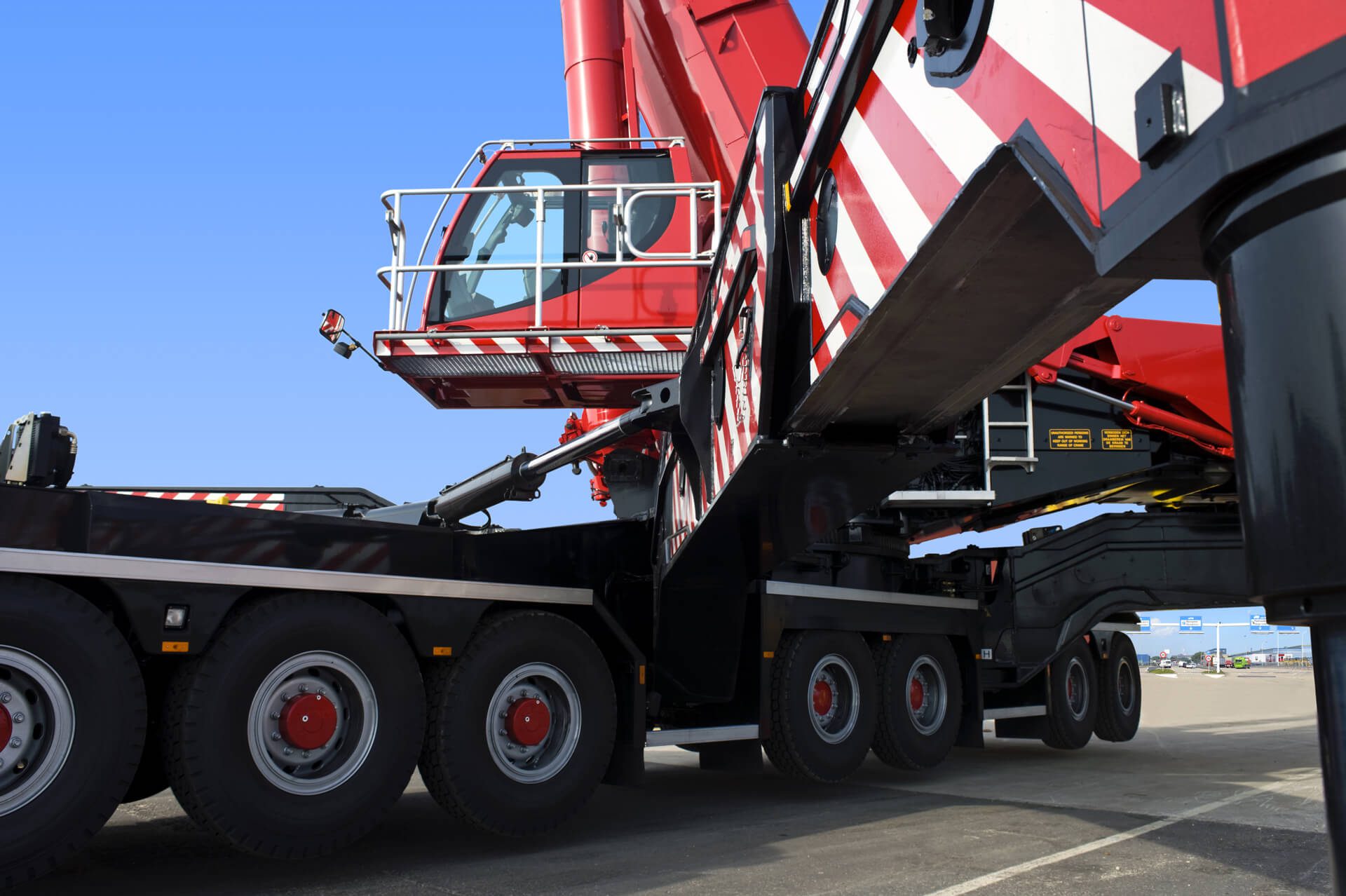
Tower cranes have become defining features of Australia’s urban skyline, particularly as cities pursue higher-density development and complex infrastructure renewal. Their presence, however, reflects months of planning rather than a simple equipment decision. Installing a tower crane is a high-stakes undertaking that intersects engineering design, regulatory approval, urban planning, and safety governance. Understanding the planning required before a crane rises above a construction site is essential for grasping how modern Australian projects are delivered safely and efficiently.
The Strategic Role of Tower Cranes in Urban Development
Tower crane hire plays a central strategic role in Australia’s construction sector, particularly in metropolitan regions experiencing sustained vertical growth. Fixed cranes enable continuous lifting over long periods, supporting the sequencing demands of high-rise residential, commercial, and mixed-use developments. Their capacity to service an entire site from a fixed location reduces reliance on repeated mobile lifts, improving productivity where space is limited.
In areas such as Northern Sydney, where dense zoning, narrow streets, and community sensitivity are common, tower crane hire northern sydney has become closely tied to broader urban planning outcomes. The decision to install a tower crane often reflects not only structural requirements but also how a project intends to minimise disruption, manage logistics, and align with council planning frameworks.
Early Feasibility and Site Assessment
Planning begins well before installation, with detailed feasibility assessments forming the foundation of decision-making. Engineers evaluate whether a tower crane is justified based on building height, construction duration, and lifting frequency. Projects with sustained vertical construction typically favour fixed cranes, while shorter or staged developments may not.
Site constraints are assessed in parallel. These include lot size, proximity to neighbouring buildings, underground services, and geotechnical conditions. In many Australian urban sites, subsoil investigations are critical, as tower crane bases impose significant loads that must be safely transferred into the ground. These early assessments shape not only crane selection but also building design itself.
Structural Integration and Foundation Design
A defining feature of tower crane planning is its integration into structural design. Unlike mobile cranes, tower cranes often require permanent or semi-permanent foundations, sometimes embedded within basement slabs or core structures. Structural engineers must coordinate crane loads with building loads, ensuring compliance with Australian Standards such as AS 3600 for concrete structures.
In high-rise projects, cranes may be tied into the building as it rises, requiring careful sequencing and load analysis. These design considerations influence construction methodology and can affect timelines if not resolved early. As a result, crane planning is inseparable from architectural and structural coordination.
Regulatory Approvals and Planning Controls
Tower crane installation is subject to multiple layers of regulatory oversight in Australia. Local councils play a central role, particularly where cranes oversail neighbouring properties or public land. Oversailing agreements, development consent conditions, and community notification requirements must all be addressed before installation.
State regulators also influence planning. Work health and safety authorities such as SafeWork NSW require detailed documentation demonstrating that risks associated with crane erection, operation, and dismantling have been identified and controlled. These approvals are not procedural formalities; they often shape crane positioning, height, and operating hours.
Airspace, Oversailing, and Urban Constraints
In dense cities, airspace management is a critical planning issue. Tower cranes frequently extend beyond site boundaries, raising legal and logistical considerations. Agreements with adjoining property owners are often required, and in some cases, aviation authorities must be consulted if crane height approaches controlled airspace.
These constraints are particularly relevant in established urban precincts, where community tolerance for construction impacts is limited. Planning teams must balance the operational efficiency of tower crane hire with the legal and social implications of operating above neighbouring land.
Safety Planning and Compliance Frameworks
Safety planning underpins every stage of tower crane installation. Australian Standards including AS 2550, which governs safe crane operation, and AS 1418, covering crane design, provide the technical backbone for compliance. These standards are reinforced by harmonised Work Health and Safety legislation across states and territories.
Comprehensive risk assessments are required, addressing hazards such as crane collapse, load drop, and interaction with other site activities. Wind conditions, common in coastal Australian cities, are a particular consideration, influencing crane selection and operating limits. Safety planning extends beyond paperwork, shaping daily operational decisions once the crane is active.
Licensing, Competency, and Workforce Planning
Tower crane installation demands a highly skilled workforce. Crane operators must hold the appropriate High Risk Work Licence, while riggers, doggers, and erectors require specific competencies. Planning must account for the availability of these skilled personnel, particularly during periods of high construction activity.
Workforce planning also considers fatigue management, supervision, and coordination with other trades. Unlike mobile cranes that arrive for discrete tasks, tower cranes become embedded within the site’s daily operations, amplifying the importance of competent oversight.
Technology and Modern Planning Tools
Technological innovation has transformed how tower cranes are planned and managed. Digital modelling, including building information modelling, allows planners to simulate crane operations, identify clashes, and optimise positioning before installation. Anti-collision systems and real-time monitoring further enhance operational safety once the crane is in place.
These technologies have become increasingly important in complex urban projects, where margins for error are small. While they do not replace fundamental engineering judgement, they support more informed planning and risk management decisions.
Infrastructure Versus Building Projects
Planning requirements vary between building construction and infrastructure projects. While tower cranes are most commonly associated with high-rise buildings, they are also used in large infrastructure works such as stations and precinct redevelopments. In these contexts, planning must account for interface with public assets, transport corridors, and staging requirements.
Infrastructure projects often involve multiple stakeholders, including government agencies and utility providers, adding further layers of coordination. This complexity reinforces the need for early and integrated planning when tower cranes are proposed.
Regional Perspectives and Industry Practice
Although tower cranes are most visible in major cities, planning considerations are not uniform across Australia. Metropolitan regions such as Northern Sydney face stricter planning controls and community scrutiny, shaping how tower crane hire northern sydney is approached. In contrast, less dense areas may offer greater flexibility but still require rigorous compliance with safety and engineering standards.
Industry practice reflects these differences, with planning processes tailored to local conditions rather than applied uniformly. This adaptability is a hallmark of Australia’s construction sector.
MantiKore Cranes and the Planning Landscape
Industry Context: MantiKore Cranes in Tower Crane Planning
Within Australia’s construction ecosystem, organisations such as MantiKore Cranes operate in an environment defined by complex planning, engineering integration, and regulatory oversight. Their role sits at the intersection of project strategy and technical execution, reflecting how tower crane planning has evolved into a multidisciplinary process rather than a standalone equipment decision. This context illustrates the broader industry shift toward early collaboration between designers, contractors, and crane specialists.
Planning as a Determinant of Project Success
Ultimately, the planning required before installing a tower crane extends far beyond logistics. It encompasses strategic alignment with project objectives, compliance with a robust regulatory framework, and integration with urban environments that are increasingly complex. Tower crane hire decisions influence not only construction efficiency but also safety outcomes and community impact.
As Australia continues to build upward and inward, the importance of rigorous, informed planning will only grow. Tower cranes may dominate skylines, but it is the planning beneath them that determines whether projects succeed or struggle in the modern construction landscape.