Australia’s construction and infrastructure pipeline is defined by geographic scale, urban density, and increasingly complex engineering demands. From transport corridors stretching hundreds of kilometres to tightly constrained inner-city redevelopments, the industry relies on lifting solutions that can adapt quickly to varied conditions. Within this landscape, mobile crane hire and tower crane hire sydney occupy distinct but complementary roles, supporting projects that range from heavy infrastructure to vertical urban construction. Understanding where and why each approach is deployed offers insight into how modern Australian building sites are planned, regulated, and executed.
The Strategic Role of Mobile Cranes in Australian Construction
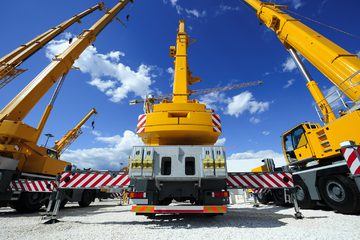
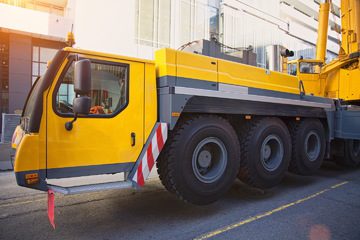
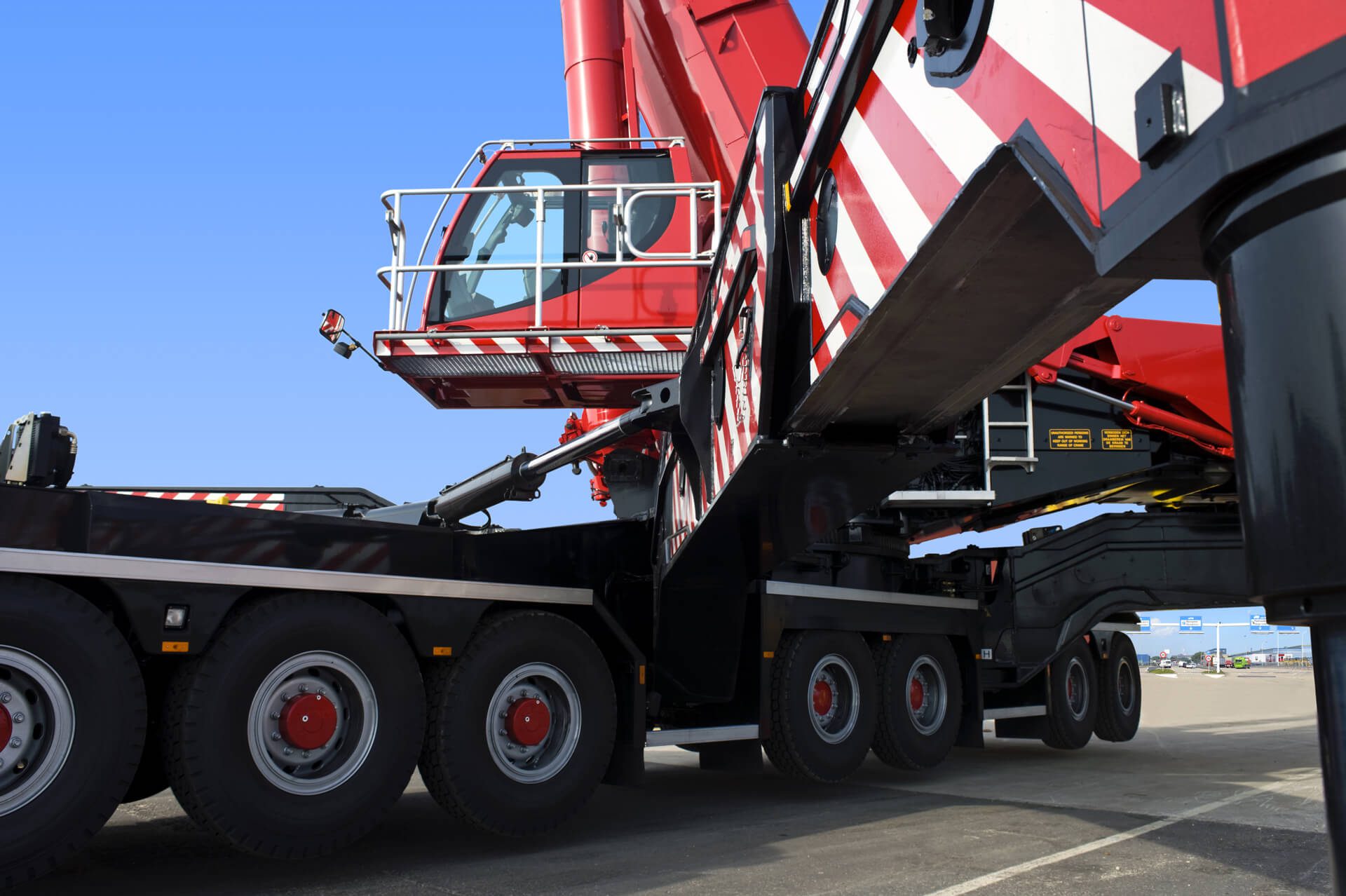
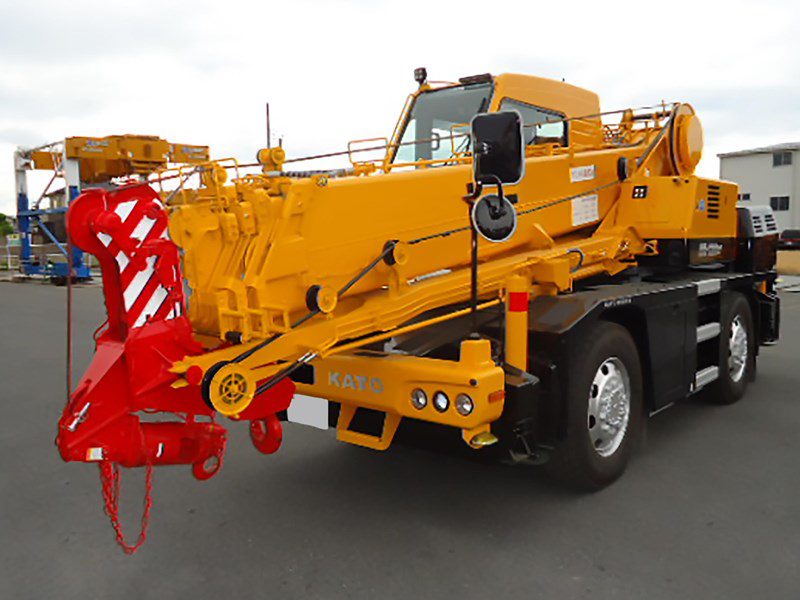
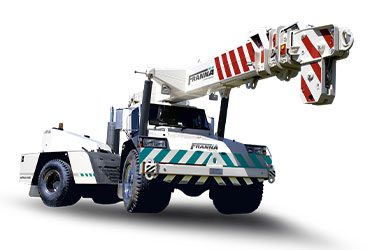
Mobile crane hire has become a foundational component of Australian construction because of its flexibility and rapid deployment. Unlike fixed lifting systems, mobile cranes can be transported between sites, configured quickly, and operated across diverse terrain. This adaptability aligns with Australia’s dispersed construction geography, where projects often span remote regions, regional centres, and metropolitan areas within the same programme of works.
In strategic terms, mobile cranes are frequently used where lifting requirements are intermittent rather than continuous. Infrastructure upgrades, staged developments, and maintenance-heavy projects benefit from cranes that can arrive, complete specific lifts, and then relocate without long-term installation. This approach reduces idle equipment time and supports project sequencing that is increasingly driven by cost control and schedule certainty.
Mobile cranes also play a critical role in bridging gaps between project phases. On sites where permanent lifting systems have not yet been installed, or where they have been dismantled ahead of completion, mobile cranes provide essential transitional capacity. Their strategic value lies not in replacing other crane types, but in enabling construction to progress without interruption.
Infrastructure Projects and Large-Scale Civil Works
Transport and utilities infrastructure represents one of the most common environments for mobile crane hire. Road upgrades, rail expansions, bridge construction, and port developments all require heavy lifting across expansive sites. These projects often involve precast concrete elements, steel girders, and mechanical components that must be positioned with precision but not necessarily on a daily basis.
The mobility of cranes is particularly suited to linear infrastructure. Rail corridors and highway projects move progressively along a defined route, making fixed cranes impractical. Mobile cranes can advance with the workfront, supporting installation activities without the need for repeated assembly and dismantling of static equipment.
In remote or regional areas, mobile cranes are often the only viable option. Limited site access, temporary works, and variable ground conditions demand equipment that can operate independently of extensive supporting infrastructure. In these contexts, mobile crane hire supports not only efficiency but also feasibility, allowing projects to proceed where permanent lifting systems would be logistically prohibitive.
Industrial and Energy Sector Applications
Australia’s industrial and energy sectors also rely heavily on mobile crane solutions. Power generation facilities, renewable energy projects, mining infrastructure, and processing plants require the handling of large, irregular components that are installed in defined stages. Mobile cranes are commonly used for turbine placement, transformer installation, and structural assembly within constrained industrial sites.
In renewable energy developments, particularly wind and solar projects, mobile cranes are integral to construction. Wind farms require cranes capable of lifting heavy nacelles and blades across wide geographic areas, often in challenging terrain. Solar installations, while lighter, still involve repeated lifting tasks spread across large sites, where mobility and speed are critical.
These projects highlight a key distinction between mobile cranes and fixed alternatives. Industrial construction often prioritises versatility over permanence, favouring equipment that can adapt to evolving site conditions and sequencing requirements. Mobile crane hire supports this model by aligning lifting capacity with specific construction milestones.
High-Rise Development and Urban Construction
In dense metropolitan centres, the relationship between mobile crane hire and tower crane hire sydney becomes more pronounced. High-rise residential and commercial developments typically rely on tower cranes for continuous vertical lifting throughout the build. Their ability to service multiple floors over extended periods makes them indispensable for tall structures.
However, mobile cranes remain essential even on these sites. They are commonly used during early-stage construction for tasks such as piling equipment installation, formwork placement, and initial structural lifts before tower cranes are operational. At later stages, mobile cranes often return to support façade installation, plant placement, and final fit-out activities once tower cranes are dismantled.
Urban construction also imposes spatial and regulatory constraints that influence crane selection. Limited street access, proximity to neighbouring buildings, and strict noise and operating hour controls mean that crane deployment must be carefully planned. In this context, mobile cranes offer short-duration lifting solutions that minimise disruption, while tower crane hire sydney supports the sustained demands of vertical construction.
Commercial Fit-Outs and Redevelopment Projects
Beyond new builds, mobile crane hire is widely used in refurbishment and redevelopment projects. Commercial retrofits, warehouse expansions, and adaptive reuse developments often require selective lifting within existing structures. These projects benefit from cranes that can be positioned temporarily and removed once specific tasks are complete.
Redevelopment work frequently occurs in live environments, such as operational business districts or occupied industrial sites. Mobile cranes allow contractors to schedule lifts during off-peak hours, reducing impact on surrounding activities. Their flexibility supports the incremental nature of refurbishment, where lifting requirements are dispersed across the project timeline.
This contrasts with new high-rise construction, where tower cranes dominate due to the scale and continuity of lifting. The distinction underscores how crane selection reflects not just building height, but also project lifecycle and operational context.
Safety Standards and Regulatory Frameworks
All crane operations in Australia are governed by stringent safety and compliance requirements. Mobile crane hire is subject to the Work Health and Safety framework administered by state and territory regulators, including SafeWork NSW, WorkSafe Victoria, and their counterparts nationwide. These bodies enforce obligations related to risk management, operator competency, and site safety.
Australian Standards play a central role in crane operations. AS 2550, which covers the safe use of cranes, and AS 1418, which addresses crane design and manufacturing, provide technical benchmarks that guide both equipment providers and contractors. Compliance with these standards is not optional; it forms the basis of safe lifting practices across the industry.
Licensing requirements further shape how cranes are deployed. Operators must hold the appropriate high-risk work licences, and lifting plans are often required for complex or high-capacity operations. In urban environments, additional permits may be necessary to manage road closures, airspace constraints, and interaction with adjacent properties.
Technological Developments Shaping Crane Use
Technological innovation continues to influence how mobile cranes and tower cranes are used on Australian projects. Advances in load monitoring systems, telematics, and digital planning tools have improved precision and safety across lifting operations. Mobile cranes increasingly incorporate real-time data systems that assist operators in managing load limits and site conditions.
Hybrid and low-emission crane technologies are also emerging, reflecting broader sustainability goals within the construction sector. While adoption is gradual, these developments signal a shift toward reducing the environmental footprint of heavy lifting equipment, particularly in urban areas with strict emissions expectations.
Digital modelling and construction sequencing software further enhance crane utilisation. By integrating crane operations into broader project planning, contractors can optimise equipment selection, reduce downtime, and improve coordination between mobile crane hire and tower crane hire sydney on complex sites.
A Sector Defined by Complementary Solutions
The diversity of projects using mobile crane hire reflects the complexity of Australia’s construction environment. From infrastructure corridors and energy installations to urban high-rises and commercial redevelopments, mobile cranes provide adaptability where fixed systems cannot. At the same time, tower crane hire sydney remains central to sustained vertical construction in dense cities.
Rather than competing approaches, these lifting solutions operate as complementary tools within a broader construction strategy. Their selection is shaped by project scale, duration, location, and regulatory context. As Australia continues to invest in infrastructure and urban development, the strategic deployment of cranes will remain a critical factor in delivering projects safely, efficiently, and in line with evolving industry standards.