Australia’s construction and infrastructure sector depends heavily on lifting equipment to deliver transport networks, commercial buildings, energy projects, and urban renewal. Among the most versatile assets in this ecosystem are mobile cranes, which are routinely deployed across infrastructure corridors, high-rise developments, and constrained metropolitan sites. Yet the flexibility that makes these cranes indispensable also introduces complex safety challenges. Understanding the regulatory framework that governs mobile crane hire is therefore essential not only for contractors and operators, but also for policymakers, developers, and the broader business community concerned with risk, productivity, and public safety.
The Strategic Role of Mobile Cranes in Australian Construction
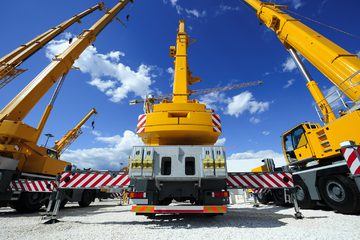
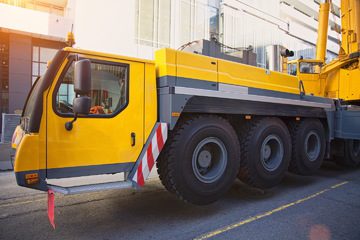
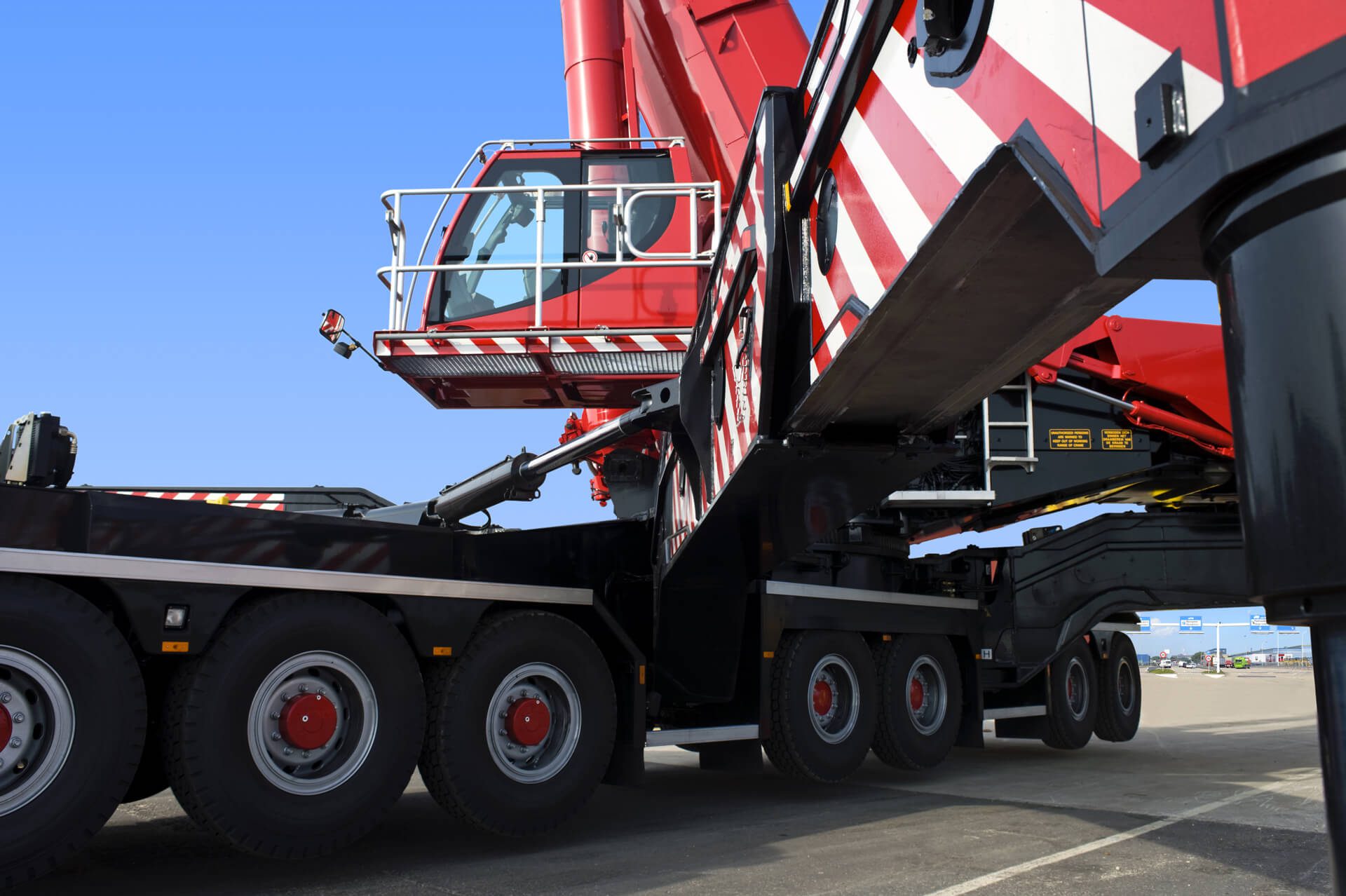
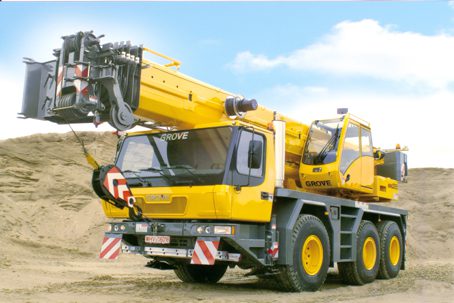
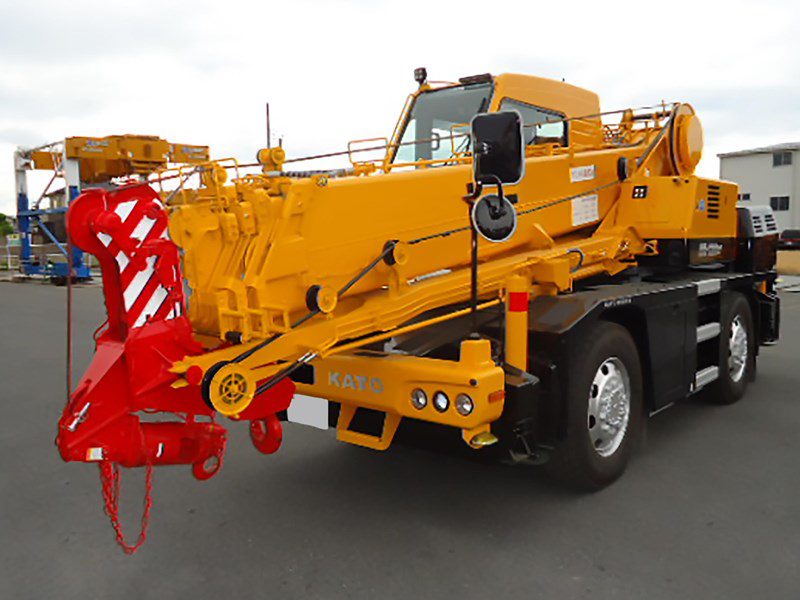
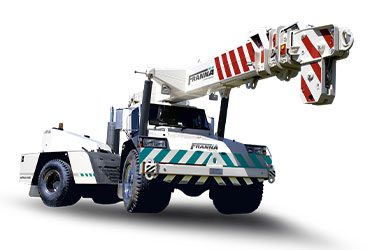
Mobile cranes occupy a strategic position in modern Australian construction because they combine lifting capacity with mobility, allowing rapid deployment across multiple sites. Infrastructure projects such as road upgrades, bridge works, and rail expansions often rely on mobile cranes to handle heavy precast elements under tight schedules. In dense urban environments, particularly in expanding metropolitan regions, these cranes enable staged construction where permanent tower cranes may be impractical or uneconomical.
The increasing reliance on mobile crane hire reflects broader trends in the industry. Construction firms seek flexibility to respond to fluctuating workloads, while developers aim to reduce capital expenditure on owned equipment. In areas such as crane hire western sydney, where industrial zones, residential developments, and transport projects converge, mobile cranes are frequently used to bridge the gap between large-scale infrastructure and smaller, site-specific lifting tasks. This strategic importance places heightened scrutiny on safety regulation, as any failure can have consequences that extend well beyond a single project boundary.
A National Framework with State-Based Enforcement
Australia’s approach to crane safety regulation is grounded in a nationally harmonised work health and safety framework, implemented through state and territory legislation. The model Work Health and Safety Act and Regulations provide the foundation, but enforcement is carried out by state regulators such as SafeWork NSW, WorkSafe Victoria, and Workplace Health and Safety Queensland. This structure aims to deliver consistency while allowing jurisdictions to address local conditions.
Under this framework, mobile cranes are classified as high-risk plant. Their operation triggers obligations for multiple duty holders, including crane owners, hire companies, principal contractors, and site managers. The law emphasises risk management rather than prescriptive rules alone, requiring parties to identify hazards, assess risks, and implement controls that are proportionate to the task and environment. For mobile crane hire arrangements, this shared responsibility model is particularly significant, as accountability does not transfer simply because equipment is hired rather than owned.
Australian Standards Governing Crane Design and Use
Technical safety requirements for mobile cranes are largely defined through Australian Standards, which provide detailed guidance on design, testing, and operation. Standards such as AS 1418 for cranes and AS 2550 for safe use establish expectations around load ratings, stability, inspection regimes, and operator competence. While standards themselves are not laws, they are routinely referenced in legislation and by regulators as benchmarks for compliance.
These standards address critical risks inherent in mobile crane operations, including overturning, structural failure, and contact with overhead power lines. In practice, adherence to Australian Standards shapes how mobile crane hire is integrated into project planning. Engineers and site supervisors rely on load charts, ground condition assessments, and exclusion zones to ensure that lifting activities remain within safe operating limits, particularly on congested or uneven sites.
Licensing and Competency Requirements for Operators
One of the most visible elements of crane safety regulation in Australia is the licensing regime for operators. Mobile crane operators must hold a high-risk work licence issued by the relevant state authority. Licence classes are differentiated by crane capacity, reflecting the increased complexity and risk associated with higher lifting loads. This system ensures that operators have undergone formal training and assessment before being permitted to control such equipment.
Beyond operator licensing, regulatory expectations extend to doggers, riggers, and other personnel involved in lifting operations. The emphasis on competency recognises that safe crane operations depend on coordinated teamwork rather than the operator alone. In the context of mobile crane hire, contractors must verify that all personnel engaged in lifting activities meet these requirements, regardless of whether they are direct employees or subcontractors.
Site-Specific Risk Management and Lift Planning
While national standards and licensing provide a baseline, much of crane safety regulation is applied at the site level. Australian law requires that high-risk construction activities, including complex crane lifts, be supported by documented risk assessments and safe work method statements. These documents outline how hazards such as ground instability, nearby structures, and pedestrian traffic will be managed.
In urban environments, where mobile cranes often operate close to occupied buildings and public spaces, site-specific planning becomes particularly critical. Detailed lift studies may be required to model crane movements and loads, ensuring that operations do not compromise surrounding infrastructure. This is especially relevant in metropolitan growth areas where mobile crane hire supports rapid development alongside existing communities.
Technological Advancements Shaping Safety Practices
Technological innovation is reshaping how safety regulations are implemented in practice. Modern mobile cranes are increasingly equipped with load moment indicators, anti-collision systems, and real-time monitoring technologies that reduce reliance on manual judgement alone. These systems provide operators with continuous feedback on crane stability and load limits, helping to prevent incidents before they occur.
Digital tools also play a growing role in compliance management. Electronic logbooks, inspection records, and maintenance systems make it easier for crane hire providers and contractors to demonstrate adherence to regulatory requirements. As regulators place greater emphasis on evidence-based compliance, such technologies are becoming integral to how mobile crane hire is managed across Australia.
Comparing Practices Across Project Types
The application of crane safety regulations varies depending on project type and context. Infrastructure projects often involve repetitive lifts under controlled conditions, allowing for standardised procedures and long-term planning. High-rise construction, by contrast, may involve more complex lifts in confined airspace, increasing the importance of coordination with other trades and equipment.
In dense urban developments, mobile cranes are frequently deployed for short-duration tasks, such as installing prefabricated components. While these operations may appear routine, they often present heightened risks due to limited space and proximity to the public. The regulatory framework accommodates these differences by focusing on risk-based decision-making rather than a one-size-fits-all approach, but it also demands a high level of competence from all parties involved.
The Broader Implications for Industry and Urban Development
Effective regulation of mobile crane hire has implications that extend beyond individual worksites. Safety failures can disrupt major infrastructure programs, undermine public confidence, and lead to costly legal consequences. Conversely, a robust regulatory environment supports productivity by providing clarity and consistency for industry participants.
In regions experiencing sustained growth, such as western Sydney, the intersection of mobile crane hire and urban development highlights the importance of aligning safety regulation with long-term planning objectives. As cities become denser and construction more complex, the regulatory system must continue to evolve, balancing innovation with the fundamental imperative of protecting workers and the public.
Conclusion: Regulation as a Foundation for Sustainable Growth
Safety regulations governing mobile crane hire in Australia reflect a mature, risk-based approach to managing one of the construction industry’s most critical activities. Through a combination of national frameworks, Australian Standards, licensing regimes, and site-specific planning, the system seeks to address the diverse challenges posed by modern construction and infrastructure projects. As technology advances and urban environments become more complex, the effectiveness of these regulations will remain central to the industry’s ability to deliver projects safely, efficiently, and with public trust.