Australia’s construction sector operates across an unusually wide spectrum, from sprawling transport infrastructure in regional areas to tightly constrained high-rise developments in major cities. Within this environment, lifting solutions are rarely interchangeable. Decisions about crane selection can influence timelines, safety outcomes, and overall project feasibility. Understanding when mobile crane hire is the most appropriate option, and how it compares with alternatives such as tower crane hire western sydney, has become an increasingly strategic consideration for contractors, developers, and project managers navigating complex build environments.
The Strategic Role of Crane Selection in Australian Construction
Crane deployment is no longer a purely operational decision. In modern Australian construction, it is a strategic choice shaped by land availability, project duration, regulatory constraints, and community impact. Mobile crane hire has gained prominence because it offers flexibility in a sector where project scopes frequently evolve. Unlike fixed installations, mobile cranes can be mobilised quickly, repositioned as site conditions change, and removed without long-term disruption.
This adaptability aligns closely with the realities of Australian urban development, particularly in infill projects and staged construction. In contrast, tower crane hire western sydney is often associated with long-duration builds where vertical reach and continuous lifting capacity justify the time and cost of installation. The strategic question is not which option is superior in absolute terms, but which is best suited to a specific project context.
Defining Mobile Crane Hire in Practical Terms
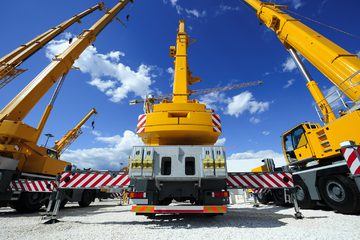
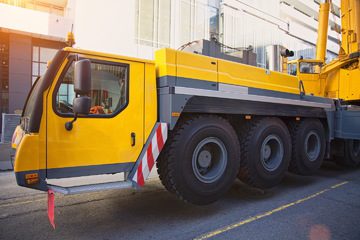
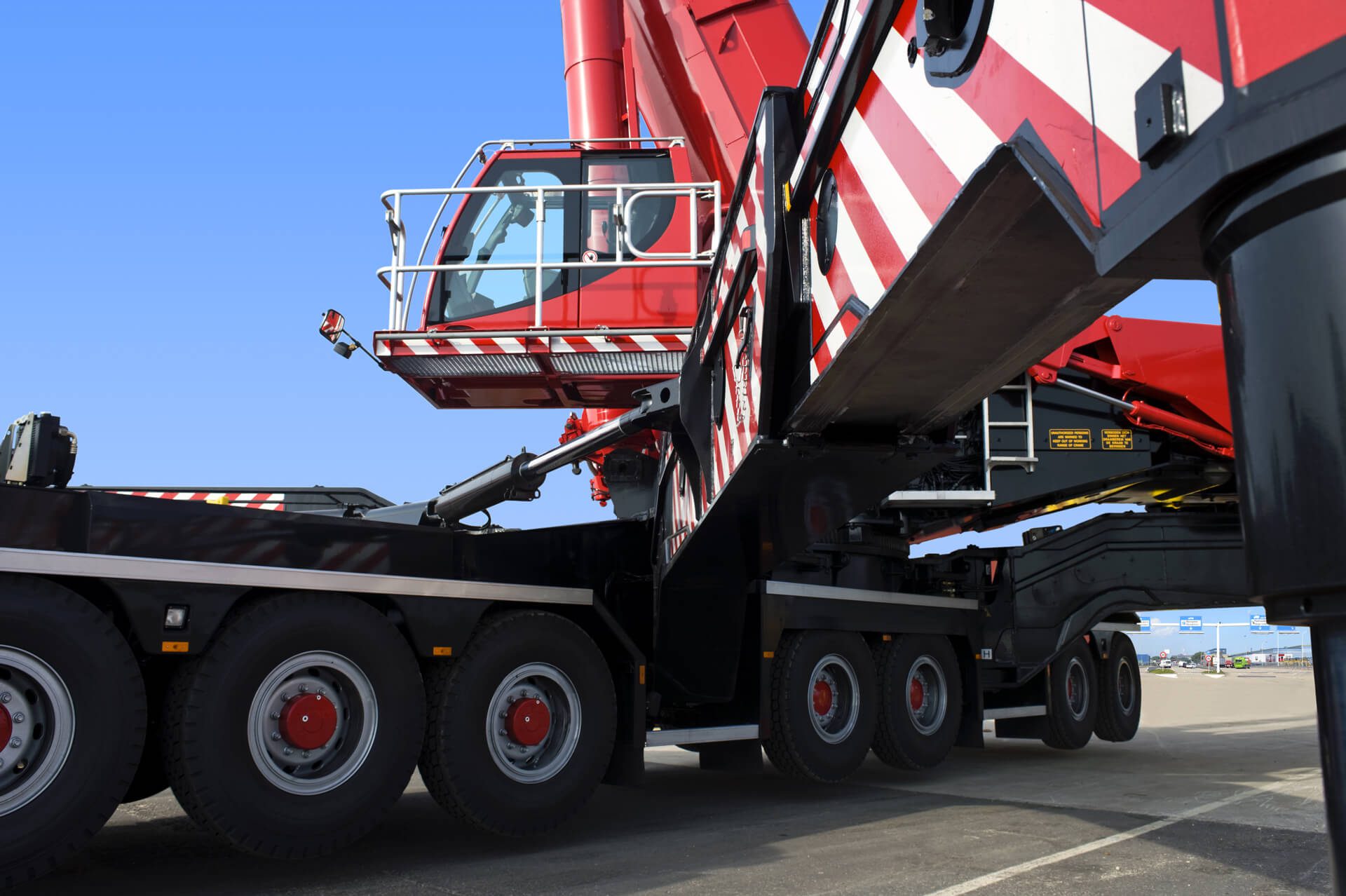
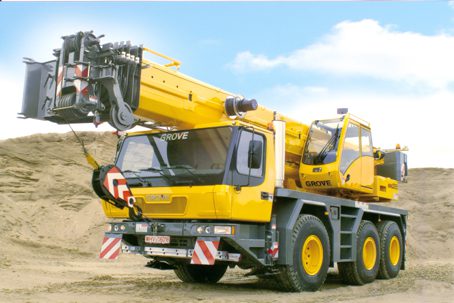
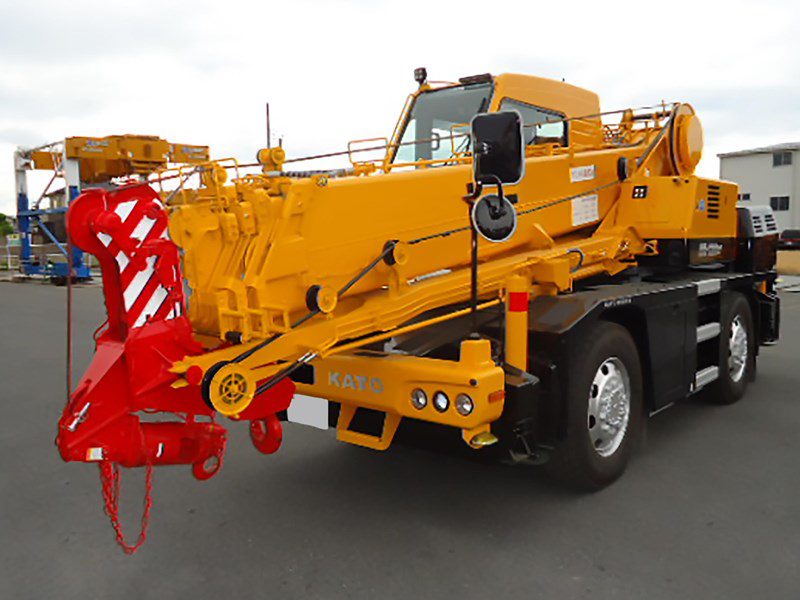
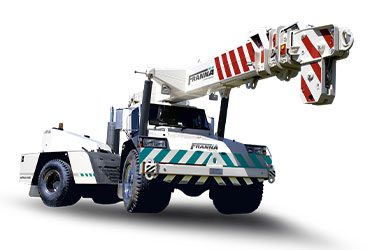
Mobile crane hire refers to the use of truck-mounted, all-terrain, or rough-terrain cranes that are transported to site and operational within a relatively short timeframe. These cranes are designed for temporary lifting tasks rather than permanent installation. Their mobility allows them to service multiple sites or multiple phases of a single project, a characteristic that has become increasingly valuable in fast-paced construction programs.
In practical terms, mobile crane hire is most effective where lifting requirements are intermittent or highly variable. Examples include installing prefabricated components, placing mechanical plant, or supporting short-duration structural works. The ability to demobilise quickly reduces idle time and limits the physical footprint on constrained sites, an important consideration in urban Australia.
Infrastructure Projects and the Case for Mobility
Large-scale infrastructure projects, such as road upgrades, bridges, and rail works, often extend across long corridors rather than concentrated footprints. In these settings, mobile crane hire offers a logistical advantage. Cranes can be repositioned as works progress, supporting sequential tasks without the need for repeated installation.
Australian infrastructure projects are also subject to strict traffic management and community disruption controls. Mobile cranes, when deployed efficiently, can reduce the duration of lane closures or track possessions. This aligns with the expectations of state transport authorities and local councils, which increasingly prioritise minimising public inconvenience alongside construction efficiency.
High-Rise Construction and Fixed Alternatives
In dense urban centres, particularly in parts of Sydney and Melbourne, high-rise construction presents a different set of challenges. Tower cranes are often favoured for their height, reach, and ability to service a building continuously over many months. Tower crane hire western sydney reflects this reality, as the region has seen sustained apartment and mixed-use development that benefits from fixed vertical lifting solutions.
However, mobile crane hire still plays a complementary role even on high-rise sites. Mobile cranes are frequently used during early site establishment, for tower crane erection and dismantling, and for specialist lifts that exceed the capacity or reach of the fixed crane. This interplay illustrates that crane strategies are often hybrid rather than exclusive.
Dense Urban Sites and Space Constraints
One of the clearest indicators that mobile crane hire may be the best option is limited site space. Many Australian projects are delivered on narrow lots with minimal laydown areas. In such cases, the footprint required for tower crane foundations and tie-ins may be impractical or cost prohibitive.
Mobile cranes, particularly all-terrain models, can operate from adjacent roadways or neighbouring properties with appropriate approvals. While this introduces additional coordination with councils and traffic authorities, it can eliminate the need for permanent on-site installations. In areas where planning constraints are stringent, this flexibility can determine whether a project proceeds as designed.
Safety Standards and Compliance Frameworks
Crane operations in Australia are governed by a robust regulatory framework designed to manage high-risk construction activities. Mobile crane hire is subject to the same overarching obligations as fixed cranes, including compliance with Work Health and Safety legislation administered by state and territory regulators such as SafeWork NSW and WorkSafe Victoria.
Technical standards play a central role in ensuring safety. Australian Standards such as AS 2550, which covers safe use of cranes, and AS 1418, relating to crane design, establish baseline requirements for operation, inspection, and maintenance. For mobile cranes, these standards are particularly significant given the variability of ground conditions and lift configurations encountered across different sites.
Licensing and Operator Competency
Operator competency is another critical factor when assessing the suitability of mobile crane hire. High Risk Work Licences issued under national harmonised regulations specify different classes of crane operation based on capacity. Employers and principal contractors carry a legal obligation to verify that operators hold the appropriate licence and that lifting plans are prepared and reviewed by competent persons.
In some respects, mobile crane operations demand a higher level of situational assessment than fixed cranes. Each deployment requires careful consideration of ground bearing capacity, outrigger placement, and exclusion zones. These requirements reinforce the importance of rigorous planning and oversight, particularly in urban environments where public safety considerations are paramount.
Technological Developments Shaping Crane Use
Technological innovation has reshaped the capabilities of both mobile and tower cranes over the past decade. Advances in load monitoring systems, anti-collision technology, and digital lift planning have improved precision and reduced risk. Mobile cranes now incorporate sophisticated sensors that adjust capacity calculations in real time based on boom configuration and radius.
These developments have narrowed the performance gap between mobile crane hire and fixed alternatives for certain tasks. In some cases, lifts that previously required tower cranes can now be executed safely with high-capacity mobile units, provided site access allows. This technological evolution is influencing procurement decisions across the sector.
Environmental and Community Considerations
Environmental performance is an emerging consideration in crane selection. Mobile cranes, which are typically on site for shorter durations, can reduce cumulative noise and visual impact compared with long-term installations. This can be particularly relevant in residential areas where construction activity is closely scrutinised by communities and regulators.
At the same time, the increased use of mobile crane hire raises questions about transport emissions associated with frequent mobilisation. Balancing these factors requires a project-specific assessment rather than a one-size-fits-all approach, reflecting the broader sustainability challenges facing the construction industry.
When Mobile Crane Hire Is the Optimal Choice
Taken together, these factors suggest that mobile crane hire is most effective when projects require flexibility, rapid deployment, and adaptability to changing conditions. Short-duration works, staged construction, infrastructure corridors, and constrained urban sites all favour mobile solutions. Conversely, projects with consistent, high-volume lifting over extended periods are more likely to justify fixed installations such as tower crane hire western sydney.
The decision ultimately rests on aligning crane capability with project strategy, regulatory obligations, and community expectations. As Australian construction continues to evolve in response to urban growth and infrastructure demand, the role of mobile cranes is likely to expand further, not as a replacement for fixed systems, but as a complementary tool within an increasingly sophisticated lifting landscape.