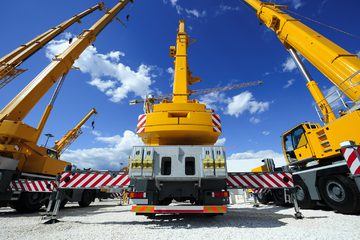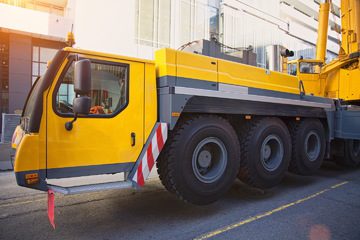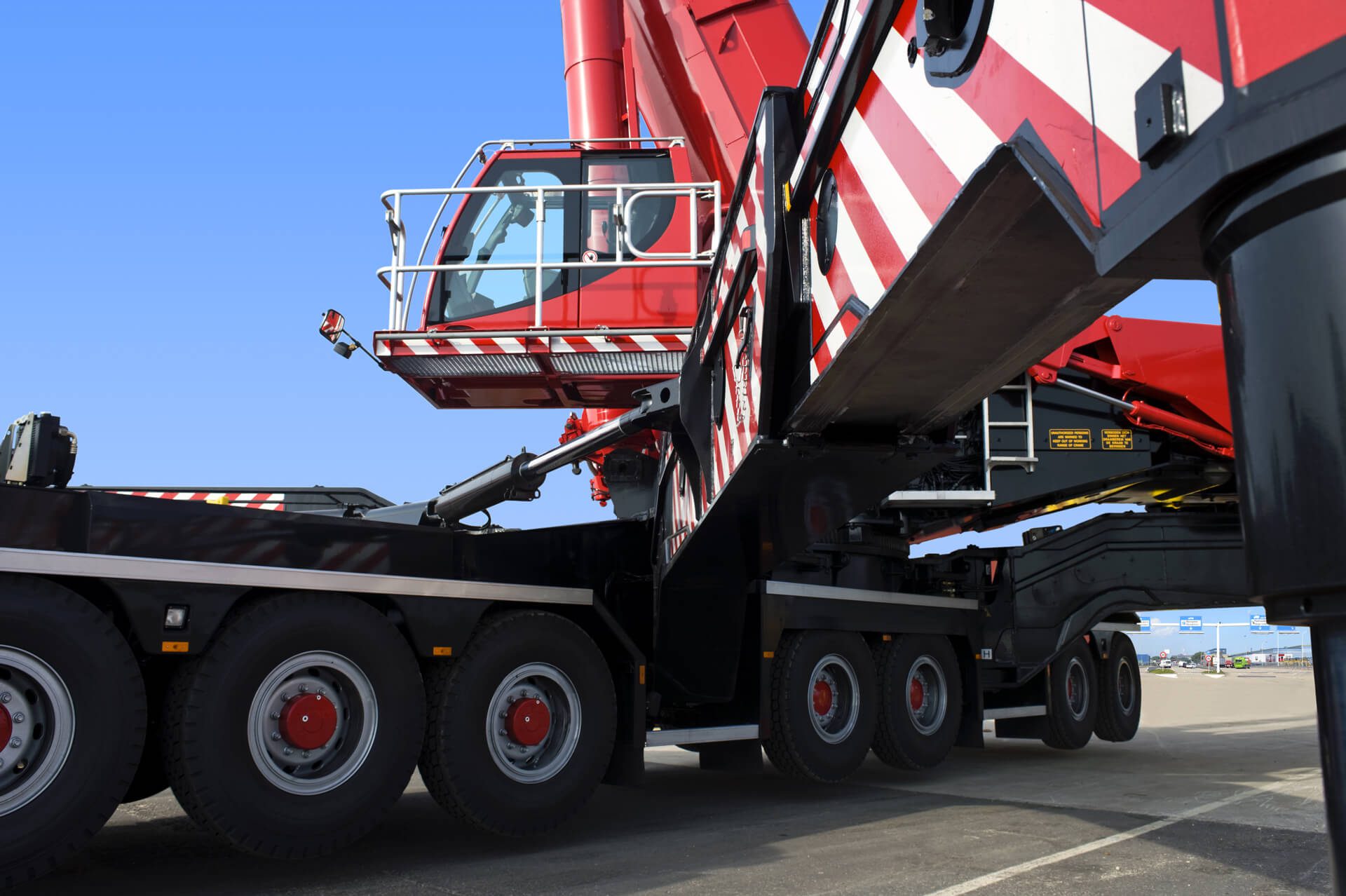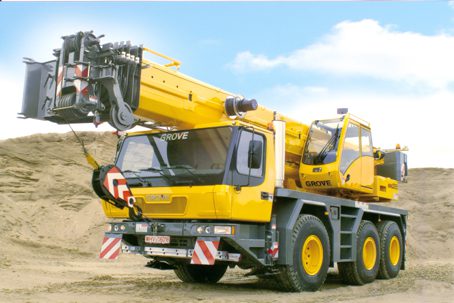
Australia’s major cities are increasingly defined by vertical growth. From inner-city residential towers to transport infrastructure threaded through dense neighbourhoods, construction has adapted to tighter spaces, stricter regulations, and higher expectations around safety and efficiency. At the centre of this transformation are cranes—particularly luffing cranes and tower cranes—which have become indispensable to contemporary building strategies. Alongside these large-scale solutions, regional demand such as crane hire Southern Highlands reflects how lifting technology supports both metropolitan and semi-rural development.
This article examines the strategic role of luffing crane hire and tower crane hire in Australia, comparing how different crane types are deployed across infrastructure, high-rise, and constrained urban projects, while also exploring the regulatory, safety, and technological context that governs their use.
The Strategic Role of Cranes in Australia’s Urban Expansion
Australia’s population growth and housing demand have placed sustained pressure on cities to build upward rather than outward. Planning controls, land scarcity, and infrastructure upgrades have made vertical construction the default approach in Sydney, Melbourne, Brisbane, and other growth centres. Cranes are no longer temporary tools on the skyline; they are long-term fixtures that enable staged, complex projects over many years.
Tower crane hire has traditionally underpinned this expansion, allowing developers to lift heavy materials efficiently across large sites. More recently, luffing crane hire has gained prominence in areas where space is limited and oversailing neighbouring properties is either restricted or prohibited. In regional corridors, including areas where crane hire Southern Highlands is common, cranes support a mix of commercial, residential, and civil works that connect regional centres to metropolitan economies.
Tower Cranes and Large-Scale Construction
Tower cranes remain the backbone of high-rise and infrastructure construction in Australia. Fixed to concrete foundations or climbing with the structure as it rises, these cranes provide significant lifting capacity and wide operational reach. Their horizontal jibs are well suited to open sites, such as major residential developments, commercial precincts, and transport hubs.
In infrastructure projects, tower crane hire is frequently associated with bridges, rail corridors, and energy facilities, where heavy prefabricated components must be positioned with precision. Their ability to operate continuously over long periods makes them cost-effective for projects with predictable lifting cycles.
However, the same horizontal reach that makes tower cranes efficient can pose challenges in dense urban environments. Oversailing—where the crane’s jib passes over neighbouring properties—has become a sensitive planning and legal issue in inner-city areas. These constraints have driven a shift toward alternative crane configurations.
Luffing Cranes and Dense Urban Sites
Luffing crane hire has emerged as a critical solution for construction in tightly constrained urban locations. Unlike traditional tower cranes, luffing cranes feature a jib that can be raised and lowered vertically, reducing the radius of the crane when not in use. This flexibility allows operators to work within narrow site boundaries while minimising intrusion into adjacent airspace.
In central business districts and established residential zones, luffing cranes enable projects that would otherwise be impractical. They are particularly effective for high-rise residential towers, mixed-use developments, and refurbishments where surrounding buildings remain occupied throughout construction.
While luffing cranes generally offer lower maximum lifting capacities than large hammerhead tower cranes, their precision and spatial control often outweigh these limitations. As urban density increases, luffing crane hire is becoming less of a niche option and more of a standard requirement for inner-city projects.
Regional and Semi-Urban Demand
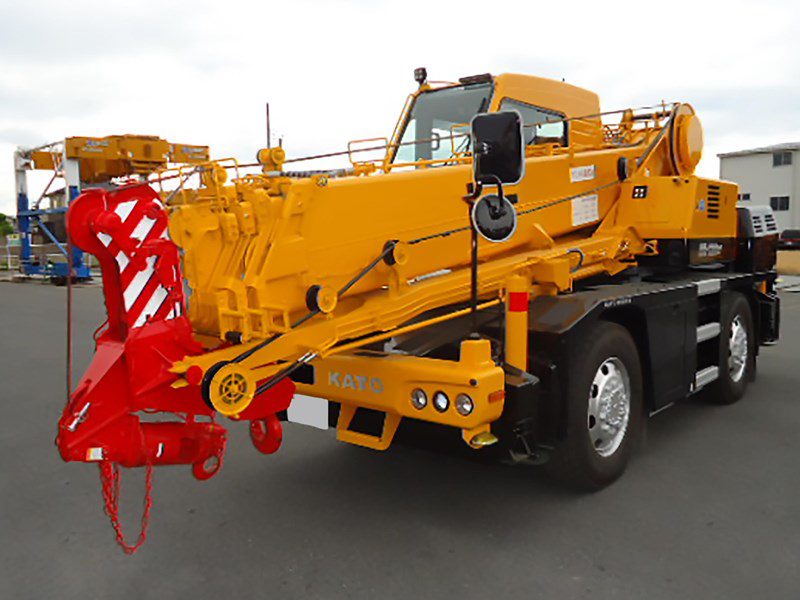
Beyond capital cities, crane use reflects a different set of priorities. In regions such as the Southern Highlands, construction activity often involves lower-rise buildings, industrial facilities, and infrastructure upgrades rather than skyscrapers. Crane hire Southern Highlands supports projects ranging from commercial developments to utilities and transport improvements that underpin regional growth.
In these settings, cranes must balance capacity with mobility and adaptability. While tower cranes may still be used on larger regional projects, shorter project durations and varied site conditions often favour flexible crane solutions. The presence of cranes in these areas highlights how lifting technology supports not only headline-grabbing urban towers but also the quieter expansion of regional economies.
Safety Standards and Workforce Protection
Crane operations in Australia are governed by some of the most stringent safety frameworks in the construction sector. Safe Work Australia and state-based regulators impose detailed requirements covering crane design, operator licensing, maintenance, and site management. These standards apply equally to tower crane hire, luffing crane hire, and regional crane operations.
Operator competency is central to safety outcomes. Crane drivers, dogmen, and riggers must hold appropriate high-risk work licences, while site-specific lift plans are required for complex operations. In dense urban environments, additional measures such as anti-collision systems and exclusion zones are often mandated to protect workers and the public.
The emphasis on safety has also influenced crane selection. Luffing cranes, with their reduced oversailing risk, are sometimes favoured by planners and insurers for inner-city projects. Across all contexts, safety considerations increasingly shape not just how cranes are operated, but which types are deployed.
Technological Advancements in Crane Operations
Advances in technology are reshaping crane efficiency and oversight. Modern tower cranes and luffing cranes are equipped with sophisticated control systems that enhance precision and reduce operator fatigue. Load monitoring, wind speed sensors, and real-time data transmission allow site managers to make informed decisions and respond quickly to changing conditions.
Digital modelling has also improved planning. Building Information Modelling, or BIM, is now commonly used to simulate crane movements, identify clashes, and optimise lift sequences before construction begins. This is particularly valuable in projects involving multiple cranes or restricted airspace.
Remote diagnostics and predictive maintenance are further reducing downtime, ensuring that cranes remain operational throughout long construction schedules. These innovations are contributing to safer, more efficient sites across Australia, from major city towers to regional developments.
Regulatory and Planning Considerations
Planning approval processes increasingly scrutinise crane operations, especially in established urban areas. Local councils may impose conditions on crane height, operating hours, and oversailing arrangements. Developers must often negotiate airspace licences with neighbouring property owners, adding legal complexity to projects reliant on tower crane hire.
Environmental considerations also play a role. Noise restrictions, visual impact assessments, and sustainability reporting are now standard components of major developments. Crane selection can influence these outcomes, with quieter, more compact configurations sometimes preferred in sensitive locations.
In regional areas, regulatory requirements may be less complex but still demand compliance with national safety and environmental standards. Crane hire Southern Highlands operations must navigate local planning frameworks while adhering to the same core regulations that govern metropolitan sites.
Looking Ahead: Cranes and Australia’s Built Environment
As Australia continues to urbanise, the role of cranes will only grow in strategic importance. Tower crane hire will remain essential for large-scale and infrastructure-heavy projects, while luffing crane hire is set to expand as cities grapple with density, heritage constraints, and community expectations.
At the same time, regional demand underscores the versatility of crane technology in supporting diverse forms of development. From city skylines to regional hubs, cranes enable the construction sector to respond to economic growth, housing needs, and infrastructure priorities.
Ultimately, the evolution of crane use reflects broader trends in Australian construction: a focus on efficiency, safety, and adaptability in an increasingly complex built environment. By understanding how different crane types fit into this landscape, industry professionals and policymakers alike can better navigate the challenges of building Australia’s future.