Australia’s built environment is changing at a pace not seen in decades. From the densifying skylines of Sydney and Melbourne to the carefully managed growth of regional centres, construction activity has become a defining feature of economic and urban policy. At the centre of this transformation stands a set of highly specialised machines whose influence often goes unnoticed beyond the construction fence: cranes. In particular, the evolving use of luffing crane hire, mobile crane hire, and city crane hire southern highlands reflects deeper shifts in how Australia plans, builds, and regulates its cities and infrastructure.
The Strategic Role of Cranes in Australian Development
Cranes are more than construction equipment; they are logistical enablers that determine what can be built, where, and how efficiently. In Australia, where urban development must balance density, liveability, and environmental constraints, crane selection has become a strategic decision rather than a purely operational one. As projects grow taller, sites become tighter, and community scrutiny intensifies, the choice between luffing cranes, mobile cranes, and regional city crane hire solutions increasingly shapes project feasibility.
Government-backed infrastructure pipelines, including transport corridors, energy projects, and mixed-use precincts, have further elevated the importance of lifting technology. The sequencing of heavy lifts, the management of airspace above active streets, and compliance with strict safety and planning regimes all depend on cranes that are fit for purpose. In this context, cranes function as critical links between architectural ambition and practical delivery.
Luffing Crane Hire and the Vertical City
Few machines are as closely associated with high-rise construction as luffing tower cranes. Unlike traditional hammerhead cranes, luffing cranes feature a variable jib angle that allows the boom to be raised and lowered. This capability has made luffing crane hire essential for projects in Australia’s most congested urban environments, particularly inner-city developments where airspace is limited and adjacent buildings are close.
In cities such as Sydney and Brisbane, luffing cranes enable vertical construction on sites that would otherwise be constrained by planning rules or physical proximity to neighbouring properties. Their ability to operate with reduced oversailing has become increasingly important as regulators and communities place tighter controls on construction impacts. As Australian cities pursue density over sprawl, luffing cranes are playing a quiet but decisive role in making high-rise residential and commercial projects viable.
Mobile Crane Hire and Infrastructure Flexibility
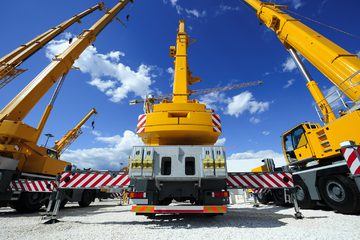
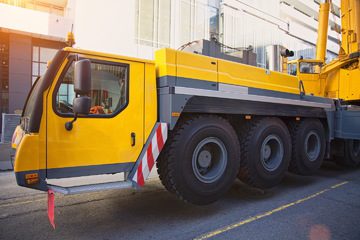
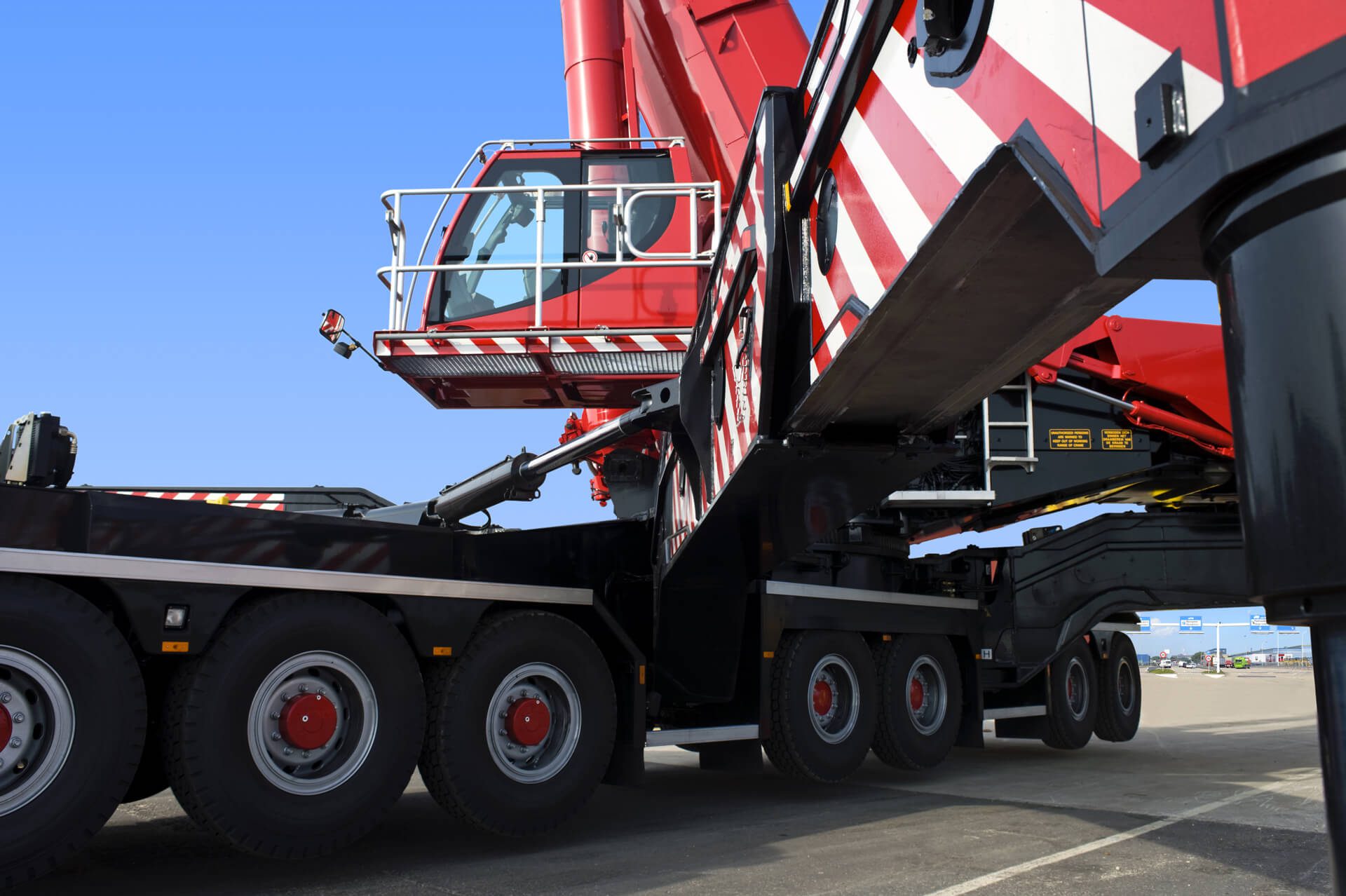
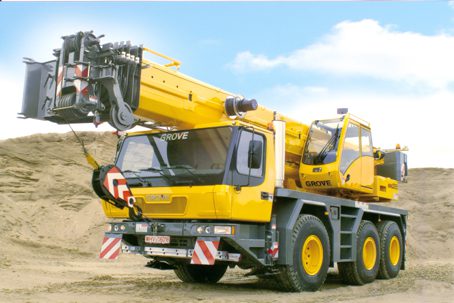
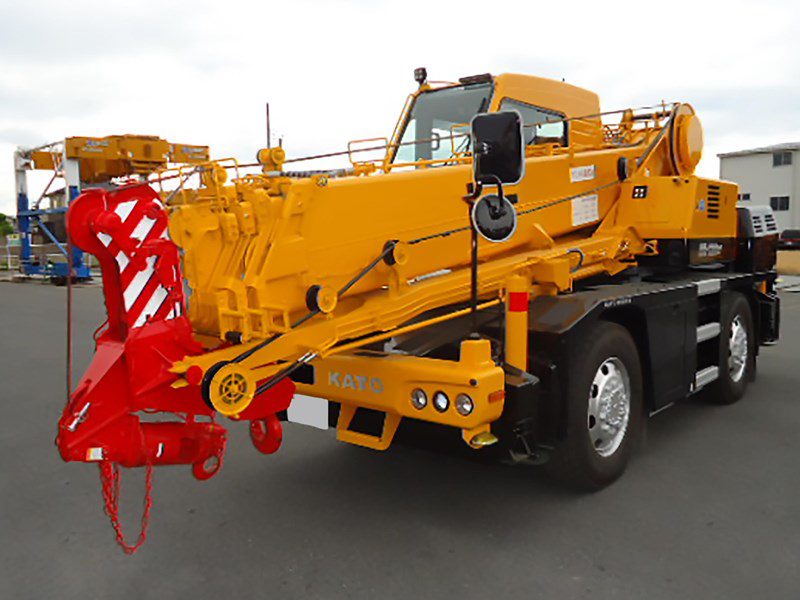
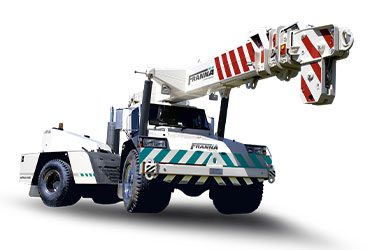
While luffing cranes dominate the skyline, mobile crane hire underpins much of Australia’s horizontal and infrastructure development. Mobile cranes are valued for their versatility, rapid deployment, and capacity to operate across diverse environments. From bridge construction and rail upgrades to renewable energy installations, mobile cranes provide the lifting flexibility required for projects that span wide geographic areas and evolving site conditions.
In infrastructure projects, timing is often critical. Rail possessions, road closures, and offshore works demand equipment that can be mobilised quickly and perform complex lifts within narrow windows. Mobile cranes meet these demands while adapting to Australia’s varied terrain, from urban road networks to remote regional sites. Their continued relevance reflects the country’s emphasis on infrastructure renewal and expansion as a driver of long-term economic resilience.
City Crane Hire in the Southern Highlands and Regional Growth
Beyond the major capitals, regional Australia is experiencing a quieter construction boom. Areas such as the Southern Highlands are seeing increased demand for commercial facilities, health infrastructure, and medium-density housing as population patterns shift. City crane hire southern highlands illustrates how lifting solutions are adapting to regional contexts, where projects are often smaller in scale but still subject to stringent safety and planning requirements.
In these settings, cranes must balance capacity with minimal disruption to established communities. Regional councils often impose strict conditions on noise, traffic management, and visual impact, requiring careful coordination between builders, engineers, and crane operators. The growing presence of city crane hire in regional centres signals a broader decentralisation of construction activity, supported by targeted investment and changing lifestyle preferences.
Comparing Crane Use Across Project Types
The distinctions between crane types become most apparent when examining how they are deployed across different categories of construction. High-rise developments rely heavily on luffing cranes for sustained vertical lifting over extended periods, often spanning years. These cranes are integrated into the project’s core logistics, supporting the steady ascent of concrete, steel, and prefabricated elements.
Infrastructure projects, by contrast, favour mobile crane hire due to the need for intermittent, high-capacity lifts across multiple locations. Here, cranes act as tactical assets, mobilised to support specific construction milestones rather than continuous operation. In regional and peri-urban developments, city crane hire southern highlands often combines elements of both approaches, providing tailored solutions that reflect local scale and site conditions.
Safety Standards and Regulatory Oversight
Australia’s crane sector operates within one of the most rigorous safety and regulatory frameworks in the world. Workplace health and safety legislation, enforced at both state and federal levels, governs crane design, operation, and maintenance. Operators are subject to strict licensing requirements, while sites must adhere to comprehensive risk management and traffic control plans.
The increasing complexity of urban construction has prompted regulators to pay closer attention to crane-related risks, including load stability, wind management, and interaction with public spaces. For luffing crane hire in dense city centres, compliance with airspace and oversail regulations is particularly critical. These rules are designed to protect neighbouring properties and public safety, reflecting the heightened scrutiny applied to inner-city projects.
Technological Advancements in Lifting Equipment
Technology is reshaping crane operations across Australia. Modern cranes are equipped with advanced load monitoring systems, anti-collision technology, and digital interfaces that enhance precision and safety. For luffing cranes, automated jib control and real-time wind monitoring are increasingly standard, allowing operators to respond quickly to changing conditions.
Digital integration extends beyond the crane itself. Building information modelling and site management platforms now incorporate crane data to optimise lift planning and sequencing. This convergence of physical equipment and digital systems is improving efficiency while reducing risk, aligning with broader trends in construction technology adoption.
The Broader Implications for Urban Policy
The growing reliance on specialised crane solutions has implications beyond individual construction sites. Urban planners and policymakers must consider crane access, staging areas, and operational constraints when approving major developments. In effect, cranes have become part of the urban planning conversation, influencing how cities manage density, infrastructure renewal, and community impact.
As Australia continues to invest in both metropolitan and regional development, the strategic deployment of cranes will remain a key factor in delivering projects safely and efficiently. Whether through luffing crane hire enabling vertical growth, mobile crane hire supporting infrastructure resilience, or city crane hire southern highlands facilitating regional expansion, lifting technology is shaping the physical and economic contours of modern Australia.
In an era of rapid urban change, cranes stand as both symbols and instruments of progress, quietly lifting the ambitions of a nation into built reality.