As Australia’s cities push upward and outward, the machinery that lifts steel, concrete, and ambition into place has become increasingly sophisticated. Behind every gleaming high-rise in Sydney’s Barangaroo and every infrastructure project threading through Melbourne’s crowded streets lies a calculated decision about which lifting equipment will navigate space constraints, safety protocols, and engineering demands. Three crane categories have emerged as linchpins of modern Australian construction: luffing cranes for vertical urban sites, Franna cranes for compact maneuverability in metropolitan areas like Sydney, and mobile cranes for adaptable project requirements across diverse environments.
The Engineering Logic Behind Luffing Crane Technology
Luffing crane hire has become essential to Australia’s densest construction zones, where traditional tower cranes cannot operate without jib arms sweeping over neighboring properties. Unlike conventional cranes with fixed horizontal jibs, luffing cranes feature jibs that pivot upward and downward, keeping the load path contained within the construction site’s vertical footprint. This mechanical advantage proves critical in cities where regulatory frameworks prohibit crane operation over public spaces or adjacent buildings without explicit permission.
The technology dates to European construction practices in tightly packed historic centers, but Australian adoption accelerated dramatically during the past decade’s residential tower boom. Projects along Sydney’s central business district and inner suburbs demonstrate the luffing crane’s utility where site boundaries abut heritage buildings, operational train lines, or busy pedestrian thoroughfares. The crane’s load capacity typically ranges from fifteen to sixty-four metric tonnes at working radius, sufficient for most high-rise residential and commercial applications.
Safety considerations distinguish luffing operations from traditional tower crane work. The variable geometry introduces additional load calculation complexity, requiring operators to account for changing radius, hook height, and jib angle simultaneously. Australian standards mandate certified operators complete specialized training modules addressing these dynamics. WorkSafe authorities across states have issued specific guidelines for luffing crane installation near power lines and populated areas, recognizing that the vertical jib movement creates different hazard profiles than fixed-jib equipment.
Franna Cranes and Metropolitan Mobility Challenges
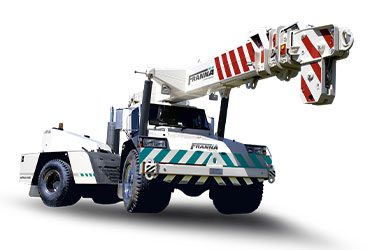
While luffing technology addresses vertical construction constraints, Franna crane hire Sydney and other capital cities solves horizontal access problems. These pick-and-carry cranes, originally developed in Australia during the nineteen-seventies, combine compact dimensions with sufficient lifting capacity for mid-range construction tasks. The design allows a single operator to drive the crane between job sites and perform lifts without outriggers in many configurations, dramatically reducing setup time compared to conventional mobile cranes.
Sydney’s construction landscape particularly favors Franna deployment. Narrow laneways in established suburbs, restricted loading zones in commercial districts, and projects requiring equipment to navigate between multiple buildings within a single shift all benefit from the crane’s agility. Typical capacities range from ten to twenty-five tonnes, positioning Franna cranes as the equipment of choice for tasks like placing air conditioning units on low-rise buildings, delivering steel beams to renovation sites, or supporting fitout work where larger cranes cannot economically justify mobilization costs.
The regulatory environment surrounding Franna operations reflects their prevalence in populated areas. New South Wales requirements specify load charts must account for both pick-and-carry mode and outrigger-supported lifts, as the crane’s capacity changes significantly depending on configuration. Traffic management protocols often govern Franna movement through public streets, with councils imposing specific hours for equipment transit and lift operations near residential zones. These administrative layers add complexity but also demonstrate how thoroughly Franna technology has integrated into urban construction workflows.
Mobile Crane Versatility Across Project Scales
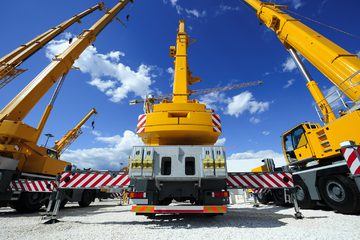
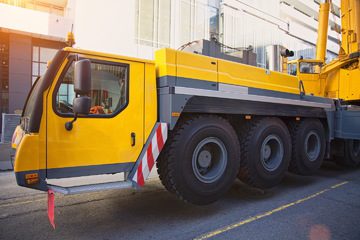
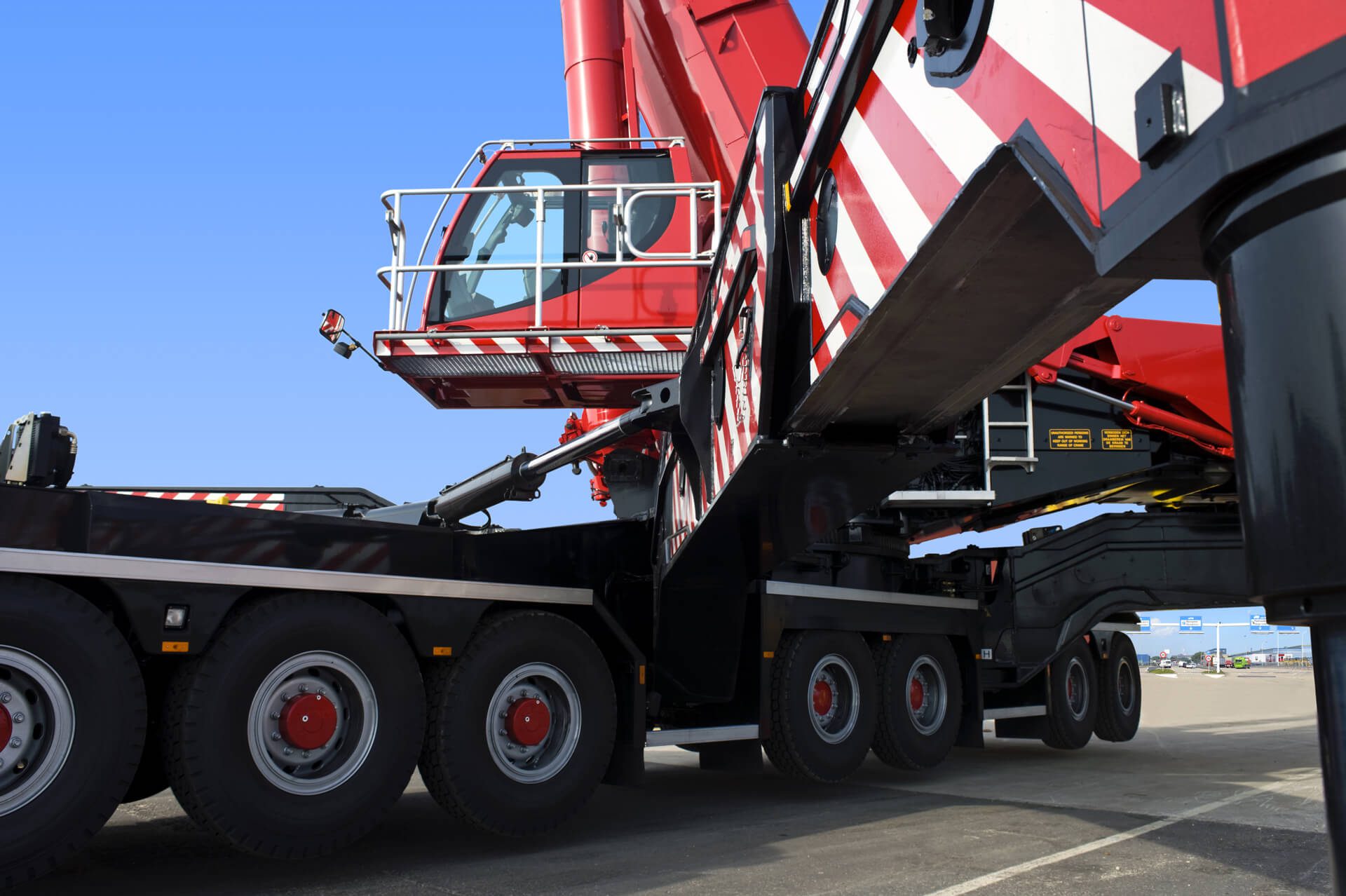
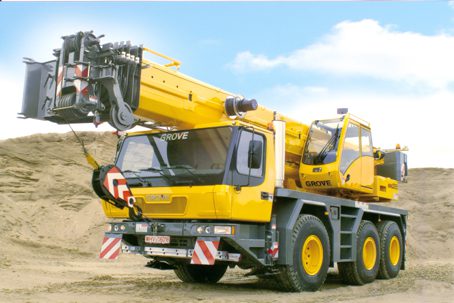
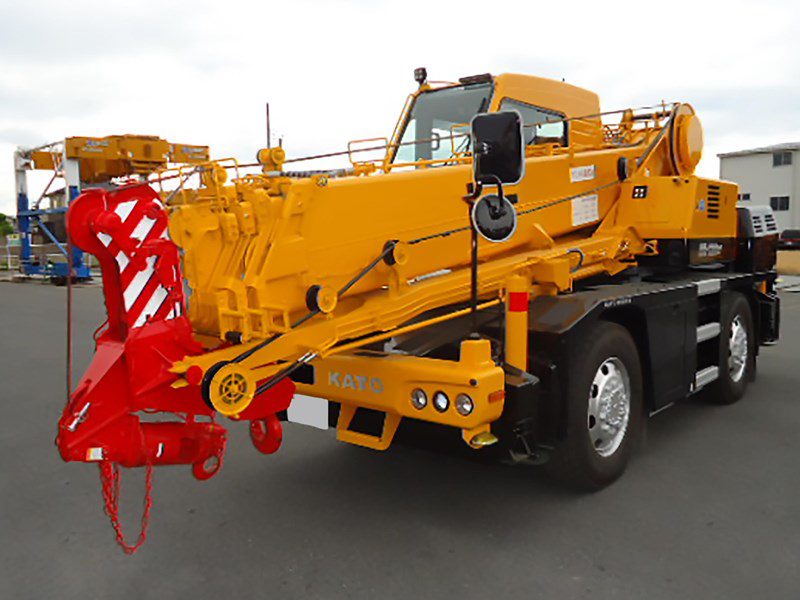
Mobile crane hire encompasses a broader equipment category, from all-terrain models traveling highways between regional projects to heavyweight crawlers serving major infrastructure developments. What unifies this diverse equipment class is transportability without full disassembly, distinguishing mobile cranes from tower cranes that require significant installation and removal procedures.
Australian infrastructure projects increasingly specify mobile cranes for their flexibility across construction phases. Bridge construction exemplifies this application, where cranes must reposition frequently as span sections progress. Mining sector developments in regional Queensland and Western Australia similarly rely on mobile crane fleets that can relocate between sites as project priorities shift. The machines range from twenty-tonne taxi cranes handling utility work to five-hundred-tonne all-terrain units capable of wind turbine installation or petrochemical plant construction.
Technological advancement in mobile crane design has accelerated noticeably during recent years. Telematics systems now provide real-time data on load weights, boom angles, and ground pressure, feeding information to both operators and project managers. Some newer models incorporate automated load moment limiting systems that prevent operations outside safe parameters, addressing a significant cause of historical crane incidents. Australian adoption of these technologies aligns with broader construction industry digitalization, where equipment performance data integrates with project management software to optimize scheduling and resource allocation.
Safety Standards and Regulatory Oversight
Australia’s crane safety framework operates through overlapping state-based regulators and national standards development. Safe Work Australia coordinates harmonized work health and safety regulations, while state authorities like WorkSafe Victoria and SafeWork NSW enforce compliance and investigate incidents. The regulatory structure requires crane operators maintain specific licensing endorsed for equipment classes, with luffing, Franna, and mobile categories each demanding demonstrated competency.
High-profile incidents have shaped regulatory evolution. Following several tower crane collapses during extreme weather events, authorities implemented stricter meteorological monitoring requirements and mandatory shutdown protocols when wind speeds exceed equipment specifications. Luffing cranes received particular scrutiny given their extended vertical profiles and potential for wind loading at height. Current standards mandate weather stations at construction sites using tower or luffing cranes, with real-time data accessible to operators and site supervisors.
Inspection regimes form another critical safety layer. Major lifting equipment undergoes statutory inspections at prescribed intervals, with comprehensive examinations conducted by qualified engineers. These inspections verify structural integrity, wire rope condition, hydraulic system function, and safety device operation. Documentation requirements ensure maintenance history follows equipment throughout its service life, creating accountability across the hire industry.
Economic and Operational Considerations
The decision matrix determining crane selection extends beyond technical specifications to economic factors that shape project viability. Luffing crane hire commands premium rates reflecting specialized equipment and operator expertise, making financial sense primarily where site constraints preclude alternatives. Franna crane hire in Sydney and comparable metropolitan markets occupies a mid-range price point, balancing capability against accessibility for smaller contractors. Mobile crane hire pricing scales with capacity and mobilization requirements, from economical daily rates for compact units to substantial costs for heavy-lift specialists requiring transport permits and escort vehicles.
Project timelines influence equipment choices significantly. Luffing cranes typically remain on site for extended periods given installation complexity, favoring projects with sufficient duration to justify setup costs. Franna and mobile cranes offer greater scheduling flexibility, supporting shorter-duration lifts or projects requiring intermittent crane access rather than continuous availability.
As Australian cities continue vertical expansion and infrastructure renewal, the strategic deployment of specialized lifting equipment remains fundamental to construction feasibility. The interplay between luffing precision in constrained sites, Franna agility in established urban fabric, and mobile crane adaptability across project types reflects an industry navigating complex spatial, regulatory, and economic realities. Understanding these equipment categories provides insight into how Australia literally builds its future, one carefully calculated lift at a time.