Australia’s construction industry stands at a defining moment. As the nation grapples with housing shortages, population growth concentrated in major metropolitan centres, and ambitious infrastructure programmes valued in the hundreds of billions, the machinery lifting these projects from blueprint to reality has never been more critical. At the centre of this transformation are the cranes—tower, mobile, and specialised urban variants—that have become as emblematic of Australian cities as the structures they help create.
From the dense corridors of Sydney’s central business district to the sprawling developments reshaping Melbourne’s western suburbs, crane activity has emerged as a reliable barometer of economic confidence. Yet beyond their symbolic significance, these machines represent increasingly sophisticated engineering solutions to complex logistical challenges, operating within one of the world’s most stringent regulatory environments.
The Backbone of High-Rise Development
The tower crane remains the undisputed workhorse of vertical construction across Australia. Fixed to the ground or anchored within the structures they help build, these machines dominate skylines wherever significant high-rise development occurs. Tower crane hire has become essential infrastructure for developers navigating the financial and practical realities of major projects, allowing access to equipment valued in the millions without the burden of ownership, maintenance, and eventual obsolescence.
In Sydney alone, recent aerial surveys have counted more than one hundred tower cranes operating simultaneously during peak construction periods—a figure that would have seemed extraordinary just two decades ago. The concentration reflects both the city’s building boom and the particular challenges of constructing residential and commercial towers in established urban environments where space is at a premium and every square metre carries significant value.
These machines excel where height and sustained lifting capacity matter most. A modern tower crane can reach heights exceeding three hundred metres and lift loads of more than twenty tonnes, positioning materials with precision that manual methods could never achieve. For projects spanning years rather than months, the economics and practicality of tower crane hire make compelling sense, providing dedicated lifting capacity throughout the construction timeline.
Flexibility in Motion
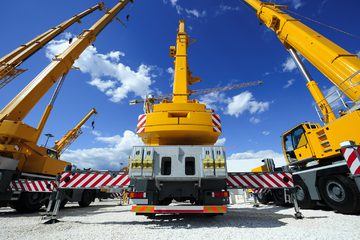
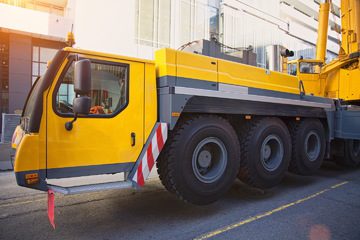
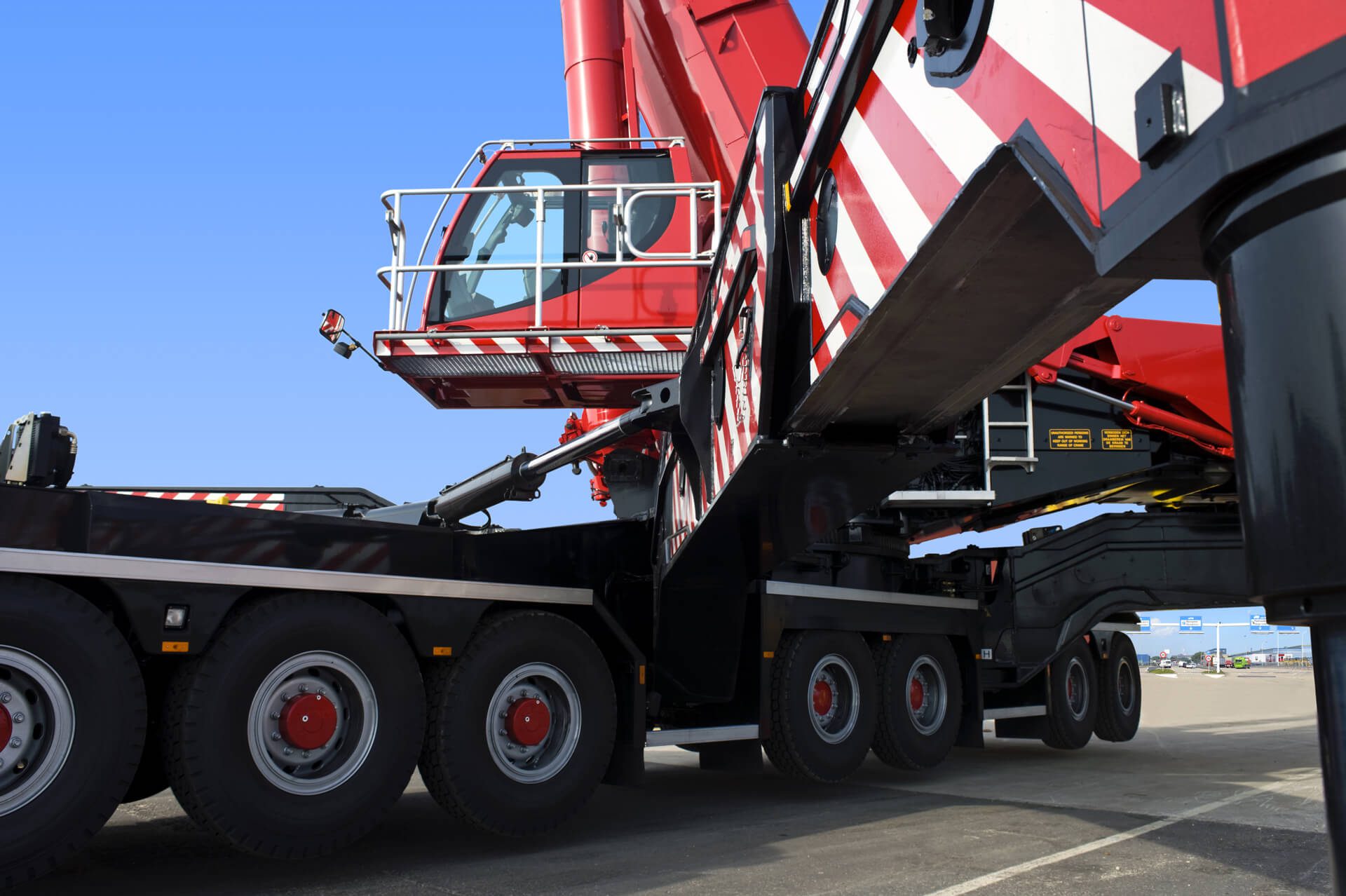
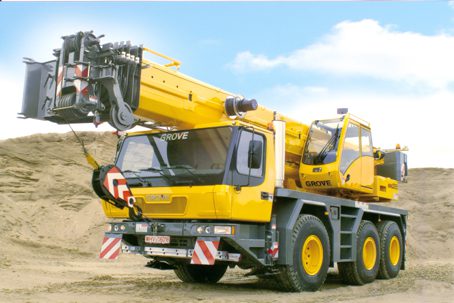
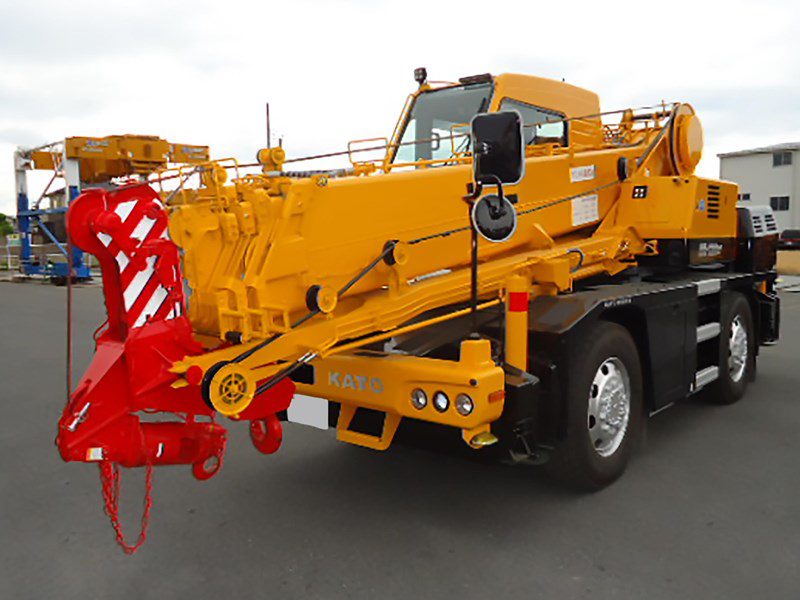
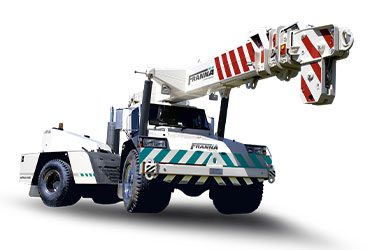
Where tower cranes offer fixed-position power, mobile crane hire provides the versatility that complex projects increasingly demand. These machines—mounted on wheeled or tracked carriers—can relocate between sites or reposition within a single project as needs evolve. The Australian market has seen particular growth in all-terrain and rough-terrain variants capable of operating across the diverse conditions found on infrastructure projects spanning the continent.
Mobile cranes have proven indispensable for bridge construction, road infrastructure, renewable energy installations, and the assembly of industrial facilities. Their capacity ranges from compact units suitable for residential construction to heavy-lift machines capable of hoisting components weighing several hundred tonnes. This scalability has made mobile crane hire a cornerstone of infrastructure development, from the wind farms of South Australia to the port expansions of Queensland.
The operational differences between tower and mobile cranes often determine project viability. While tower cranes require significant establishment time and substantial foundation work, mobile cranes can be operational within hours of arriving on site. For shorter-duration lifts or projects where ground conditions preclude permanent installation, this flexibility translates directly into cost savings and scheduling advantages.
Navigating Urban Complexity
Perhaps nowhere are the challenges of modern construction more apparent than in Australia’s densest urban precincts. City crane hire Sydney presents particular logistical puzzles that have driven innovation across the industry. Narrow streets designed in the colonial era, heritage buildings requiring protection, underground services demanding careful coordination, and populations continuing daily life metres from active construction sites—all create constraints that would be unimaginable on greenfield developments.
Operators specialising in city crane hire in Sydney and similar metropolitan environments have developed expertise that extends well beyond equipment operation. Traffic management planning, coordination with municipal authorities, noise mitigation strategies, and the engineering of temporary works to accommodate crane installation have become integral service components. The crane itself represents only the most visible element of a complex operational framework.
Recent years have witnessed the emergence of luffing-jib tower cranes as preferred solutions for constrained urban sites. Unlike traditional horizontal-jib designs, these machines feature booms that can be angled upward, reducing the radius of operation and minimising conflicts with neighbouring properties. The technology has proven particularly valuable where multiple towers rise simultaneously on adjacent sites, allowing overlapping crane operations that would otherwise be impossible.
Safety and Regulatory Frameworks
Australian crane operations occur within a regulatory structure widely regarded as among the world’s most rigorous. Work health and safety legislation across all states and territories establishes clear obligations for the design, maintenance, and operation of lifting equipment. High-risk work licensing requirements ensure that operators have demonstrated competency through nationally recognised training programmes and practical assessments.
The consequences of regulatory non-compliance extend beyond financial penalties. Project shutdowns, reputational damage, and potential criminal liability create powerful incentives for adherence to established standards. Major construction companies increasingly view robust safety performance as a competitive differentiator, with crane-related incidents carrying particular weight in pre-qualification assessments for government contracts.
Industry bodies, including the Crane Industry Council of Australia, have played significant roles in developing standards that often exceed minimum regulatory requirements. Voluntary certification programmes, continuing professional development frameworks, and technical guidance documents help maintain safety performance across an industry where the margins between routine operation and catastrophe can be measured in millimetres and seconds.
Technological Transformation
The cranes operating across Australian construction sites today bear little resemblance to their predecessors of even a decade past. Digital load monitoring systems provide real-time feedback on stresses throughout the machine, while anti-collision technology allows multiple cranes to operate in close proximity with reduced risk of boom contact. Remote diagnostics enable manufacturers and service providers to identify developing mechanical issues before they manifest as operational failures.
Perhaps most significantly, telematics platforms now capture operational data that informs both safety management and commercial decisions. Fleet managers can monitor utilisation rates, fuel consumption, and operator behaviour across geographically dispersed equipment portfolios. This information supports preventive maintenance programmes while providing the transparency that increasingly sophisticated clients demand from their construction partners.
Emerging technologies promise further transformation. Autonomous crane operations, already demonstrated in controlled environments, may eventually reduce the human factors that contribute to incidents while addressing persistent skills shortages. Electrification offers pathways to reduced emissions as construction clients face growing pressure to demonstrate environmental credentials.
The Horizon Ahead
As Australian cities continue their vertical growth and infrastructure investment remains a political priority across jurisdictions, demand for capable lifting solutions shows no signs of diminishing. The sector’s ability to meet this demand while maintaining safety standards and adapting to technological change will shape the built environment for generations.
What rises above Australian cities today depends fundamentally on what lifts it there. In that essential truth, the crane industry finds both its purpose and its responsibility.