The Australian construction sector contributed more than $150 billion to the national economy last year, and perhaps no single piece of equipment better symbolises the industry’s scale and ambition than the crane. From the steel towers punctuating Sydney’s horizon to the mobile units navigating suburban infrastructure projects, cranes have become the defining machinery of a nation in the midst of an urban transformation.
Yet behind every visible crane stands a complex network of hiring arrangements, safety protocols, and logistical decisions that shape how effectively Australia can build for its future. As population growth, housing demands, and infrastructure investment converge, the strategic role of crane hire has never been more consequential to the nation’s development trajectory.
The Economics of Elevation
For most construction firms operating in Australia, purchasing cranes outright represents a prohibitive capital investment. A single tower crane can cost several million dollars, excluding transport, assembly, and ongoing maintenance. This economic reality has made tower crane hire the predominant model across the industry, allowing developers to access sophisticated lifting capabilities without the burden of ownership.
The hire model offers flexibility that outright purchase cannot match. Projects vary dramatically in duration, height requirements, and load specifications. A residential development in Brisbane may require fundamentally different equipment than a commercial tower in Melbourne’s central business district. By engaging tower crane hire services, construction companies can match their lifting capacity precisely to project demands, adjusting as developments evolve through different phases.
This arrangement has proven particularly valuable during periods of economic uncertainty. When construction activity contracts, companies carrying owned equipment face ongoing costs regardless of utilisation rates. Hire agreements, by contrast, allow firms to scale their crane commitments in response to market conditions, providing a buffer against the industry’s cyclical nature.
Western Sydney and the New Frontier
Nowhere is Australia’s construction boom more visible than in Western Sydney, where population growth and government infrastructure investment have created one of the nation’s most active development corridors. The region’s transformation from predominantly low-density suburbia to a mixed-use urban centre has generated sustained demand for crane hire Western Sydney operators can provide.
The Western Sydney Aerotropolis, the new international airport at Badgerys Creek, and extensive road and rail projects have established the region as a critical testing ground for Australia’s infrastructure ambitions. These developments require a diverse range of lifting equipment, from tower cranes capable of constructing multi-storey buildings to mobile units suited for bridge work and highway infrastructure.
What distinguishes Western Sydney from established urban centres is the sheer breadth of simultaneous construction activity. Unlike the constrained sites of central Sydney, where projects typically proceed in isolation, Western Sydney’s greenfield and brownfield developments often cluster together, creating complex logistical challenges that demand sophisticated crane deployment strategies.
Comparing Crane Applications Across Project Types
The choice between different crane types reflects not merely lifting requirements but also the physical and regulatory constraints of specific sites. Tower cranes dominate high-rise construction for reasons of efficiency and reach. Fixed to the ground or building structure, they can lift materials to heights exceeding 80 metres while covering large radial areas. Their stationary nature makes them ideal for projects spanning months or years, where the cost and complexity of installation can be amortised across extended timelines.
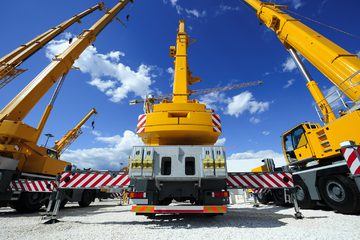
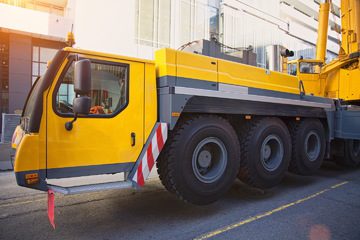
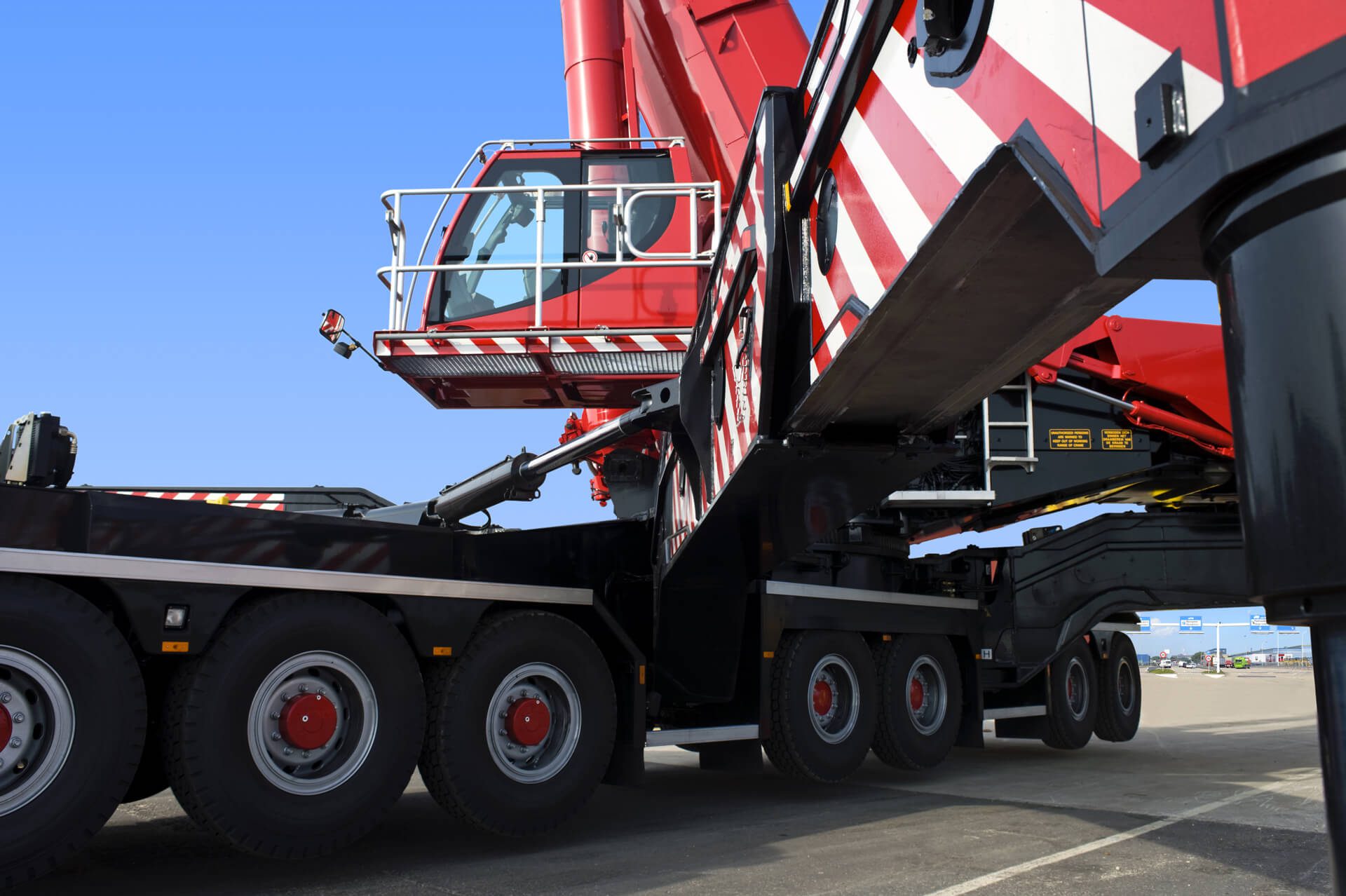
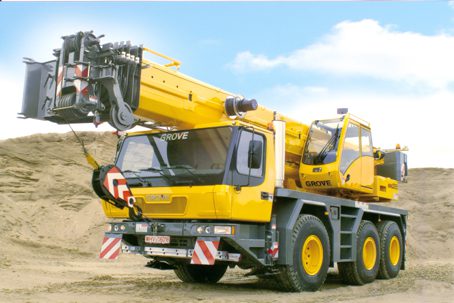
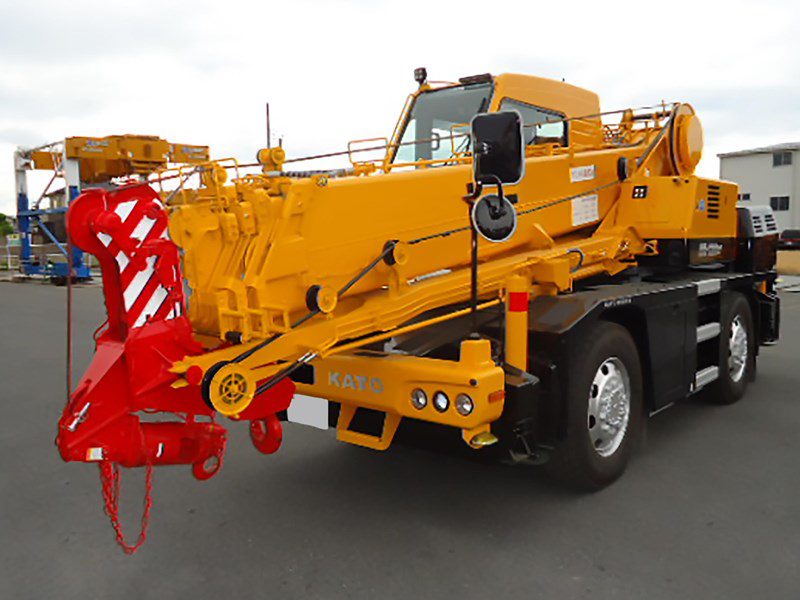
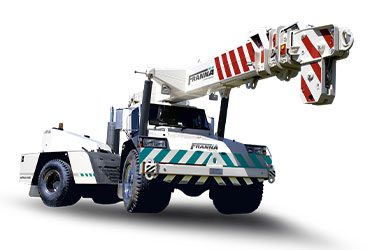
Mobile crane hire serves a fundamentally different purpose. These self-propelled units offer rapid deployment and repositioning capabilities essential for infrastructure work, industrial installations, and projects requiring lifting at multiple locations. Road construction, bridge assembly, and utility installations frequently rely on mobile cranes precisely because the work itself moves across distances that fixed equipment cannot serve.
Dense urban environments present particular challenges that have driven innovation in crane technology and application. Sites with limited footprint may require luffing-jib tower cranes, whose adjustable booms avoid encroaching on neighbouring airspace. Inner-city projects must also navigate heritage considerations, flight path restrictions, and the operational constraints of adjacent buildings and infrastructure.
The distinction between crane types has grown less absolute as manufacturers introduce hybrid designs and operators develop more sophisticated deployment methodologies. Modern construction projects increasingly employ combinations of equipment, using tower cranes for primary vertical lifting while mobile units handle ground-level logistics and supplementary tasks.
Safety Standards and Regulatory Framework
Australia maintains among the world’s most stringent crane safety regulations, reflecting both the inherent risks of heavy lifting operations and historical incidents that prompted regulatory reform. Safe Work Australia and state-based regulators enforce comprehensive requirements governing operator licensing, equipment certification, and site-specific safety planning.
High-risk work licences are mandatory for crane operators, with different classifications corresponding to equipment types and lifting capacities. Tower crane operators, for instance, must hold specific credentials separate from those required for mobile equipment. These licensing requirements establish baseline competencies while ongoing training addresses emerging technologies and evolving best practices.
The regulatory framework extends beyond operator qualifications to encompass equipment standards, inspection regimes, and site management protocols. Cranes must undergo regular structural assessments, and hire companies bear responsibility for maintaining equipment to prescribed standards. Wind speed limitations, load calculations, and exclusion zone management represent standard elements of operational safety planning.
Recent years have seen increased regulatory attention to crane-related risks in congested urban environments. The proximity of residential buildings, pedestrian areas, and transport infrastructure to construction sites has prompted more rigorous oversight of lift planning and communication protocols. Several Australian jurisdictions have introduced enhanced requirements for crane operations near occupied buildings, reflecting community expectations as much as technical risk assessments.
Technological Advancement and Industry Evolution
Digital technology is reshaping crane operations in ways that extend well beyond improved lifting mechanisms. Telematics systems now provide real-time monitoring of crane performance, load weights, and operational parameters. This data supports predictive maintenance, reducing equipment failures and improving utilisation rates across hire fleets.
Automation and semi-autonomous features have begun appearing in newer crane models, though human operators remain central to Australian construction sites. Anti-collision systems, automated load-moment limiters, and GPS-guided positioning represent incremental advances that enhance rather than replace skilled operators.
Building Information Modelling integration has emerged as a particularly significant development, allowing project managers to coordinate crane movements with broader construction sequencing. These digital tools enable more precise planning of lift schedules, reducing idle time and improving overall site productivity.
Building Toward Tomorrow
As Australia confronts housing shortages, infrastructure deficits, and the demands of a growing population, the construction sector’s capacity to deliver projects efficiently will prove decisive. Within that sector, crane hire represents not merely a procurement choice but a strategic capability that shapes what can be built, where, and how quickly.
The continued evolution of crane technology, safety systems, and deployment methodologies will influence Australian construction for decades to come. Cities will grow taller, infrastructure will extend further, and the cranes lifting these ambitions skyward will remain essential instruments of national development.