Australia’s skylines tell a story of sustained population growth, infrastructure investment, and increasingly complex urban environments. From transport corridors and energy projects to high-density residential towers, construction activity across the country depends on a carefully coordinated system of heavy lifting. At the centre of this system are cranes—specialised machines whose selection and deployment influence not only project timelines and costs, but also safety outcomes and urban liveability.
Among the most widely used solutions are tower crane hire, mobile crane hire, and region-specific applications such as franna crane hire Western Sydney. Each plays a distinct strategic role in how Australian cities are built, particularly as projects grow taller, denser, and more constrained by surrounding development.
The Strategic Importance of Cranes in Modern Australian Construction
Cranes are no longer simply tools of convenience; they are foundational infrastructure in their own right. Australia’s construction sector operates under tight productivity pressures driven by labour constraints, rising material costs, and strict regulatory oversight. In this environment, efficient vertical and horizontal movement of materials is critical.
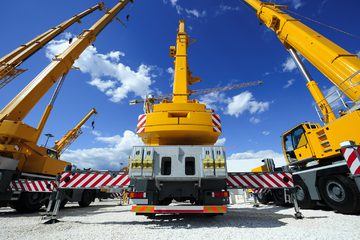
Tower crane hire has become essential for high-rise residential and commercial developments, particularly in metropolitan centres such as Sydney, Melbourne, and Brisbane. These cranes enable the continuous flow of concrete, steel, and prefabricated components to upper levels, supporting faster build cycles and reduced manual handling risks.
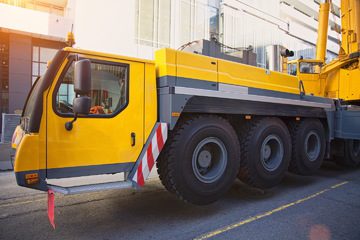
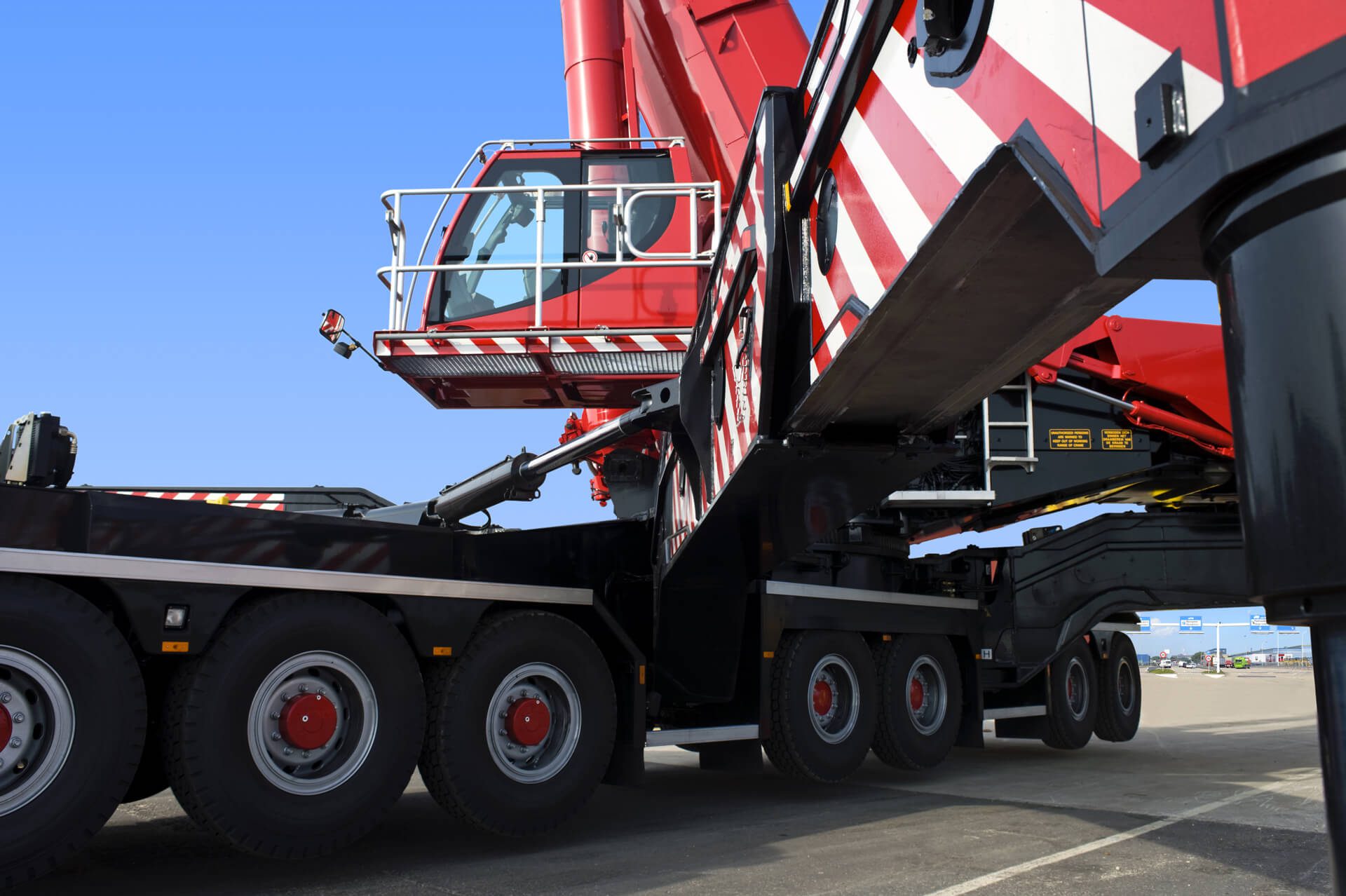
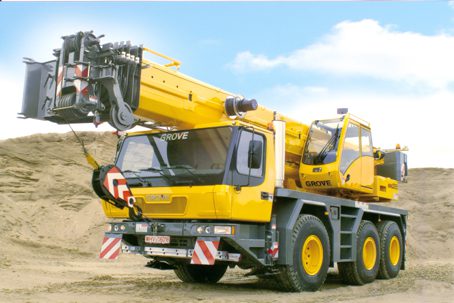
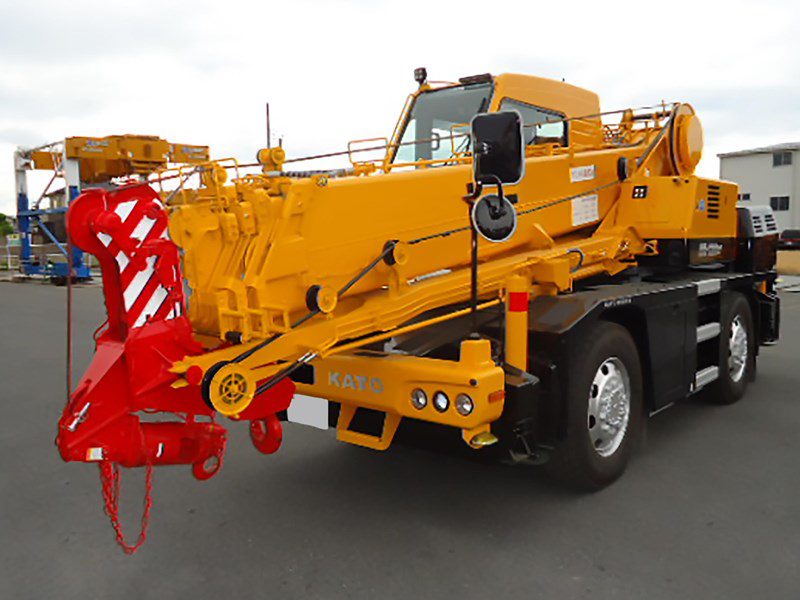
Mobile crane hire, by contrast, offers flexibility across a broader range of projects. From bridge construction and industrial facilities to renewable energy installations, mobile cranes support tasks that require mobility, variable lifting capacities, and rapid deployment. In fast-growing outer metropolitan areas, including Western Sydney, franna crane hire Western Sydney has emerged as a practical solution for short-distance lifts and confined work sites, reflecting the region’s mix of infrastructure upgrades and commercial expansion.
Tower Cranes and the Vertical City
High-density urban development has reshaped the role of tower cranes in Australia. As planning policies encourage vertical growth to limit urban sprawl, construction sites are increasingly surrounded by active streets, neighbouring buildings, and transport networks. Tower cranes are uniquely suited to these conditions.
Fixed to a concrete base or climbing with the structure itself, tower cranes provide consistent lifting capacity over extended periods. Their ability to service an entire site from a single position reduces the need for repeated equipment movements, an important consideration in dense CBD environments. Tower crane hire has therefore become a long-term strategic decision made early in the design phase, often influencing building layout, staging, and even architectural form.
In cities such as Sydney, where airspace management and oversailing regulations apply, tower crane operations are closely regulated. Load paths, wind conditions, and exclusion zones must be carefully planned to ensure safety and compliance. This level of integration highlights how cranes are now embedded within broader urban governance frameworks, not merely construction logistics.
Mobile Cranes and Infrastructure Delivery
While tower cranes dominate skylines, mobile crane hire underpins much of Australia’s horizontal infrastructure. Road upgrades, rail projects, ports, and utilities all rely on cranes that can travel between sites and adapt to changing conditions.
Mobile cranes are particularly valuable during early construction phases, when foundations, precast elements, and large mechanical components must be positioned before permanent structures are in place. Their versatility supports staged construction, allowing infrastructure assets to remain operational while upgrades occur.
In regional and outer suburban areas, mobile crane hire supports projects where space is less constrained but timelines remain tight. The ability to mobilise quickly, perform complex lifts, and demobilise without permanent installation aligns with the needs of publicly funded infrastructure projects that prioritise minimal disruption to communities.
Franna Cranes and the Demands of Western Sydney
Western Sydney presents a distinctive construction environment shaped by rapid population growth, major transport investments, and industrial development. Here, franna crane hire Western Sydney reflects the demand for compact, highly manoeuvrable lifting solutions.
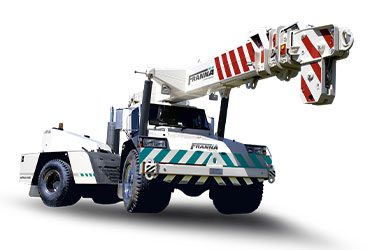
Franna cranes, often described as pick-and-carry cranes, are designed to lift loads and transport them over short distances without the need for outriggers. This capability makes them well suited to logistics hubs, warehouses, and infrastructure maintenance tasks common in Western Sydney’s expanding economic corridors.
Their use highlights a broader trend in Australian construction toward specialised equipment matched to local conditions. As development spreads beyond traditional CBDs, crane strategies are increasingly tailored to regional land use patterns, workforce availability, and site constraints.
Safety Standards and Regulatory Oversight
Crane operations in Australia are governed by some of the world’s most rigorous safety standards. Regulators such as Safe Work Australia and state-based authorities impose strict requirements on equipment certification, operator licensing, and site management.
For tower crane hire, these requirements extend to detailed erection and dismantling plans, wind speed monitoring, and regular structural inspections. Mobile crane hire operations must account for ground conditions, load charts, and exclusion zones, while franna crane hire Western Sydney is subject to additional scrutiny due to the dynamic nature of pick-and-carry movements.
Recent years have seen increased emphasis on harmonised work health and safety legislation, aiming to create consistent standards across states and territories. This regulatory environment has driven improvements in training, documentation, and incident reporting, contributing to a gradual reduction in serious crane-related accidents despite rising construction volumes.
Technological Advances Reshaping Crane Operations
Technology is transforming how cranes are selected, operated, and monitored. Modern tower cranes are equipped with anti-collision systems, load moment indicators, and real-time data feeds that support safer and more efficient operation. These systems are particularly valuable on multi-crane sites common in large urban developments.
Mobile crane hire has also benefited from advances in telematics and digital planning tools. GPS tracking, remote diagnostics, and lift simulation software allow contractors to plan complex lifts with greater accuracy and confidence. In regions such as Western Sydney, these technologies support tighter coordination between franna cranes, mobile cranes, and other site equipment.
The growing use of prefabrication and modular construction further amplifies the importance of crane technology. Larger, heavier modules require precise lifting and placement, reinforcing the need for cranes that combine capacity with control.
Cranes as Indicators of Economic and Urban Change
Beyond their functional role, cranes have become symbols of economic momentum. The presence of tower cranes in city centres often signals confidence in property markets and long-term urban growth. Similarly, increased demand for mobile crane hire and franna crane hire Western Sydney reflects infrastructure investment and industrial expansion.
For policymakers and planners, crane activity provides a visible measure of development intensity. It also raises questions about how construction can coexist with liveable cities, balancing the need for growth with concerns about noise, safety, and environmental impact.
Looking Ahead: Lifting the Next Phase of Growth
As Australia continues to invest in housing, transport, and energy infrastructure, the strategic role of cranes will only grow. Tower crane hire will remain central to vertical urban development, mobile crane hire will underpin infrastructure renewal, and region-specific solutions such as franna crane hire Western Sydney will support localised growth.
The challenge for the construction sector lies in integrating these tools within an increasingly complex regulatory, technological, and social environment. Doing so successfully will shape not just the efficiency of individual projects, but the form and function of Australian cities for decades to come.
In this sense, cranes are more than machines. They are instruments through which economic ambition, engineering expertise, and urban policy are quite literally brought together—lifting Australia’s built environment into its next chapter.