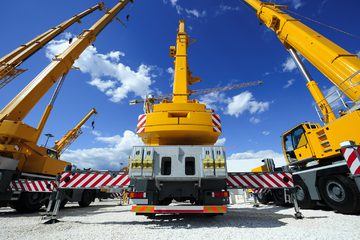
Australia’s skylines tell a story of sustained growth, demographic change, and evolving economic priorities. From transport corridors in Western Sydney to high-rise residential towers in Melbourne and Brisbane, construction cranes have become fixtures of urban life. Yet beyond their visual prominence, cranes play a strategic role in determining how efficiently, safely, and sustainably Australian cities are built. In particular, the interplay between tower crane hire, mobile crane hire, and city crane hire Western Sydney reflects broader shifts in construction methods, regulatory expectations, and urban planning outcomes.
The Strategic Importance of Cranes in Modern Construction
Cranes are not merely tools of convenience; they are critical infrastructure enablers. Australia’s construction sector faces pressures from rising land costs, labour shortages, and increasingly complex projects in constrained urban environments. In this context, access to the right crane type at the right time can determine project viability.
Tower crane hire has become essential for high-density developments, where vertical construction dominates and site footprints are limited. Mobile crane hire, by contrast, provides flexibility for infrastructure works, modular construction, and short-duration lifts across dispersed locations. In rapidly developing regions such as Western Sydney, city crane hire Western Sydney has emerged as a practical response to simultaneous residential, commercial, and transport projects occurring within a compressed geographic area.
Together, these crane types underpin the delivery of housing supply, public infrastructure, and commercial assets that support economic growth. Their deployment reflects not only engineering requirements but also planning constraints, scheduling demands, and regulatory compliance.
Tower Cranes and the Vertical City
The rise of Australia’s vertical cities has been driven by population growth, urban consolidation policies, and proximity to transport hubs. Tower crane hire sits at the centre of this transformation. Fixed to the ground or integrated into building cores, tower cranes provide the height, reach, and lifting capacity necessary for multi-storey construction.
In central business districts and inner-city precincts, tower cranes enable continuous material flow without occupying street-level space. This is particularly important in cities such as Sydney and Melbourne, where congestion management and pedestrian safety are key planning considerations. The ability of tower cranes to service multiple floors simultaneously improves construction sequencing and reduces overall build times.
Technological improvements have further enhanced their role. Modern tower cranes are equipped with anti-collision systems, load monitoring, and remote diagnostics, allowing operators to manage risk in dense environments. These features are increasingly expected rather than optional, reflecting tighter safety expectations across the industry.
Mobile Cranes and Infrastructure Flexibility
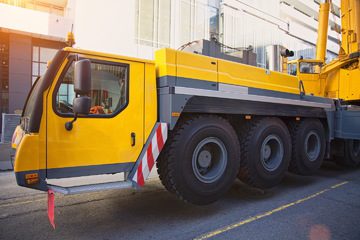
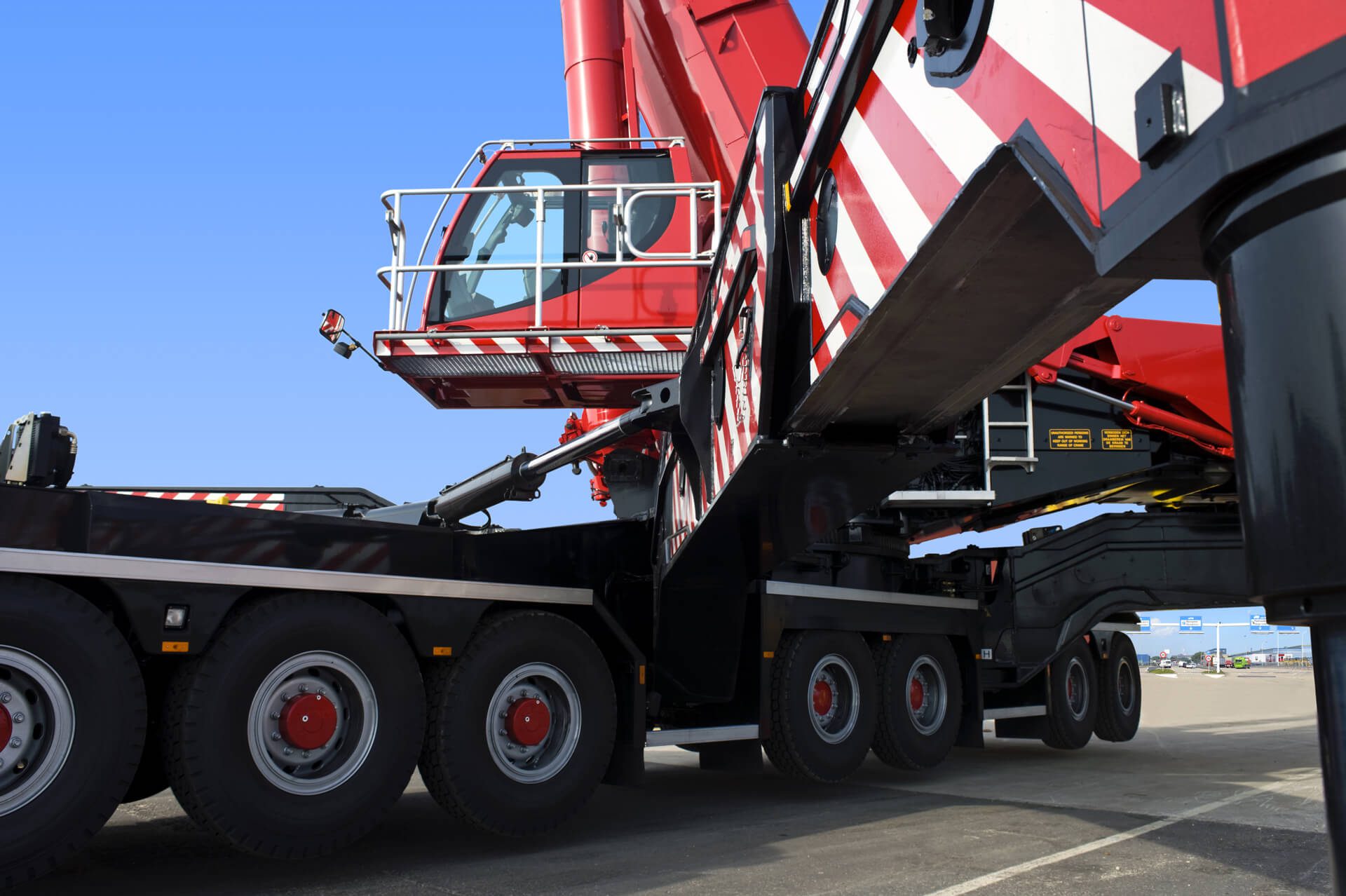
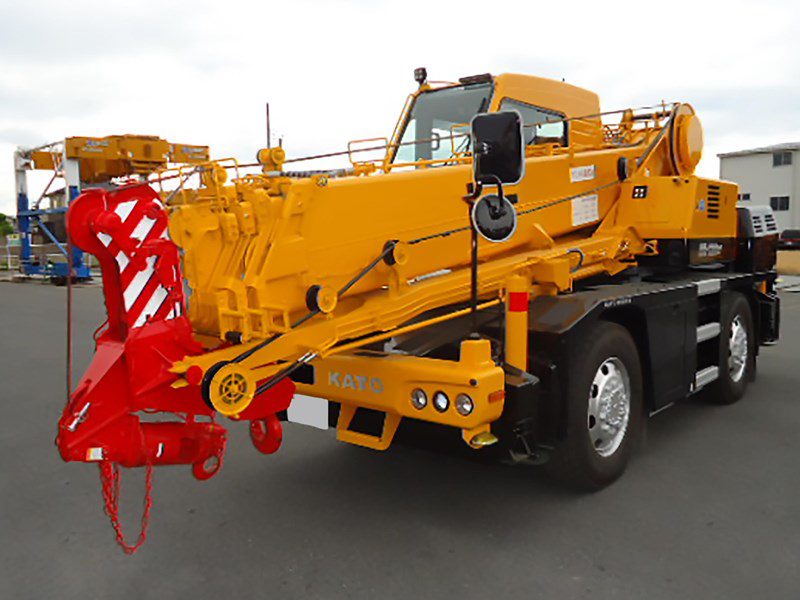
While tower cranes dominate skylines, mobile crane hire remains indispensable across Australia’s infrastructure landscape. Mounted on wheeled or tracked vehicles, mobile cranes offer rapid mobilisation and adaptability. They are widely used for bridge construction, utility installation, renewable energy projects, and industrial maintenance.
In contrast to tower cranes, mobile cranes are well suited to projects where lifting requirements change frequently or where permanent crane installation is impractical. This includes regional infrastructure upgrades and suburban developments, where access constraints are less severe but project timelines are tight.
Mobile cranes also play a complementary role on large sites that already use tower cranes. They handle initial assembly, specialised lifts, and dismantling operations, highlighting how different crane types function within an integrated construction strategy rather than in isolation.
Western Sydney as a Case Study in Urban Expansion
Few regions illustrate the evolving role of cranes better than Western Sydney. Large-scale investments in transport, health, education, and housing have transformed the area into one of Australia’s most active construction zones. City crane hire Western Sydney reflects the need to service multiple concurrent projects across expanding urban centres such as Parramatta, Liverpool, and the Western Sydney Aerotropolis.
Here, the combination of tower crane hire for high-rise commercial and residential buildings, alongside mobile crane hire for roads, rail, and logistics facilities, demonstrates how crane deployment aligns with regional development goals. Projects often operate under tight planning conditions, with noise restrictions, curfews, and community impact considerations influencing crane selection and scheduling.
The concentration of activity has also placed greater emphasis on coordination between contractors, local councils, and regulators, underscoring that crane operations are as much about governance as they are about engineering.
Safety Standards and Regulatory Oversight
Australia maintains some of the world’s most stringent construction safety standards, and crane operations are subject to rigorous oversight. Work health and safety legislation varies by state but is broadly aligned through national model laws. These frameworks govern crane design, operator licensing, maintenance regimes, and site-specific risk management.
For tower crane hire, compliance extends to foundation engineering, erection procedures, and ongoing structural monitoring. Wind load management is a particular concern in high-rise environments, requiring detailed planning and real-time assessment. Mobile crane hire involves its own regulatory considerations, including load charts, ground conditions, and traffic management when operating near public roads.
Regulators increasingly expect digital documentation, transparent reporting, and proactive hazard mitigation. As a result, crane operations have become more data-driven, with technology supporting compliance rather than merely facilitating lifting tasks.
Technology and the Future of Crane Operations
Technological advancement is reshaping how cranes are used and perceived within the construction sector. Automation, telematics, and digital planning tools are improving precision and reducing risk. Building information modelling allows crane movements to be simulated before work begins, minimising clashes and inefficiencies.
Remote operation capabilities, while still emerging, have the potential to address workforce challenges and improve safety outcomes by distancing operators from high-risk environments. For urban projects, noise reduction technologies and energy-efficient systems align crane operations with broader sustainability objectives.
These developments are particularly relevant in high-density areas, where community tolerance for disruption is limited. The expectation is no longer simply that projects are delivered on time, but that they are delivered responsibly.
Economic and Urban Implications
Beyond individual projects, cranes influence broader economic and urban outcomes. Efficient crane utilisation can reduce construction timelines, lower costs, and accelerate the delivery of housing and infrastructure. This has implications for affordability, productivity, and competitiveness across Australian cities.
Conversely, constraints on crane availability or regulatory delays can slow development pipelines. In this sense, tower crane hire and mobile crane hire function as indicators of construction sector health. Periods of intense crane activity often correlate with economic expansion, while downturns are reflected in quieter skylines.
In regions like Western Sydney, the scale of crane operations signals long-term confidence in urban growth. The visibility of cranes becomes a proxy for policy priorities, investment flows, and demographic change.
Conclusion: Lifting the Future of Australian Cities
Cranes occupy a unique position in Australia’s construction narrative. They are simultaneously symbols of growth and practical instruments of change. Through tower crane hire, cities rise vertically; through mobile crane hire, infrastructure extends horizontally; through city crane hire Western Sydney, regional development accelerates.
As Australia continues to urbanise and invest in complex, high-density environments, the strategic role of cranes will only increase. Their effective deployment depends on technology, regulation, and planning working in concert. For industry professionals and the broader business community alike, understanding how cranes shape the built environment offers valuable insight into where Australian cities are headed and how they are being constructed, one lift at a time.