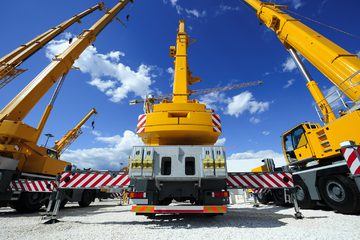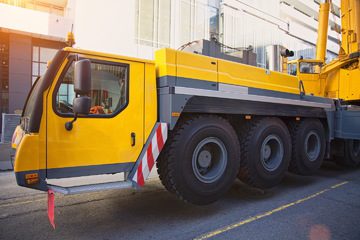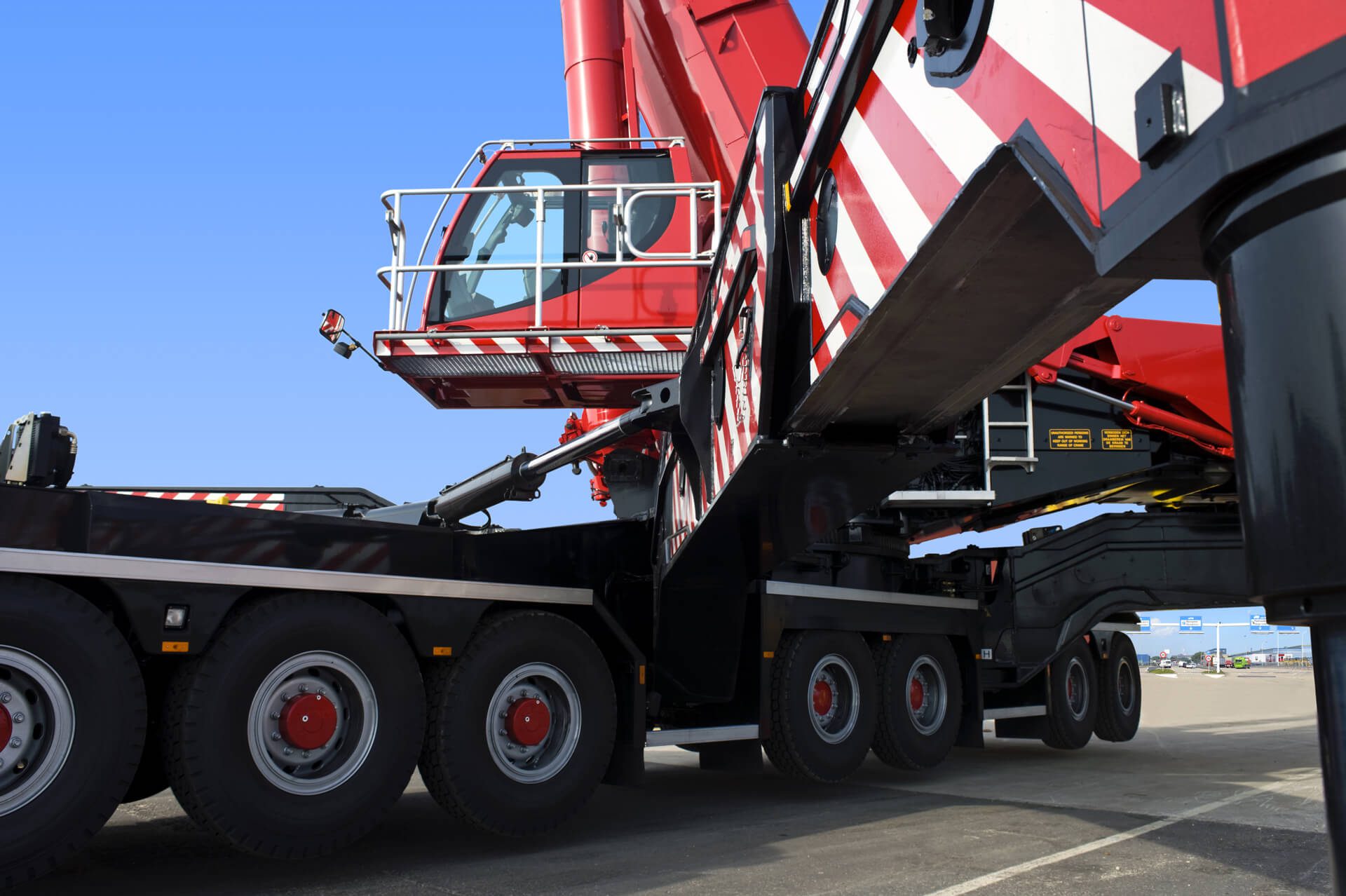
Australia’s contemporary construction landscape is defined by scale, density, and complexity. From transport corridors and energy infrastructure to high-rise residential towers and mixed-use precincts, the physical growth of cities increasingly depends on sophisticated lifting solutions. At the centre of this transformation are cranes—machines that rarely attract public attention, yet quietly determine how efficiently, safely, and sustainably projects are delivered. In particular, tower crane hire, mobile crane hire, and specialised services such as franna crane hire northern Sydney have become integral to modern Australian construction and urban development.
As population growth places pressure on metropolitan regions, especially Sydney, Melbourne, and Brisbane, the role of cranes has expanded beyond simple lifting. They now shape construction methodology, project sequencing, safety planning, and even urban design outcomes. Understanding how different crane types are deployed offers insight into how Australia builds its cities in an era of constrained space and heightened regulation.
The Strategic Role of Cranes in Australian Construction
Large-scale construction is fundamentally a logistical exercise. Materials must be moved vertically and horizontally with precision, often in tight timeframes and confined environments. Tower crane hire has become indispensable for this task, particularly in high-density urban settings. Tower cranes provide the vertical reach and load capacity required to construct tall buildings efficiently, reducing reliance on ground-based handling and minimising site congestion.
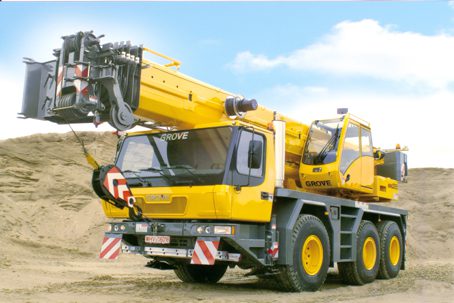
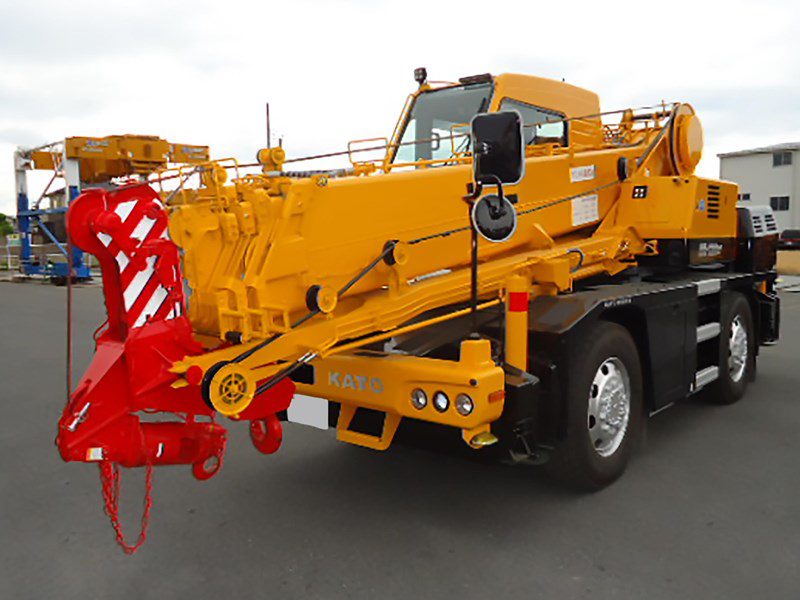
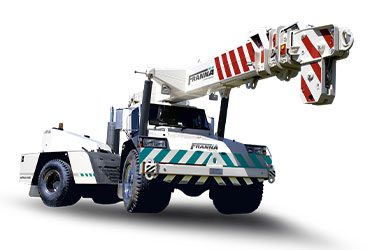
At the same time, mobile crane hire remains essential across a broad range of projects, from infrastructure upgrades and industrial installations to suburban developments. Unlike tower cranes, mobile cranes offer flexibility and rapid mobilisation, making them suitable for short-duration lifts or projects that evolve in stages. Franna cranes, a type of pick-and-carry mobile crane, have carved out a specific niche in regions such as northern Sydney, where smaller sites and frequent equipment movement demand agility rather than height.
Together, these crane types form a complementary ecosystem. Their strategic use influences construction timelines, labour allocation, and cost control, all of which are critical considerations in an industry facing skills shortages and rising material prices.
Tower Cranes and the Vertical City
Australia’s major cities are increasingly vertical. High-rise residential towers, office buildings, and hospital expansions dominate skylines, particularly in inner-city areas where land availability is limited. Tower crane hire underpins this vertical growth by enabling continuous lifting operations over extended periods.
Tower cranes are typically erected early in a project and remain in place for months or even years. Their fixed position allows for predictable workflows, supporting just-in-time delivery of materials such as concrete panels, steel components, and façade systems. In dense urban environments, this predictability is essential, as it reduces the need for extensive laydown areas and limits disruption to surrounding streets.
The use of tower cranes also reflects broader shifts in construction methodology. Prefabrication and modular construction, both growing trends in Australia, rely on precise lifting of large, pre-assembled elements. Tower cranes provide the stability and reach required to place these components accurately, contributing to faster build times and improved quality control.
Mobile Cranes and Infrastructure Development
While tower cranes dominate skylines, mobile crane hire plays a quieter but equally significant role in Australia’s infrastructure sector. Road upgrades, rail expansions, ports, wind farms, and utilities projects often occur across dispersed sites where permanent crane installation is impractical. Mobile cranes offer the versatility needed for such environments, with the ability to travel between locations and adapt to varying ground conditions.
In infrastructure projects, mobile cranes are frequently used for heavy lifts such as bridge beams, precast segments, and large mechanical components. Their capacity ranges from relatively small units suitable for urban works to high-tonnage cranes capable of lifting hundreds of tonnes. This scalability allows contractors to match crane capability to specific tasks, improving efficiency and reducing unnecessary risk.
In urban settings, mobile cranes often complement tower cranes. For example, they may be used during early site works, for plant installation, or during final stages when tower cranes are dismantled. This interplay highlights how mobile crane hire supports the full lifecycle of complex construction projects.
Franna Cranes and the Challenges of Dense Urban Areas
In tightly constrained environments, particularly in established suburbs, traditional crane solutions are not always practical. Franna crane hire northern Sydney illustrates how specialised equipment addresses localised challenges. Franna cranes are designed to lift and carry loads without the need for outriggers, allowing them to operate in narrow streets, active industrial sites, and small construction zones.
Northern Sydney’s mix of commercial precincts, infrastructure upgrades, and residential infill projects creates demand for cranes that can perform multiple tasks quickly. Franna cranes are often used for relocating equipment, positioning materials within sites, and supporting trades during fit-outs. Their ability to move loads over short distances without repeated setup reduces downtime and limits disruption to surrounding areas.
This type of crane exemplifies how urban construction increasingly relies on precision and adaptability rather than sheer scale. As cities densify, the importance of such specialised lifting solutions is likely to grow.
Safety Standards and Regulatory Oversight
Australia maintains one of the world’s most stringent construction safety frameworks, and crane operations are subject to extensive regulation. Standards set by Safe Work Australia and enforced at the state level govern everything from operator licensing and maintenance schedules to lift planning and exclusion zones.
Tower cranes, given their size and permanence, attract particular scrutiny. Regular inspections, wind monitoring systems, and detailed erection and dismantling procedures are mandatory. Mobile crane hire operations are similarly regulated, with load charts, ground assessments, and traffic management plans forming part of standard practice. For franna cranes, operator competence is critical, as pick-and-carry operations require constant awareness of load stability and site conditions.
These safety requirements have shaped industry culture. Crane operations are now highly planned, data-driven activities, integrated into broader project risk management strategies. While compliance adds cost and complexity, it has contributed to a long-term decline in serious incidents across the sector.
Technology and the Future of Crane Operations
Technological advancement is steadily transforming crane operations in Australia. Modern tower cranes are equipped with anti-collision systems, real-time load monitoring, and remote diagnostics, allowing issues to be identified before they escalate. Mobile cranes increasingly use digital planning tools that simulate lifts and assess risks in advance.
Automation and remote operation are emerging areas of interest, particularly for hazardous or repetitive tasks. While fully autonomous cranes remain rare, incremental improvements are enhancing precision and reducing reliance on manual intervention. These developments align with broader industry goals around productivity and safety.
Environmental considerations are also influencing crane selection and usage. Electric and hybrid cranes, though still limited in availability, are gaining attention as construction firms seek to reduce emissions and comply with sustainability targets set by governments and investors.
Cranes as Indicators of Urban Transformation
Beyond their functional role, cranes have become symbols of economic confidence and urban change. A skyline dotted with tower cranes signals investment, population growth, and long-term planning. At ground level, the presence of mobile and franna cranes reflects the ongoing adaptation of existing urban spaces to new uses.
In Australia, the strategic deployment of tower crane hire, mobile crane hire, and region-specific solutions such as franna crane hire northern Sydney illustrates how construction responds to local conditions within a national regulatory and economic framework. These machines enable cities to grow upward and outward while navigating constraints of space, safety, and sustainability.
As Australia continues to invest in infrastructure and housing, cranes will remain central to the conversation—not as mere equipment, but as critical enablers of the built environment. Their evolution mirrors that of the cities they help construct: complex, regulated, and increasingly shaped by technology and careful planning.