Australia’s skyline continues its dramatic transformation, with tower cranes dotting cityscapes from Sydney to Melbourne while mobile cranes navigate tight urban corridors and suburban construction sites. As the nation’s infrastructure demands intensify and urban density increases, the strategic deployment of lifting equipment has become a critical factor in project success, safety outcomes, and the efficient use of increasingly scarce metropolitan space.
The construction equipment sector, particularly crane services, has evolved far beyond simple machinery rental. Today’s tower crane hire and mobile crane hire operations represent sophisticated logistical ecosystems that must balance engineering precision, regulatory compliance, technological advancement, and the unique challenges of Australian urban geography. Understanding these dynamics offers insight into how modern cities are built and how infrastructure projects navigate the complex intersection of ambition and constraint.
The Strategic Architecture of Vertical Construction
Tower crane hire has become synonymous with high-rise construction across Australian metropolitan centers, where vertical development responds to population growth and limited urban footprints. These towering fixtures, often reaching heights exceeding 70 meters, serve as the skeletal framework around which modern buildings take shape. Their presence signals not just construction activity but substantial capital investment and long-term urban planning commitments.
The decision to deploy tower cranes reflects both project scale and duration. Unlike mobile alternatives, tower cranes establish semi-permanent positions that can serve construction sites for months or years. This temporal commitment makes them economically viable only for substantial projects where the cost of installation, operation, and eventual dismantling can be distributed across extended timelines and significant material throughput.
In regions experiencing concentrated development, such as tower crane hire northern Sydney operations, the equipment plays an outsized role in shaping urban growth patterns. Northern Sydney’s unique topography, combining harbor proximity with hilly terrain and established residential areas, creates distinctive challenges. Tower cranes must operate in spaces where traditional access routes may be limited, where neighboring properties demand careful consideration, and where regulatory oversight remains vigilant about both safety and community impact.
Mobile Solutions for Dynamic Construction Landscapes
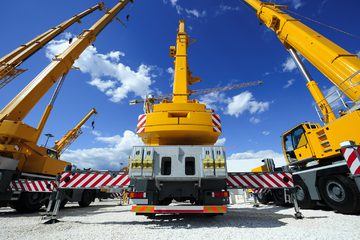
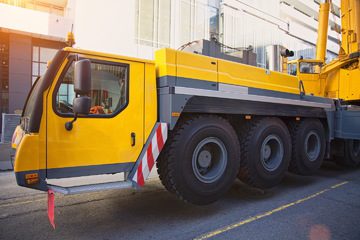
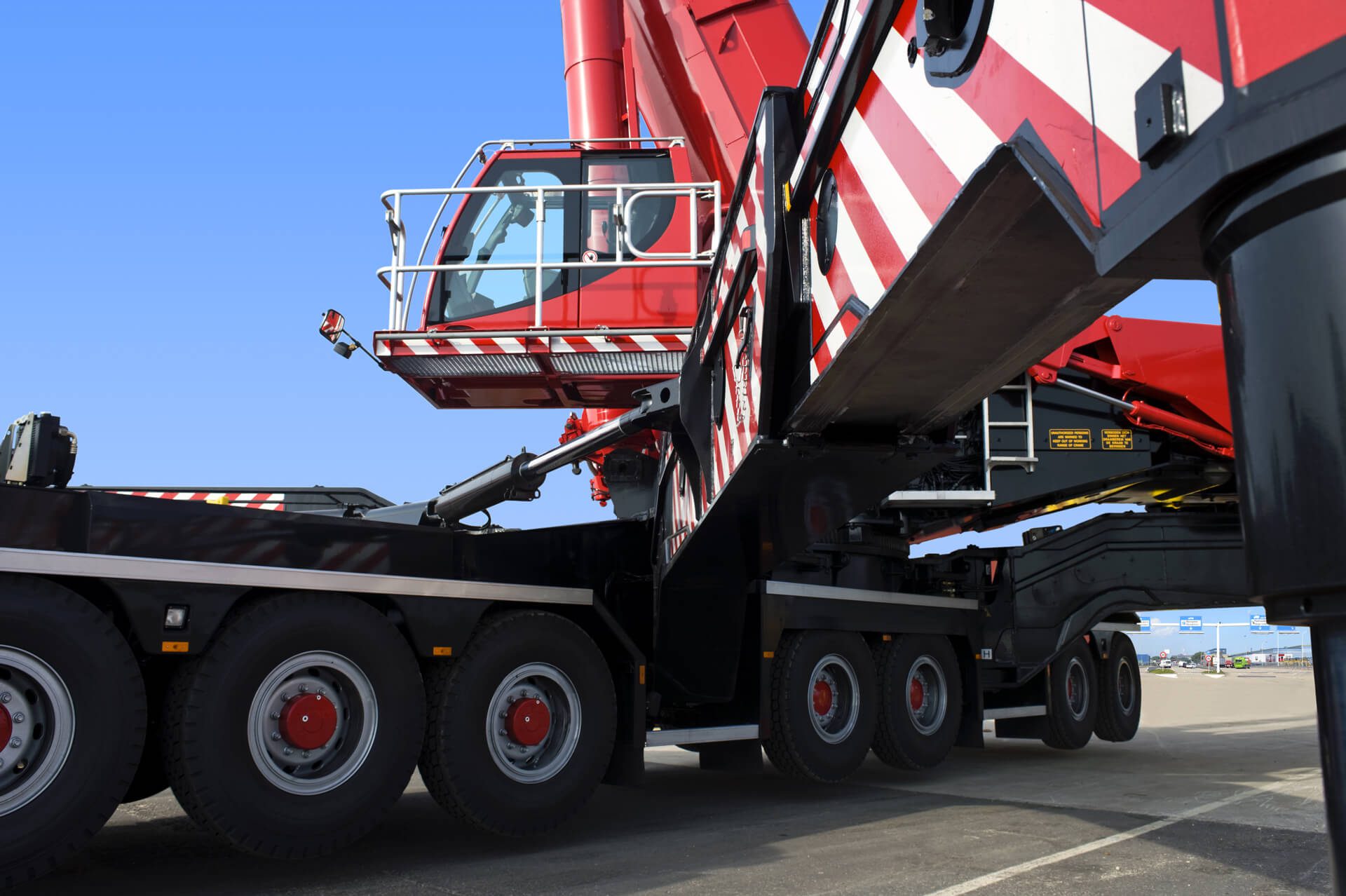
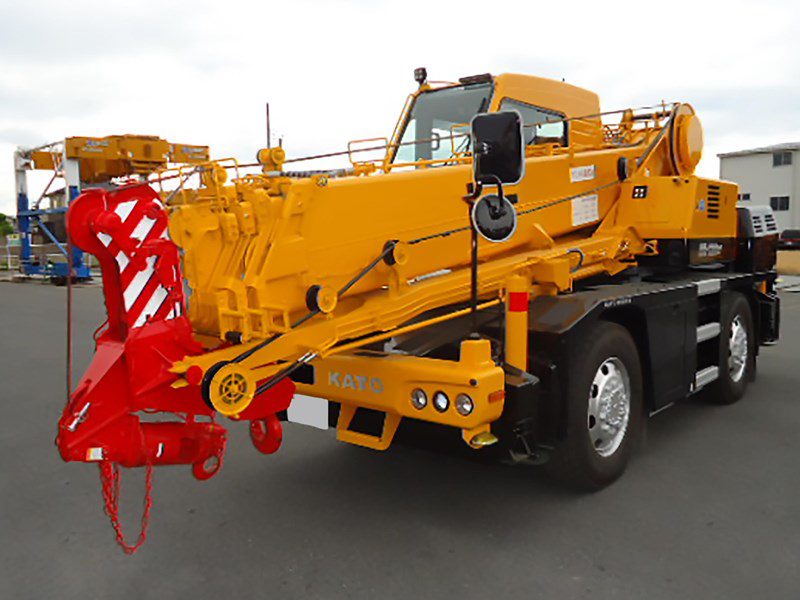
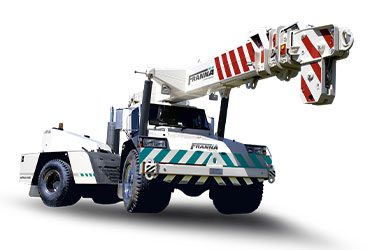
While tower cranes dominate vertical construction, mobile crane hire serves the broader spectrum of Australian construction needs. These versatile machines, ranging from small truck-mounted units to massive all-terrain cranes capable of lifting hundreds of tonnes, provide the flexibility that fixed tower cranes cannot match. Their ability to arrive, perform specific lifting tasks, and depart makes them economically efficient for projects requiring intermittent heavy lifting rather than continuous vertical material transport.
The mobile crane sector has experienced technological transformation in recent years. Modern units incorporate computerized load monitoring systems, sophisticated stability controls, and telescopic boom technologies that expand operational capabilities while maintaining transportability. These advances have particular relevance in Australian contexts, where construction sites often span vast distances and diverse terrain, from coastal developments to inland infrastructure projects.
Mobile cranes prove indispensable for infrastructure work including bridge construction, utility installation, and industrial facility development. Their deployment across highway expansion projects, renewable energy installations, and commercial construction sites demonstrates their adaptability. When projects require heavy lifting capacity without the spatial footprint or temporal commitment of tower installations, mobile options provide the solution.
Regulatory Frameworks and Safety Imperatives
Australian crane operations exist within stringent regulatory environments established by state-based workplace safety authorities and national standards frameworks. These regulations, developed through decades of industry experience and informed by international best practices, establish minimum requirements for equipment maintenance, operator licensing, site preparation, and operational protocols.
Safe Work Australia guidelines, implemented through state jurisdictions, mandate comprehensive safety management systems for all crane operations. These requirements include pre-operational inspections, load calculation verification, exclusion zone establishment, and emergency response planning. For tower crane operations, additional considerations include foundation engineering verification, structural stability monitoring throughout construction phases, and protocols for operation during adverse weather conditions.
The regulatory landscape has adapted to technological advancement. Modern cranes incorporate black box systems recording operational parameters, providing data for post-incident analysis and ongoing safety performance monitoring. Wind speed monitors, load moment indicators, and anti-collision systems have transitioned from optional features to regulatory expectations, particularly in urban environments where multiple cranes may operate in proximity.
Northern Sydney’s concentrated development activity has prompted particularly careful regulatory attention. Local authorities balance construction industry needs against community concerns about noise, visual impact, and safety risks. The result is a permitting environment that demands detailed planning, comprehensive risk assessments, and ongoing communication between construction firms, crane operators, and regulatory bodies.
Technological Innovation Reshaping Operational Paradigms
The crane industry confronts the same digital transformation pressuring all construction sectors. Building Information Modeling integration allows crane path planning during design phases, identifying potential conflicts before equipment arrives on site. This proactive approach reduces operational inefficiencies and enhances safety by addressing spatial constraints in virtual environments rather than discovering them during active construction.
Remote monitoring capabilities now allow crane operations to be supervised from off-site locations, with real-time data on load weights, boom positions, and environmental conditions transmitted to project managers and safety personnel. Some operations experiment with remote operation technologies, though Australian regulations currently mandate on-site operator presence for most applications. Nevertheless, the trajectory toward increased automation and remote capability continues.
Electric and hybrid power systems represent another frontier. While diesel engines remain standard for mobile cranes requiring mobility and power, tower cranes increasingly incorporate electric drive systems that reduce emissions, lower noise levels, and decrease operational costs. These developments align with broader construction industry sustainability commitments and urban planning objectives focused on reducing environmental impacts.
Economic and Logistical Considerations
The economics of crane deployment extend beyond hourly or daily rental rates. Mobilization costs, insurance requirements, operator wages, site preparation, and dismantling expenses all contribute to total project costs. For tower crane hire, these factors often mean equipment remains economically viable only for projects exceeding certain thresholds of height, duration, and material volume.
Mobile crane hire offers different economic propositions. Lower mobilization costs and greater flexibility make these units viable for smaller projects or specific lifting tasks within larger construction programs. However, their operational costs per lifting operation typically exceed tower crane costs for high-volume, repetitive lifting scenarios.
These economic realities shape construction methodology choices. Developers and builders must evaluate project requirements against equipment capabilities and costs, often engaging specialized engineering consultants to optimize crane selection and placement. In competitive construction markets, these decisions can materially impact project feasibility and profitability.
Future Trajectories in Urban Construction
Australia’s construction landscape continues evolving, driven by population growth, urbanization trends, and infrastructure renewal imperatives. These forces ensure sustained demand for sophisticated lifting solutions capable of operating safely and efficiently in increasingly complex urban environments.
The crane industry must navigate multiple challenges simultaneously: advancing technological capabilities, maintaining rigorous safety standards, adapting to environmental regulations, and meeting economic pressures from construction clients demanding efficiency. Success requires continuous innovation, workforce development, and collaborative relationships between equipment suppliers, construction firms, and regulatory authorities.
As Australian cities grow upward and outward, the cranes that facilitate this transformation remain essential yet often overlooked infrastructure. Their presence marks not just individual construction projects but broader patterns of urban development, economic investment, and technological progress that define contemporary Australian urbanism.