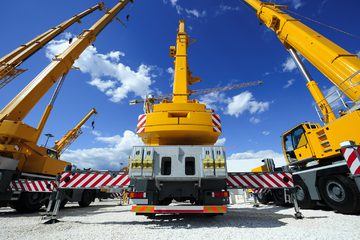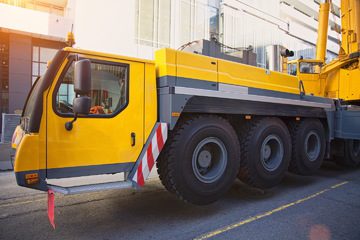
Australia’s construction sector stands at a critical juncture. With urban populations expanding rapidly and infrastructure demands intensifying across major cities, the machinery that lifts steel beams hundreds of metres skyward has become as essential to modern development as the blueprints themselves. Tower crane hire, mobile crane hire, and specialised services such as city crane hire northern Sydney represent far more than simple equipment rental. They form the mechanical backbone of a construction industry navigating unprecedented complexity, regulatory scrutiny, and technological transformation.
The Tower Above: Vertical Construction’s Indispensable Tool
When Melbourne’s Collins Street or Sydney’s Barangaroo district witnesses another residential or commercial tower piercing the skyline, tower crane hire operations provide the mechanical muscle behind these ambitious projects. Unlike their mobile counterparts, tower cranes remain fixed to construction sites for months or years, their latticed arms rotating above streets as they methodically place concrete panels, steel reinforcement, and prefabricated components with millimetre precision.
Tower crane hire has evolved into a sophisticated logistical undertaking in Australian cities. Engineers must calculate wind loads specific to coastal environments, account for the proximity of neighbouring structures, and coordinate with aviation authorities when cranes approach flight paths. In Brisbane’s Hamilton precinct and Perth’s Elizabeth Quay developments, tower cranes have become semi-permanent fixtures, their presence signalling long-term urban transformation rather than temporary construction activity.
The economics driving tower crane hire reflect broader industry pressures. Construction firms rarely purchase these machines outright, given their specialised nature and the substantial capital required. Instead, hire arrangements allow contractors to access equipment calibrated for specific project heights and load capacities while transferring maintenance responsibilities and technological obsolescence risks to specialised providers. This model has proven particularly valuable as Australian cities push vertical boundaries, with residential towers regularly exceeding forty storeys in Sydney and Melbourne’s growth corridors.
Mobile Solutions for Dynamic Infrastructure Demands
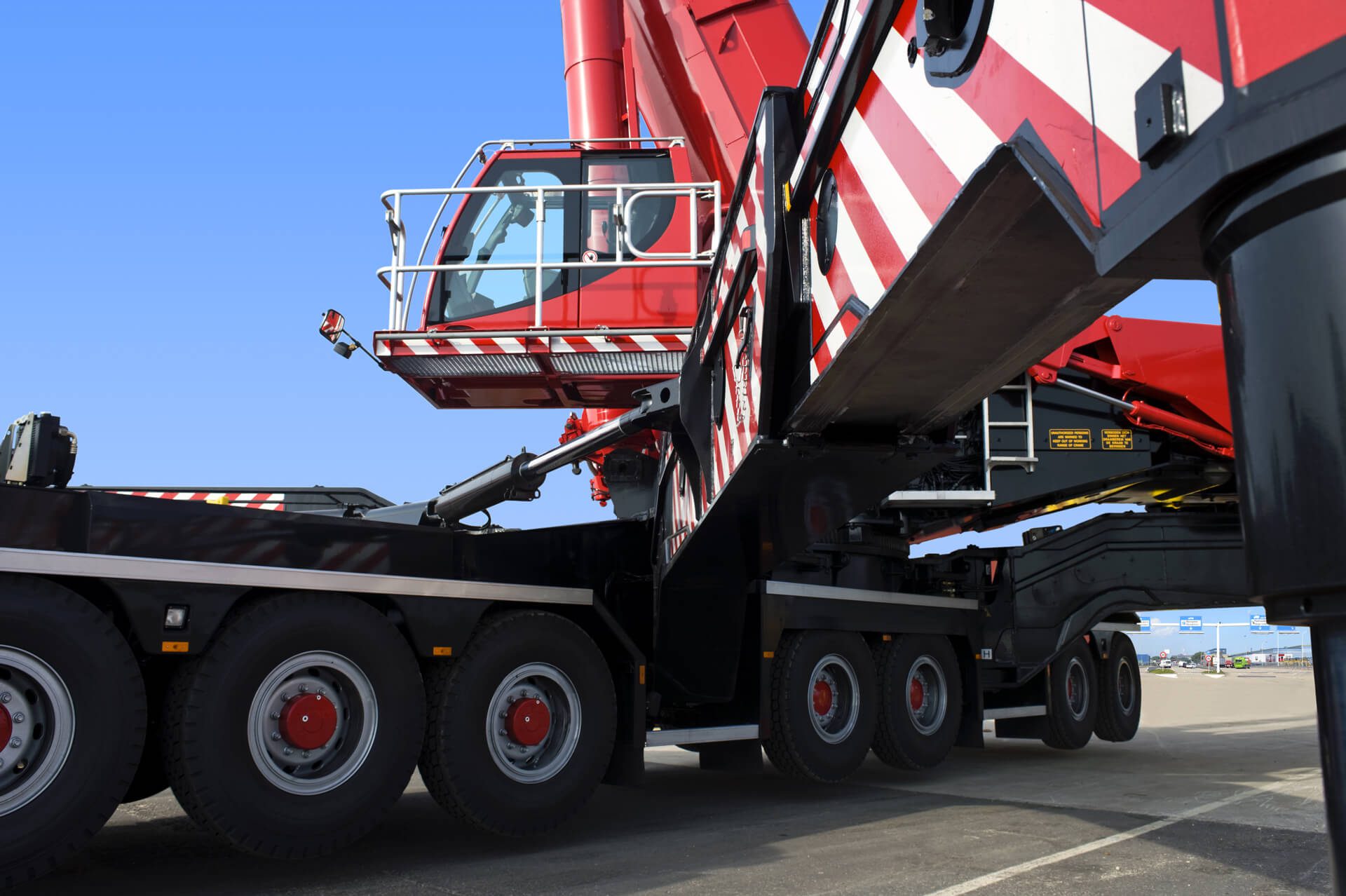
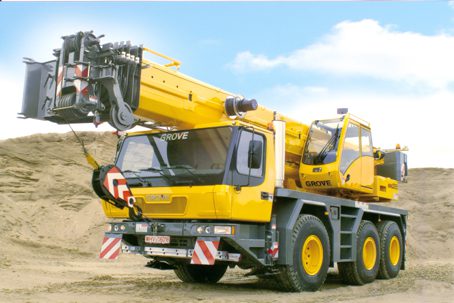
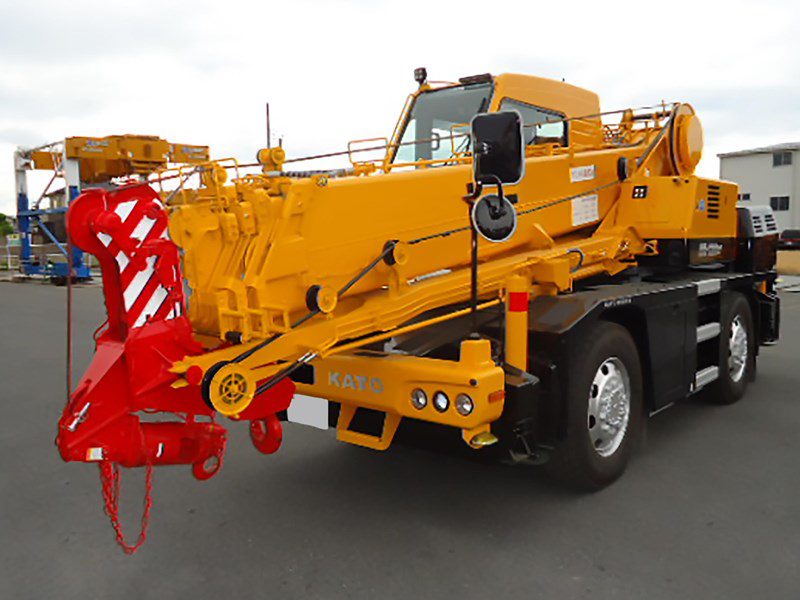
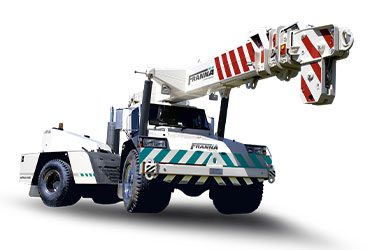
While tower cranes dominate high-rise construction narratives, mobile crane hire operations address an entirely different set of challenges across Australia’s sprawling infrastructure landscape. From the Hunter Valley’s mining operations to Tasmania’s renewable energy installations, mobile cranes provide the flexibility that fixed equipment cannot match. These wheeled or tracked machines arrive on-site, complete their lifting assignments, and depart within days or weeks, making them economically viable for bridge construction, telecommunications tower installation, and industrial maintenance projects.
Mobile crane hire has experienced particular growth in regional areas where infrastructure development occurs sporadically rather than continuously. The construction of Queensland’s inland road networks, for instance, requires cranes capable of traversing rough terrain to position bridge girders across rivers and gorges before moving to the next location dozens of kilometres away. Similarly, Victoria’s renewable energy expansion has created demand for mobile cranes that can travel between wind farm sites, lifting turbine components weighing hundreds of tonnes.
The technological sophistication of modern mobile crane hire extends beyond raw lifting capacity. Contemporary machines feature computerised load moment indicators, remote monitoring systems, and GPS tracking that allows hire companies to optimise fleet deployment across multiple projects simultaneously. This digital integration has transformed what was once a straightforward equipment rental transaction into a data-driven service where crane performance, operator hours, and maintenance schedules are monitored in real time.
Navigating Dense Urban Environments
Nowhere are the complexities of crane operations more apparent than in established urban centres where space constraints and regulatory frameworks intersect. City crane hire northern Sydney exemplifies these challenges, where operators must navigate residential neighbourhoods, heritage precincts, and arterial roads while servicing construction projects ranging from apartment redevelopments to commercial renovations.
The density of Sydney’s northern suburbs creates operational puzzles that require both specialised equipment and extensive planning. Crane operators working in suburbs such as Chatswood, St Leonards, and North Sydney contend with overhead power lines, narrow street access, and strict noise abatement requirements that limit operating hours. City crane hire northern Sydney has consequently become a specialised niche within the broader industry, demanding equipment that can work within confined footprints while maintaining the lifting capacity necessary for multi-storey construction.
These urban operations illuminate broader tensions in Australian construction. Local councils balance development approvals against community amenity concerns, resulting in permit conditions that specify crane operating windows, maximum heights, and even the routes trucks may use when delivering crane components. In practice, this means a single tower crane installation in inner Sydney might require coordination between construction contractors, traffic management authorities, utility providers, and multiple government agencies before the first steel section is erected.
Safety Standards and Regulatory Evolution
Australia’s crane industry operates within one of the world’s most stringent safety regulatory frameworks. Following several high-profile incidents in previous decades, state and territory governments implemented comprehensive licensing requirements for crane operators, rigorous inspection protocols, and mandatory certification processes for lifting equipment. Safe Work Australia guidelines now mandate detailed lift plans, exclusion zones, and emergency response procedures for every crane operation, regardless of scale.
These safety measures extend beyond operational protocols to encompass the equipment itself. Modern cranes hired in Australia must comply with AS standards covering structural integrity, load testing, and maintenance intervals. For tower crane hire operations on major projects, independent engineers routinely verify that installations meet design specifications and can withstand the wind conditions specific to Australian coastal cities. Mobile crane hire providers similarly maintain detailed service records for each machine, with hydraulic systems, structural components, and safety devices subject to regular inspection and replacement according to manufacturer specifications.
The regulatory environment continues evolving in response to technological change and urban densification. New South Wales recently introduced additional requirements for crane operations near transport infrastructure, while Victoria has tightened standards around crane operator fatigue management. These regulatory shifts reflect growing recognition that crane safety extends beyond individual worksites to encompass broader urban risk management, particularly as Australian cities continue their vertical expansion.
Technology Reshaping Traditional Practices
Digital technology is fundamentally altering how Australian construction projects deploy and manage crane resources. Advanced modelling software now allows engineers to simulate crane positions and lifting sequences before physical installation, identifying potential clashes with existing structures or optimising hook heights to minimise cycle times. This planning capability has proven especially valuable for complex projects where multiple cranes operate simultaneously or where lifting operations must occur within extremely tight tolerances.
The cranes themselves increasingly incorporate automation and remote monitoring capabilities. Load sensors provide real-time feedback to operators, while anti-collision systems prevent contact between cranes working in proximity. Some tower crane hire arrangements now include telematics packages that transmit operational data to project managers, enabling them to track productivity metrics and identify maintenance needs before mechanical failures occur. These technological enhancements represent a significant departure from the largely mechanical systems that dominated the industry just two decades ago.
Looking forward, emerging technologies such as autonomous crane operations and augmented reality assistance for operators suggest further transformation ahead. While fully automated cranes remain uncommon in Australian construction, pilot programs in Europe and Asia demonstrate the potential for remote-operated systems that could address the nation’s skilled operator shortage while potentially enhancing safety through reduced human error.
The Infrastructure That Builds Infrastructure
As Australian cities confront housing shortages and infrastructure deficits, the cranes that enable construction have transcended their utilitarian origins to become barometers of economic activity and urban ambition. The presence of tower cranes across Sydney’s skyline or the steady deployment of mobile cranes to regional infrastructure projects signals more than construction progress. It reflects the mechanical systems and industrial logistics that transform architectural vision into physical reality, one carefully calculated lift at a time.