Australia’s construction sector finds itself at a pivotal juncture. With federal and state governments committing hundreds of billions of dollars to infrastructure projects over the coming decade, the equipment that builds these developments has become as strategically significant as the projects themselves. At the centre of this transformation lies the crane industry, where demand patterns are revealing important shifts in how Australia approaches urban development, regional construction, and the complex logistics of modern building.
The crane hire market, valued at several billion dollars nationally, has evolved beyond simple equipment rental into a sophisticated sector requiring careful planning, regulatory compliance, and technological integration. Understanding the distinctions between crane types and their applications has become essential knowledge not only for construction professionals but for policymakers, investors, and communities affected by development.
Regional Growth Drives Demand Beyond Metropolitan Centres
Perhaps no trend better illustrates Australia’s changing construction geography than the surge in crane activity beyond traditional metropolitan boundaries. The Southern Highlands of New South Wales, historically known for its pastoral character and weekend tourism, has emerged as a microcosm of regional development pressures facing communities nationwide.
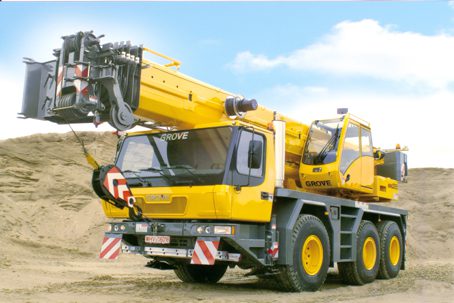
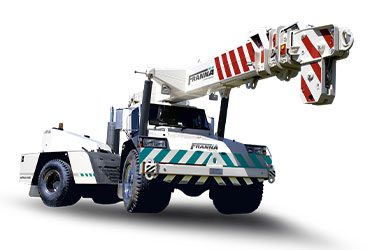
Franna crane hire Southern Highlands has increased markedly over the past three years, according to industry observers, driven by a combination of residential subdivision, commercial development, and infrastructure upgrades necessary to support population growth. The pick-and-carry cranes commonly associated with the Franna name offer particular advantages in these settings, where projects often require flexibility and the ability to operate without extensive ground preparation.
This regional expansion reflects broader demographic trends. The Australian Bureau of Statistics projects that regional populations will continue growing as remote work normalises and housing affordability drives migration from capital cities. Construction activity necessarily follows, requiring equipment suited to diverse site conditions and varying project scales.
The Distinct Roles of Mobile and Tower Cranes
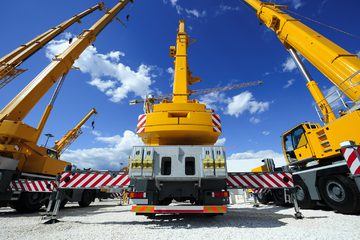
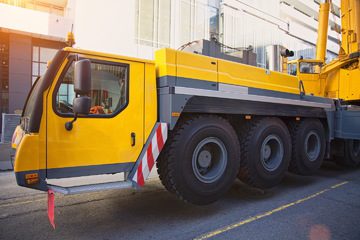
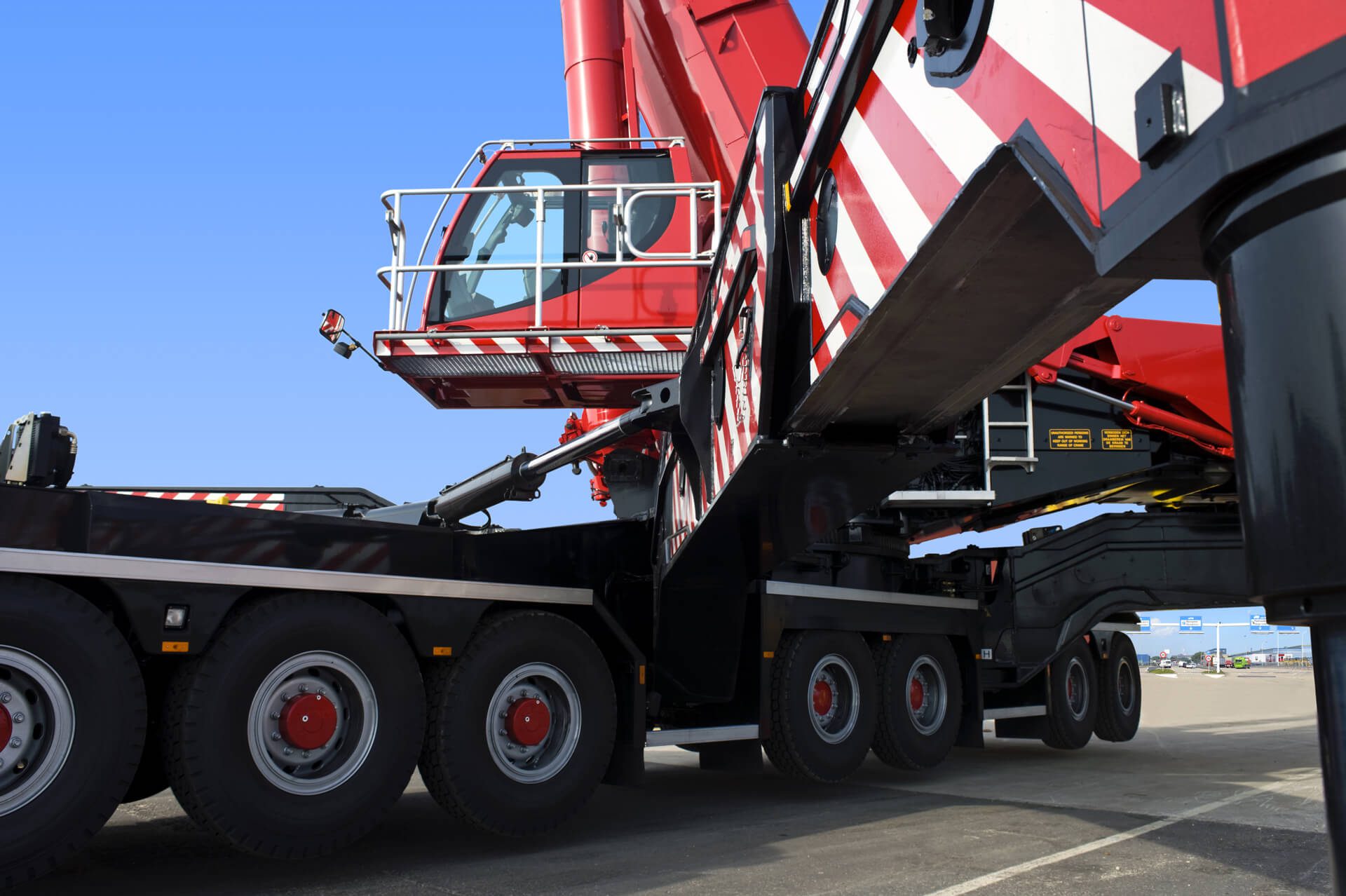
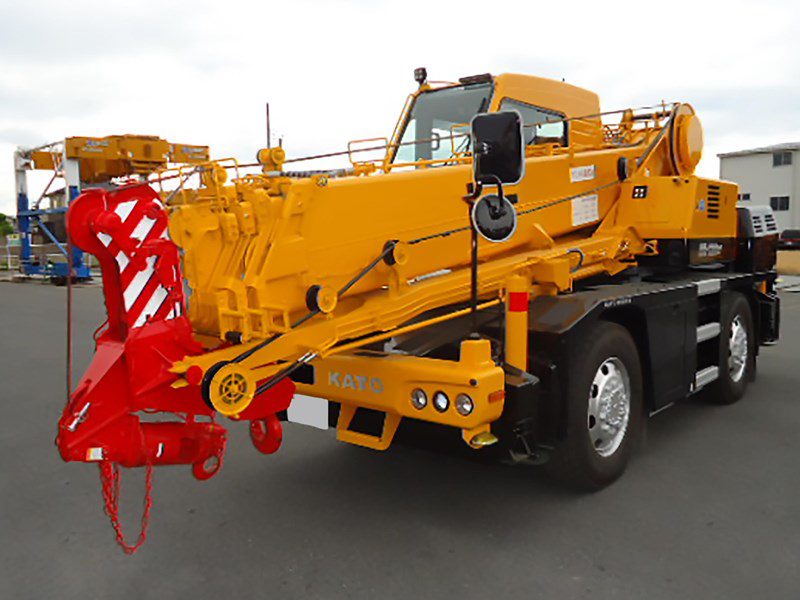
While regional areas present specific equipment requirements, the fundamental distinctions between crane categories remain consistent across Australian construction. Mobile crane hire continues to represent the largest segment of the market, with these versatile machines appearing on everything from single-home construction to major civil works.
The appeal of mobile cranes lies in their adaptability. A mobile crane can be transported between sites as needed, erected with minimal preparation, and configured for diverse lifting requirements. For contractors managing multiple concurrent projects or working on assignments with variable timelines, mobile solutions provide operational flexibility that fixed installations cannot match.
Tower crane hire occupies a different strategic position, dominating Australia’s high-rise construction and major infrastructure developments where prolonged presence and heavy lifting capacity justify the substantial setup investment. Sydney, Melbourne, and Brisbane’s skylines currently feature hundreds of tower cranes, visual markers of the apartment boom reshaping urban Australia.
The economics differ significantly between categories. Tower installations require extensive foundation work, certified operators with specialised credentials, and detailed engineering assessments before erection. Once operational, however, they offer lifting capabilities and reach that mobile alternatives cannot replicate for sustained high-rise construction.
Safety Standards and Regulatory Framework
Australia’s crane industry operates under one of the world’s more rigorous regulatory frameworks, with oversight distributed between Safe Work Australia, state regulators, and industry-specific codes of practice. The consequences of inadequate regulation became tragically apparent in historical incidents that prompted successive reform.
All crane operators in Australia must hold high-risk work licences appropriate to their equipment class. These credentials require formal training, assessment, and periodic renewal. Crane hire companies face additional obligations regarding equipment maintenance, certification, and insurance coverage that collectively establish baseline safety standards across the industry.
The National Heavy Vehicle Regulator also intersects with crane operations, as the transport of larger equipment between sites falls under heavy vehicle legislation. This regulatory complexity means that crane hire arrangements involve considerably more compliance verification than many clients initially anticipate.
Recent years have seen particular attention to tower crane safety in dense urban environments. Wind loading calculations, climbing procedures, and dismantling operations all carry specific risks that have prompted updated guidance from state work safety authorities. The integration of weather monitoring technology and automated load management systems reflects industry efforts to supplement human judgment with technological safeguards.
Technology Reshaping Crane Operations
The crane sector has not remained immune to the technological transformation affecting broader construction. Telematics systems now provide real-time data on crane operations, enabling both safety monitoring and operational optimisation. Load moment indicators, anti-collision systems, and GPS tracking have become standard expectations rather than premium additions.
For mobile crane hire, technology has improved matching between equipment specifications and job requirements. Digital platforms allow contractors to specify lift parameters, site conditions, and access constraints, theoretically reducing the mismatches that historically caused project delays and safety concerns.
Tower crane hire has seen particular innovation in autonomous and semi-autonomous operation. While fully automated tower cranes remain experimental, systems that assist operators with positioning, load management, and safety compliance have matured considerably. These developments address both safety imperatives and the persistent skilled labour shortages affecting Australian construction.
Building Information Modelling integration represents an emerging frontier. Projects designed using sophisticated digital models can incorporate crane placement and operation into the design phase, optimising construction sequences and identifying potential conflicts before physical work commences.
Economic and Workforce Implications
The crane industry’s health serves as a leading indicator for construction broadly. Equipment utilisation rates, hire durations, and demand patterns provide insight into development activity before formal economic statistics capture the trends.
Current market conditions reflect the tension between strong infrastructure pipelines and economic headwinds affecting private development. Government commitments to transport, renewable energy, and social housing provide baseline demand, while residential construction fluctuates with interest rates and consumer confidence.
Workforce considerations present ongoing challenges. The crane operator profession faces demographic pressures common across skilled trades, with an ageing workforce and competition from other industries for younger workers. Training pathways exist through TAFE institutions and industry programs, but throughput remains insufficient to meet projected demand.
For regional areas like the Southern Highlands, workforce availability often determines project feasibility. Franna crane hire in the Southern Highlands and similar regional markets frequently involves operators travelling from larger centres, adding cost and coordination complexity that metropolitan projects avoid.
Looking Forward
Australia’s construction trajectory ensures that crane demand will remain robust for the foreseeable future. The nation’s infrastructure deficit, housing shortages, and renewable energy ambitions all require lifting capacity that only cranes can provide.
The more pertinent questions concern how the industry adapts to evolving conditions. Climate considerations increasingly influence equipment specifications and operational protocols. Digital integration will accelerate. Regulatory frameworks will continue tightening in response to incidents and advancing safety knowledge.
Mobile crane hire and tower crane hire will remain distinct but complementary market segments, each evolving to address the specific challenges of their typical applications. Regional markets will likely grow in significance as population distribution continues shifting.
For an industry often overlooked despite its literal visibility on every construction site, the crane sector merits closer attention from those seeking to understand how Australia builds its future.